
Container Gardens
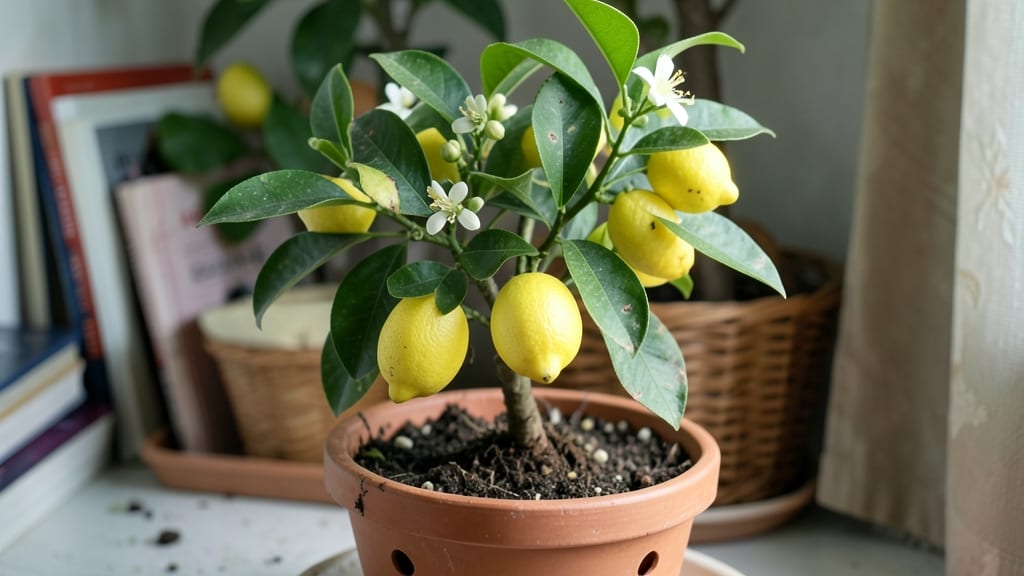
Growing a potted fruit tree that bears harvestable fruit in just six months feels like magic—until you know the right varieties and care routine. 🌱 My first attempt with a lemon tree in a five-gallon pot failed miserably, but this method works because it starts with dwarf varieties that thrive in containers and responds to consistent care like sunlight, water, and pruning.
The secret isn’t fancy equipment—it’s matching the right tree to your space and climate. Dwarf citrus, figs, and certain apple varieties (like ‘Columnar’ or ‘Patio’) produce fruit in pots, and containers with drainage holes prevent root rot.
You’ll need well-draining soil, a pot at least 15 gallons for mature trees, and a sunny spot that gets at least six hours of light daily.
By month six, you’ll be picking tiny but delicious fruit straight from your patio. The trees stay compact, making them perfect for balconies or small yards, and with proper overwintering (like moving indoors or insulating pots), you can keep them producing year after year.
The first harvest is the most exciting part—imagine fresh figs or lemons in winter!
This method works for any climate, though cold zones need extra protection. Whether you’re growing in a sunny apartment or a shaded courtyard, the key is patience and consistency. Let’s get your tree on the path to fruit—it’s easier than you think!
📚 In This Guide
- What you need
- Instructions
- Tips and common mistakes
- Wrapping up and next steps
What you need
- ● Container: A pot with drainage holes, at least 12-18 inches in diameter (bigger for dwarf varieties). Use fabric grow bags or ceramic/terracotta pots for better airflow.
- ● High-quality potting mix: 10-15 gallons of a well-draining blend (e.g., 50% peat moss, 30% perlite, 20% compost). Avoid garden soil—it compacts!
- ● Fruit tree sapling: Choose a dwarf or semi-dwarf variety (e.g., apple, peach, citrus, or fig) from a nursery. Look for 1-2 year old trees with healthy roots.
- ○ Slow-release fertilizer: A balanced 10-10-10 or 8-3-9 formula (follow package instructions for dosage). Optional: Organic options like fish emulsion or worm castings.
- ● Mulch: 2-3 inches of wood chips, straw, or bark to retain moisture and regulate soil temp.
- ● Trowel or small shovel for planting and soil adjustments.
- ● Watering can or hose with a gentle spray nozzle (avoid overwatering!).
- ● Pruning shears (sterilized with rubbing alcohol) for shaping and maintenance.
- ○ pH testing kit (optional but helpful—ideal range: 6.0-7.0 for most fruit trees).
- ● Support stake or trellis (if growing taller varieties like citrus or peaches).
- ● Sunlight: A spot with 6-8 hours of direct sunlight daily (south-facing windows or a sunny patio).
- ● Climate check: Verify your tree’s hardiness zone (e.g., citrus thrives in Zones 8-11, while apples prefer Zones 3-8).
- ● Patience & consistency: Fruit trees need regular care—watering, fertilizing, and pruning—to bear fruit in 6 months!
Step-by-step instructions for growing a potted fruit tree
Here's how to grow a productive fruit tree in containers—no yard needed.
🌱 Step 1: Choose the Right Tree and Container
Dwarf varieties like 'Columnar Apple', 'Patio Peach', or 'Miniature Citrus' thrive in pots. These trees stay under 6 feet tall and produce fruit within 3-5 years. Avoid full-size trees—they outgrow containers quickly and become top-heavy.
Select a container at least 18 inches deep with drainage holes. Terra cotta pots breathe better than plastic, but ceramic holds moisture longer. For 4 trees, you'll need 4 matching pots (one per tree) plus saucers to catch runoff. Place pots in a location with 6+ hours of direct sun daily—fruit trees need plenty of light to set fruit.
🪴 Step 2: Prepare the Potting Mix and Plant
Use a well-draining potting mix blended with 20% perlite or sand to prevent root rot. Avoid garden soil—it compacts and suffocates roots. For each tree, fill the pot ⅔ full with the mix, leaving 3 inches of space at the top for watering.
Remove the tree from its nursery pot and loosen the roots gently with your fingers. Place it in the center of the container, ensuring the graft union (the bump near the base) sits 1 inch above the soil line. This prevents the tree from growing a weak root system below the graft. Fill the remaining space with mix, pressing lightly to eliminate air pockets.
☀️ Step 3: Water and Fertilize for Strong Growth
Water deeply until it drains from the bottom holes—you’ll know it’s enough when water stops dripping after 10 minutes. Let the top 1 inch of soil dry between waterings. Overwatering is the fastest way to kill a potted fruit tree. Mulch the surface with 1 inch of bark chips to retain moisture and regulate soil temperature.
Fertilize every 4-6 weeks with a balanced, slow-release fertilizer (10-10-10 or 20-20-20). In spring, switch to a high-phosphorus fertilizer (5-10-10) to encourage flowering. Stop fertilizing in late summer to let the tree prepare for winter dormancy. Watch for yellowing leaves—this signals overwatering or nutrient deficiency.
✂️ Step 4: Prune and Train for Shape and Fruit
Prune in late winter or early spring before new growth begins. Remove dead, crossing, or inward-growing branches first. Then, thin the canopy to improve airflow—aim for an open-center shape so sunlight reaches the center. Cut just above an outward-facing bud to encourage healthy growth.
Train young trees to a central leader (one main trunk) by tying flexible branches to stakes if needed. This prevents weak, sprawling growth. As the tree matures, thin fruit clusters to 2-3 fruits per spur (the small branches where fruit forms). This ensures larger, higher-quality fruit instead of tiny, crowded harvests.
🍎 Step 5: Overwinter and Care for Year-Round Growth
In fall, reduce watering as temperatures drop. Move pots to a sheltered, unheated space (like a garage or porch) if winter temps drop below 20°F. Wrap the pot in bubble wrap or frost cloth to protect roots. Citrus trees need bright light but no freezing temps—keep them near a sunny window or under grow lights.
Resume regular care in early spring. If you notice buds forming but no fruit, your tree may need cross-pollination. Plant a second compatible tree nearby (e.g., a 'Columnar Pear' with your apple tree) or hand-pollinate with a small brush. Patience is key—dwarf fruit trees take 2-3 years to bear fruit, but the wait is worth it for fresh, homegrown harvests.
Tips & tricks for perfect potted fruit trees
Here's what I learned after growing my own container fruit trees—these tricks make all the difference between a struggling plant and a thriving harvest.
The Container Depth Matters: That 18-inch minimum depth isn't just a suggestion—it's crucial for root development. Shallow containers restrict root growth, making trees more susceptible to drought and nutrient deficiencies. If you're working with limited space, go deeper rather than wider. I've seen trees in 24-inch pots produce fruit twice as fast as those in 12-inch containers.
Graft Union Placement is Critical: When planting, make sure that graft union (the bump near the base) sits exactly 1 inch above the soil line. This prevents the tree from growing a weak root system below the graft, which can compromise fruit quality. I learned this the hard way—my first tree grew a second trunk below the graft, and the fruit quality suffered.
Watering Strategy for Containers: The 10-minute drainage rule is gold! After watering, let the soil dry to about 1 inch deep between waterings. I use a moisture meter to check—when it reads dry at 1 inch, it's time to water again. Overwatering is the #1 killer of potted fruit trees, so don't skimp on drainage holes.
Fertilizer Timing is Everything: That 4-6 week fertilization schedule works because it mimics natural growing seasons. In spring, switch to high-phosphorus fertilizer (5-10-10) to encourage flowering. I've found that stopping fertilization in late summer helps trees prepare for dormancy and actually improves next year's fruit set.
Pro Tips for Potted Fruit Tree
- Here's what I learned after growing my own container fruit trees—these tricks make all the difference between a struggling plant and a thriving harvest.
- The Container Depth Matters: That 18-inch minimum depth isn't just a suggestion—it's crucial for root development.
- Graft Union Placement is Critical: When planting, make sure that graft union (the bump near the base) sits exactly 1 inch above the soil line.
Frequently asked questions
Got questions about growing fruit trees in pots? You’re not alone! Here are some of the most common concerns—and their answers—to help you get started with confidence.
How long does it take for a potted fruit tree to bear fruit?
A potted fruit tree can produce fruit in as little as 6 months to 2 years, depending on the variety and care. Dwarf citrus, figs, or apples (like ‘Columnar’ or ‘Patio’ types) often fruit faster. Patience is key—young trees prioritize root and leaf growth before fruiting. Pro tip: Fertilize regularly with citrus-specific or fruit-tree formula to speed up the process!
What’s the best temperature range for a potted fruit tree?
Most potted fruit trees thrive in 60–85°F (15–30°C) during the day, with cooler nights (50–60°F / 10–15°C) to trigger flowering. Citrus needs warmth year-round, while apples or pears can tolerate brief chills (down to 20°F / -7°C) if dormant. Never let temps drop below freezing unless your tree is cold-hardy (e.g., ‘Honeycrisp’ dwarf apples).
Can I grow any fruit tree in a pot?
Not all fruit trees adapt well to containers, but these top picks work beautifully:
- Citrus (lemon, lime, orange) – Thrives in 15–25 gallon pots.
- Dwarf apple/pear – Needs 20+ gallons and winter protection.
- Fig – Fast-growing; 10–15 gallon pot suffices.
- Blueberry – Acidic soil required; 5+ gallons per plant.
- Avoid: Full-size trees (e.g., peaches, cherries) or tropicals needing huge pots.
Why aren’t my potted fruit tree leaves turning green?
Yellow or pale leaves usually signal nutrient deficiency, over/under-watering, or poor drainage. Check these fixes:
- Yellow edges: Overwatering or salt buildup (flush soil with water).
- Pale green: Nitrogen deficiency (use a balanced fertilizer).
- Brown spots: Underwatering or sunburn (move to partial shade).
How do I overwinter a potted fruit tree?
Move trees indoors (garage, sunroom) or insulate pots with bubble wrap or straw if temps drop below 40°F (4°C). Reduce watering and stop fertilizing until spring. Citrus? Keep in a bright, cool spot (50–60°F / 10–15°C). Apples/pears need a dormant period—simulate winter with 4–6 weeks of cooler temps. Pro tip: Prune lightly in late winter to encourage new growth!
What’s the easiest potted fruit tree for beginners?
Start with a dwarf Meyer lemon or fig tree—both are forgiving, fast-growing, and produce fruit reliably. They tolerate indoor/outdoor shifts, need minimal pruning, and thrive in 15–25 gallon pots. Bonus: Lemons add zesty flavor to drinks, and figs are sweet when ripe!
Wrapping up and next steps
Growing a potted fruit tree isn’t just a dream—it’s a rewarding journey that brings fresh, homegrown fruit right to your doorstep! With the right container, soil, and care, you can enjoy a bountiful harvest in just six months.
Whether you’re a beginner or a seasoned gardener, this container-friendly approach proves that space isn’t a limitation—your creativity and patience are.
Ready to take the next step? Start by choosing your fruit tree (like dwarf citrus, figs, or apples) and grab your supplies. Then, roll up your sleeves and watch your little garden grow—literally! 🌱✨