Propagation
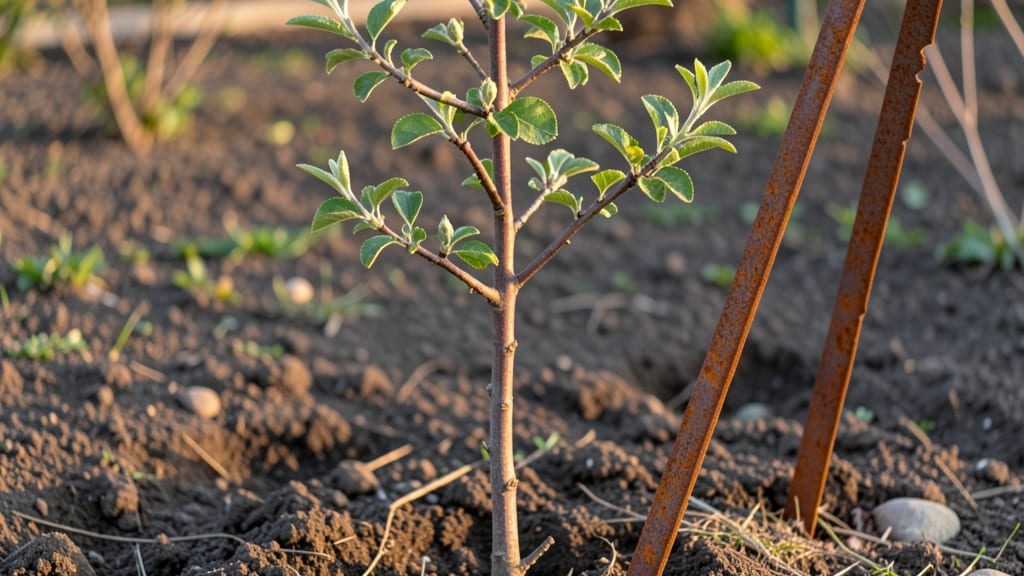
Learn how to remove metal tree stakes from the ground without wrecking your garden or your back. I’ve wrestled with these stubborn anchors in my own garden, and the key is patience, the right tools, and a little elbow grease.
The last thing you want is bent stakes, ripped roots, or a backache from brute force.
You’ll need a sturdy pry bar (or a flathead screwdriver in a pinch), heavy-duty gloves to protect your hands, and a hammer to tap stubborn sections loose. For rusted stakes, WD-40 or penetrating oil works wonders—just spray it around the stake and let it soak in for 10 minutes.
Compacted soil? A garden fork can help break it up without disturbing nearby roots.
Start by prying at the top of the stake to loosen it, working your way down as it emerges. If the soil resists, wiggle the stake side to side while pulling upward—this prevents roots from tearing.
Most stakes come out in 5-10 minutes with this method, and your plants won’t even notice they were there.
Pro tip: Check for buried debris or old wire ties before digging deeper—you don’t want to hit something unexpected. Once the stake’s out, clean the hole with a trowel and refill it with fresh soil. Your garden (and your back) will thank you.
📚 In This Guide
- What you need
- Instructions
- Tips and common mistakes
- Wrapping up and next steps
What you need
- ● Heavy-duty gloves (1 pair) – Protect your hands from sharp edges and rust. Look for mechanic-grade or gardening gloves with reinforced palms.
- ○ Metal tree stake puller (1) – A U-shaped tool designed to grip stakes securely. Optional but highly recommended for stubborn or rusted stakes.
- ● Adjustable wrench or pliers (1) – For stakes with threaded ends or tight fits. A 10-inch or 12-inch wrench works best.
- ● Shovel or digging bar (1) – A flat-head shovel or mattress fork helps loosen compacted soil around the stake.
- ● Hammer or mallet (1) – A rubber mallet (to avoid damaging stakes) or a 16-ounce steel hammer for stubborn cases.
- ● Rust converter or WD-40 (small bottle) – Spray on rusted stakes to loosen corrosion and make removal easier.
- ● Garden hose or bucket of water – Soak the soil around the stake to soften it, especially in dry conditions.
- ● Knee pads – For comfort if you’re working on hard ground for extended periods.
- ● Zip ties or wire – To bundle removed stakes for disposal or recycling.
- ● Post hole digger – If stakes are deeply embedded (e.g., >12 inches).
- ● Safety goggles – Protect your eyes from flying debris if stakes are brittle or rusted.
Step-by-step instructions for removing metal tree stakes safely
Here's how I tackle stubborn metal stakes without bending them or damaging roots.
Gather the Right Tools for the Job
First, grab a sturdy pair of locking pliers or a vice grip—these give you the leverage you need to grip slippery metal without stripping it. I also bring a pry bar or flat-head screwdriver to work between the stake and soil, and a garden hose to soften compacted earth. Wear gloves to protect your hands from sharp edges and rust.
If the stake is deeply embedded, a hacksaw or bolt cutter might be necessary, but I only break those out as a last resort. The key is to avoid excessive force that could snap the stake and leave fragments in the ground. You'll know you're ready when you have all tools within arm's reach and the area is cleared of debris.
Loosen the Soil Around the Stake
Start by wetting the soil around the stake with your garden hose until it's thoroughly damp but not soggy. This helps break up compacted dirt and makes extraction easier. Use the pry bar or screwdriver to gently work between the stake and soil, tapping lightly with a hammer to create separation. You'll feel resistance at first, but persistent tapping will eventually loosen the stake's grip.
If the stake is rusted or has been in place for years, the soil may have hardened into a concrete-like shell. In this case, switch to a garden fork and carefully pry around the stake to break up the soil in small sections. Work methodically—don't rush, as forcing it can bend the stake or damage nearby roots. You'll know you're making progress when the stake begins to wiggle slightly.
Apply Leverage to Remove the Stake
Once the soil is loosened, position the locking pliers or vice grip about 4-6 inches above the ground where the stake is widest. Apply steady pressure while twisting the pliers counterclockwise to break the stake free. If the stake is too thick for the pliers, use the pry bar to create leverage by wedging it between the stake and soil, then pull upward with controlled force. You'll feel the stake give way when the soil finally releases its hold.
If the stake is bent or partially buried, avoid yanking it out—this can leave jagged edges in the ground. Instead, cut the stake at ground level with a hacksaw or bolt cutter, then remove the remaining piece with the pliers. Always check the ground afterward to ensure no sharp fragments remain. A quick sweep with a small hand rake confirms the area is clear.
Clean Up and Inspect the Area
After removing the stake, use the garden fork or your hands to break up any remaining compacted soil and smooth the area. This prevents future planting issues and helps roots grow more easily. If the hole left behind is deep, fill it with fresh soil or compost to encourage new root growth in that spot. You'll notice the soil feels lighter and more workable after this step.
Finally, inspect the stake for any sharp edges or rust that could harm you or future plants. If needed, use a wire brush to clean rust and sand down rough spots. Store the stake in a dry place for future use—or recycle it if it's too damaged. A quick check of the surrounding area ensures no debris or fragments were left behind, leaving you with a clean workspace.
Tips & tricks for removing metal tree stakes safely
Removing metal tree stakes without bending them or damaging roots takes the right approach—and a few key tricks to make the job smoother. Here's what I've learned from tackling these stubborn stakes myself.
Tool Selection Matters: Locking pliers or vice grips are your best friends for gripping slippery metal stakes. I've found that positioning them about 4-6 inches above the ground gives you the best leverage without bending the stake. For extra grip, wrap the pliers with a rubber band or piece of rubber hose—this prevents slipping and protects the metal from damage. If you don't have locking pliers, a sturdy pair of channel locks with rubberized grips works just as well.
Soil Preparation is Key: The damp-but-not-soggy soil technique in Step 2 is crucial for breaking up compacted dirt. I've learned that adding a bit of dish soap to the water helps loosen the soil even more—it acts as a natural lubricant. For really stubborn stakes, I sometimes use a garden fork to gently break up the soil in small sections around the stake, working my way down gradually. This prevents the stake from bending when you finally apply leverage.
Leverage Technique: When applying leverage in Step 3, I always position myself with my feet shoulder-width apart for stability. Twisting the pliers counterclockwise while pulling upward creates a combination of torque and upward force that works better than pulling straight up. If the stake is too thick for your pliers, try using the pry bar to create a fulcrum point—place it between the stake and soil, then pull upward with controlled force. This method distributes the pressure more evenly and reduces the risk of bending.
Cleanup and Safety: After removing the stake, I always do a final sweep with a small hand rake to check for any sharp fragments left in the ground. For rusted stakes, a wire brush makes quick work of cleaning them up, and sandpaper can smooth any rough edges. If you plan to reuse the stake, store it in a dry place with a light coat of oil to prevent further rusting. This small step saves you from dealing with rusted stakes next time you need to remove them.
Pro Tips for Remove Metal Tree Stakes From Ground
- Removing metal tree stakes without bending them or damaging roots takes the right approach—and a few key tricks to ma...
- Tool Selection Matters: Locking pliers or vice grips are your best friends for gripping slippery metal stakes. I've f...
- Soil Preparation is Key: The damp-but-not-soggy soil technique in Step 2 is crucial for breaking up compacted dirt. I...
Frequently asked questions
Got questions about removing metal tree stakes without a fuss?
You’re not alone! Here are answers to the most common concerns—so you can tackle the job with confidence and ease.
When is the best time to remove metal tree stakes?
The ideal time is after your plant is fully established (usually 6–12 months after planting). Remove them in early spring or fall when the ground is soft but not frozen. Avoid winter removal—frozen soil makes stakes harder to pull, and you risk damaging roots. If stakes are rusted or corroded, act sooner to prevent metal degradation.
What if the stakes are too rusted or stuck to pull out?
Rusty or stubborn stakes can be tricky, but don’t force it! First, try soaking the area with penetrating oil or vinegar for 30 minutes to loosen corrosion. Use a pry bar or flathead screwdriver to gently wiggle the stake free. If it snaps, leave the broken piece—it’ll rust away over time. For deep stakes, a hose with high pressure can help dislodge soil around the base.
Will removing stakes hurt my plant’s roots?
Not if done carefully! Metal stakes are non-invasive when removed properly—just pull straight up or at a slight angle to avoid snagging roots. If you’re worried, water the soil first to soften it, making extraction easier. Young plants may need a little extra support for a few days post-removal, but mature roots will handle it just fine.
Are there better alternatives to metal stakes for future use?
If you’re tired of metal stakes, consider biodegradable options like bamboo, wooden stakes, or even plastic tree ties with soft fabric. For heavy plants, coconut fiber or hemp twine wrapped around a sturdy post works wonders. Metal-free stakes eliminate rust and extraction hassles—plus, they’re easier on the planet!
Can I reuse metal stakes after removal?
Reusing stakes is a great idea—just clean and inspect them first. Scrub off rust with a wire brush or sandpaper, then coat with a rust inhibitor (like WD-40 or linseed oil) to extend their life. Avoid bending or dented stakes, as they won’t provide proper support. Store them in a dry place to prevent future corrosion.
Wrapping up and next steps
Removing metal tree stakes doesn’t have to be a struggle—with the right tools and techniques, you can extract them cleanly without damaging your plants or soil. Whether you’re using a pry bar, digging fork, or winch system, patience and precision are key. You’ve got this!
Now that you’re equipped with the know-how, take the next step: reuse those stakes or repurpose them for your next gardening project. Happy digging! 🌱✨