Pruning
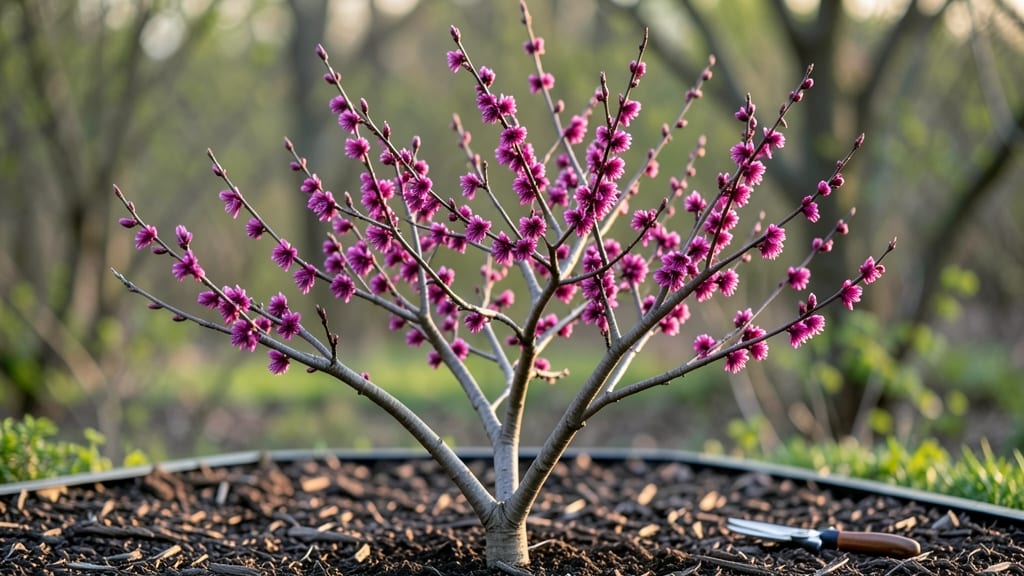
Growing a small red bud tree (Cercis canadensis) means waking up to clouds of pink blooms in early spring—even when frost still lingers. 🌸 This compact, frost-resistant tree thrives in Pacific Northwest gardens where winters test other plants, yet it bursts into life when temperatures barely rise above freezing.
The secret lies in its adaptability: it handles partial shade, tolerates poor soil, and fits neatly into small yards or urban spaces where larger trees would overwhelm.
You’ll need a spot with at least 4-6 hours of sunlight daily, though it handles morning shade better than afternoon heat. Soil doesn’t need to be perfect—just well-draining and slightly acidic to neutral (pH 6.0-7.5).
Mulch helps retain moisture and protect roots from temperature swings, which is especially helpful in PNW’s unpredictable climate. Watering is simple: keep soil moist for the first year, then let nature take over—this tree’s drought-tolerant once established.
Pruning isn’t complicated—just remove dead branches in late winter or early spring before buds swell. The real magic happens when you step back in early April and watch those pink blossoms explode across the branches like confetti.
These flowers attract pollinators, and the heart-shaped leaves add lush green contrast all summer. Even in tight spaces, this tree stays under 15 feet tall, making it ideal for foundation plantings or mixed borders.
Watch for aphids or spider mites, which occasionally target new growth, but a strong spray of water usually clears them up. In colder PNW winters, the tree’s bare branches add texture to winter landscapes—proof that beauty isn’t seasonal.
With minimal care, you’ll have a tree that works as hard as it blooms, year after year.
📚 In This Guide
- What you need
- Instructions
- Tips and common mistakes
- Wrapping up and next steps
What you need
- ● Red bud tree: Choose a Cercis canadensis cultivar (e.g., 'Alba' for white blooms or 'Forest Pansy' for purple foliage). Opt for a 1- to 3-gallon container-grown sapling for best results.
- ● Well-draining soil: Mix 1 part native soil with 1 part compost (for organic matter) and 1 part perlite or coarse sand (to prevent waterlogging).
- ● Mulch: 2–3 inches of wood chips or shredded bark (keep 6 inches away from the trunk to avoid rot).
- ● Slow-release fertilizer: 10-10-10 or 5-10-10 NPK ratio (apply ½ cup per year of tree age in early spring).
- ● Pruning shears: Bypass pruners (sharp, 6–8 inch blades) for small branches.
- ● Loppers: For thicker branches (up to 2 inches)—look for ratcheting or bypass models.
- ● Hand saw: Pruning saw with a curved blade for stubborn stems.
- ● Disinfectant: 70% isopropyl alcohol or bleach solution (1 part bleach to 9 parts water) to sterilize tools between cuts.
- ● Garden gloves: Heavy-duty, cut-resistant (red bud thorns are sharp!).
- ○ Tree wound dressing (optional): Pruning sealant (controversial but useful for large cuts in wet climates).
- ● Sunlight: Full sun to partial shade (6+ hours of direct light daily)—ideal for PNW’s mix of sun and drizzle.
- ● Water access: Drip irrigation or soaker hose (red buds tolerate drought but thrive with consistent moisture in their first year).
- ● Space: 15–20 feet wide and tall at maturity (dwarf cultivars like 'Lavender Twist' stay under 10 feet).
- ● Timing: Plant in early spring or fall (avoid summer heatwaves or winter frosts).
Step-by-Step guide to planting and caring for small red bud trees
Here’s how to establish a thriving small red bud tree in your Pacific Northwest garden—frost-resistant, vibrant, and built to last.
🌱 Step 1: Choose the Right Location and Prepare the Soil
The small red bud tree (Cercis canadensis ‘Alba’ or ‘Forest Pansy’) thrives in full sun to partial shade, with at least 6 hours of direct sunlight daily. In the Pacific Northwest’s cooler climate, a south-facing spot ensures enough warmth for those stunning spring blooms. Avoid low-lying areas where cold air pools—red buds are frost-hardy but prefer good air circulation to prevent fungal issues.
Test your soil’s drainage by digging a 6-inch deep hole. If water pools after 30 minutes, amend the soil with 2-3 inches of compost mixed into the top 12 inches of native soil. Red buds prefer slightly acidic to neutral soil (pH 6.0-7.0). If your soil is heavy clay, blend in 1 part sand to improve drainage. The goal is loose, well-aerated soil that mimics their native woodland edges.
🪴 Step 2: Plant at the Correct Depth and Stake for Support
Dig a hole twice as wide as the tree’s root ball but no deeper—planting too low suffocates roots and invites rot. Gently remove the tree from its container and loosen any circling roots with your fingers. Place it in the hole so the top of the root ball sits level with the surrounding soil—never mound soil against the trunk, which can cause girdling.
Backfill with native soil mixed with compost, tamping lightly every 2 inches to eliminate air pockets. Water deeply to settle the soil, then stake the tree if it’s over 4 feet tall or in a windy area. Use two stakes positioned 6 inches from the trunk and tie with a soft fabric strip (never wire, which cuts into bark). Mulch with 2-3 inches of wood chips, keeping it 6 inches away from the trunk to prevent moisture buildup.
☀️ Step 3: Water Deeply and Monitor for Early Stress Signs
Water once weekly for the first month, providing 1-2 gallons per tree to encourage deep root growth. After establishment, red buds tolerate drought but bloom best with consistent moisture during dry spells. Check soil moisture by inserting your finger 2 inches deep—water when it feels dry. Avoid overhead watering, which can promote fungal diseases like powdery mildew on the delicate leaves.
Watch for yellowing leaves or wilting branches in the first year—these often signal overwatering or poor drainage. If leaves curl or drop prematurely, adjust your watering schedule. Fertilize lightly in early spring with a balanced 10-10-10 formula, but skip fertilizer in the first year unless soil tests reveal deficiencies. Pacific Northwest soils are often nutrient-rich, so red buds rarely need extra feeding.
✂️ Step 4: Prune for Shape and Health After Flowering
Prune small red bud trees in late spring or early summer, right after blooming but before new growth hardens. Remove dead, diseased, or crossing branches first, cutting back to the collateral bud (where two branches meet) to encourage outward growth. Thin out 10-15% of the canopy to improve air circulation—this prevents fungal issues and lets sunlight reach inner branches for even blooming.
Never prune in fall or winter, as it stimulates late-season growth that’s vulnerable to frost. If you must shape the tree, limit cuts to no more than 25% of the canopy in a single season. Red buds bloom on old wood, so avoid heavy pruning that removes flower buds. A well-pruned tree will develop a rounded, balanced shape and produce vibrant pink or purple blooms along its branches for decades.
⏰ Step 5: Protect from Late Frost and Winter Prep
Pacific Northwest gardens can experience late spring frosts after buds swell. If a frost warning occurs when buds are half-open, cover the tree with a lightweight frost cloth at dusk and remove it by 10 AM to prevent overheating. Red buds are hardy to USDA Zone 4, but young trees benefit from mulch protection—add an extra 2 inches of wood chips around the base in fall to insulate roots.
In late winter, inspect the tree for winter burn (brown, crispy leaf edges) caused by dry winds. If needed, apply anti-desiccant spray in December or January to protect tender foliage. Avoid heavy pruning in winter, as it stresses the tree. Instead, focus on removing broken branches and clearing debris from the base to prevent pests like scale insects, which thrive in damp, mulchy conditions.
Tips & tricks for perfect small red bud tree establishment
A few simple strategies will help you avoid common pitfalls and ensure your small red bud thrives in Pacific Northwest conditions.
Site Selection Matters: That 6 hours of direct sunlight is non-negotiable for vibrant blooms, but don't overlook microclimates. Test your chosen spot for at least 3 days before planting—morning sun with afternoon shade often works best in hotter microclimates. I've seen red buds struggle in areas with afternoon sun exposure because the leaves can scorch during our summer heatwaves. Look for areas with natural windbreaks like fences or buildings to reduce stress on young trees.
Root Ball Preparation: When loosening circling roots in Step 2, don't just pull them apart—score the root ball with your fingers at 1-inch intervals around the perimeter. This encourages new root growth outward rather than circling, which can strangle the tree. I learned this the hard way after watching a client's red bud decline from root girdling. Also, if your tree arrives in a plastic pot, cut the container in half vertically before removing it from the hole—this prevents root damage from being pulled out intact.
Watering Wisdom: The once weekly watering schedule assumes average Pacific Northwest conditions, but adjust for your specific climate. In coastal areas with higher humidity, you might only need water every 10-14 days after establishment, while inland areas may require weekly watering even after the first month. I check soil moisture by pushing a 6-inch metal rod into the ground—if it comes out clean, the roots have reached that depth and you can reduce watering. This method gives you a more accurate reading than just finger-testing.
Mulching Mastery: That 2-3 inches of wood chips should be spread in a donut shape around the tree, not piled against the trunk. The mulch should extend out to 2 feet from the trunk to protect surface roots. I've seen gardeners make the mistake of piling mulch right up against the bark, which creates a moist environment perfect for fungal diseases. For extra insulation in winter, consider using cedar mulch—it naturally repels pests while breaking down slowly.
Pro Tips for Small Red Bud Tree
- A few simple strategies will help you avoid common pitfalls and ensure your small red bud thrives in Pacific Northwes...
- Site Selection Matters: That 6 hours of direct sunlight is non-negotiable for vibrant blooms, but don't overlook micr...
- Root Ball Preparation: When loosening circling roots in Step 2, don't just pull them apart—score the root ball with y...
Frequently asked questions
Got questions about nurturing your small red bud tree? You’re not alone! Here are answers to the most common queries—from pruning puzzles to winter worries—so you can keep your tree thriving in the Pacific Northwest’s unique climate.
When is the best time to prune a small red bud tree?
Prune your red bud tree right after flowering (late spring) to avoid cutting off next year’s blooms. Avoid heavy pruning in fall or winter, as it can stimulate late-season growth vulnerable to frost. Light shaping in early spring is fine, but focus on removing dead or crossing branches. Pro tip: Use sterilized tools to prevent disease!
How cold-hardy is the small red bud tree, and how do I protect it from PNW frost?
The small red bud tree (Cercis canadensis) is USDA zones 4–9 hardy, but young trees or tender new growth may need extra care in the PNW’s unpredictable winters. Mulch heavily around the base (3–4 inches) and wrap the trunk with burlap if temps dip below 10°F. Water deeply before the first frost to help roots withstand cold.
Why aren’t my red buds blooming, even though the tree looks healthy?
Red bud trees bloom on old wood, so heavy pruning in late winter can remove next year’s flowers. Other culprits:
- Age: Young trees (under 3 years) may not bloom yet.
- Sunlight: Ensure 6+ hours of sun daily.
- Nutrients: A balanced fertilizer in early spring can help.
What are some low-maintenance alternatives to red bud trees for PNW gardens?
If red buds seem high-maintenance, consider these frost-resistant, low-fuss PNW natives:
- Pacific dogwood (Cornus nuttallii) – Stunning spring blooms, thrives in shade.
- Oregon grape (Mahonia aquifolium) – Evergreen, drought-tolerant, and pollinator-friendly.
- Vine maple (Acer circinatum) – Compact, colorful foliage, and adaptable.
My red bud tree’s leaves are yellowing—what’s wrong?
Yellow leaves usually signal overwatering, nutrient deficiency, or fungal issues. Check the soil:
- If soggy, reduce watering and improve drainage.
- If dry, water deeply but less frequently.
- For yellowing with brown edges, test for chlorosis (iron deficiency) common in alkaline soils. Amend soil with compost or use a chelated iron supplement.
Wrapping up and next steps
The small red bud tree is a stunning, low-maintenance addition to Pacific Northwest gardens, offering vibrant spring blooms and year-round charm. With its frost-resistant nature and easy-care requirements, it’s perfect for both beginners and seasoned gardeners alike—just remember to prune wisely for optimal growth and flowering.
Ready to transform your outdoor space? Start by selecting the perfect spot—one with well-draining soil and partial sun—and watch your red bud tree thrive! 🌸✨