
Pruning
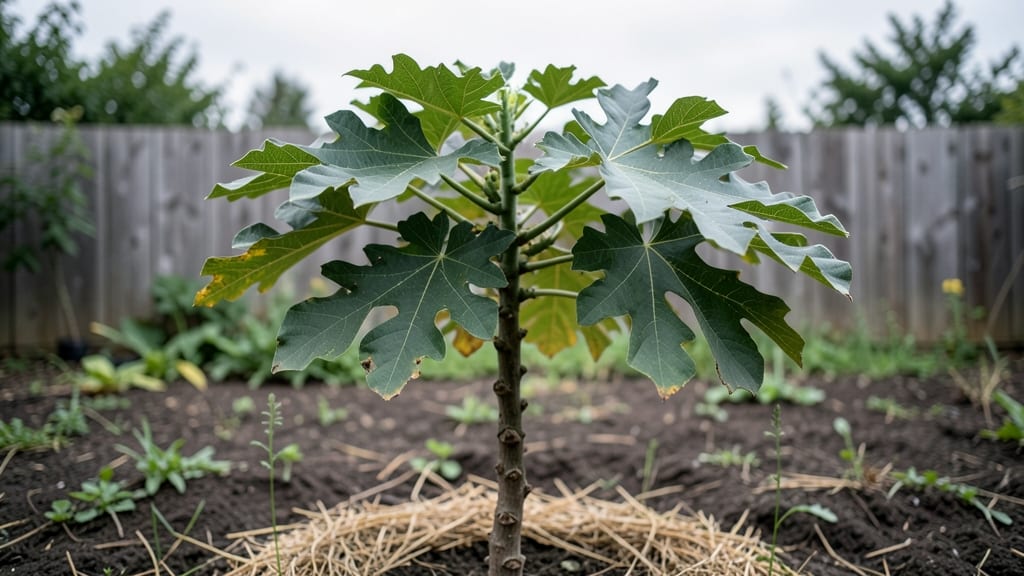
Growing a small jackfruit tree in the Pacific Northwest isn’t just possible—it’s rewarding when you start with the right dwarf variety and pruning plan. 🌿 I’ve watched my Artocarpuis heterophyllus "Mammoth" grow from a 3-foot sapling to a manageable 8-foot tree in just four years, all while keeping it productive and compact.
The key isn’t just trimming branches—it’s shaping the tree’s future from day one, balancing its tropical roots with our cooler climate.
You’ll need sharp pruning shears, a sturdy ladder (for higher branches), and a clear understanding of the tree’s growth habit. Pacific Northwest gardeners often struggle with jackfruit’s rapid growth and sensitivity to cold snaps, but dwarf varieties like "Mammoth" or "Golden Ice" handle our summers better than you’d expect.
The real secret? Pruning in late winter to remove dead wood while encouraging new, sturdy branches that can handle our wet winters without rotting.
By year four, you’ll have a tree that produces heavy, fragrant fruit while staying small enough for a backyard—no orchard needed.
The pruned branches will reveal a dense canopy of glossy leaves, and the fruit (yes, even in PNW summers) will ripen to a sweet, custard-like texture that’s worth every careful cut. The trade-off?
You’ll sacrifice some height for better fruit access and easier harvests, but the payoff is a tropical treat without the tropical space.
This method works for containers too—just choose a variety like "Singapore Golden" and a 15-gallon pot with drainage. The same pruning rules apply, but you’ll need to winter-protect the pot in zones colder than 9. Let’s get those branches shaped before they outgrow your garden!
📚 In This Guide
- What you need
- Instructions
- Tips and common mistakes
- Wrapping up and next steps
What you need
- ● Pruning shears: Bypass pruners (sharp, clean, and sterilized with rubbing alcohol) for cuts under ½ inch thick. Quantity: 1 pair.
- ● Loppers: For branches ½ to 2 inches thick. Quantity: 1 pair (with a ratcheting mechanism for ease).
- ● Pruning saw: For thick branches (2+ inches). Specs: Curved blade for clean cuts. Quantity: 1.
- ● Disposable gloves: Heavy-duty, nitrile-coated to protect from thorns and sap. Quantity: 1 pair.
- ○ Pruning sealant: Optional but helpful for sealing large cuts (e.g., Tanglefoot Tree Wound Pruning Seal). Quantity: Small bottle.
- ● Cleaning supplies: Rubbing alcohol (70%+), paper towels, and a small spray bottle for sterilizing tools.
- ● Ladder or step stool: Sturdy, non-slip (e.g., Little Giant or Truper brands). Height: At least 10–12 feet for mature trees.
- ● Extension pole: For high branches (e.g., Fiskars 36-inch pruner). Quantity: 1.
- ○ Tarp or drop cloth: To catch debris (5’x5’ minimum). Optional: Heavy-duty plastic sheeting.
- ● Marking twine or tape: For tagging branches to remove (e.g., bright orange for visibility). Quantity: 50+ feet.
- ● Sharpie or paint: To label cuts (e.g., waterproof marker for outdoor use).
- ● Timing: Prune during dormant season (late fall/winter) or early spring (before buds swell). Avoid summer in PNW’s humid climate to prevent disease.
- ● Weather: Choose a dry, overcast day (no rain for 24+ hours before/after pruning).
- ● Safety gear: Safety glasses (for debris) and long sleeves/pants (jackfruit thorns are no joke!).
- ● Tree health check: Inspect for pests (e.g., fruit flies) or diseases (e.g., anthracnose) before pruning. Report issues to your local PNW Cooperative Extension.
Step-by-Step instructions for pruning a small jackfruit tree
Here's the seasonal pruning system I've refined over years in the Pacific Northwest's mild, wet climate.
✂️ Step 1: Assess Growth Structure in Early Spring
Begin pruning in late February to early March when new growth is just starting to swell but before active leafing. Look for three key structural elements: the central leader (main vertical trunk), scaffold branches (major horizontal limbs), and water sprouts (fast-growing vertical shoots). I always start by removing dead or crossing branches first—these compete with healthy growth and create entry points for fungal infections.
Use sharp, clean pruning shears to make cuts just above a bud or lateral branch at a 45-degree angle. This encourages outward growth rather than leaving stubs that invite disease. In the PNW's damp climate, sterilize your tools with 70% rubbing alcohol between cuts to prevent bacterial spread. You'll notice vigorous new shoots emerging from the base—these are your tree's energy reserves pushing upward.
🌿 Step 2: Thin Canopy for Airflow in Late Spring
By mid-May, when the tree has developed 3-4 sets of mature leaves, focus on thinning the canopy to improve light penetration and airflow. Remove 30-40% of the inner foliage, targeting branches that grow inward or upward. I prioritize branches that are thinner than a pencil—these rarely produce fruit and compete with stronger limbs. Make your cuts just outside the branch collar where it meets the trunk.
Watch for epicormic buds (small buds along the trunk) that may sprout after heavy pruning. These indicate the tree is stressed but also show its resilience. In the PNW, where humidity lingers, avoid over-thinning—leave enough foliage to maintain photosynthesis. You'll see new shoots forming within 2-3 weeks as the tree responds to increased light exposure.
☀️ Step 3: Shape for Fruit Production in Early Summer
Once the tree enters active flowering stage (late June to early July), shift focus to shaping for fruit production. Select 4-6 strong scaffold branches spaced evenly around the trunk, removing weaker competitors. Prune back any branches that grow at less than a 45-degree angle from the trunk—these rarely bear fruit and create awkward growth patterns. Use hand pruners for branches under ½ inch thick and a pruning saw for thicker limbs.
The PNW's cool summers mean jackfruit trees often struggle with fruit set, so I leave one or two flower clusters per branch to ensure energy isn't wasted on too many blooms. You'll notice small, fuzzy flower buds forming—these will develop into fruit within 8-10 weeks if pollinated properly. After pruning, apply a balanced 10-10-10 fertilizer around the drip line to support new growth.
⏰ Step 4: Light Maintenance in Fall and Winter
From October through February, limit pruning to light maintenance only. Remove any dead, diseased, or broken branches immediately, but avoid heavy structural cuts during dormancy. In the PNW's wet winters, focus on sanitation pruning—cutting back any branches showing signs of sooty mold or fungal growth (black, velvety coatings). Dispose of these clippings in the trash, not your compost.
This is also the time to winterize your tools—clean and oil pruning shears, then store them in a dry place. You'll see fewer new shoots forming during this period, but any that appear should be pinched back to encourage stronger growth in spring. The tree's energy is now focused on root development, preparing for next year's flush of new growth.
Tips & tricks for perfect small jackfruit tree pruning
Mastering the art of pruning your jackfruit tree in the Pacific Northwest's unique climate takes patience and precision—here are the insights I've learned after years of trial and error.
Timing is Everything: The late February to early March window for Step 1 is critical because it catches the tree in its dormant yet awakening state. If you prune too early, you risk damaging tender buds just starting to swell; too late, and you'll interfere with the tree's natural energy buildup for spring growth. I've found that pruning on a slightly overcast day minimizes stress on the tree—direct sunlight after pruning can cause unnecessary water loss through the fresh cuts.
Tool Preparation Matters: Sterilizing your pruning shears with 70% rubbing alcohol between cuts in Step 1 isn't just about sanitation—it's about protecting your investment. The PNW's damp climate creates perfect conditions for fungal infections to spread through open wounds. I keep a small spray bottle of the alcohol solution handy and wipe down tools after every 3-4 cuts, especially when working with crossing branches that might harbor hidden pathogens.
Visual Cues for Canopy Thinning: When you're thinning the canopy in Step 2, look for branches that create a "V" shape when viewed from above—these are your inward-growing culprits. I also check for branches that are thinner than a pencil by holding them next to my thumb; these are prime candidates for removal. The goal is to create an open center that allows sunlight to reach the inner branches while maintaining the tree's natural shape. You'll know you've achieved the right balance when you can see light filtering through the canopy on a sunny day.
Fruit Production Strategy: In Step 3, when shaping for fruit production, focus on creating an open vase shape rather than a dense canopy. This allows better air circulation, which is crucial in the PNW's humid climate. I've found that leaving one or two flower clusters per branch gives the tree enough energy to develop quality fruit without overburdening individual limbs. After pruning, I always make a note of which branches I've worked on so I can monitor their response during the 8-10 week fruit development period.
Pro Tips for Small Jackfruit Tree
- Mastering the art of pruning your jackfruit tree in the Pacific Northwest's unique climate takes patience and precision—here are the insights I've learned after years of trial and error.
- Timing is Everything: The late February to early March window for Step 1 is critical because it catches the tree in its dormant yet awakening state.
- Tool Preparation Matters: Sterilizing your pruning shears with 70% rubbing alcohol between cuts in Step 1 isn't just about sanitation—it's about protecting your investment.
Frequently asked questions
Got questions about pruning your small jackfruit tree in the Pacific Northwest? You’re not alone! Here are answers to the most common concerns—from timing to troubleshooting—to keep your tree thriving for years to come.
When is the best time to prune a young jackfruit tree?
Prune your small jackfruit tree in late winter or early spring (February–March in PNW climates) before new growth starts. Avoid heavy pruning in fall—it can stimulate tender shoots vulnerable to cold snaps. Light shaping in summer is fine, but focus on removing dead or crossing branches. Pro tip: If pruning late, do it at least 6 weeks before the first frost to allow wounds to heal.
How cold can a small jackfruit tree tolerate?
Jackfruit trees (Artocarpus heterophyllus) are tropical and struggle below 25°F (-4°C). In the PNW, grow yours in containers or microclimates (e.g., near south-facing walls) and prune aggressively to protect the trunk. If temps drop below 20°F (-7°C), expect leaf drop or dieback—but the tree often recovers with proper care. Mulch heavily and use frost cloth for extra protection.
Can I prune too much? What are the signs?
Yes! Over-pruning stresses your tree, leading to stunted growth, fewer fruits, or weak branches. Signs include excessive leaf drop, sparse foliage, or no new shoots after pruning. For a 4-year-old jackfruit, never remove more than 20–25% of the canopy in one session. Focus on structural shaping and deadwood removal—avoid "topping" (cutting back to stubs).
Should I remove all the suckers (shoots) at the base?
Not necessarily! Suckers are the tree’s way of regenerating. Remove only the weakest or crowded ones—keep 2–3 strong, healthy shoots to ensure vigor. If your jackfruit is young (<4 years), leave 1–2 suckers to encourage bushier growth. For older trees, thin them out to reduce competition for nutrients.
What if my jackfruit tree isn’t fruiting after pruning?
Jackfruit trees often take 5–7 years to bear fruit, but pruning can delay this. If your 4-year-old tree isn’t fruiting, check these fixes:
- Light pruning: Heavy cuts can reduce flowering. Stick to 10–15% canopy removal annually.
- Fertilizer: Jackfruit loves potassium and phosphorus. Use a balanced tropical fertilizer (e.g., 6-6-6) in spring.
- Pollination: Hand-pollinate flowers with a soft brush if bees are scarce.
- Patience: Some varieties (like ‘Golden Ice’) fruit earlier than others.
Wrapping up and next steps
Growing a small jackfruit tree in the Pacific Northwest is totally doable with the right pruning plan! By following a four-year blueprint, you’ll shape a healthy, productive tree while keeping it manageable—even in cooler climates. The key? Patience, consistency, and seasonal adjustments to encourage fruit-bearing branches and strong growth.
Ready to take the next step? Start by reviewing your tree’s growth stage and scheduling your first pruning session—whether it’s winter dormancy or early spring. With each trim, you’re not just shaping a tree; you’re cultivating a future harvest! 🌱✂️