
Pruning
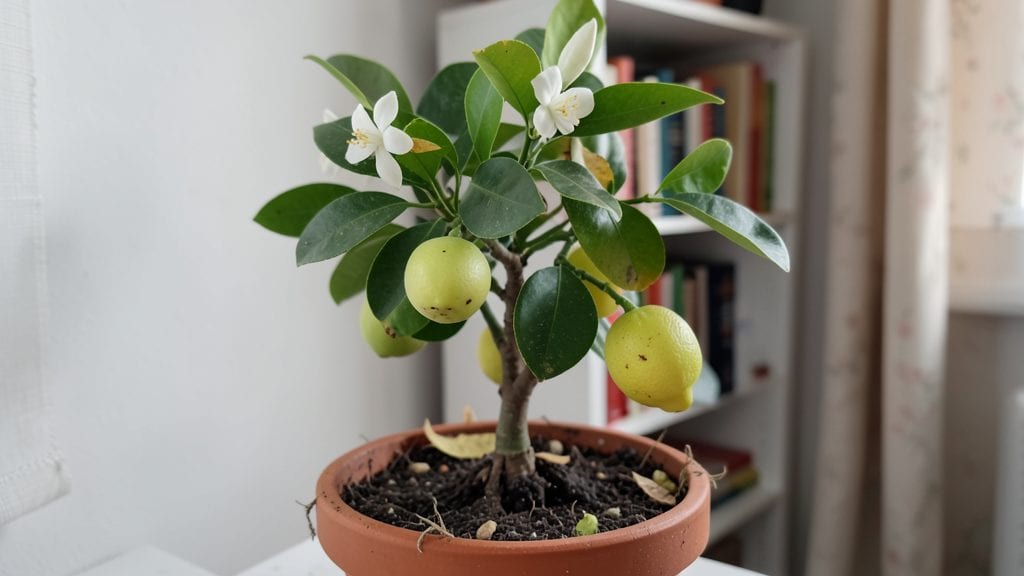
A year-round indoor lemon tree starts with the right light, soil, and a little patience—but the first ripe fruit is worth every effort. I’ve grown mine from a tiny nursery seedling to a fruit-bearing tree on my kitchen windowsill, and the key isn’t complicated: mimic its Mediterranean roots indoors.
The trick is balancing bright light, occasional pruning, and a watering routine that keeps roots happy without drowning them. You’ll smell that fresh citrus scent within months, and the first tiny lemon? That’s the moment you’ll understand why it’s all worth it.
Most people assume indoor lemon trees need constant care, but they’re surprisingly forgiving. Start with a 6-inch pot and well-draining potting mix—cactus or succulent blends work great—then place it near a south-facing window where it gets 6-8 hours of sunlight daily.
If your space is dim, a grow light for 12-14 hours bridges the gap. Water when the top inch of soil feels dry, and fertilize lightly every 4-6 weeks with a citrus-specific feed. The goal? Healthy leaves that stay glossy and dark green, not yellow or crispy.
Pruning isn’t about shaping (unless you want a bonsai-style tree)—it’s about encouraging fruit. Trim back leggy growth in early spring to 3-4 main branches, and pinch off any suckers growing from the trunk. This redirects energy to flowering and fruiting.
Within a year, you’ll see clusters of tiny white blossoms, and if pollinated (even by a gentle finger tap), those will turn into lemons. The first harvest might be small, but it’s the start of a citrus habit that lasts decades.
Here’s the secret no one tells you: indoor lemon trees thrive on routine. They’re not high-maintenance—they’re low-effort-with-high-rewards plants. The real work is in the first few months of setup, after which they reward you with fragrant leaves, occasional blooms, and (eventually) fruit with minimal fuss.
Ready to turn your kitchen into a citrus grove? Let’s get those roots growing.
📚 In This Guide
- What you need
- Instructions
- Tips and common mistakes
- Wrapping up and next steps
What you need
- ● Lemon tree (Citrus × limon) – Choose a dwarf variety (like 'Meyer' or 'Improved Meyer') for indoor spaces. Nurseries or online stores sell potted saplings.
- ● Well-draining potting mix – A blend of 50% peat or coconut coir, 30% perlite or pumice, and 20% sand or orchid bark. Avoid garden soil—it compacts and suffocates roots!
- ● Pot with drainage holes – A 12–16-inch diameter container (or slightly larger) with drainage holes to prevent root rot. Terracotta or ceramic works best.
- ● Pruning tools – Sharp bypass pruners (for cutting branches) and sterilized scissors (for trimming leaves).
- ● Fertilizer – A balanced citrus fertilizer (e.g., 6-6-6 or 8-3-9 NPK ratio) or organic options like fish emulsion or compost tea.
- ○ Grow lights (optional but recommended) – A full-spectrum LED grow light (12–16 hours/day) if natural light is insufficient (south-facing window is ideal).
- ● Misting bottle or humidifier – Lemon trees love humidity! A 50–70% humidity level keeps leaves lush.
- ● Rooting hormone – Speeds up propagation if you’re growing from cuttings.
- ● Support stakes or trellis – Helps shape the tree as it grows taller.
- ● pH test kit – Ensures soil pH stays between 6.0–7.0 (lemon trees prefer slightly acidic soil).
- ● Slow-release fertilizer tablets – Convenient for timed nutrient release.
- ● Pest control spray – Neem oil or insecticidal soap to tackle aphids, spider mites, or scale.
Step-by-Step instructions for growing an indoor lemon tree
Here's my foolproof method for nurturing a thriving indoor lemon tree that bears fruit year-round.
Select the Right Variety and Healthy Nursery Stock
Choose a dwarf variety like 'Meyer' or 'Eureka'—they're perfect for containers and produce fruit reliably indoors. Look for a young tree with a sturdy trunk and vibrant green leaves. Avoid plants with yellowing foliage or soft stems, as these often indicate root rot or pest issues from poor nursery conditions.
I always inspect the soil before bringing it home. Healthy roots should be white or light tan, not brown or mushy. If the roots are circling tightly in the pot, gently tease them apart to encourage outward growth. This prevents the tree from becoming root-bound too quickly, which stunts its development.
Prepare the Pot and Soil for Optimal Growth
Use a container with drainage holes that's at least 12 inches wide and deep enough to accommodate the root ball plus 2-3 inches of fresh potting mix. I prefer terracotta pots because they wick away excess moisture, preventing the soil from staying soggy—a common killer of indoor citrus.
Fill the bottom third of the pot with a well-draining cactus/succulent mix to improve aeration. Then, add a high-quality citrus potting mix (or blend equal parts potting soil, perlite, and compost) until the tree sits at the same soil level as it did in the nursery pot. Water lightly to settle the soil before planting.
Position the Tree for Maximum Light Exposure
Lemon trees need 6-8 hours of bright, indirect sunlight daily. Place your tree near a south- or west-facing window where it can bask in gentle morning or afternoon light. Direct midday sun can scorch the leaves, so if you notice crispy edges, move it back a few feet.
If natural light is insufficient, supplement with a full-spectrum LED grow light positioned 12-18 inches above the tree. Keep the light on for 14-16 hours per day to mimic long summer days. Rotate the pot a quarter turn weekly so the tree grows evenly toward the light source.
Establish a Consistent Watering and Fertilizing Routine
Water when the top 2 inches of soil feel dry, typically every 7-10 days in winter and every 5-7 days in summer. Stick your finger in the soil—if it's damp below the surface, wait another day. Overwatering is the #1 cause of indoor lemon tree failure.
Feed your tree with a balanced citrus fertilizer (10-10-10 or 8-3-9) every 4-6 weeks during spring and summer. Reduce feeding in fall and winter, when growth slows. I always dilute the fertilizer to half-strength to avoid burning tender roots. Watch for new leaf growth—this is your signal the tree is thriving.
Prune Strategically to Encourage Fruit Production
Prune lightly in late winter or early spring to shape the tree and remove any dead or crossing branches. Use sterilized pruning shears to make clean cuts just above a leaf node. Avoid heavy pruning—you only want to remove no more than 20% of the foliage at a time.
Focus on opening the center of the tree to improve air circulation, which reduces humidity-related diseases. Pinch back new growth by a third to encourage bushier, more productive branches. If you see flower buds forming, leave them—each bloom has the potential to become a sweet lemon!
Tips & tricks for perfect indoor lemon tree cultivation
Here's what I've learned after nurturing multiple lemon trees—these simple strategies make all the difference between a struggling plant and a thriving citrus producer.
Root Inspection Tip: When selecting your nursery tree, pay special attention to the roots in Step 1. Healthy roots should be white or light tan, not brown or mushy—this is your first indicator of plant health. If you notice roots circling tightly in the pot, gently tease them apart before planting. This prevents root-bound issues that can stunt growth for months, and it's a step many beginner gardeners overlook.
Light Exposure Strategy: The 6-8 hours of bright, indirect sunlight mentioned in Step 3 is non-negotiable, but here's the secret: position your tree so it gets morning sun through the east-facing window and afternoon sun through the west-facing window. This creates a natural light gradient that mimics outdoor conditions. If you're using grow lights, place them 12-18 inches above the tree and rotate the pot a quarter turn weekly—this prevents the tree from leaning toward one light source and growing unevenly.
Watering Wisdom: The finger test in Step 4 is crucial, but here's what nobody tells you: check soil moisture at the same time every day to establish a routine. I always check in the morning before watering—this prevents overwatering during the night when plants naturally respire less. In winter, when you're watering every 7-10 days, let the top 2-3 inches dry out completely between waterings to prevent root rot in the cooler months.
Pruning Precision: When pruning in late winter or early spring as described in Step 5, focus on creating an open center rather than just shaping the tree. This improves air circulation, which is critical for preventing fungal diseases that thrive in humid indoor environments. Remember the 20% rule—never remove more than one-fifth of the foliage at once, as this stresses the tree and can reduce fruit production for the following season.
Pro Tips for Indoor Lemon Tree
- Here's what I've learned after nurturing multiple lemon trees—these simple strategies make all the difference between a struggling plant and a thriving citrus producer.
- Root Inspection Tip: When selecting your nursery tree, pay special attention to the roots in Step 1.
- This creates a natural light gradient that mimics outdoor conditions.
Frequently asked questions
Got questions about keeping your indoor lemon tree thriving? You’re not alone! Here are answers to the most common queries—from pruning to troubleshooting—so you can enjoy fresh citrus year-round with confidence.
How often should I prune my indoor lemon tree?
Prune your lemon tree lightly every 3–4 months to encourage bushier growth and better fruit production. Focus on removing dead, yellowing, or overcrowded branches. Avoid heavy pruning—just trim back by 10–20% of the plant’s total volume. Pro tip: Prune after flowering (late winter/early spring) to avoid disrupting fruit set.
When is the best time to harvest lemons from an indoor tree?
Harvest lemons when they’re fully colored (yellow or green-yellow) and slightly soft to the touch—usually 6–12 months after flowering. Indoor trees may produce smaller fruit than outdoor varieties, but they’re just as flavorful! Use pruning shears to snip stems cleanly. Fun fact: Overripe lemons can be used for lemon curd or zest!
Why are my lemon tree leaves turning yellow?
Yellow leaves often signal overwatering, nutrient deficiencies, or pests. Check the soil—it should be slightly dry between waterings. Yellowing edges? Boost iron with a citrus-specific fertilizer. Brown spots + sticky residue? Scale insects may be the culprit—wipe leaves with soapy water and isolate the plant.
Can I grow a lemon tree from a store-bought lemon?
Save the seeds from a seedless lemon (like Eureka or Meyer), dry them for 2–3 days, then plant in moist potting mix. Germination takes 2–4 weeks and patience—these trees grow slowly. Warning: Seed-grown trees may take 3–5 years to bear fruit, so grafting a nursery tree is faster for pruning-friendly results.
What’s the best alternative if my lemon tree isn’t fruiting?
If your tree isn’t producing lemons, try these fixes:
- Light: Move it to a south-facing window or use a grow light (12+ hours/day).
- Pollination: Gently shake branches or use a paintbrush to transfer pollen between flowers.
- Fertilizer: Switch to a citrus-specific feed with low nitrogen (e.g., 6-6-6 ratio) to encourage blooming.
- Variety: Consider Meyer lemon trees—they’re more cold-tolerant and fruit reliably indoors!
How do I revive a drooping indoor lemon tree?
Act fast! Drooping often means root rot (overwatering) or underwatering. First, check the soil:
- Too wet? Repot in fresh, well-draining mix and trim mushy roots.
- Too dry? Water deeply and place the pot in a tray of pebbles to boost humidity.
Wrapping up and next steps
Growing an indoor lemon tree is a rewarding journey that brings fresh citrus to your home with minimal effort! With the right light, soil, and pruning techniques, you’ll enjoy fragrant blooms and juicy lemons year-round.
Remember, consistency is key—whether it’s trimming for shape or troubleshooting pests, your plant will thrive with love and attention.
Ready to take the next step? Start small—pick one task from this guide, like pruning or repotting, and watch your lemon tree flourish! 🌱✨ Happy growing!