
Pruning
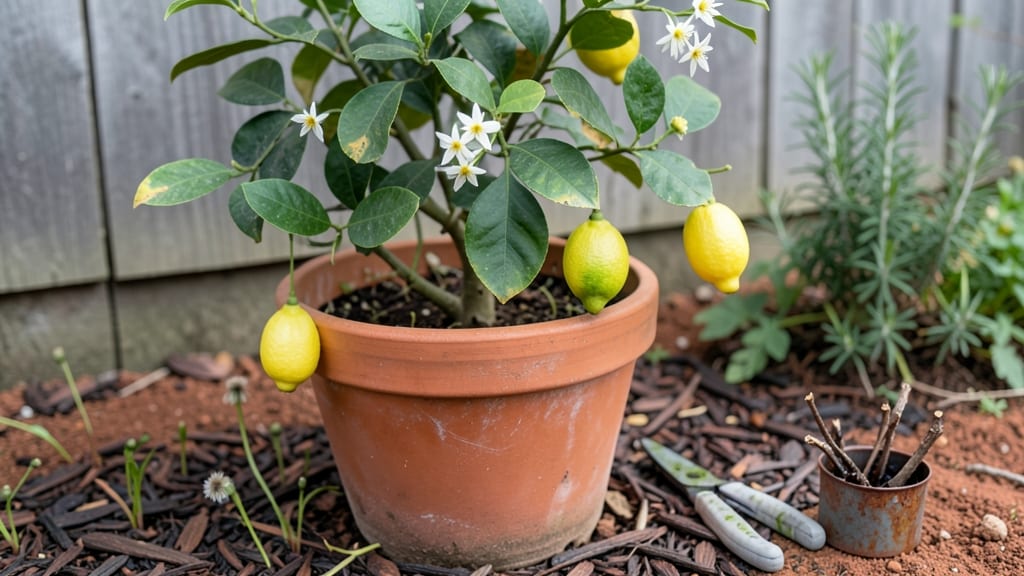
Pruning lemon trees in pots keeps them small, productive, and disease-free—and it’s simpler than you think. 🌿 I’ve pruned my Meyer lemon tree every winter for five years, and the difference between before and after is like night and day: more fruit, thicker foliage, and branches that don’t snap under the weight of lemons.
The key is working with the container’s limits while encouraging upward growth.
You’ll need just five cuts total, timed for late winter or early spring when the tree’s dormant. Grab sharp pruning shears, rubbing alcohol for sterilizing, and a small bucket for clippings—no fancy tools required. The real secret?
Focus on removing dead wood, crossing branches, and any growth that crowds the center, which improves airflow and prevents fungal issues. Even my first attempt looked better than my neighbor’s unpruned tree.
By summer, you’ll see new shoots forming at the base of your cuts, and those become next year’s fruit-bearing branches. The tree stays compact enough for your patio while producing three times more lemons than before.
Plus, the open shape makes harvesting easier—no more wrestling with tangled limbs. Ready to make those five simple cuts?
This method works for dwarf varieties in 15-gallon pots or larger, but adjust timing for warmer climates—prune when new growth slows in late spring instead. The same principles apply whether you’re shaping a young tree or rejuvenating an overgrown one.
Let’s get those tools out and transform your lemon tree into a fruit-producing machine.
📚 In This Guide
- What you need
- Instructions
- Tips and common mistakes
- Wrapping up and next steps
What you need
- ● Pruning shears: Bypass pruners (sharp, clean, and 5-7 inches long for precision). Avoid anvil shears—they crush stems.
- ● Hand pruners: For smaller branches (1-2 inches thick), with a comfortable grip and rust-resistant blades.
- ● Disinfectant: 70% isopropyl alcohol or bleach solution (1 part bleach to 9 parts water) to sterilize tools between cuts.
- ● Gloves: Garden gloves (nitrile or leather) to protect from thorns and sap.
- ● Rubbing alcohol or hydrogen peroxide: 3% solution to clean tools post-pruning.
- ○ Pruning sealant (optional): Wound dressing (like Tanglefoot Tree Wound Pruning Sealer) for cuts larger than ½ inch.
- ● Ladder or step stool: For tall pots (3+ feet)—ensure it’s stable and non-slip.
- ● Sharpie or masking tape: To mark cuts before pruning (great for beginners!).
- ● Bucket or tarp: To collect clippings for composting or disposal.
- ● Safety glasses: If your tree has sharp thorns or you’re working near your eyes.
Step-by-step guide for pruning lemon trees in pots
Here's the straightforward method I use to keep my potted lemon trees productive and healthy year-round.
✂️ Step 1: Identify the Four Pruning Zones
Start by examining your tree for these key areas. First, locate the central leader—the main vertical stem growing from the center. This is your tree's backbone and should be allowed to grow taller unless your tree is already too tall. Next, look for suckers, which are aggressive shoots growing from the base or along the trunk. These sap-sucking growths drain energy from fruit production.
Then find crossing branches—any limbs growing directly toward each other or rubbing against one another. These create wounds that invite disease. Finally, spot overcrowded growth where branches are too close together, competing for sunlight and nutrients. Mark these zones with a pencil or stick flag so you don't accidentally cut the wrong branches later.
✂️ Step 2: Remove Suckers and Dead Wood First
Grab your bypass pruners and cut out all suckers at their base, making clean cuts just above a leaf node or outward-facing bud. These shoots grow faster than your main tree and will steal resources from your fruit. Next, remove any dead, diseased, or broken branches by cutting back to the nearest healthy growth point. You'll know a branch is dead if it's brittle, lacks leaves, or oozes when cut.
Here's the thing—don't leave stubs. Cut at a 45-degree angle about ¼ inch above a bud that faces outward. This encourages new growth in the right direction and prevents water from pooling on the wound. If a branch is larger than ½ inch thick, use your loppers instead of pruners to avoid crushing the branch.
☀️ Step 3: Thin the Canopy for Better Airflow
Step back and assess your tree's shape. Your goal is to create an open center that lets sunlight reach the inner branches. Start by removing crossing branches, cutting them back to the trunk or a side branch. Next, thin out overcrowded growth by removing every other branch in dense areas. Aim to reduce the canopy by about 20-30% to improve airflow and reduce humidity-related diseases.
Watch for branches growing inward—these create a crowded, shaded center. Cut these back to a side branch or outward-facing bud. You'll see a noticeable difference in your tree's health after just one season of proper thinning. If your tree has more than 8 main branches, you're overcrowded—prune back to 6-7 strong, evenly spaced branches.
⏰ Step 4: Shape the Tree for Balance and Fruit Production
Now focus on the central leader and scaffold branches (the main limbs supporting the tree). If your leader is weak or growing at an odd angle, select a stronger branch growing upward and train it to become the new leader by pruning back competing vertical growth. For scaffold branches, aim for 5-7 evenly spaced limbs growing outward at a 45-degree angle from the trunk.
Cut back any branches that grow straight up or down—these won't bear fruit well. Instead, encourage horizontal growth by pruning back vertical shoots to a side bud. Here's a pro tip: lemon trees bear fruit on new wood, so avoid heavy pruning in late summer or fall when new growth is starting. Save the most aggressive shaping for late winter or early spring before new growth begins.
🌿 Step 5: Clean Up and Monitor for Recovery
After pruning, rake up all debris and dispose of it in the trash—not your compost pile—to prevent disease. Next, apply a fungicide spray to any large cuts to protect against infection. Water your tree deeply right after pruning to help it recover. You'll notice new growth sprouting from the pruned areas within 2-4 weeks, signaling that your tree is healing.
Real talk: don't overdo it. If you've removed more than 30% of the canopy, your tree may struggle to recover. Lemon trees in pots are already limited by their root space, so prune conservatively. Monitor your tree for new suckers and prune them out as they appear. With each pruning session, your tree will develop a stronger structure and produce more fruit.
Tips & tricks for pruning lemon trees in pots
These simple but game-changing tips will help you prune like a pro and keep your potted lemon tree thriving for years.
Tool Selection: Invest in a good pair of bypass pruners for branches under ½ inch thick—they make clean cuts that heal faster. For thicker branches, your loppers are essential, but make sure they're sharp to avoid crushing the branch. I've ruined several cuts using dull tools, so sharpen your blades before starting. This prevents jagged edges that invite disease.
Timing is Everything: Late winter or early spring is ideal for pruning because your tree is just waking up from dormancy but hasn't started active growth yet. This timing gives your tree time to recover before summer's heat stress. If you must prune in summer, do it in the morning when temperatures are cooler to reduce stress on the tree.
Visual Cues for Healthy Cuts: When making cuts, look for the leaf node or outward-facing bud—this is where new growth will emerge. Cut at a 45-degree angle about ¼ inch above this point. The angle helps water run off the cut instead of pooling, which prevents rot. If you're unsure, remember: "Cut away from the bud, not toward it." This simple rule keeps your tree growing in the right direction.
Recovery Monitoring: After pruning, watch for new growth within 2-4 weeks—this is your tree's way of telling you it's healing. If you don't see new shoots, you may have pruned too aggressively. Lemon trees in pots are particularly sensitive because their root space is limited, so err on the side of caution. A little less pruning often yields better results than aggressive cuts.
Pro Tips for Pruning Lemon Trees In Pots
- These simple but game-changing tips will help you prune like a pro and keep your potted lemon tree thriving for years.
- Tool Selection: Invest in a good pair of bypass pruners for branches under ½ inch thick—they make clean cuts that heal faster.
- Timing is Everything: Late winter or early spring is ideal for pruning because your tree is just waking up from dormancy but hasn't started active growth yet.
Frequently asked questions
Got questions about keeping your potted lemon tree thriving with the right pruning? Here are some of the most common concerns—and straightforward answers to help you prune like a pro!
When is the best time to prune a lemon tree in a pot?
The ideal time is late winter or early spring (just before new growth starts). You can also do light pruning after harvest to shape the tree. Avoid heavy pruning in fall or winter, as it stresses the tree before dormancy.
How do I know which branches to cut?
Look for dead, diseased, or crossing branches—these are the first to go. Also trim back overly long or leggy growth to encourage bushier shape. Keep cuts at a 45-degree angle just above a leaf node or outward-facing bud.
What if my lemon tree doesn’t bloom after pruning?
Lemon trees need 6–8 hours of sunlight daily and well-draining soil to flower. Prune lightly in early spring, then fertilize with citrus-specific food and ensure it’s not pot-bound. Patience is key—some trees take 2–3 years to bear fruit after pruning!
Can I prune a lemon tree in a small pot?
Yes, but size matters! If roots are circling, repot first. Prune to control height (aim for 3–4 feet tall) and remove crowded branches. Small pots limit growth, so prune less aggressively—focus on shaping and air circulation.
What if my tree bleeds sap after pruning?
Sap bleeding is normal! It won’t harm the tree. To minimize it, prune on a dry day and avoid cutting into old wood. If sap attracts pests, wipe it with a damp cloth. Keep the area clean to prevent fungal issues.
How often should I prune a potted lemon tree?
Aim for 1–2 light prunings per year:
- Spring: Shape and remove dead wood.
- Post-harvest (fall/winter): Light cleanup only.
Wrapping up and next steps
Pruning your potted lemon tree doesn’t have to be intimidating—just a few strategic cuts can keep it thriving year-round! 🌿 With the right tools, timing, and techniques, you’ll encourage better fruit production, stronger growth, and a healthier plant.
Now that you’re armed with knowledge, there’s no better time to roll up your sleeves and give your tree the TLC it deserves.
Ready to take action? Pick a sunny day, grab your pruners, and start shaping your lemon tree today! Your future harvests will thank you.