Trees
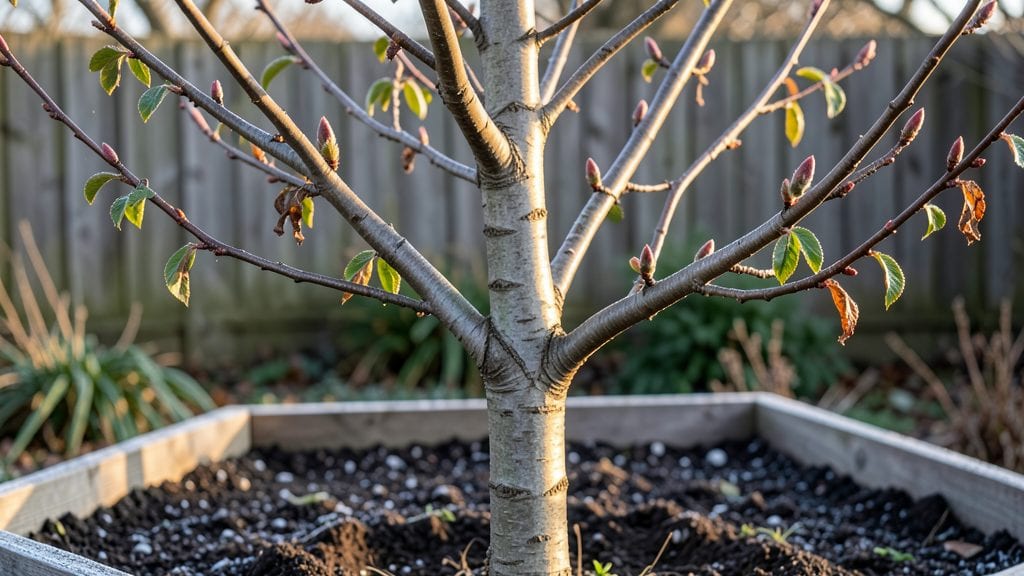
Cold hardy peach trees turn your backyard into a summer fruit stand—even when winter dips below zero. 🌱 I planted my first tree in Zone 5 last spring, and after surviving a brutal -15°F winter, it's now loaded with fruit that tastes like sunshine.
The secret isn't just choosing the right variety; it's how you prepare the soil, time the planting, and protect those blossoms when spring freezes strike.
You'll need space for a mature tree (15-20 feet wide) and well-draining soil with a pH between 6.0 and 7.0. Varieties like 'Reliance,' 'Contender,' and 'Harvester' handle cold better than most, but even they need winter protection.
The key is planting in early spring when the ground thaws but before buds swell—this gives roots time to establish before summer heat arrives. Mulch heavily in fall with straw or leaves to insulate roots, and wrap the trunk with tree guard to prevent rodent damage.
By summer's end, you'll be harvesting peaches with juicy flesh that rivals store-bought (but tastes 100 times better). The trees bloom spectacularly in spring, and even if a late frost nips some blossoms, they rebound with surprising resilience.
With proper pruning—opening the center for airflow and removing dead wood—you'll maximize fruit production while keeping the tree healthy for decades. The first harvest might be small, but each year brings bigger, sweeter rewards.
Works in Zones 4-7 with proper care, though colder zones need extra winter protection like burlap wraps or row covers. The real payoff comes in year three when your tree becomes a reliable producer. Here's how to get started without freezing your fingers—or your trees—along the way.
📚 In This Guide
- What you need
- Instructions
- Tips and common mistakes
- Wrapping up and next steps
What you need
- ● Cold-hardy peach tree: Choose a variety like 'Reliance', 'Contender', or 'Redhaven' (USDA Zones 5-8). Buy a 1-2 year old bare-root or potted sapling from a reputable nursery.
- ● Shovel or trowel: For digging planting holes (12–18 inches wide and deep).
- ● Compost or well-aged manure: 5–10 gallons to enrich the soil.
- ● Organic mulch: 2–3 inches of straw, wood chips, or pine needles to retain moisture and insulate roots.
- ○ Tree stakes (optional but recommended): 1–2 stakes (2–3 feet tall) and soft garden twine for support.
- ● Pruning shears: Sharp, clean shears for trimming dead branches (sterilize with rubbing alcohol).
- ● Garden hose or watering can: For deep watering (1–2 gallons per week, depending on weather).
- ● Frost cloth or bubble wrap: For young trees in late fall/winter (cover branches if temps drop below 20°F).
- ● Soil pH test kit: Peaches thrive in slightly acidic soil (pH 6.0–6.5). Adjust with lime or sulfur if needed.
- ● Slow-release fertilizer: 10-10-10 or 8-3-9 blend (apply in early spring and summer).
- ● A sunny location with 6–8 hours of direct sunlight daily.
- ● Well-draining soil (amend heavy clay with sand or compost).
- ● Space! Peach trees need 15–20 feet between them (or 20–25 feet for dwarf varieties).
- ● Protection from strong winds (plant near a fence or use windbreaks).
Step-by-Step guide to planting and caring for cold hardy peach trees
Here’s my foolproof method for growing peaches that survive winter freezes and still deliver sweet, juicy fruit.
🌱 Step 1: Choose the Right Location and Prepare the Soil
Peaches thrive where they get 6-8 hours of direct sun daily, so pick a spot with full southern or western exposure. I always test soil drainage first—peaches hate soggy roots. Dig a hole about 12 inches deep and fill it with water. If it drains in under an hour, you’re good; if not, amend with 2-3 inches of compost to loosen the soil.
Cold hardy varieties like ‘Reliance’ or ‘Contender’ tolerate temperatures down to -20°F, but they still need protection. I plant mine on a slight south-facing slope to let winter sun warm the roots. Avoid low spots where cold air pools—you’ll see frost damage first in those areas.
🪴 Step 2: Plant at the Right Depth and Stake for Support
Dig a hole twice as wide as the root ball but no deeper—peach roots should sit at the same level they were in the nursery container. Gently loosen the roots if they’re circling, then place the tree in the hole. Backfill with native soil mixed with 1 part compost to improve fertility.
Stake the tree with a 2-inch diameter stake driven 6 inches into the ground on the north side. Tie the trunk loosely with soft fabric strips—too tight now, and you’ll strangle the tree as it grows. Water deeply right after planting to settle the soil and eliminate air pockets.
☀️ Step 3: Water Deeply and Mulch to Protect Roots
Water the tree 1-2 gallons weekly for the first year, aiming for 12-18 inches deep—you’ll see moisture reach that depth when the soil feels damp but not soggy. In winter, reduce watering but keep the soil slightly moist to prevent root desiccation.
Spread 3-4 inches of mulch (straw or wood chips) around the base, keeping it 6 inches away from the trunk. This insulates roots from extreme cold and prevents soil heaving. Replenish mulch yearly—you’ll notice it breaks down faster in wet climates.
✂️ Step 4: Prune for Cold Hardiness and Fruit Production
Prune in late winter (before buds swell) to remove dead, crossing, or inward-growing branches. Cold hardy peaches benefit from an open center shape—this lets sunlight and air circulate, reducing frost damage. Cut back to a strong outward-facing bud, and avoid leaving stubs.
Thin fruit when they’re 1 inch in diameter—leave 6-8 inches between peaches on mature trees. Overcrowded fruit stays small and tart. You’ll know you’ve done it right when the remaining peaches swell quickly in summer.
⏰ Step 5: Protect During Freezes and Monitor for Pests
When temperatures drop below 20°F, cover the tree with a frost blanket or wrap the trunk with bubble wrap. Remove it during the day to prevent overheating. Young trees need extra care—watch for silver bark where frost cracks form.
Spray with neem oil in early spring to deter peach tree borers. I check for adult moths (they look like tiny wasps) around bloom time. A healthy tree with good airflow rarely gets serious infestations, but early intervention prevents long-term damage.
Tips & tricks for perfect cold hardy peach trees
These practical tips will help you grow peaches that not only survive harsh winters but also produce fruit that's sweeter than anything you've bought at the store.
Location is Everything: That 6-8 hours of sun isn't just a suggestion—it's non-negotiable for cold hardy varieties. I've seen peach trees struggle in spots with even just 2 hours less sunlight. If your yard doesn't have ideal southern exposure, consider planting near a reflective surface like a white fence or building to maximize light. The south-facing slope I mentioned isn't just for looks—it helps melt winter snow faster, giving roots a warmer environment when they need it most.
Root Ball Secrets: When you're loosening those circling roots in Step 2, be gentle but thorough. I like to use my fingers to carefully separate the roots—don't just cut them. This encourages new root growth outward rather than in circles. And here's a pro move: soak the root ball in water for 10-15 minutes before planting. This gives the roots a head start on hydration in their new home.
Winter Protection Hacks: That 20°F threshold is crucial, but don't wait until the last minute to cover your tree. I start protecting mine when nighttime temps hit 25°F—better safe than sorry. For extra insulation, wrap the trunk with bubble wrap before adding the frost blanket. The air pockets in the bubble wrap create an additional insulating layer. And remember, the mulch you added in Step 3? It's working hard even when you can't see it—those 3-4 inches can make a 5°F difference in root zone temperature during freezes.
Pruning for Productivity: When you're thinning fruit to 6-8 inches apart, think quality over quantity. Smaller, well-spaced peaches get more sunlight and develop better flavor. I like to do this thinning in stages—first when they're the size of peas, then again when they reach 1 inch. This prevents overloading the tree and gives you better control over final size. And here's a visual cue: when you can see sunlight through the tree's canopy, you're on the right track.
Pro Tips for Cold Hardy Peach Trees
- These practical tips will help you grow peaches that not only survive harsh winters but also produce fruit that's sweeter than anything you've bought at the store.
- Location is Everything: That 6-8 hours of sun isn't just a suggestion—it's non-negotiable for cold hardy varieties.
- Root Ball Secrets: When you're loosening those circling roots in Step 2, be gentle but thorough.
Frequently asked questions
Got questions about growing cold-hardy peach trees? You’re not alone! Here are some of the most common queries—plus straightforward answers to help you thrive, even in chilly climates.
How cold can cold-hardy peach trees actually handle?
Most cold-hardy peach varieties survive down to –15°F to –20°F once established, but young trees need extra protection. Look for cultivars labeled "dwarf" or "semi-dwarf" for better resilience. Pro tip: Mulch heavily in winter and wrap the trunk with burlap for extra defense!
When should I plant cold-hardy peach trees?
Plant in early spring (after the last frost) or fall (6–8 weeks before your first hard freeze). Fall planting gives roots time to establish, but avoid planting if temps dip below 40°F—young trees are frost-sensitive!
Will cold-hardy peaches taste as good as regular peaches?
Many cold-hardy varieties like ‘Reliance’ or ‘Contender’ deliver sweet, juicy fruit with excellent flavor—just slightly smaller than their non-hardy counterparts. The trade-off? Worth it for frost-free harvests!
What pests or diseases should I watch for in cold climates?
Cold-hardy peaches are tough, but watch for peach leaf curl (fungal) and aphids. Prune for airflow, apply copper fungicide in spring, and use neem oil for pests. Bonus: Healthy soil = stronger trees that fight off issues naturally!
Can I grow cold-hardy peaches in containers?
Yes! Dwarf varieties thrive in large pots (20+ gallons) with well-draining soil. Move containers to a sheltered spot in winter and use frost blankets. Just ensure they get full sun—containers dry out faster, so water consistently!
Wrapping up and next steps
Growing cold-hardy peach trees is totally within reach—even in chilly climates!
With the right variety, proper care, and a dash of patience, you’ll enjoy sweet, juicy peaches while braving winter’s bite. Start small: plant one tree this season, experiment with cold-hardy cultivars, and watch your backyard become a fruity paradise. 🌱
Ready to take the next step? Research local nurseries for cold-resistant saplings, sketch a planting plan, and mark your calendar for spring—your peach tree adventure begins now!