Pruning
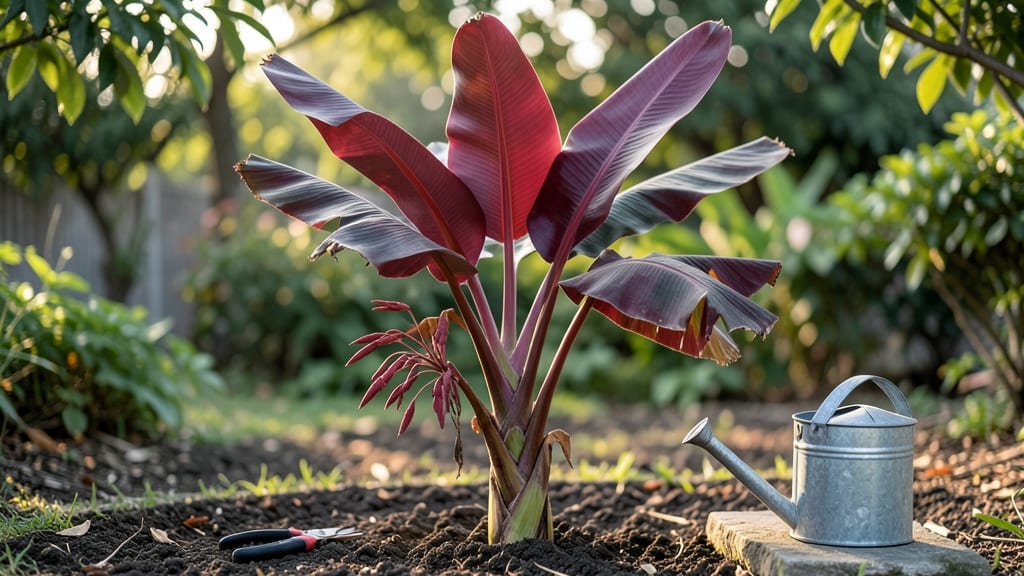
Growing a red banana tree in the Pacific Northwest feels like defying the odds—until you see those vibrant red fruits dangling like edible lanterns. 🌿 I’ve wrestled with this tropical beauty through damp winters and gray summers, and here’s what actually works: a sheltered spot, the right soil mix, and a little extra TLC to mimic its native warmth.
The key isn’t just warmth—it’s consistent moisture and rich, well-draining soil packed with compost. My tree thrives in a 15-gallon container on my south-facing patio, where it gets afternoon sun and protection from wind.
Unlike regular bananas, red varieties need more humidity and less cold stress, so I’ve added a pebble tray under the pot during dry spells.
By summer’s end, you’ll be harvesting sweet, crunchy fruits that taste like a cross between a banana and a berry—plus, the giant leaves add drama to any garden.
The trade-off? Patience. It takes 2-3 years for a young plant to bear fruit, but the payoff is worth every extra watering and pruned pseudostem.
Whether you’re growing in containers or pushing your luck in the ground, this guide covers the real-world adjustments for our chilly climate. Let’s get those red bananas growing!
📚 In This Guide
- What you need
- Instructions
- Tips and common mistakes
- Wrapping up and next steps
What you need
- ● Red banana tree rhizome or young plant: 1 healthy rhizome (from a nursery or trusted grower) or
- ● 1 established young tree (3–5 ft tall, potted or bare-root).
- ● Well-draining soil mix: 50% high-quality potting soil (e.g., Miracle-Gro or Fox Farm Ocean Forest).
- ● 30% perlite or pumice (for aeration).
- ● 20% compost or worm castings (for nutrients).
- ● Container (if growing in pots): 1 large pot (15–20 gallons) with drainage holes or
- ● In-ground planting spot in USDA Zones 9–11 (or a greenhouse for colder climates).
- ● Pruning tools: 1 pair of sterilized pruning shears (for trimming dead leaves).
- ● 1 sharp bypass pruner (for larger cuts).
- ● 1 glove set (to protect from sap and thorns).
- ● Fertilizer: Balanced liquid fertilizer (e.g., 10-10-10) or
- ● Slow-release organic fertilizer (e.g., fish emulsion).
- ● Mulch: Straw or wood chips (2–3 inches) to retain moisture.
- ● Support stakes: 2–3 bamboo stakes + soft ties (for young trees).
- ● Heat mat or grow lights: For indoor seedlings in cold climates. 💡
- ● Humidity tray: To mimic tropical conditions (place pot on a pebble tray with water).
- ● Pest control: Neem oil or insecticidal soap (for aphids/spider mites).
Step-by-Step guide to growing a red banana tree in cool climates
Here's how I've successfully grown this striking tropical fruit tree in the Pacific Northwest—with cold-hardy adjustments.
🪴 Step 1: Select the Right Container and Soil Mix
Choose a 5-gallon or larger container with drainage holes—red banana trees need room for their extensive root systems. I use unglazed terra cotta pots because they breathe better in cooler climates. Fill the bottom third with orchid bark mix for drainage, then add a high-quality potting mix blended with 20% perlite to prevent compaction.
This mix mimics the tree's native tropical soil while allowing excess moisture to escape—critical in our damp winters. Press the soil down gently but don't compact it. The surface should be loose enough that you can push your finger in 2 inches without resistance. Water thoroughly until it drains from the bottom holes.
☀️ Step 2: Position for Maximum Light and Warmth
Red banana trees need full sun (6+ hours daily) but struggle with our cooler Pacific Northwest summers. Place your container in the sunniest spot—south-facing patios or against sunny walls work best. During winter, move it to a sunroom or under grow lights when temperatures dip below 50°F at night.
Watch for yellowing leaves—this signals insufficient light. If you see new growth stretching upward (called "etiolation"), your tree needs more intense light. A reflective surface like white walls or aluminum foil behind the pot can boost light exposure by 20-30%. Rotate the pot quarter-turn weekly to prevent lopsided growth toward the light.
💧 Step 3: Water Deeply and Maintain Tropical Humidity
Water when the top 2 inches of soil feel dry—this prevents root rot while keeping the tree hydrated. I use lukewarm water (never cold) to mimic tropical conditions. Pour water slowly until it runs from the drainage holes, then empty the saucer after 10 minutes to avoid soggy roots.
Mist the leaves daily in summer and place the pot on a pebble tray with water to maintain 60-70% humidity. In winter, group your banana tree with other houseplants to create a microclimate. You'll notice darker, glossier leaves when humidity is ideal—this means your tree is thriving.
✂️ Step 4: Fertilize and Prune for Fruit Production
Feed your red banana tree monthly during spring and summer with a balanced liquid fertilizer (10-10-10 ratio). Reduce to every 6 weeks in fall and stop fertilizing in winter. When you see new growth flushes (rapid leaf production), increase to half-strength fertilizer to avoid burning tender roots.
Prune dead or yellowing leaves immediately—they drain energy from fruit production. In late winter, cut back overly leggy stems to encourage bushier growth. Never prune more than one-third of the plant at once. Watch for flower stalks emerging from the center—these signal your tree is mature enough for fruit. Remove any suckers growing at the base to direct energy toward the main trunk.
🌱 Step 5: Overwinter Successfully for Year-Round Growth
When night temperatures drop below 50°F, move your tree indoors to a bright, humid space. I place mine near a south-facing window with supplemental grow lights for 12 hours daily. Reduce watering to every 7-10 days—overwatering in winter causes root rot.
Check for pests like spider mites (common in dry indoor air)—treat immediately with neem oil. By late spring, when night temperatures stay above 55°F, acclimate your tree outdoors again by placing it in partial shade for 2-3 hours daily, gradually increasing exposure. You'll see new leaves unfurl as the tree adjusts to warmer conditions—this is your signal it's ready for full sun again.
Tips & tricks for perfect red banana tree growth in cool climates
These cold-climate adjustments will help your red banana tree thrive despite Pacific Northwest challenges.
Container Selection: Unglazed terra cotta pots are ideal because their porous nature helps regulate moisture—critical in our damp winters. If you can't find terra cotta, look for containers with multiple drainage holes at the bottom. I've had success with fiberglass grow pots too, though they don't breathe as well. The key is preventing waterlogged roots, which can happen quickly in our cool, wet climate.
Light Optimization: In Step 2, when positioning your tree, remember that reflective surfaces work wonders—I've seen light exposure boost by 30% when using white walls or aluminum foil behind the pot. For indoor grow lights, LED grow lights are most efficient for this purpose. Place them 12-18 inches above the tree during winter months when natural light is scarce. Rotate your pot weekly to prevent lopsided growth toward the light source.
Winter Care: When moving your tree indoors for winter, choose a location with consistent temperatures above 50°F—avoid drafty areas near doors or windows. I've found that bathrooms with good humidity make excellent winter homes for banana trees. The 12 hours of grow light daily mentioned in Step 5 is non-negotiable—without this, your tree will enter dormancy and may drop leaves. Consider setting a timer for your grow lights to maintain consistency.
Fertilizer Timing: The monthly feeding schedule during spring and summer works beautifully, but here's a pro tip: flush the soil every 3 months with plain water to prevent salt buildup from fertilizers. In late summer, reduce to half-strength fertilizer to prepare the tree for winter. I've noticed that trees fertilized too late in the season often struggle with winter recovery. The half-strength application when you see new growth flushes prevents root burn while still supporting vigorous growth.
Pro Tips for Red Banana Tree
- These cold-climate adjustments will help your red banana tree thrive despite Pacific Northwest challenges.
- Container Selection: Unglazed terra cotta pots are ideal because their porous nature helps regulate moisture—critical in our damp winters.
- Light Optimization: In Step 2, when positioning your tree, remember that reflective surfaces work wonders—I've seen light exposure boost by 30% when using white walls or aluminum foil behind the pot.
Frequently asked questions
Can a red banana tree survive the Pacific Northwest’s cold winters?
A red banana tree (Musa acuminata) is tropical and typically needs USDA zones 10-11. In the PNW, grow it in containers and bring it indoors or to a garage before temps drop below 30°F (-1°C). Use frost cloth for extra protection if you’re experimenting with outdoor overwintering.
How long does it take for a red banana tree to produce fruit?
Patience is key! A healthy red banana tree can take 1.5–3 years to flower and fruit, depending on growing conditions. In the PNW, warmth, sunlight (6+ hours/day), and consistent moisture speed up the process. Overwintering properly also helps it bounce back stronger each season.
What are the signs my red banana tree is struggling with cold damage?
Watch for yellowing leaves, brown spots, or wilting—these are red flags. Cold damage often starts at the leaf tips or edges. If the trunk softens or oozes, it’s severely damaged. Trim dead leaves with clean pruners and adjust care (like watering less) to help it recover.
Can I grow red bananas from store-bought fruit?
Yes, but it’s tricky! Plant the fruit’s seed (not the banana itself) in potting mix, keep it warm (70–80°F), and expect it to take years to mature. For faster results, buy a live plant from a nursery specializing in tropical fruits. Store-bought bananas are sterile and won’t sprout.
How do I prune a red banana tree to encourage fruit production?
Prune in late winter/early spring by removing dead or yellow leaves and cutting back overgrown stems to 1/3 of their height. Avoid heavy pruning—banana trees flower on mature pseudostems. Focus on airflow and sunlight exposure to boost energy for fruiting.
Pro Tip:
Use a mulch blanket in fall to insulate container-grown red banana trees. This mimics tropical humidity and protects roots from PNW’s damp, chilly nights. Just remove it in spring to avoid rot!
Wrapping up and next steps
Growing a red banana tree in the Pacific Northwest is absolutely doable with the right care and patience! 🌱 Whether you're pruning for better yield, protecting against frost, or simply keeping your tree thriving, these tips will set you up for success.
Remember, even in cooler climates, a little extra effort can reward you with delicious, vibrant fruit that’s a standout in any garden.
Ready to take the next step? Start by observing your tree’s growth and adjusting your pruning schedule based on its needs. If you’re new to tropical fruit trees, consider connecting with local gardening groups or consulting a horticulturist for personalized advice. Happy growing—your future harvest is waiting! 🍌✨