Container Gardens
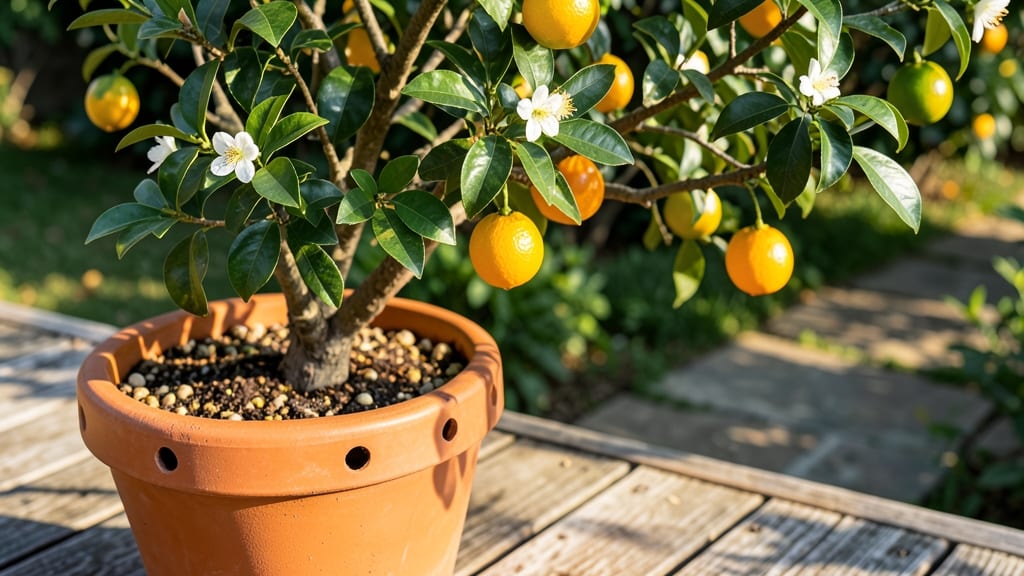
Growing orange trees in containers isn’t just possible—it’s the secret to fresh citrus year-round, even on a tiny balcony. 🌱 I’ve watched my Meyer lemon and Calamondin trees thrive in pots, and the same principles apply to dwarf oranges.
The key lies in choosing the right variety, giving roots room to breathe, and mimicking their Mediterranean homeland’s climate.
Start with a 5-gallon container for young trees (they’ll outgrow it fast!) and upgrade to 15+ gallons within a year. Use a well-draining citrus-specific mix—equal parts potting soil, perlite, and compost—because soggy roots mean goodbye to your tree.
Place it where it gets 6-8 hours of sunlight daily, and rotate the pot weekly so branches grow evenly.
You’ll harvest tiny, intensely sweet oranges within 2-3 years, though some varieties like ‘Improved Meyer’ bear fruit even sooner. The scent of blossoms in spring and the first tart-sweet bite of homegrown citrus make every winter watering worth it.
Just watch for overwatering (let soil dry between waterings) and nutrient crunch (feed monthly with citrus fertilizer).
Indoor growers? Supplement with a grow light 12 hours daily and keep humidity high—citrus trees love it tropical. Outdoor trees need winter protection in colder zones (bring pots indoors or wrap in burlap). With these tweaks, your container orange tree could outlive you—and keep producing fruit for decades.
📚 In This Guide
- What you need
- Instructions
- Tips and common mistakes
- Wrapping up and next steps
What you need
- ● Container: A large, sturdy pot (at least 18–24 inches in diameter and 24+ inches deep) with drainage holes. Pro tip: Terracotta or ceramic pots help regulate moisture, but plastic retains heat—choose based on your climate! 🌡️
- ● Dwarf Orange Tree: Select a cold-hardy variety like ‘Calamondin’, ‘Improved Meyer Lemon’, or ‘Satsuma’ (if you’re in a mild zone). Nursery-grown saplings (3–5 gallons) work best.
- ● Potting Mix: A well-draining blend: 60% high-quality potting soil, 30% perlite or pumice, and 10% compost (avoid garden soil—it compacts!).
- ● Drainage Layer: 2–3 inches of gravel, pebbles, or broken pottery at the container’s bottom to prevent root rot.
- ● Fertilizer: A balanced citrus fertilizer (6-6-6 or 8-3-9 NPK ratio) or organic options like fish emulsion or seaweed extract.
- ● Watering Can or Hose: With a gentle spray nozzle to avoid disturbing the soil.
- ● Mulch: 1–2 inches of organic mulch (e.g., straw or bark chips) to retain moisture and regulate temperature.
- ● Self-watering system: A sub-irrigation kit to keep roots consistently moist.
- ● Grow lights: LED or fluorescent lights (12–14 hours/day) for indoor growing or winter supplementation.
- ● Citrus-specific pest control: Neem oil, insecticidal soap, or a fine mesh net to deter pests like aphids or scale.
- ● Support stake: For windy outdoor spots (especially if your tree grows taller than 4–5 feet).
- ● Container wheels: To move your tree between sunny spots or indoors during cold snaps.
Step-by-step instructions for growing dwarf orange trees in containers
Here’s how I’ve successfully grown sweet, productive orange trees in pots—no backyard required.
🌱 Step 1: Select the Right Dwarf Variety and Pot
Choose a cold-hardy dwarf variety like ‘Calamondin’ or ‘Improved Meyer’, both of which thrive in containers and produce fruit reliably. The pot must be at least 15 gallons for mature trees—larger pots delay transplant shock and reduce root-bound stress. I use glazed ceramic or heavy plastic to prevent cracking and ensure stability when watering.
Ensure the pot has multiple drainage holes—orange trees despise soggy roots. If your pot lacks drainage, drill holes in the bottom and line it with landscape fabric to prevent soil from washing out. Place a saucer underneath to catch excess water and keep your space tidy.
🪴 Step 2: Prepare the Soil and Plant Your Tree
Fill the pot with a well-draining citrus-specific potting mix (never garden soil—it compacts and suffocates roots). I blend 50% potting mix, 30% perlite, and 20% compost for optimal aeration and nutrients. Moisten the mix until it’s damp but not dripping, then create a small mound in the center to position the tree’s root ball.
Gently remove the tree from its nursery pot and place it on the mound, ensuring the root flare (where roots meet the trunk) sits just above soil level. Backfill with the mix, pressing lightly to eliminate air pockets. Water deeply until it drains from the bottom holes—this settles the soil and hydrates the roots without overwatering.
☀️ Step 3: Provide Optimal Light and Temperature
Orange trees need full sun (6-8 hours daily) to fruit well. Place your container near a south-facing window or under grow lights if indoors. If outdoors, move the pot to a protected spot (like a patio or balcony) during summer and bring it inside before temperatures drop below 40°F—cold snaps can kill the tree.
Monitor the tree’s response: leggy growth or pale leaves mean it’s not getting enough light. Adjust the position or supplement with a LED grow light (12-14 hours/day) to encourage strong, compact growth. In winter, keep the tree in a bright, cool room (55-65°F) to mimic dormancy.
💧 Step 4: Water and Fertilize for Year-Round Growth
Water when the top 2 inches of soil feel dry—stick your finger in to check. Overwatering causes root rot, while underwatering leads to leaf drop. I use a watering can with a narrow spout to direct moisture to the roots, avoiding wet foliage (which invites fungal diseases). Empty the saucer after 10 minutes to prevent soggy conditions.
Fertilize every 4-6 weeks with a citrus-specific fertilizer (high in nitrogen for growth, balanced for fruit). I dilute the fertilizer to half-strength in spring/summer and reduce to quarter-strength in fall/winter. Flush the soil with water monthly to prevent salt buildup, which burns roots.
✂️ Step 5: Prune and Harvest for Healthy Fruit Production
Prune in late winter or early spring before new growth begins. Remove dead, crossing, or inward-growing branches with sterilized pruning shears, cutting just above a leaf node. Thin out overcrowded areas to improve airflow—this reduces humidity-related diseases and encourages larger fruit. I aim to keep the tree open and vase-shaped for sunlight penetration.
Harvest oranges when they’re fully colored and slightly soft to the touch (usually fall to winter). Twist gently to detach—if the fruit resists, it’s not ripe yet. Store harvested oranges at room temperature for a few days or refrigerate for up to 2 weeks. Prune again after harvest to remove any sucker growth (shoots at the base) and shape the tree for next year.
Tips & tricks for growing dwarf orange trees in containers
A few key strategies will help you avoid common pitfalls and maximize your container-grown orange tree's potential.
Pot Size Matters: While a 15-gallon pot is the minimum for mature trees, I recommend going up to 20-25 gallons if possible. The extra space gives roots room to grow without becoming root-bound, which directly impacts fruit production. Real talk: I've seen trees in 15-gallon pots produce fruit, but they need more frequent repotting—every 2-3 years instead of every 4-5 years in larger containers.
Soil Mix Secrets: The 50-30-20 blend of potting mix, perlite, and compost is perfect, but here's what nobody tells you—add a handful of garden lime to your mix at planting time. Citrus trees love slightly acidic soil (pH 6.0-7.0), and lime helps maintain that balance. I also top-dress with a thin layer of compost every 3 months to replenish nutrients without overfeeding.
Lighting Upgrades: Those 6-8 hours of sunlight are non-negotiable, but here's how to maximize them: Rotate your pot every 2-3 weeks to ensure even growth. If you're using grow lights, position them just above the tree's canopy—about 12-18 inches away—and use full-spectrum LED bulbs. I've found that supplementing with 12-14 hours of grow light in winter prevents that dreaded "leggy" growth that signals light deprivation.
Watering Wisdom: The "top 2 inches dry" rule is solid, but here's the thing: Check moisture in the morning before watering. Early morning soil is cooler and gives you a more accurate reading. Also, consider using a moisture meter for peace of mind—it takes the guesswork out of watering, especially for beginners. And remember, those saucers? Empty them after 10 minutes to prevent waterlogging, but don't skip this step—soggy roots are the #1 killer of container citrus.
Pro Tips for Growing Orange Trees In Containers
- A few key strategies will help you avoid common pitfalls and maximize your container-grown orange tree's potential.
- Pot Size Matters: While a 15-gallon pot is the minimum for mature trees, I recommend going up to 20-25 gallons if pos...
- Soil Mix Secrets: The 50-30-20 blend of potting mix, perlite, and compost is perfect, but here's what nobody tells yo...
Frequently asked questions
Got questions about growing orange trees in containers? You’re not alone! Here are some of the most common concerns—and their solutions—to help you succeed with your citrus project.
What’s the best dwarf orange tree variety for containers?
Opt for cold-hardy, slow-growing varieties like Calamondin (great for small pots) or Improved Meyer Lemon (sweet-tart oranges). Ponkan or Satsuma are also excellent choices if you live in USDA Zones 8–10. Avoid standard citrus trees—they’ll outgrow containers quickly!
How long does it take for a container-grown orange tree to bear fruit?
Patience is key! Dwarf varieties typically take 2–5 years to produce fruit, depending on care, sunlight, and variety. Meyer lemon trees often fruit faster (1–3 years), while Calamondins may take 3–4 years. Keep your tree healthy with proper watering, fertilizer, and winter protection to speed up the process.
How often should I water a potted orange tree?
Water when the top 1–2 inches of soil feel dry—usually every 5–7 days in summer or 10–14 days in winter. Containers dry out faster than ground soil! Avoid soggy roots by ensuring pots have drainage holes and use well-draining citrus soil. Pro tip: Water deeply in the morning to reduce evaporation.
Can I keep my container orange tree outside in winter?
Most dwarf citrus trees need protection below 25°F (-4°C). Move pots to a garage, shed, or covered patio (avoid freezing temps). If you must leave it outside, wrap the pot in bubble wrap or use a tree blanket. Satsuma varieties are the hardiest—some tolerate brief dips to 15°F (-9°C)!
Why aren’t my orange tree leaves turning green, and how do I fix it?
Yellow or pale leaves often signal nutrient deficiency (like iron or nitrogen) or overwatering. Flush the soil with water to check for root rot, then repot if needed. Feed with a citrus-specific fertilizer (high in iron) every 2–3 months during growing seasons. Pro tip: Test soil pH—citrus thrives in 6.0–7.0.
What’s the ideal container size for a dwarf orange tree?
Start with a 5–7 gallon pot for young trees, then upgrade to 10–15 gallons as they mature. Larger pots = more stability and root space. Use fabric grow bags or plastic pots with drainage to prevent root bound issues. Remember: A pot that’s 12–18 inches deep works best for most dwarf varieties.
Wrapping up and next steps
Growing orange trees in containers is a rewarding journey that brings fresh, homegrown citrus straight to your doorstep—no backyard required! 🌱 With the right dwarf variety, proper care, and a little patience, you’ll enjoy vibrant blooms, fragrant leaves, and juicy oranges year after year.
Whether you’re a seasoned gardener or a beginner, this method makes citrus cultivation accessible and delightful.
Ready to take the next step? Start small—pick your favorite dwarf variety, gather your supplies, and give your orange tree the love it deserves. Before you know it, you’ll be savoring the sweet taste of success (and oranges!) right from your balcony or patio. Happy growing! 🍊✨