Trees
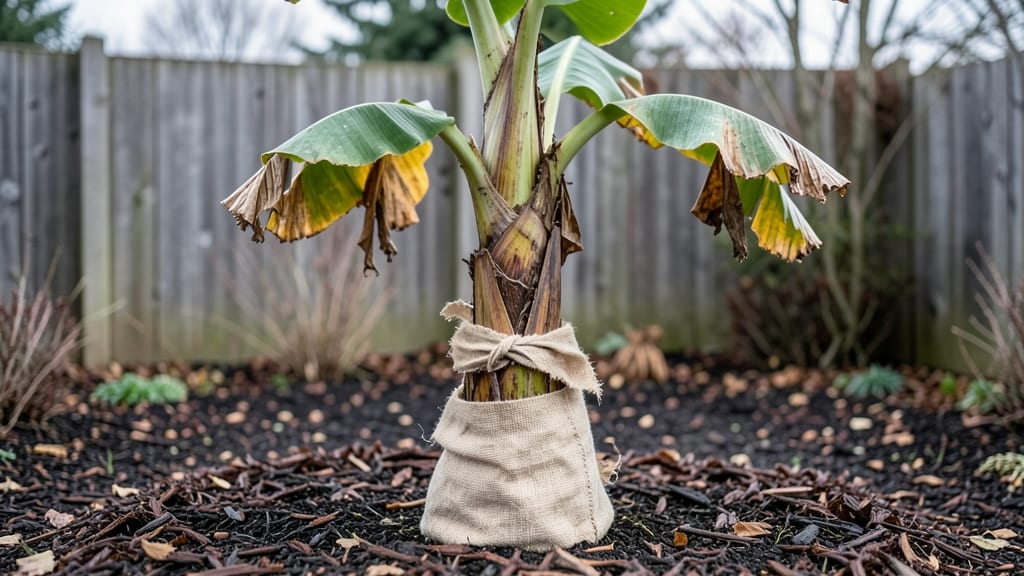
Overwintering banana trees in the Pacific Northwest isn’t just possible—it’s a game-changer for growing these tropical giants where frost is a reality. 🌱 I’ve watched my hardy Musas thrive through winters that would kill most tropicals, and the secret lies in timing, insulation, and a little patience.
The key is starting before the first frost, when the leaves begin yellowing but the roots are still active.
You’ll need thick mulch (straw or leaves work best), frost cloth or burlap for wrapping, and a way to protect the trunk from freezing—whether that’s moving potted plants indoors or wrapping outdoor trees in bubble wrap.
Cold-hardy varieties like ‘Dwarf Cavendish’ or ‘Ice Cream’ banana can handle temps down to 20°F, but even they need shelter when nights dip below 30°F.
By spring, you’ll see new shoots emerging from the base, often before the old leaves have fully fallen. The first flush of growth is delicate, so reintroduce sunlight gradually to avoid shock.
With proper care, your banana tree will reward you with larger harvests the following season—proof that even in chilly climates, tropical dreams can grow.
This method works for both container-grown plants and in-ground varieties, though potted trees give you more control over protection. The Pacific Northwest’s mild winters make it ideal for this approach, but the same principles apply to other Zone 7-9 regions with frost risks. Let’s get those bananas through winter unscathed!
📚 In This Guide
- What you need
- Instructions
- Tips and common mistakes
- Wrapping up and next steps
What you need
- ● Cold-hardy banana varieties: Choose certified cold-resistant types like Musa basjoo or Musa acuminata (e.g., 'Ice Cream' or 'Dwarf Brazilian').
- ● Mulch: 4–6 inches of straw, pine needles, or wood chips (avoid cedar—it’s toxic!).
- ● Burlap or frost cloth: 3–4 yards per tree (breathable but insulating).
- ● Stakes or bamboo poles: 4–6 ft tall (2–3 per tree for support).
- ● Twine or zip ties: For securing wraps (10–15 ft per tree).
- ● Pruning shears: Sharp, sterilized shears for trimming dead fronds.
- ● Garden hose or sprinkler: For occasional winter hydration (if temps dip below 25°F).
- ● Thermometer: Soil probe type (to monitor root temps—aim for above 32°F).
- ● Insulated tree wrap: Bubble wrap or tree-specific frost blankets for added warmth.
- ● Heat source: A safe, low-wattage heat lamp or bulb (only for extreme cold snaps!).
- ● Compost or fertilizer: Balanced 10-10-10 (apply in early spring, not winter).
- ● Potting soil: If container-growing, use a well-draining mix (e.g., 60% peat/40% perlite).
- ● Garden gloves & knee pads: For comfy prep work!
Step-by-Step instructions for overwintering banana trees in the Pacific Northwest
Here's my battle-tested approach to protect cold-hardy banana varieties through winter—no fancy equipment needed.
🪴 Step 1: Select and Prepare the Right Location
Choose a sheltered spot against a south-facing wall or fence where winter sun can warm the trunk. I dig a shallow trench (6-8 inches deep) along the base of the plant to insulate roots from freezing temperatures. This works because cold air sinks, and the trench traps heat radiating from the soil.
Clear away all dead fronds and debris—these can harbor pests and trap moisture against the trunk. Use clean, sharp pruners to cut back any yellowing leaves to 2-3 inches above the ground. This reduces transpiration and helps the plant conserve energy during dormancy.
☀️ Step 2: Build a Protective Mulch Barrier
Spread a 4-6 inch layer of straw or pine needles around the base of the plant, piling it higher (8-12 inches) at the trunk. Organic mulch insulates better than plastic because it allows some airflow while trapping heat. I always use straw because it breaks down slowly and adds organic matter to the soil.
Cover the mulch with a thick layer of burlap or cardboard to block wind and snow. Secure it with landscape staples or bricks—wind can tear loose fabric and expose the plant. Leave a small gap at the top for ventilation, as complete enclosure risks rot from trapped moisture.
🌱 Step 3: Wrap the Trunk for Frost Protection
Wrap the trunk with burlap or tree wrap in a spiral pattern, overlapping each layer by 2-3 inches. This creates an insulating air pocket that prevents rapid temperature swings. I double-wrap the lower 12-18 inches of the trunk where frost damage is most likely to occur.
Add a second layer of bubble wrap over the burlap for extra protection in sub-freezing temperatures. The bubbles trap air, which is an excellent insulator. Secure everything tightly with twine or plastic zip ties—loose wrapping won't protect against wind chill.
⏰ Step 4: Monitor and Adjust Through Winter
Check your banana plant every 2-3 weeks during cold snaps. If temperatures drop below 20°F, add an extra layer of mulch or wrap. I keep a small thermometer near the plant to track temperature fluctuations—this helps me act before damage occurs.
Remove any ice buildup promptly with a soft brush. Ice acts like a weight and can snap young shoots. If snow accumulates, gently brush it off the protective layers to prevent collapse. The goal is to maintain a stable microclimate around the plant.
🌿 Step 5: Prepare for Spring Revival
As temperatures rise above 40°F in early spring, gradually remove the protective layers over 2-3 weeks. Start with the topmost mulch and wrap, leaving the plant exposed to sunlight for increasing periods each day. This prevents shock from sudden temperature changes.
Once all protective materials are removed, fertilize lightly with a balanced organic fertilizer (10-10-10) to encourage new growth. Watch for the first signs of new shoots emerging from the base—this is your signal that the plant has survived winter and is ready to grow again.
Tips & tricks for overwintering banana trees
Here's what I've learned after years of protecting banana trees through Pacific Northwest winters—these details make all the difference between survival and disappointment.
Location Matters: The south-facing wall isn't just about sunlight—it creates a microclimate that can be 10-15°F warmer than open areas. I've seen banana plants thrive against brick walls that absorb and radiate heat better than wood or stucco. If you don't have a wall, position your plant near a fence or dense shrubbery that can act as a windbreak.
Mulch Depth Strategy: Don't skimp on the 8-12 inch mulch pile at the trunk—this is where most heat loss occurs. I've had plants survive -5°F nights with proper mulching, but when I cut corners on depth, even 20°F nights caused damage. Use a ruler to verify depth—eyeballing often results in insufficient coverage.
Trunk Wrapping Technique: The secret to effective trunk protection lies in the overlap pattern. Instead of wrapping randomly, create a tight spiral with 2-3 inch overlaps—this eliminates air gaps that would conduct cold. For extra security, I add a final layer of bubble wrap only on the north side where cold winds hit hardest. This targeted approach uses less material while providing maximum protection.
Spring Revival Timing: The 2-3 week removal schedule in Step 5 is critical—don't rush it! I've seen plants go into shock when exposed too quickly to spring sun after winter dormancy. Start by uncovering just the top layer of mulch during daytime hours, then gradually increase exposure. This gradual transition mimics natural spring conditions and prevents thermal shock.
Pro Tips for Overwintering Banana Trees
- Here's what I've learned after years of protecting banana trees through Pacific Northwest winters—these details make ...
- Location Matters: The south-facing wall isn't just about sunlight—it creates a microclimate that can be 10-15°F warme...
- Mulch Depth Strategy: Don't skimp on the 8-12 inch mulch pile at the trunk—this is where most heat loss occurs. I've ...
Frequently asked questions
Got questions about keeping your banana trees thriving through Pacific Northwest winters? You’re not alone! Here are answers to the most common concerns—plus a few pro tips to set you up for success.
What’s the best temperature range for overwintering banana trees?
Most cold-hardy varieties (like Musa acuminata ‘Dwarf Cavendish’ or Musa basjoo) survive down to 15–20°F with proper protection. However, prolonged exposure below 25°F risks damage. Use mulch, frost blankets, or a small greenhouse to keep roots and trunks insulated—aim for 40–50°F at the base for optimal health.
When should I start preparing my banana tree for winter?
Begin 4–6 weeks before the first frost (typically late September–early October in the PNW). This gives you time to prune dead fronds, wrap the trunk, and set up protective barriers. If you’re digging and potting, wait until 2–3 weeks before hard freezes to avoid stressing the plant.
Can I overwinter banana trees in pots instead of in the ground?
Potted banana trees are easier to move indoors or into a garage/shed when temps drop. Use a large container (15+ gallons) with drainage holes and overwinter in bright, cool light (50–60°F). Reduce watering but keep soil slightly moist—overwatering in winter is a common mistake!
My banana tree’s leaves are turning black or mushy—what went wrong?
This is often a sign of root rot or frost damage. Check for:
- Frost bite: Blackened tips or edges mean it got too cold. Wrap trunks with burlap or bubble wrap next time.
- Overwatering: Banana trees slow down in winter—let the top 2–3 inches of soil dry out between waterings.
- Pests: Inspect for slugs or spider mites, which thrive in damp, protected overwintering setups.
Trim damaged leaves with sterilized shears and monitor closely as temps rise.
Will my banana tree come back in spring if I cut it down?
Not necessarily! If you severely prune or cut to the ground, the tree may not regrow—especially if the corm (base) is damaged. Instead, prune only dead or yellow fronds, leaving 2–3 healthy leaves to photosynthesize. For Musa basjoo, the trunk can regenerate from the base if the corm stays intact.
Wrapping up and next steps
Overwintering banana trees in the Pacific Northwest is totally doable with the right cold-hardy varieties and a little preparation! 🌱 By choosing resilient types like Musa basjoo or Musa acuminata, protecting their roots, and using mulch or frost blankets, you can help them thrive even in chilly winters.
With patience and care, your banana trees will reward you with lush growth and delicious fruit come spring.
Ready to give it a try? Start by selecting your plants and gathering supplies—then roll up your sleeves and get ready to enjoy the satisfaction of nurturing a tropical gem in your garden. Happy planting! 🌿