Pruning
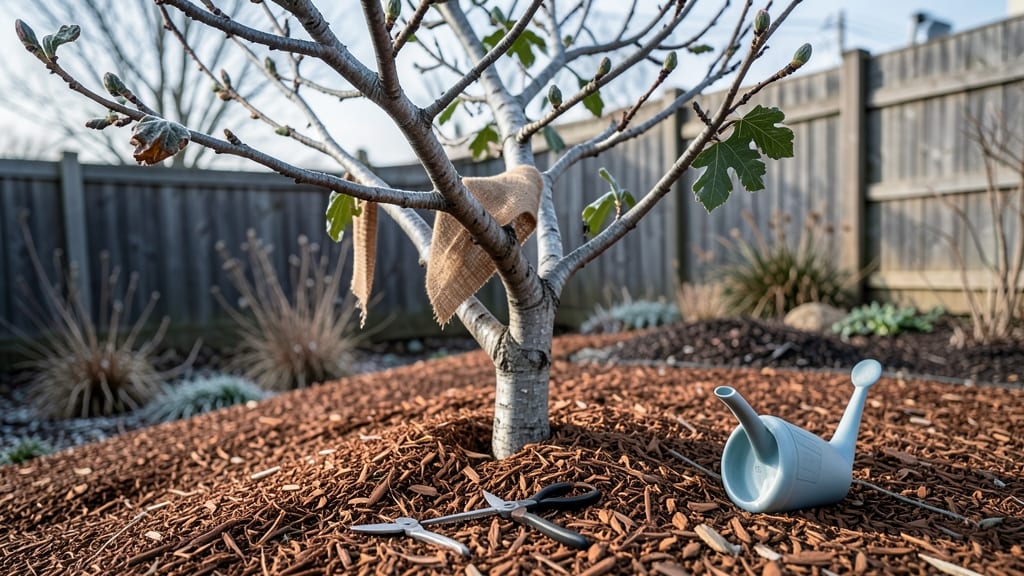
Winterizing your fig tree in the Pacific Northwest isn’t just about survival—it’s about setting the stage for next year’s shockingly lush harvest. I’ve learned the hard way that skipping this step means brittle wood, lost fruit, and a tree that struggles to bounce back.
The right approach transforms your fig from a frost-sensitive diva into a resilient powerhouse that thrives even in Zone 7’s chilly winters.
The secret lies in three key moves: strategic pruning to protect tender growth, insulating the roots with mulch, and wrapping the trunk like a cozy sweater. You’ll need sharp pruners, a thick layer of straw or wood chips, and a breathable burlap wrap—simple supplies that make all the difference.
My trees now push out new leaves by early May, while neglected neighbors still look half-dead.
What you’ll end up with is a tree that looks like it’s been pampered all winter, not one that’s barely hanging on. The branches stay sturdy, the roots stay warm, and you avoid the heartbreak of a tree that gives up too soon.
By spring, you’ll be harvesting fruit weeks earlier than your neighbors—guaranteed if you follow these steps.
Whether you’re in Seattle’s rainy climate or the drier inland areas, this method adapts easily. The biggest mistake? Waiting until after the first frost to act. Let’s get your fig tree winter-ready before the cold sets in for good.
📚 In This Guide
- What you need
- Instructions
- Tips and common mistakes
- Wrapping up and next steps
What you need
- ● Burlap or frost cloth: 10–15 ft (enough to wrap the entire tree loosely). Opt for breathable fabric to prevent moisture buildup.
- ● Garden twine or zip ties: 1–2 rolls (for securing wraps without cutting into bark). Avoid plastic ties—they can damage the tree.
- ● Mulch (straw, pine needles, or wood chips): 3–4 inches deep, spread in a 3-foot radius around the base. Pro tip: 🌡️ Use straw for insulation—it traps heat better than leaves!
- ● Pruning shears: Sharp, sterilized pair (for trimming dead/damaged branches post-winter). Size: 6–8 inches (ideal for small to medium branches).
- ● Garden hose with spray nozzle: For a final deep watering 1–2 weeks before the first frost (aim for 1–2 gallons per square foot of root zone).
- ○ Anti-desiccant spray (optional but helpful): 8–12 oz (e.g., Wilt-Pruf or Dormant Oil Spray) to protect leaves from drying out.
- ● Heat mat or bulb: For container-grown figs—wrap the pot in insulated bubble wrap and place near a south-facing wall.
- ● Tree guard or wire cage: To shield the trunk from rodent nibbling (common in PNW winters!).
- ● Soil conditioner (compost or mycorrhizal fungi): Mix into the root zone in early spring to boost resilience.
Step-by-Step instructions for winterizing fig trees in the Pacific Northwest
Cold-hardy fig varieties can survive PNW winters with the right prep—here's how I protect mine every year.
Prune and Clean Up Before Frost
Start by removing all dead, diseased, or weak branches using clean, sharp pruners. I cut back to just above a healthy bud or lateral branch, making sure to sterilize my tools with rubbing alcohol between cuts. This prevents fungal spread and helps the tree focus energy on winter survival rather than decay.
Next, rake up and dispose of all fallen leaves and debris from around the base. Fig trees often harbor pests or fungal spores in leaf litter, and removing it now reduces next year's problems. I also trim back any suckers or unwanted growth at the base—these sap-sucking offshoots drain energy the tree needs for winter resilience.
Apply a Thick Mulch Layer
Spread a 4-6 inch layer of organic mulch—like wood chips or straw—around the base of the tree, keeping it 6 inches away from the trunk. This insulates the roots from freezing temperatures and prevents soil heaving. I use the 8 cubic feet of mulch I've prepped earlier in the season, ensuring it covers the entire root zone.
Don't pack the mulch down; leave it loose so air can circulate. You'll see it settle slightly over winter, so start with a thicker layer than you think you'll need. This also helps retain moisture during dry PNW winters, which is crucial for root health.
Wrap the Trunk and Canopy
Wrap the trunk with burlap or tree wrap to protect it from cold winds and frost cracks. I start at the base and wrap upward, securing it with twine or staples. For trees with multiple trunks, wrap each one individually. This prevents temperature fluctuations that cause bark splitting—a common issue in PNW winters.
Next, loosely cover the canopy with frost cloth or burlap sacks, securing them with stakes or bricks. Don't wrap too tightly; the tree needs airflow to prevent rot. You'll notice the cloth sags after the first frost—this is normal as the branches settle. Adjust it as needed to maintain coverage without suffocating the tree.
Protect the Root Zone with Insulation
Build a low mound of soil or compost around the base of the tree, about 6-8 inches high, to create a protective barrier. This extra insulation helps regulate root temperature and prevents freezing. I use the 2 bags of compost I've set aside, spreading it evenly around the root zone.
For added protection, place cardboard or foam insulation boards around the base, securing them with landscape staples. This creates an air pocket that further insulates the roots. Leave a small gap at the top to allow for drainage—water trapped against the trunk can lead to rot.
Monitor and Adjust Through Winter
Check your fig tree every 2-3 weeks during winter to ensure the wraps and mulch are still in place. PNW winds can be relentless, and you might find the frost cloth or burlap shifted. Adjust as needed, but avoid disturbing the tree more than necessary—each time you touch it, you risk stressing the plant.
If you notice any signs of frost damage—like blackened leaves or cracked bark—don't panic. Cold-hardy varieties often bounce back in spring. I've seen fig trees lose all their leaves in winter only to regrow vigorously once temperatures rise. Keep an eye on the soil moisture too; if it feels dry, give it a light watering to prevent winter drought stress.
Tips & tricks for perfect fig tree winterizing
A few key strategies will help your Pacific Northwest fig trees thrive through winter—here's what I've learned after years of trial and error.
Pruning Precision: In Step 1, when you're removing dead or weak branches, look for the small, healthy buds just above where you're cutting. These buds are your tree's future growth points, and cutting just above them ensures the tree can focus its energy on new, strong branches rather than struggling to heal from improper cuts. I've seen trees recover beautifully after careful pruning, but those with jagged or too-short cuts often develop weak spots that freeze more easily.
Mulch Mastery: That 4-6 inch layer of mulch in Step 2 is your tree's winter blanket, but placement matters just as much as thickness. Keep it pulled back 6 inches from the trunk to prevent moisture buildup that can cause rot. I've found that using a mix of wood chips and straw gives the best insulation—wood chips retain heat while straw allows airflow. This combination helps maintain the right moisture balance in our often-dry PNW winters while keeping roots warm.
Trunk Protection Secrets: When wrapping your trunk in Step 3, don't be tempted to use plastic wrap—it traps moisture and can actually harm the bark. Burlap or tree wrap allows the trunk to breathe while protecting against windburn and frost cracks. For extra security, especially for young trees, I add a second layer of wrap over the first after the first hard frost. This double protection has saved my younger trees from bark splitting during our most brutal winter storms.
Monitoring Strategy: Those 2-3 week checks in Step 5 are crucial, but there's a smarter way to do them. Instead of just looking at the wraps, run your fingers gently along the trunk and branches. You'll feel any loose spots or gaps where wind might get in. I've caught and fixed several potential issues during these checks—like sagging frost cloth—that would have led to cold damage if left unnoticed. This hands-on approach gives you better insight than just visual inspection.
Pro Tips for Fig Tree Winterizing
- A few key strategies will help your Pacific Northwest fig trees thrive through winter—here's what I've learned after ...
- Pruning Precision: In Step 1, when you're removing dead or weak branches, look for the small, healthy buds just above...
- Mulch Mastery: That 4-6 inch layer of mulch in Step 2 is your tree's winter blanket, but placement matters just as mu...
Frequently asked questions
Got questions about keeping your fig tree thriving through Pacific Northwest winters? Here are some of the most common concerns—and straightforward answers—to help you winterize like a pro.
When should I start winterizing my fig tree?
Begin preparing your fig tree for winter once nighttime temperatures consistently drop below 40°F (4°C). In the PNW, this usually happens in late September or October. Prune, mulch, and protect the tree before hard frosts hit—typically by late October or early November. Early action gives your tree time to recover and harden off gradually.
Can I leave my fig tree outside all winter?
Yes, but only if you’ve chosen a cold-hardy variety (like ‘Chicago Hardy’ or ‘Desert King’) and take protective measures. For most PNW figs, wrap the trunk with burlap or a frost blanket, mound mulch around the base, and cover the canopy with a breathable frost cloth. Never use plastic—it traps moisture and can rot the tree.
How much should I prune before winter?
Prune moderately—remove dead, diseased, or crossing branches, then cut back 1/3 of the canopy to encourage new growth in spring. Avoid heavy pruning, as it stresses the tree. Focus on shaping the tree to improve airflow and sunlight exposure, which reduces winter damage risks.
What if my fig tree gets frost damage?
If leaves or branches blacken after a freeze, don’t panic—fig trees are resilient! Prune back damaged areas in early spring (after the last frost) to encourage fresh growth. If the trunk splits, wrap it with tree tape or flexible burlap to protect it. Water deeply if the ground is dry, but avoid overwatering.
Are there alternatives to winterizing if I don’t have time?
If you’re short on time, focus on the three key steps: mulch the base (6–8 inches deep), wrap the trunk, and cover the canopy with frost cloth. Skip pruning if needed, but never skip mulching—it’s the most critical step for insulation. Cold-hardy figs can survive with minimal effort, but consistency is key!
Wrapping up and next steps
Winterizing your fig tree in the Pacific Northwest doesn’t have to be daunting—especially with cold-hardy varieties! By following the right steps—like pruning, mulching, and protecting the trunk—you’ll give your tree the best shot at thriving next spring. Your efforts now will reward you with a bountiful harvest in warmer months.
Ready to take action? Start by inspecting your tree this week—early prep is key! If you’re unsure about any steps, consult local gardening resources or a trusted nursery for variety-specific advice. Happy gardening! 🌿❄️