Trees
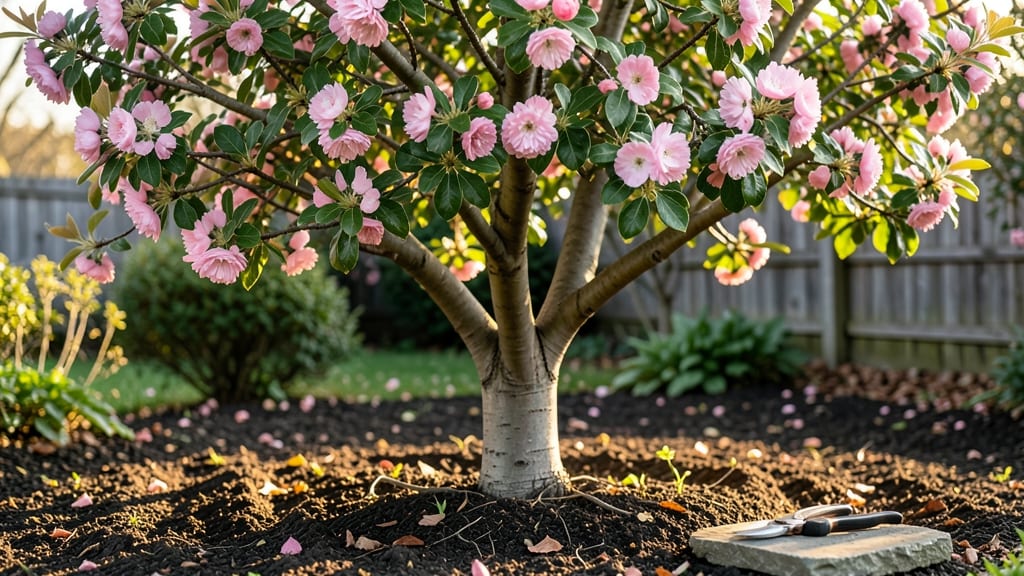
Planting small canopy trees in your Pacific Northwest garden means year-round beauty that thrives through frost and rain. 🌿 I’ve watched these trees transform bare winter landscapes into lush, evergreen canopies that shelter birds, filter rain, and frame my home’s entrance—all while staying compact enough for even modest yards.
The best varieties for this climate—like the serviceberry or dwarf Korean lilac—top out at 15-25 feet but deliver 360-degree shade and seasonal interest. They handle the region’s damp winters and acidic soils better than most, and their shallow roots won’t compete with your foundation or lawn.
Plant them where they’ll anchor a seating area or screen an unsightly view without stealing your yard.
What you’ll love most is how they change with the seasons: spring blossoms, summer shade, autumn foliage, and winter structure. A single tree can replace a whole shrub border while demanding less maintenance than you’d expect—just mulch annually and prune lightly in late winter.
The payoff? A garden that feels mature and intentional, even on the coldest days.
Works equally well in urban front yards or rural backyards—just pick the right spot for sunlight and soil. Let’s find the perfect fit for your space.
📚 In This Guide
- What you need
- Instructions
- Tips and common mistakes
- Wrapping up and next steps
What you need
- ● Small canopy tree seedlings or saplings: 1–3 frost-resistant varieties (e.g., Amelanchier alnifolia, Cercis canadensis, or Prunus serotina)
- ● Size: 1–3 feet tall (container-grown or bare-root)
- ● Planting hole supplies: Shovel (round-point or digging spade)
- ● Garden trowel (for delicate root adjustments)
- ● Measuring tape or ruler (to ensure proper spacing)
- ○ Soil amendments (optional but recommended): Compost (5–10 gallons, well-aged)
- ● Organic mulch (e.g., wood chips or pine straw, 2–3 inches)
- ● Slow-release fertilizer (e.g., 10-10-10, 1–2 lbs per tree)
- ● Watering tools: Garden hose with adjustable nozzle
- ● Watering can (for post-planting care)
- ○ Safety & support (optional): Garden gloves (heavy-duty for digging)
- ● Tree stakes + soft ties (if young trees need support)
- ● Weed barrier fabric (to suppress weeds around the base)
- ● Location: Full sun to partial shade (6+ hours of sunlight daily for most varieties).
- ● Soil test: Check pH (ideal: 6.0–7.0) and drainage (avoid waterlogged areas).
- ● Timing: Plant in early spring or fall (avoid frost periods).
- ● Local regulations: Verify any restrictions on tree species or sizes in your area.
How to select and plant small canopy trees for year-round Pacific Northwest beauty
Here's my go-to approach for choosing and establishing small canopy trees that thrive in PNW's mild winters and coastal climates.
🌱 Step 1: Choose the Right Species for Your Site
Focus on trees with USDA Zone 7-9 hardiness that handle 10-30 feet mature height while providing seasonal interest. My top PNW picks include serviceberry (Amelanchier alnifolia), dwarf Korean lilac (Syringa meyeri), and Pacific dogwood (Cornus nuttallii)—all with white bark or winter color for year-round appeal.
Check your site's sun exposure first—most small canopies need 6+ hours of sun, though dogwood tolerates partial shade. Measure the space between structures and neighboring trees; aim for at least 10 feet clearance for mature spread. I always sketch the tree's outline at full size on paper to visualize the canopy arc.
🪴 Step 2: Prepare Planting Site and Hole
Dig a hole twice as wide as the root ball but no deeper—planting too deep suffocates roots. Amend the native soil with 3 inches of compost mixed into the bottom and sides of the hole. For clay-heavy PNW soils, I add 1 part perlite to improve drainage.
Remove the tree from its container and loosen circling roots with your fingers. Soak the root ball for 10 minutes before planting to reduce transplant shock. The top of the root ball should sit 1-2 inches above ground level—this prevents water pooling around the trunk.
☀️ Step 3: Plant and Stake for Stability
Place the tree in the center of the hole and backfill with native soil mixed with compost, tamping lightly every 6 inches to eliminate air pockets. Water deeply to settle the soil, then create a 2-inch-high berm around the edge to direct water toward the roots.
Use two stakes positioned diagonally from the tree, tied with soft fabric strips (never wire) to avoid girdling the trunk. I always install a tree guard made from hardware cloth to deter voles and rodents—PNW's damp winters make these pests particularly aggressive.
💧 Step 4: Water and Mulch for First-Year Establishment
Water twice weekly for the first year, providing 1-2 gallons per watering until the soil drains 6 inches deep. Check moisture by inserting a screwdriver—if it resists at 1 inch down, water again. Overwatering in PNW's rainy season is just as damaging as drought.
Apply 3 inches of wood chip mulch (not bark) in a 3-foot diameter ring, keeping it 6 inches away from the trunk to prevent rot. Replenish mulch annually—this mimics the forest floor ecosystem these trees evolved in. The mulch also insulates roots during rare frost dips below 20°F.
⏰ Step 5: Prune and Monitor for Long-Term Health
Wait until late winter (after dormancy) to prune—this is when trees heal fastest. Remove dead, crossing, or inward-growing branches using clean, sharp pruners, cutting just outside the branch collar. Never leave stubs; they invite disease.
Inspect the tree annually for aphids or scale insects, common PNW pests. A strong spray of soapy water (1 tsp dish soap per gallon) usually resolves infestations before they become systemic. I also check for cankers—sunken, discolored areas on the trunk—that signal fungal issues requiring pruning out affected wood.
Tips & tricks for perfect small canopy trees in the Pacific Northwest
These practical insights will help you transform your landscape into a thriving, four-season showcase using the right techniques.
Species Selection Wisdom: When choosing between serviceberry, dwarf Korean lilac, and Pacific dogwood, consider their unique seasonal characteristics. Serviceberry offers stunning white spring blooms and edible berries, while Pacific dogwood provides dramatic winter color. I always cross-reference the mature height with my site measurements—remember, those 10-30 feet will be permanent! The dogwood's tolerance for partial shade makes it ideal for understory plantings where other species would struggle.
Soil Preparation Secret: The 10-minute soaking of the root ball before planting is non-negotiable—it's the difference between a tree that thrives and one that struggles. For clay-heavy PNW soils, I go an extra step by mixing in perlite at a 1:1 ratio with the compost. This creates ideal drainage while maintaining moisture retention. Pro tip: Test your soil's pH before planting—most PNW native trees prefer slightly acidic conditions (pH 5.5-6.5).
Staking System: That tree guard made from hardware cloth is my most valuable investment for PNW plantings. The two diagonal stakes with soft fabric ties create stability without restricting growth. I've seen too many trees girdled by wire ties or left vulnerable to winter winds. For particularly exposed sites, I add a third stake temporarily during storm season—just remove it in early spring before new growth begins.
Winter Protection: While these trees are frost-resistant, the 20°F threshold is where you need to be cautious. For newly planted trees, I wrap the trunk with tree wrap during extreme cold snaps, especially for serviceberry which can be sensitive to late frosts. The 3-inch mulch ring acts as insulation, but adding a layer of straw mulch on top during winter provides extra protection against temperature fluctuations that can stress young roots.
Pro Tips for Small Canopy Trees
- These practical insights will help you transform your landscape into a thriving, four-season showcase using the right...
- Species Selection Wisdom: When choosing between serviceberry, dwarf Korean lilac, and Pacific dogwood, consider their...
- Soil Preparation Secret: The 10-minute soaking of the root ball before planting is non-negotiable—it's the difference...
Frequently asked questions
Got questions about small canopy trees for the Pacific Northwest?
You’re not alone! Here are some of the most common queries—and their answers—to help you pick the perfect tree for your space.
What are the most frost-resistant small canopy trees for the PNW?
The Pacific Northwest’s chilly winters call for hardy picks like Amelanchier alnifolia (serviceberry), Malus ‘Evereste’ (everbloom crabapple), or Cercis canadensis ‘Forest Pansy’ (dwarf Eastern redbud). These thrive in USDA zones 5–8 and handle frost without fuss. Pro tip: Look for native species—they’re already adapted to local conditions!
How long does it take for a small canopy tree to mature?
Most small canopy trees reach their full height (15–25 feet) in 5–10 years, though growth speed varies by species. Dwarf varieties (like Prunus serrula ‘Pendula’) may take longer but stay compact. Patience pays off: Consistent watering and mulching in the first 2 years boosts early growth.
Can I plant a small canopy tree near my house or driveway?
Yes, but plan ahead! Trees like Cotoneaster or Sorbus aucuparia (mountain ash) work well near patios or driveways, but avoid planting too close to foundations (keep roots 3–5 feet away). For sidewalks, opt for slower-growing types like Cornus kousa (dogwood) to prevent root damage. Measure twice: Check mature width before digging!
Do small canopy trees lose leaves in winter, and how do I protect them?
Most deciduous small canopy trees (e.g., Betula nigra ‘Heritage’) drop leaves in winter, but evergreens like Chamaecyparis lawsoniana stay green. For young trees, mulch heavily (3–4 inches) and water deeply before the first frost. Bonus: A burlap wrap shields tender bark from sun scald in harsh winters.
What’s a good alternative if I don’t want a traditional tree?
If you love the look but need low-maintenance options, try large shrubs like Viburnum bodnantense (winter blooms) or Hydrangea paniculata (arching canopies). For year-round structure, skimmia or pieris japonica offer dense foliage with minimal pruning. Think outside the pot: These deliver shade and beauty without the commitment!
Wrapping up and next steps
Small canopy trees are a fantastic choice for adding year-round charm and resilience to your Pacific Northwest landscape—especially when frost tolerance and low maintenance are top priorities! 🌲 From the delicate beauty of Amelanchier alnifolia to the sturdy elegance of Cercis occidentalis, these trees offer color, texture, and seasonal interest without overwhelming your space.
Whether you’re a seasoned gardener or just starting, their adaptability makes them a smart, rewarding addition to any yard.
Ready to transform your outdoor space? Start by sketching your design—consider sunlight, soil, and nearby structures—then visit a local nursery to pick your perfect match. With the right care, your small canopy tree will thrive for years, giving you joy (and shade!) year after year. Happy planting! 🌿