Container Gardens
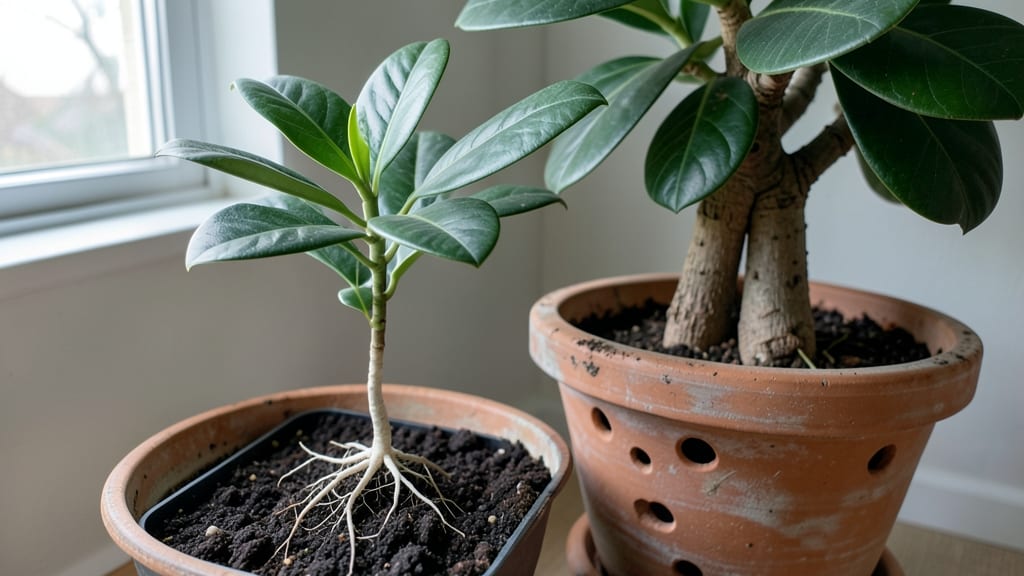
A tree in a pot isn’t just possible—it’s a game-changer for small spaces. 🌱 I’ve turned my front yard’s leftover corner into a thriving urban forest by planting trees in containers, and the results are shockingly lush.
The key? Matching the right tree to the right pot, with soil that drains but holds moisture, and a watering schedule that keeps roots happy without drowning them.
You’ll need a pot at least 12 inches wider than the tree’s root ball, drainage holes, and a fast-draining mix of 60% potting soil, 30% perlite, and 10% compost.
Dwarf or semi-dwarf varieties like Japanese maples, crepe myrtles, or citrus trees thrive in containers, while fast-growing species need repotting every 2-3 years. The biggest mistake? Skipping the drainage layer—root rot is silent until it’s too late.
Within a month, you’ll see new growth signaling healthy roots, and by summer, your container tree will cast shade or burst with blooms. The trick is watering deeply but less often—containers dry out fast, but soggy soil suffocates roots.
Move pots to shelter during frost, and prune leggy branches to encourage bushier growth. This isn’t just gardening; it’s transforming dead space into living art.
Works for balconies, patios, or even your driveway—just adjust sunlight and pot size to your tree’s needs. Let’s get those roots settled and watch them grow!
📚 In This Guide
- What you need
- Instructions
- Tips and common mistakes
- Wrapping up and next steps
What you need
- ● Container: A pot with drainage holes (size depends on tree type—small saplings: 5-10 gallons, larger trees: 20+ gallons). Opt for lightweight materials like plastic, fabric, or ceramic.
- ● High-quality potting mix: A well-draining blend (e.g., 50% potting soil + 30% perlite + 20% compost). Avoid garden soil—it compacts and suffocates roots! 🚫
- ● Tree sapling: Choose a dwarf or container-friendly variety (e.g., Japanese maple, olive tree, or citrus). Check root health—look for white, fibrous roots and no signs of rot.
- ● Drainage layer: 3–5 inches of gravel, pebbles, or broken pottery to prevent root rot.
- ● Trowel or small shovel: For digging and amending soil.
- ● Watering can or hose with a gentle spray nozzle: Avoid overwatering—container trees are prone to soggy roots!
- ● Pruners or sharp scissors: To trim any damaged roots or branches.
- ○ Gloves (optional): Protect your hands from thorns or rough bark.
- ● Slow-release fertilizer: Mix into the soil or use a balanced 10-10-10 formula to give your tree a nutrient boost.
- ● Mulch (e.g., bark chips or straw): Helps retain moisture and regulate temperature.
- ● Support stake: For young trees prone to toppling (e.g., tall or top-heavy varieties).
- ● Moisture meter: If you’re really committed to perfect care! 😉
Step-by-step instructions for planting a tree in a pot
Here's my foolproof method for growing healthy, root-bound trees in containers—no green thumb required.
🪴 Step 1: Choose the Right Container and Drainage
Start with a pot that's at least 12-18 inches deep and has drainage holes—trees hate soggy roots. I like glazed ceramic or heavy plastic because they hold moisture well without cracking. If your pot lacks holes, drill 3-4 ½-inch holes in the bottom to prevent root rot.
Line the bottom with 2-3 inches of gravel or broken pottery shards to create an air pocket. This keeps roots from sitting in water while still allowing excess moisture to drain. For larger trees, use a pot that's 3-4 inches wider than the root ball—this gives roots room to spread without becoming root-bound too quickly.
🌱 Step 2: Prepare the Potting Mix and Planting Site
Fill the pot halfway with a mix of 60% potting soil and 40% perlite or coarse sand for drainage. I avoid garden soil—it compacts and suffocates roots. Add a handful of slow-release fertilizer to the mix to give your tree a nutrient boost without overfeeding.
Place the tree in the pot so the top of the root ball sits 1 inch below the rim. This prevents water from spilling over during watering. Gently press the soil around the roots to remove air pockets, but don’t compact it—roots need room to grow. Water thoroughly until it drains from the bottom holes.
☀️ Step 3: Position for Light and Watering Success
Most container trees need 6+ hours of sunlight daily, but avoid harsh afternoon sun in hot climates—it dries out soil too fast. I place mine near a south-facing window or under a shade cloth if outdoors. Watch for leaves curling or wilting; that’s your cue to adjust light exposure.
Water when the top 2 inches of soil feel dry. Stick your finger in—the soil should feel slightly damp but not soggy. In summer, I water every 2-3 days, while winter slows watering to once a week. Always water at the base, not the leaves, to prevent fungal diseases.
🌿 Step 4: Maintain Soil Health and Monitor Growth
Fertilize every 4-6 weeks during growing season with a balanced, water-soluble fertilizer. I halve the recommended dose—too much fertilizer burns roots. In late fall, switch to a low-nitrogen fertilizer to encourage dormancy and prepare for winter.
Check roots every 6-12 months by gently removing the tree from the pot. If roots circle the bottom or fill the pot completely, it’s time to repot into a larger container. Trim any tangled roots with clean scissors before replanting to encourage outward growth.
⏰ Step 5: Winter Care for Long-Term Success
When temperatures drop below 40°F, move potted trees indoors or to a sheltered spot. Reduce watering to once a week—overwatering in cold soil suffocates roots. Wrap the pot in bubble wrap or frost cloth for extra insulation, especially for tender species like citrus or olive trees.
Prune dead or damaged branches in early spring before new growth starts. This keeps the tree healthy and encourages fuller foliage. With consistent care, your potted tree can thrive for years—even in small spaces.
Tips & tricks for perfect container tree planting
Small mistakes can make a big difference when growing trees in pots—here's what I've learned from years of trial and error.
Container Size Matters: That 12-18 inch depth recommendation isn't arbitrary—it gives roots room to establish before becoming root-bound. For dwarf varieties, you can start with 10-12 inches, but larger trees need that full depth. I've seen people struggle with stunted growth because they used pots that were too shallow.
Drainage is Non-Negotiable: The 2-3 inches of gravel at the bottom isn't just for looks—it creates crucial air space. Without proper drainage, roots suffocate and rot. If you're repurposing a decorative pot without holes, drill those ½-inch holes yourself. I've had to replace several pots where people skipped this step and ended up with dead trees.
Soil Mix Secrets: That 60/40 potting soil to perlite/sand ratio is perfect for most trees. For citrus varieties, I add an extra 10% perlite to prevent compaction. Avoid garden soil—it's too dense and retains too much moisture. Pro tip: Sterilize your potting mix by baking it at 200°F for 30 minutes to kill any pests or diseases.
Light Exposure Cues: Those 6+ hours of sunlight are essential, but watch for subtle signs your tree needs adjustment. Leaves curling toward the light means it's getting too much direct sun, while yellowing leaves indicate insufficient light. I keep mine near east-facing windows to avoid harsh afternoon rays that can scorch tender foliage.
Pro Tips for Plant A Tree In A Pot
- Small mistakes can make a big difference when growing trees in pots—here's what I've learned from years of trial and error.
- Container Size Matters: That 12-18 inch depth recommendation isn't arbitrary—it gives roots room to establish before becoming root-bound.
- Drainage is Non-Negotiable: The 2-3 inches of gravel at the bottom isn't just for looks—it creates crucial air space.
Frequently asked questions
Got questions?
Here are answers to the most common concerns about potted tree planting—so you can grow with confidence!
What’s the best time of year to plant a tree in a pot?
Spring or early fall is ideal! Trees planted in these seasons have time to establish roots before extreme weather. Avoid winter (risk of frost damage) or peak summer (heat stress). If you’re in a warm climate, late winter can work too—just keep soil moist.
How big should the pot be for my tree?
Size matters! A pot should be 2–3 times wider than the tree’s root ball and at least 12–18 inches deep for most species. Dwarf varieties need smaller pots (10–12 inches), while larger trees (like maples) require oversized containers with drainage holes. Always prioritize stability—big trees need heavy pots!
How often should I water a potted tree?
Water when the top 1–2 inches of soil feel dry. Young trees may need weekly watering in summer, while mature trees might only need it every 10–14 days. Check soil moisture with your finger—overwatering (root rot!) is worse than underwatering. Mulch helps retain moisture but avoid piling it against the trunk.
Can I use regular potting soil, or do I need something special?
Regular potting mix works, but amend it for trees! Mix in 20–30% perlite or sand for drainage and add compost or worm castings for nutrients. Avoid garden soil—it compacts and suffocates roots. For citrus or fruit trees, use a well-draining, slightly acidic mix.
What if my potted tree’s leaves turn yellow or drop?
Yellow leaves usually mean overwatering, underwatering, or nutrient issues. Check soil moisture first—if soggy, improve drainage. If dry, water deeply. Yellowing between veins? It could be iron deficiency (common in alkaline soil). Try a chelated iron supplement or repot with fresh soil. Dropping leaves? It might be stress from transplant shock—keep it in shade for a week or two.
How do I move a potted tree without damaging the roots?
Timing and technique save roots! Water the tree 1–2 days before moving to reduce stress. Lift gently, keeping the root ball intact—wrap roots in burlap if transporting long distances. Avoid moving during extreme heat or cold. After replanting, water thoroughly and shade the tree for a few days to help it recover.
Still stumped? Drop your question in the comments—we’re happy to help!
Wrapping up and next steps
Planting a tree in a pot isn’t just possible—it’s a rewarding way to bring nature to small spaces! 🌱 With the right container, soil, and care, you’ll nurture a thriving miniature tree that adds charm and life to your home or balcony.
The key is patience, consistency, and choosing a species that loves confined roots.
Ready to take the next step? Start by selecting your tree—whether it’s a dwarf fruit tree, a bonsai, or a hardy ornamental—and watch your green thumb grow! Happy planting! 🌿