Trees
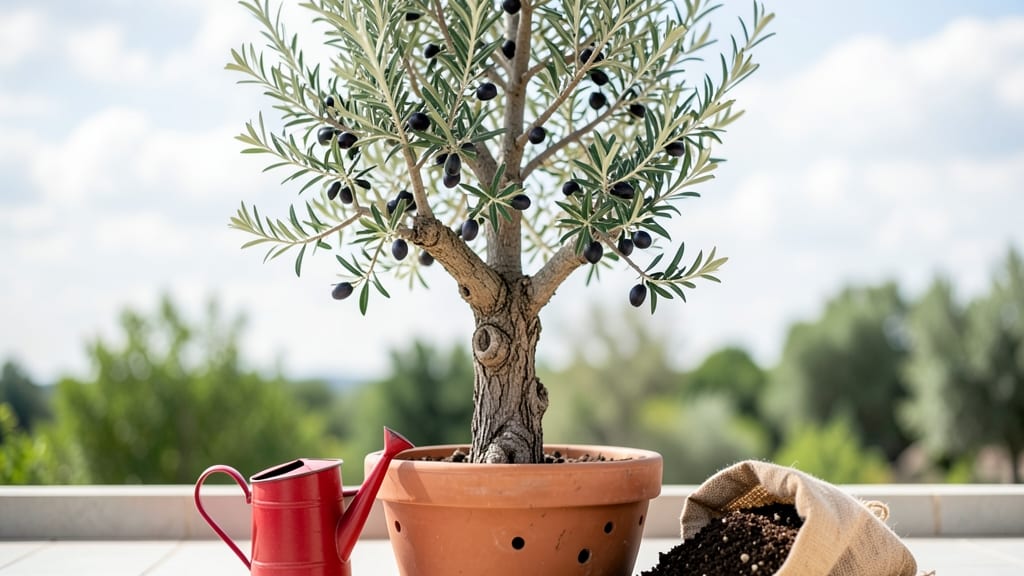
Caring for olive trees in pots means you can grow Mediterranean beauty anywhere—even on a city balcony. 🌿 I’ve nurtured potted olives for years, and the key is mimicking their natural dry, rocky soil while preventing root rot in containers.
The right pot, soil mix, and watering schedule make all the difference between a thriving tree and a struggling one.
Start with a well-draining pot at least 12 inches wide (bigger for mature trees) and a soil blend of 60% potting mix, 30% coarse sand, and 10% perlite. Olive trees hate soggy roots, so water only when the top inch is bone-dry—overwatering is the #1 killer.
Place your pot in full sun (6+ hours daily) for that classic olive look, but watch for leaf scorch in intense afternoon heat.
Pruning in late winter keeps your tree compact and encourages new growth. Snip back leggy branches to just above a leaf node, and remove any dead wood.
With proper care, you’ll see silver-green foliage and even tiny olives in a few years—yes, even in containers! The secret is patience and consistency.
Watch for root-bound stress (yellow leaves, slow growth) and repot every 2–3 years. If pests like spider mites appear, wipe leaves with soapy water. Indoor olives need bright light and occasional outdoor time to adapt.
With these basics, your potted olive will thrive for decades—just like the ancient trees of Tuscany.
📚 In This Guide
- What you need
- Instructions
- Tips and common mistakes
- Wrapping up and next steps
What you need
- ● Container: A large pot (minimum 12–18 inches in diameter) with drainage holes. Opt for terracotta or ceramic for better breathability.
- ● Well-draining soil: A mix of 60% potting soil, 30% perlite or pumice, and 10% coarse sand (or a pre-made cactus/succulent blend).
- ● Olive tree sapling: Choose a dwarf variety (like ‘Arbequina’ or ‘Little Ollie’) for pots. Ensure it’s 1–2 years old for best adaptation.
- ● Drainage layer: Small rocks (e.g., gravel or pebbles) or broken pottery shards (1–2 inches thick) to prevent root rot.
- ● Watering can: With a narrow spout for precise hydration (avoid overhead watering).
- ● Fertilizer: Balanced liquid fertilizer (10-10-10) or slow-release granules (organic options like fish emulsion work too!).
- ● Pruning shears: Sharp, sterilized shears (or small garden scissors) for trimming.
- ● Mulch: A light layer of organic mulch (e.g., straw or bark) to retain moisture.
- ● Support stake: For young trees (if needed) to prevent toppling.
- ● pH test kit: To monitor soil acidity (olives prefer 6.0–8.0 pH).
- ● Humidity tray: A pebble tray with water to boost humidity in dry climates.
- ● Slow-release moisture beads: For added hydration between waterings.
Step-by-Step guide to caring for olive trees in pots
Here's how I keep my potted olives thriving year-round—whether they're basking in sun or tucked indoors.
🪴 Step 1: Choose the Right Pot and Drainage
Olives need room to grow, so pick a container at least 18 inches wide and deep for each tree. I always use terracotta pots—they breathe better than plastic and prevent root rot. Make sure it has drainage holes; if yours doesn’t, drill them yourself. I like to add a layer of broken pottery shards over the holes to keep soil from washing out while still allowing water to escape.
Terracotta also helps regulate moisture, which is key since olives hate soggy roots. If you’re using a decorative pot without drainage, place it inside a saucer filled with pebbles and water—never let the tree sit in standing water. The pot should be just slightly larger than the root ball, giving the tree room to grow without overwhelming it.
☀️ Step 2: Position for Sunlight and Temperature
Olive trees crave full sun—at least 6-8 hours daily. Place your potted tree on a sunny patio, balcony, or deck. If you’re growing it indoors, position it near a south-facing window where it gets direct light. You’ll see the difference immediately—leaves stay vibrant and compact instead of stretching pale and leggy.
Temperature matters too. Olives thrive in 65-85°F during the day and won’t tolerate frost. If winter temps drop below 20°F, move your tree indoors near a bright window or use a grow light. I’ve found that a sunny windowsill keeps mine happy, but avoid drafty spots like near AC vents or heaters. Watch for leaves curling or dropping—a sign it’s too cold or too hot.
💧 Step 3: Water Deeply but Infrequently
Overwatering is the #1 killer of potted olives. Let the top 2-3 inches of soil dry out completely before watering again. Stick your finger in the soil—if it feels dry past your first knuckle, it’s time. When you do water, soak the soil thoroughly until water runs out the drainage holes. This encourages deep root growth instead of shallow, weak roots.
In summer, you might water every 7-10 days, but in winter, reduce to every 3-4 weeks. Olives store water in their trunks, so they’re drought-tolerant once established. Yellowing leaves usually mean overwatering, while crispy edges signal underwatering. Adjust your schedule based on the season and your home’s humidity—dry air means more frequent watering.
✂️ Step 4: Prune for Shape and Health
Prune your olive tree in late winter or early spring before new growth starts. Use clean, sharp pruning shears to remove any dead, diseased, or crossing branches. I also trim back about 1/3 of the new growth each year to encourage bushier growth. Never prune more than 25% of the tree at once, or you’ll stress it.
Shape the tree by cutting just above a leaf node or outward-facing bud. This ensures the tree fills out nicely. Avoid heavy pruning in summer, as it can stunt new growth. After pruning, give the tree a light fertilizer to help it recover. You’ll notice stronger branches and more fruit (or olives) with regular pruning—just don’t go overboard.
🌿 Step 5: Fertilize and Monitor for Pests
Feed your olive tree with a balanced, slow-release fertilizer (like 10-10-10) in early spring and again in midsummer. I mix it into the top inch of soil and water it in. Avoid high-nitrogen fertilizers—they promote leafy growth at the expense of fruit. Over-fertilizing can burn roots, so follow the package instructions carefully.
Keep an eye out for pests like spider mites or scale insects, which love dry conditions. Wipe leaves with a damp cloth weekly to remove dust and deter pests. If you spot tiny webs or sticky residue on leaves, spray with neem oil or insecticidal soap. Healthy olives are less prone to pests, so consistent care pays off in the long run.
Tips & tricks for perfect olive tree care in pots
These practical tips will help your potted olive tree thrive year-round, whether it's basking in summer sun or cozying up indoors during winter.
Pot Selection Matters: The 18-inch minimum size in Step 1 is non-negotiable for mature trees, but for younger olives, you can start with 12-inch pots. I've found that terracotta pots actually help regulate moisture better than plastic—just be prepared to water slightly more often in hot weather since they dry out faster. If you're using a decorative pot without drainage, remember the pebble tray trick from Step 1 to prevent root rot.
Sunlight Strategy: Those crucial 6-8 hours of sun in Step 2 don't have to be consecutive. I rotate my indoor trees every few weeks to ensure even exposure, which prevents lopsided growth. For indoor growers, supplement with a grow light 12-14 hours daily if natural light is insufficient. Watch for leaves stretching toward light—a classic sign your olive needs more illumination.
Watering Wisdom: The finger test in Step 3 works wonders, but I've learned to adjust for different seasons. In summer, check moisture daily if temperatures exceed 90°F, while winter's 3-4 week schedule might need adjustment if your home has dry air. Pro tip: Water in the morning to allow excess moisture to evaporate during the day, preventing fungal issues.
Pruning Precision: When trimming that 1/3 of new growth in Step 4, focus on outward-facing buds to encourage bushier growth. I always sterilize my pruners with rubbing alcohol between cuts to prevent disease spread. For indoor trees, prune more aggressively to control size—just avoid cutting into old wood, which doesn't regrow well.
Pro Tips for Caring For Olive Trees In Pots
- These practical tips will help your potted olive tree thrive year-round, whether it's basking in summer sun or cozyin...
- Pot Selection Matters: The 18-inch minimum size in Step 1 is non-negotiable for mature trees, but for younger olives,...
- Sunlight Strategy: Those crucial 6-8 hours of sun in Step 2 don't have to be consecutive. I rotate my indoor trees ev...
Frequently asked questions
How often should I water my potted olive tree?
Olive trees in pots dry out faster than in-ground trees. Water deeply when the top 2–3 inches of soil feel dry—usually every 1–2 weeks in summer or 3–4 weeks in winter. Overwatering is the #1 killer, so always check moisture before watering. Pro tip: Use a pot with drainage holes to prevent root rot!
Can olive trees survive winter in pots?
Yes, but they need protection! Move potted olive trees to a sheltered spot (like a garage or under eaves) when temps drop below 20°F (-7°C). If you’re in a colder zone, wrap the pot in bubble wrap or use a frost cloth. Avoid watering heavily in winter—they’re dormant and need less moisture.
What’s the best soil mix for potted olive trees?
Olive trees love well-draining, slightly alkaline soil (pH 6.0–8.0). Mix 60% cactus/succulent soil, 30% perlite or pumice, and 10% coarse sand for the perfect blend. Avoid heavy garden soil—it traps moisture and suffocates roots. Bonus: Add a handful of crushed eggshells for calcium!
Why are my olive tree leaves turning yellow?
Yellow leaves usually mean overwatering, nutrient deficiency, or pests. Check the soil—if it’s soggy, cut back on water. If leaves feel sticky or have tiny holes, you might have spider mites or scale insects. Prune affected branches and treat with neem oil. Yellowing can also signal iron deficiency—feed with an iron chelate fertilizer if needed.
Can I grow an olive tree indoors year-round?
Yes, but with big limitations! Olive trees need bright, direct sunlight (6+ hours/day)—a south-facing window or grow lights work. Expect slower growth indoors, and watch for dropped leaves (a sign of low light). If you’re committed, choose a dwarf variety like ‘Arbequina’ and rotate the pot weekly for even growth. Warning: Indoor temps above 80°F (27°C) can stress the tree!
Wrapping up and next steps
Caring for olive trees in pots is a rewarding journey that blends patience with creativity—whether you’re nurturing a tiny sapling or a mature branch.
With the right container, soil, sunlight, and pruning, your olive tree can thrive indoors or out, gifting you fresh olives, fragrant leaves, and years of beauty. 🌿
Now that you’re equipped with the essentials, take the next step: pick your favorite olive variety, gather your supplies, and start your green adventure! Whether you’re a beginner or a seasoned plant parent, every small effort will bring your tree closer to flourishing. Happy growing! 🌱