
Trees
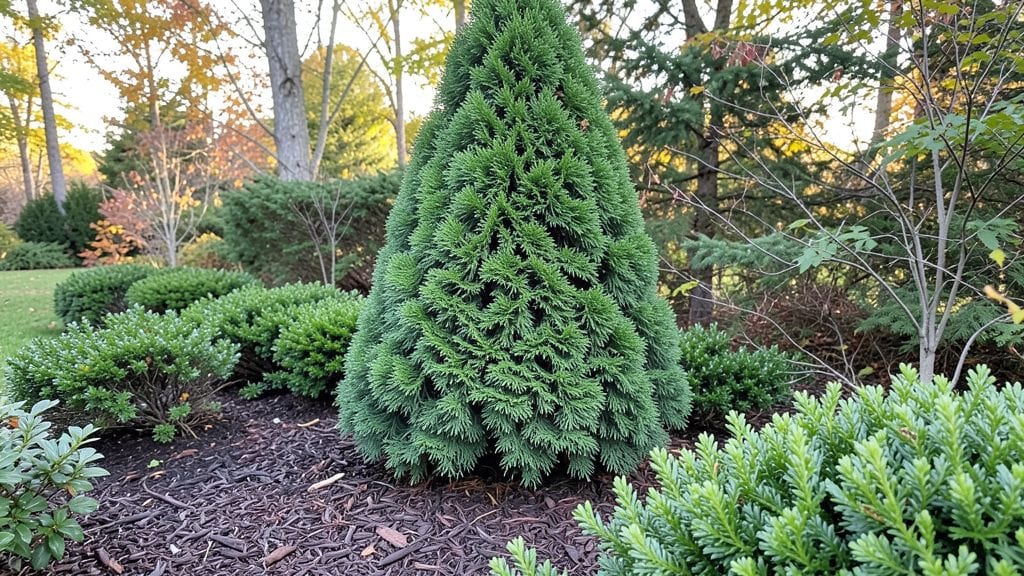
Wind-blocking trees aren’t just about stopping gusts—they’re about creating a cozy, protected space that feels like a sanctuary. 🌲 I learned this the hard way after my first windstorm shredded my delicate perennials, but the right trees turned my exposed yard into a tranquil retreat.
The key is choosing fast-growing, dense varieties that pack a privacy punch without swallowing your property.
Evergreens like arborvitae or emerald green cedar deliver year-round shelter, while deciduous options such as serviceberry or hawthorn offer seasonal interest and wildlife support. Plant them in staggered rows, with mature spacing of 10 to 15 feet apart, to maximize wind deflection and create natural layers.
In colder climates, opt for cold-hardy species like Colorado blue spruce, while warmer regions thrive with southern magnolia or live oak.
Beyond blocking wind, these trees filter noise, reduce energy costs, and frame your garden like living art. Imagine sipping coffee on a breezeless morning, surrounded by fragrant foliage and birdsong instead of howling winds.
The best part? They grow into your landscape, maturing into a lush, functional backdrop that’s as beautiful as it is practical.
Whether you’re shielding a patio, vegetable garden, or play area, the right windbreak transforms exposed spaces into inviting havens. Start small with a single row or go bold with a multi-tiered hedge—either way, you’ll love the quiet (and the savings on heating bills). Let’s get planting!
📚 In This Guide
- What you need
- Instructions
- Tips and common mistakes
- Wrapping up and next steps
What you need
- ● Wind-blocking tree saplings: Choose fast-growing, dense varieties like Thuja occidentalis (Arborvitae), Taxus baccata (English Yew), or Populus deltoides (Eastern Cottonwood). Quantity: 3–5 trees (depending on desired coverage).
- ● High-quality potting soil: 1–2 bags (1–2 cubic feet each) for planting.
- ● Organic compost or mulch: 1 bag (2–3 cubic feet) to enrich soil and retain moisture.
- ● Slow-release fertilizer: 1–2 bags (10–20 lbs) for initial nutrient boost.
- ○ Tree stakes (optional but recommended): 3–5 stakes (5–6 ft tall) for support during early growth.
- ● Shovel or spade: 1 (for digging planting holes).
- ● Garden trowel: 1 (for finer adjustments).
- ● Wheelbarrow or bucket: 1 (for mixing soil and compost).
- ● Measuring tape: 1 (to ensure proper spacing—aim for 6–10 ft between trees).
- ● Hose with nozzle or watering can: 1 (for post-planting hydration).
- ● Pruning shears: 1 (for trimming any damaged branches).
- ● Gloves and knee pads: 1 pair each (for comfort and protection).
- ● Site assessment: Test soil drainage and sunlight exposure (most wind-blocking trees thrive in full sun to partial shade).
- ● Local climate knowledge: Check USDA Hardiness Zone compatibility for your chosen tree species.
- ● Permits (if applicable): Verify if your area requires approval for large plantings.
- ● Long-term planning: Account for mature tree height (some varieties can reach 30+ ft!).
How to select and plant wind-blocking trees for maximum privacy
Here’s how I choose fast-growing, space-efficient trees that create a dense windbreak while keeping your landscape looking intentional.
🌱 Step 1: Choose Fast-Growing, Narrow Species for Small Spaces
Look for trees with a narrow crown (under 20 feet wide at maturity) and rapid growth rates (over 2 feet per year). Arborvitae (Thuja occidentalis) and emerald green arborvitae are my top picks—they grow 3-4 feet annually and stay compact. For deciduous options, try columnar Norway maples (Acer platanoides ‘Columnare’), which reach 30-40 feet tall but only 10-12 feet wide.
I always check the USDA hardiness zone for each species to ensure it thrives in your climate. For example, arborvitae handles zones 3-7, while columnar maples prefer zones 4-8. Planting the wrong zone leads to stunted growth or disease—don’t skip this step.
☀️ Step 2: Site Selection for Wind Direction and Sun Exposure
Face the tree row perpendicular to prevailing winds—this creates the most effective barrier. Use a wind rose (available online) to identify your area’s dominant wind direction. For example, if winds blow from the northwest, plant the row running southeast to northwest.
Ensure the site gets at least 6 hours of sunlight daily—most wind-blocking trees need full sun for dense growth. If shade is unavoidable, choose shade-tolerant species like Leyland cypress (× Cupressocyparis leylandii), which grows well in partial shade but still delivers wind protection.
🪴 Step 3: Dig Holes and Plant at the Correct Depth
Dig holes twice as wide as the root ball but no deeper—planting too deep suffocates roots. For a 5-gallon container tree, the hole should be 12-18 inches wide and deep. Loosen the sides of the hole with a shovel to encourage root spread into the surrounding soil.
Remove the tree from its container and soak the root ball for 10-15 minutes before planting. This prevents transplant shock. Place the tree in the hole so the top of the root ball sits 1-2 inches above ground level—settling will occur over time, so don’t bury the trunk too deeply.
💧 Step 4: Water Deeply and Mulch to Retain Moisture
Water the tree deeply immediately after planting—aim for 1-2 gallons for small trees, more for larger ones. The soil should be saturated 12 inches down. Use a soaker hose to avoid disturbing the soil surface, which can damage shallow roots.
Apply 2-3 inches of mulch (wood chips or pine straw) around the base, keeping it 6 inches away from the trunk to prevent rot. Mulch locks in moisture and discourages weeds, but never pile it against the stem—this traps moisture and invites disease.
✂️ Step 5: Prune and Monitor for Healthy Growth
Prune only to remove dead, broken, or crossing branches in the first year—never cut back healthy growth. Arborvitae and cypresses benefit from light shaping in early spring, but maples should wait until late winter when they’re dormant. Use clean, sharp pruners to make cuts at a 45-degree angle just above a bud.
Check soil moisture weekly—young trees need deep watering every 5-7 days unless rain provides 1 inch or more. Look for wilting leaves or dry soil 2 inches down as signals to water. After the first year, established trees require less frequent watering but still need drought protection during dry spells.
Tips & tricks for perfect wind blocking trees
These practical insights will help you create a thriving windbreak that maximizes privacy while maintaining your landscape's aesthetic appeal.
Species Selection Strategy: When choosing between arborvitae and columnar Norway maples, consider their growth habits. Arborvitae provide year-round privacy with their evergreen foliage, while columnar maples offer seasonal interest with their beautiful fall colors. For maximum wind protection, I recommend planting arborvitae in a staggered pattern—this creates a denser barrier by filling gaps between trees as they mature.
Site Preparation: Before planting, test your soil's drainage by digging a small hole and filling it with water. If it drains within an hour, your soil is suitable for most wind-blocking trees. For areas with poor drainage, consider raised beds or amending the soil with compost to improve aeration. This simple test prevents future waterlogging issues that can stunt tree growth.
Planting Depth: The 1-2 inch elevation above ground level for the root ball is critical—it prevents stem rot while allowing for natural settling. I've seen many gardeners bury the trunk too deeply, which suffocates the tree and leads to poor growth. Use a level to ensure consistent depth across all planted trees in your windbreak row.
Watering Schedule: The weekly moisture check is essential, but timing matters too. Water in the early morning to allow foliage to dry before evening—this prevents fungal diseases. For the first month after planting, I recommend checking soil moisture daily during hot, dry spells. The goal is to keep the root zone consistently moist but not waterlogged.
Pro Tips for Wind Blocking Trees
- These practical insights will help you create a thriving windbreak that maximizes privacy while maintaining your landscape's aesthetic appeal.
- Species Selection Strategy: When choosing between arborvitae and columnar Norway maples, consider their growth habits.
- Site Preparation: Before planting, test your soil's drainage by digging a small hole and filling it with water.
Frequently asked questions
Got questions about maximizing your outdoor space with wind-blocking trees? Here are some common ones—and their answers—to help you plant with confidence!
What are the fastest-growing wind-blocking trees for quick results?
If you need shelter now, opt for species like the Leyland Cypress or Green Giant Arborvitae, which grow 3–5 feet per year. For smaller spaces, Thuja Green Giant or Emerald Green Arborvitae deliver dense foliage faster than slower-growing oaks or maples.
Do wind-blocking trees work in cold or snowy climates?
Evergreens like Eastern Red Cedar or Colorado Blue Spruce thrive in cold climates and retain their wind-breaking power year-round. Deciduous trees (e.g., Oak) lose leaves in winter but still block wind—just plant them 10–15 feet from your home to avoid snow buildup on roofs.
How close can I plant wind-blocking trees to my house?
Keep mature tree height in mind! For small evergreens (like Thuja), plant 3–5 feet away from foundations. Larger trees (e.g., Oak) need 20–30 feet of space to avoid root damage. Always check local building codes—some areas require setbacks for safety.
What’s a good alternative if I don’t have space for trees?
No room for trees? Try privacy hedges (e.g., Boxwood or Holly) or windbreaks like bamboo screens. For quick solutions, tall ornamental grasses (e.g., Pampas Grass) or lattice panels filled with climbing vines (like Ivy) can mimic a tree’s benefits in tight spaces.
Will wind-blocking trees attract pests or diseases?
Most evergreens are low-maintenance, but poor drainage or overwatering can invite fungal issues (e.g., root rot). Choose disease-resistant varieties (like Emerald Green Arborvitae) and plant in well-draining soil. Regular pruning also reduces pest habitats—just avoid cutting into old growth, which can stress the tree.
Wrapping up and next steps
Wind-blocking trees are a game-changer for homeowners seeking privacy, wind protection, and curb appeal—without sacrificing precious yard space. 🌳✨ Their fast growth, low-maintenance needs, and compact size make them the perfect solution for small gardens, urban patios, or cozy backyard nooks.
Whether you’re shielding your deck from chilly gusts or adding a lush, natural privacy screen, these trees deliver big results with minimal effort.
Ready to transform your outdoor space? Start by researching the best varieties for your climate—then roll up your sleeves and plant! With the right care, you’ll enjoy a serene, wind-free oasis in no time. Happy gardening! 🌿