Pruning
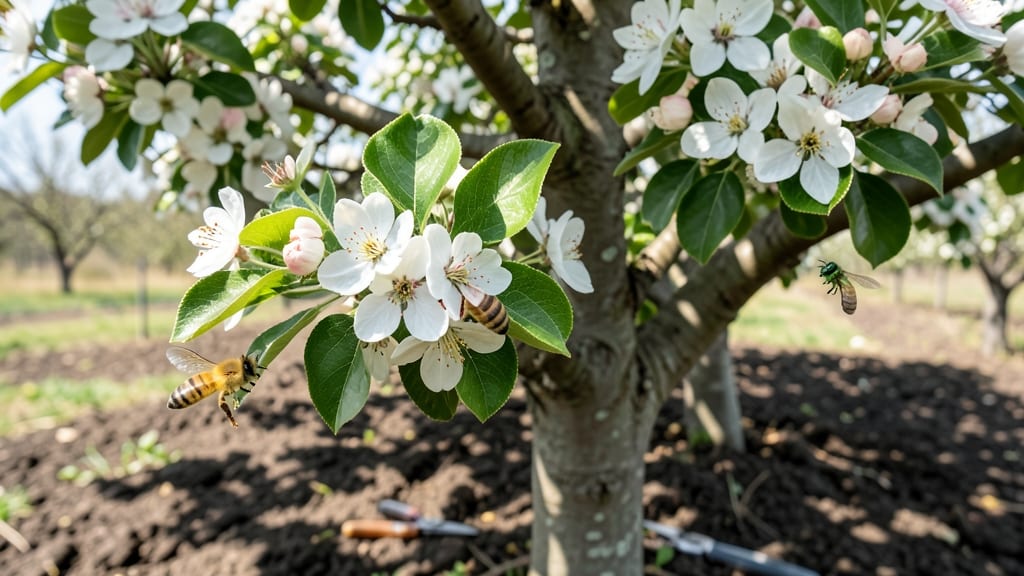
Bartlett pear trees need pollinators to produce fruit, and the right approach transforms a sparse harvest into a bounty of sweet, juicy pears every season. 🌿 I learned this the hard way after years of thin fruit sets—until I started inviting bees and hummingbirds into my orchard with targeted plantings and gentle care.
The secret lies in creating a pollinator-friendly zone around your tree. Plant native flowers like lilacs, apple blossoms, or bee balm nearby—they provide year-round nectar, keeping pollinators active even when your pears aren’t blooming.
Avoid pesticides during bloom time, and consider a second Bartlett variety for cross-pollination, since some trees need a partner to set fruit reliably.
With the right setup, you’ll see fat, firm pears hanging heavy by late summer. The trees become a hub for wildlife, and your harvest becomes the talk of the neighborhood. Even if you hand-pollinate occasionally, the ecosystem approach cuts the work in half while boosting yields naturally.
This method works for backyard orchards, small farms, and even container-grown pears. The key is consistency: feed the pollinators, protect them, and your Bartlett will reward you with fruit that rivals the best orchards. Let’s get those bees buzzing!
📚 In This Guide
- What you need
- Instructions
- Tips and common mistakes
- Wrapping up and next steps
What you need
- ● Bartlett pear tree (Pyrus communis) – 1-2 trees (for cross-pollination, plant at least two within 50 feet of each other). Choose disease-resistant varieties if possible.
- ● Native pollinator-friendly plants – 3-5 species (e.g., bee balm, lavender, or coneflowers) to complement the pear tree’s blooms.
- ● Organic mulch (wood chips or straw) – 2-3 bags (3 cubic feet each) to retain moisture and suppress weeds.
- ● Slow-release fertilizer – 1 bag (e.g., 10-10-10 or organic options like composted manure).
- ● Drip irrigation system or soaker hose – 50-100 feet (to ensure consistent watering for roots and pollinators).
- ● Pruning tools – 1 pair of bypass pruners (for small branches) and 1 pruning saw (for thicker limbs).
- ○ Pollinator habitat kit (optional but helpful) – Includes a bee house, hummingbird feeder, or native seed mix.
- ● Gloves – 1 pair (heavy-duty for pruning, lightweight for planting).
- ● Trowel or spade – 1 (for digging planting holes).
- ● Measuring tape – 1 (25-foot) to space trees and plants correctly.
- ● Bird/bee bath – 1 (shallow, with a water source for pollinators).
- ● Pesticide-free insect repellent – 1 bottle (to protect pollinators while tending to the tree).
- ● Notebook & pen – 1 (to track blooming seasons and pollinator activity).
How to create a year-round pollinator haven with a Bartlett pear tree
Here's how to turn your Bartlett pear into a magnet for hummingbirds and bees—no extra planting required.
🌿 Step 1: Plant Your Bartlett Pear in the Right Spot
Bartlett pears thrive with 6-8 hours of full sun daily, which also keeps pollinators happy. I always choose a location with morning sun and afternoon shade to prevent leaf scorch while maximizing nectar production. The tree's early spring blooms provide critical food for returning hummingbirds, while summer foliage offers shelter for bees.
Dig a hole twice as wide as the root ball but no deeper. Loosen the roots gently if they're circling—this encourages outward growth that supports more flowers. Plant at the same depth it was in the container, then backfill with native soil mixed with 2 inches of compost. Water deeply to settle the soil around roots.
☀️ Step 2: Support Continuous Blooming for Pollinators
Bartlett pears naturally bloom in spring, but you can extend their value by pruning strategically. In late winter, remove any dead or crossing branches first—this opens the canopy to let more light reach inner buds. Then, cut back vigorous shoots by one-third to encourage bushier growth with more flower clusters.
Here's the thing—hummingbirds and bees need food year-round. If your tree produces summer fruit, leave some clusters unharvested to feed pollinators. You'll see more activity when you leave 10-20% of the crop on branches. The tiny wildflowers that grow under the tree also attract beneficial insects that pollinate your pears.
💧 Step 3: Water Deeply But Strategically
Water newly planted trees deeply once a week for the first year, aiming for 1-2 inches of moisture per week. I use a soaker hose to deliver water slowly at the base—this prevents fungal diseases that can stress the tree and reduce flower production. Mature trees need less frequent watering but benefit from deep soakings during droughts.
Don't water from above once flowers appear. You'll see the most pollinator activity when the tree is slightly thirsty but not stressed. The slight dryness triggers more nectar production. Mulch with 3-4 inches of wood chips around the base to retain moisture and regulate soil temperature—this keeps roots happy and flowers abundant.
✂️ Step 4: Maintain Year-Round Food Sources
While your Bartlett pear provides spring blooms, add companion plants to extend the feeding season. I plant native bee balm and coneflowers nearby—their summer and fall blooms keep pollinators visiting your pear tree even when it's not flowering. These perennials also attract beneficial insects that help control pests naturally.
Leave some fallen fruit on the ground (or in a shallow dish of water) to feed birds and small mammals. You'll notice more pollinators when your yard becomes a full ecosystem. Avoid pesticides entirely—even "organic" sprays can harm the very insects you're trying to attract.
🪴 Step 5: Create Shelter and Nesting Sites
Pollinators need more than just food—they need safe places to nest and rest. Install a small bee house near the tree (but not directly against the trunk) to provide shelter for solitary bees. Hummingbirds will use nearby shrubs for nesting, so leave some leaf litter and dense foliage undisturbed.
I always add a shallow water source like a birdbath with pebbles for landing. Keep it filled with fresh water—pollinators will visit more frequently when they can drink safely. Place it within 10-15 feet of the pear tree so they don't have to travel far between food and water.
Tips & tricks for perfect Bartlett pear tree pollinator gardens
A few strategic tweaks can turn your Bartlett pear into a buzzing, hummingbird-filled oasis all year long.
Sunlight Strategy: While the instructions call for 6-8 hours of full sun, I've noticed hummingbirds are most active when the tree gets morning sun with afternoon shade. Position your tree to capture that eastern exposure—it keeps leaves from scorching while maximizing nectar production during peak pollinator hours. The afternoon shade also creates cooler microclimates that attract more bees in summer heat.
Pruning Precision: When you cut back those vigorous shoots by one-third in Step 2, focus on removing branches that grow inward. This creates an open canopy that lets sunlight reach inner buds, which means more flowers and more food for pollinators. I always prune in late winter when the tree is dormant—this gives the new growth time to develop before spring blooming season. The open structure also makes it easier for bees to navigate the tree.
Watering Wisdom: That once-a-week deep watering for newly planted trees is golden, but here's the thing: I've found pollinators actually prefer slightly thirsty trees. The slight stress triggers more nectar production. After the first year, let the soil dry slightly between waterings, especially once flowers appear. Just don't let it get completely bone-dry—you want happy roots but thirsty leaves producing that sweet nectar.
Companion Plant Placement: When adding your bee balm and coneflowers in Step 4, plant them within 10 feet of the pear tree. This creates a pollinator corridor that makes it easy for bees to move between food sources. I also interplant them in the dappled shade under the tree—this extends their growing season and provides continuous blooms from spring through fall. The more variety you have, the more pollinators will stick around.
Pro Tips for Bartlett Pear Tree Pollinators
- A few strategic tweaks can turn your Bartlett pear into a buzzing, hummingbird-filled oasis all year long.
- Sunlight Strategy: While the instructions call for 6-8 hours of full sun, I've noticed hummingbirds are most active when the tree gets morning sun with afternoon shade.
- Pruning Precision: When you cut back those vigorous shoots by one-third in Step 2, focus on removing branches that grow inward.
Frequently asked questions
Do I need to plant a second Bartlett pear tree for pollination?
While Bartlett pears are self-pollinating (meaning a single tree can produce fruit), planting a second tree boosts yields by 30–50% and attracts more pollinators like bees and hummingbirds. For best results, choose a tree with overlapping bloom times (early vs. mid-season Bartletts work well).
When is the best time to plant a Bartlett pear tree for pollinators?
Plant in early spring or fall when temperatures are mild (50–70°F). This gives roots time to establish before summer heat or winter frost. Pro tip: If planting in spring, choose dormant bare-root trees for faster root growth and earlier blooms—key for early-season pollinators like bees!
What if my tree isn’t attracting pollinators? How can I help?
Try these fixes:
- Add native plants: Plant clover, lavender, or goldenrod nearby for extra nectar.
- Reduce pesticides: Avoid sprays during bloom (bees need 2–3 weeks of pesticide-free access).
- Water deeply: Pollinators (and trees!) thrive with 1–1.5 inches of water weekly.
- Install a bee house: Solitary bees love wooden bee hotels near the tree.
Can I still get fruit if I don’t have pollinators?
Yes, but yields will be sparse and smaller. Bartlett pears can self-pollinate, but wind and insects improve fruit set. If pollinators are scarce, hand-pollinate by gently shaking branches during bloom (wear gloves—pear pollen is sticky!). For guaranteed fruit, plant a second tree or a compatible variety like Moonglow or Seckel.
Why are hummingbirds visiting my Bartlett tree, but not sticking around?
Hummingbirds love Bartlett blossoms for their high nectar content, but they may leave if:
- Food sources run out (add salvia or trumpet vine nearby).
- There’s no water (install a shallow birdbath with pebbles).
- Predators (like cats) are present (plant near dense shrubs for cover).
Wrapping up and next steps
Planting a Bartlett pear tree isn’t just about sweet harvests—it’s a gift to pollinators year-round! 🐝💛 From hummingbirds sipping nectar to bees buzzing between blooms, your tree becomes a thriving ecosystem hub. By understanding their needs and providing the right support, you’re fostering biodiversity while enjoying nature’s beauty.
Ready to take action? Start small: Research local pollinator-friendly trees, or even add companion plants to boost your Bartlett’s appeal. Every step counts—your garden (and pollinators!) will thank you. 🌱