Pruning
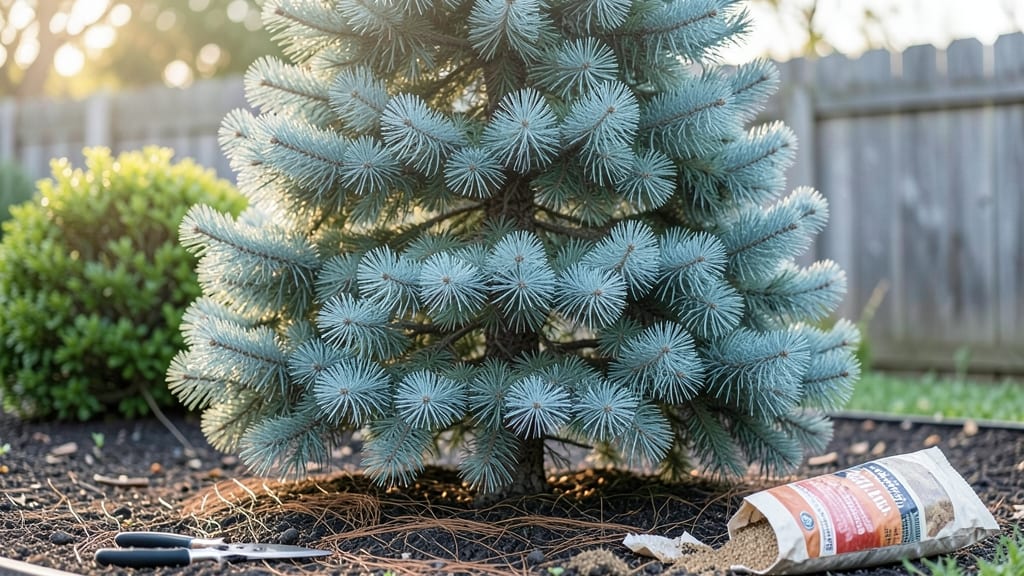
The Christmas tree Colorado spruce (Picea pungens) isn’t just a holiday centerpiece—it’s a year-round powerhouse that thrives with the right care. I’ve grown these trees for over a decade, and their striking blue-green needles and sturdy branches make them the star of any landscape, not just December.
The secret to their long-term success? Understanding their unique needs before planting.
These trees love full sun and well-draining soil, but they’re tough enough to handle Colorado’s dry winters once established. Watering deeply once a week in their first year keeps roots strong, while mature trees need little extra care—just a light mulch to protect them from winter winds.
Pruning in late winter (before new growth) shapes them beautifully and prevents that "Christmas tree" look year-round.
What you’ll end up with is a towering evergreen that smells like pine in summer and stands proud in snow. Needle drop in winter? Normal. Yellowing branches?
A sign to check for pests or overwatering. With the right approach, your Colorado spruce will outlast store-bought trees by decades—and still smell like Christmas every day.
Whether you’re planting one as a holiday centerpiece or a permanent landscape feature, the key is patience. These trees grow 1-2 feet per year, so give them space (15-20 feet apart) and time to reach their full potential. Start now, and you’ll have a living legacy for generations.
📚 In This Guide
- What you need
- Instructions
- Tips and common mistakes
- Wrapping up and next steps
What you need
- ● Pruning shears: Sharp, bypass-type shears (for clean cuts on small branches). Quantity: 1 pair.
- ● Loppers: For thicker branches (1–2 inches in diameter). Quantity: 1 pair.
- ○ Hand pruners (optional): For precision trimming of delicate growth. Quantity: 1 pair.
- ● Ladder or step stool: Sturdy, tall enough to reach the tree’s highest branches. Height: Minimum 8–10 feet.
- ● Gloves: Heavy-duty gardening gloves to protect hands from sap and thorns. Material: Leather or reinforced fabric.
- ● Disinfectant (70% isopropyl alcohol or bleach solution): To sterilize tools between cuts and prevent disease.
- ● Heavy-duty trash bags: For collecting pruned branches. Size: 13-gallon or larger.
- ○ Pruning sealant (optional): For larger cuts (1+ inch) to prevent sap loss or pests. Type: Tree wound dressing.
- ● Weather check: Prune on a dry, overcast day—avoid windy or rainy conditions.
- ● Safety glasses: Protect your eyes from debris.
- ● Long sleeves/pants: To shield skin from sap and scratches.
- ● First-aid kit: Just in case of minor cuts or sap irritation.
- ● Water source: A hose or bucket to rinse tools and clean up sap spills.
Step-by-step guide for planting and maintaining a Colorado spruce Christmas tree
This hardy evergreen thrives in Colorado’s climate—here’s how to establish it for decades of holiday cheer.
Select the Ideal Planting Site
Choose a location with full sun exposure (6+ hours daily) and well-draining soil. Colorado’s alkaline soil often needs amendment—mix in 2-3 inches of organic compost to improve drainage and nutrient availability. Avoid low-lying areas where cold air settles, as Colorado’s winter temperatures can drop below -10°F.
Test the soil pH before planting. Colorado spruces prefer slightly acidic soil (pH 5.5-6.5). If your soil tests higher, incorporate sulfur or peat moss to adjust the pH. Dig a hole twice as wide as the root ball but only as deep—planting too deep suffocates roots and invites rot in Colorado’s damp springs.
Prepare the Root System and Plant
Remove the Colorado spruce from its container and gently loosen the root ball if it’s tightly bound. Prune any circling roots with clean, sharp shears—this encourages outward growth instead of girdling. For container-grown trees, score the sides of the root ball with a knife to promote root expansion into the native soil.
Place the tree in the hole so the top of the root ball sits 1-2 inches above ground level. This prevents soil from settling and burying the trunk over time. Backfill with native soil mixed with half compost to retain moisture while allowing drainage. Tamp the soil lightly to eliminate air pockets, then water deeply to settle everything.
Establish Mulch and Watering Routine
Apply 3-4 inches of organic mulch (pine straw or shredded bark) around the base, keeping it 6 inches away from the trunk to prevent rot. Mulch conserves moisture and regulates soil temperature—critical in Colorado’s dry summers and freezing winters. Water immediately after planting to help roots establish, then maintain 1 inch of water weekly during the first growing season.
In Colorado’s high-altitude climate, deep watering is more effective than frequent shallow watering. Use a soaker hose or drip irrigation to deliver water slowly at the root zone. Avoid overhead watering, which can spread fungal diseases common in evergreens. Monitor soil moisture—it should feel damp but not soggy 2 inches below the surface.
Prune and Fertilize for Long-Term Health
Prune your Colorado spruce in late winter or early spring before new growth begins. Remove only dead, diseased, or crossing branches—never prune more than 25% of the tree’s foliage in a single season. Use sterilized pruning shears to make clean cuts just outside the branch collar. Avoid heavy pruning in fall, as it stresses the tree before winter dormancy.
Fertilize in early spring with a slow-release, balanced evergreen fertilizer (10-10-10 or 12-4-8). Apply according to package instructions, focusing on the root zone. Colorado’s thin, rocky soil often lacks micronutrients, so consider a foliar spray of iron or manganese if new growth appears yellow between veins—a sign of deficiency.
Protect Against Colorado-Specific Challenges
Shield young Colorado spruces from deer and elk, which browse tender new growth. Use physical barriers like tree guards or fencing during the first few years. In urban areas, check for bagworms or spruce beetles—common pests in Colorado. Treat infestations early with horticultural oil or insecticidal soap, following label instructions.
During Colorado’s harsh winters, apply anti-desiccant spray (like Wilt-Pruf) in late fall to prevent needle browning from winter winds. Avoid heavy snow loads by gently shaking snow from branches or using a broom. If your tree is near a heat source (like a south-facing wall), monitor for sun scaldtree wrap in late fall to protect against temperature fluctuations.
Tips & tricks for perfectly thriving Colorado spruce Christmas trees
A few strategic moves will help your Colorado spruce not just survive but thrive for decades in Colorado's challenging climate. Here's what I've learned from years of working with these hardy evergreens.
Soil Preparation is Non-Negotiable: Colorado's alkaline soil can be tough on spruces, so don't skip the soil amendment step. The 2-3 inches of organic compost you mix in creates the perfect environment for root development. I recommend testing your soil first—if it's above pH 6.5, add sulfur gradually over time rather than all at once, as sudden pH changes can stress the roots. Remember, the goal is to create that ideal slightly acidic environment (pH 5.5-6.5) that Colorado spruces crave.
Root System Care Makes All the Difference: When you're loosening that root ball in Step 2, take your time—don't just pull it apart. The key is to gently separate the roots while maintaining their integrity. For container-grown trees, scoring the root ball with a knife creates micro-channels that encourage roots to grow outward into the native soil. This is especially important in Colorado's rocky terrain where roots need to establish quickly in the first growing season.
Watering Wisdom for Colorado's Climate: That 1 inch of water weekly during the first year is critical, but how you deliver it matters just as much. In Colorado's high-altitude climate, deep watering with a soaker hose or drip irrigation prevents water from evaporating quickly and ensures it reaches the root zone where it's needed most. I've seen many well-intentioned gardeners overwater with sprinklers, which can actually spread fungal diseases common in evergreens. Always check that soil 2 inches below the surface—it should feel damp but not soggy.
Winter Protection is a Year-Round Concern: While Colorado's winters are part of what makes these trees hardy, they still need protection from specific challenges. The anti-desiccant spray in late fall prevents needle browning from winter winds, but don't forget to monitor for sun scald if your tree is near a south-facing wall. I've found that wrapping the trunk with tree wrap in late fall creates a protective barrier against those temperature fluctuations that can damage the bark. And yes, that -10°F temperature the instructions mention is no joke—proper winter care ensures your tree comes back strong each spring.
Pro Tips for Christmas Tree Colorado Spruce
- A few strategic moves will help your Colorado spruce not just survive but thrive for decades in Colorado's challenging climate.
- Soil Preparation is Non-Negotiable: Colorado's alkaline soil can be tough on spruces, so don't skip the soil amendment step.
- Root System Care Makes All the Difference: When you're loosening that root ball in Step 2, take your time—don't just pull it apart.
Frequently asked questions
How often should I prune my Colorado Blue Spruce?
Prune your Colorado Spruce once a year, ideally in late winter or early spring (February–March). Remove dead, crossing, or overgrown branches to maintain shape and airflow. Avoid heavy pruning—focus on 20% or less of the foliage to prevent stress. Use sharp, sterilized tools for clean cuts!
Can I prune my Colorado Spruce in winter?
Yes, but with caution! Pruning in mild winter months (Dec–Jan) is fine, but avoid freezing temps (below 20°F). If you must prune in winter, do so on warmer days to reduce shock. Never prune in extreme cold—wait for spring for heavy cuts.
What’s the best way to trim branches without harming the tree?
Use these tips for safe pruning:
- Cut at the branch collar (the swollen area where the branch meets the trunk) for faster healing.
- Avoid “topping” (cutting the top flat)—this invites disease and weak growth.
- Prune on dry days to prevent fungal infections from wet tools or branches.
Why are my Colorado Spruce needles turning brown?
Brown needles often signal overwatering, underwatering, or pest issues. Check the soil—it should be moist but not soggy. Spider mites or bagworms can also cause browning. Inspect branches and treat with neem oil if pests are present. Improve drainage if the roots are waterlogged!
Can I use a Colorado Spruce as a living Christmas tree?
These trees thrive indoors temporarily (4–6 weeks) if you:
- Water deeply every 2–3 days (let the top inch of soil dry out).
- Keep it in a cool room (60–65°F) away from heat sources.
- Place near a window for bright, indirect light.
After the holidays, acclimate it outdoors gradually to avoid shock.
Wrapping up and next steps
Transforming your Christmas Tree Colorado Spruce into a year-round evergreen beauty is easier than you think! With the right tools, timing, and care, you can prune it to stay lush and healthy—whether it’s gracing your holiday decor or thriving as a living landscape star. 🌲✨
Now that you’re armed with the know-how, roll up your sleeves and get pruning! Start with a quick health check, then follow the step-by-step guide to keep your spruce looking its best. Happy gardening—and may your tree stay vibrant for seasons to come! 🎄💚