Size
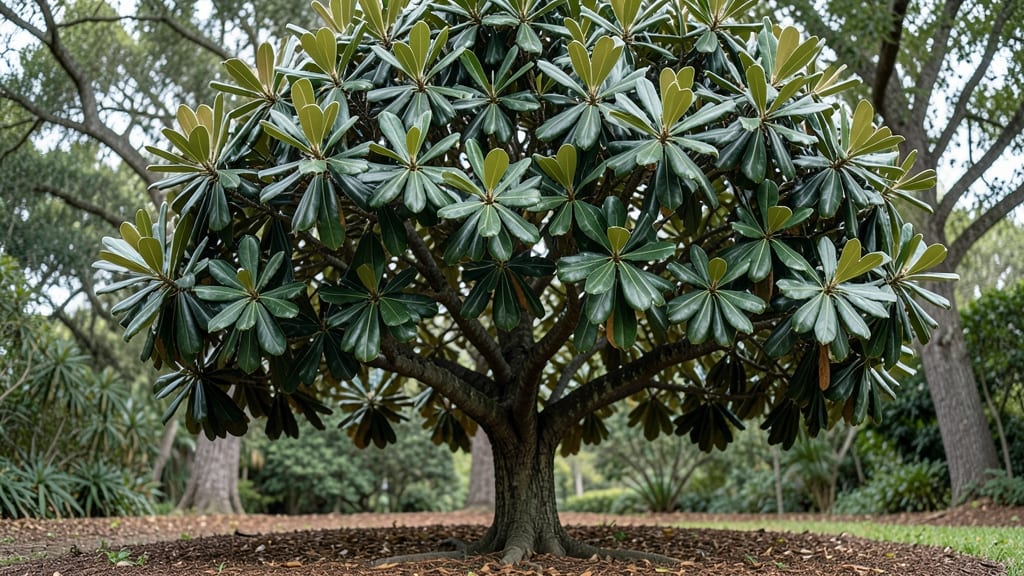
The southern magnolia tree growth rate may surprise you—this stately giant starts as a modest sapling but transforms into a 5-year canopy that will cast shade and drama for decades. 🌿 This isn’t just a slow-growing ornamental; under ideal conditions, it can shoot up 3-5 feet per year, turning a sapling into a statement piece faster than you’d expect.
The key lies in matching its native Southern roots with the right soil, sunlight, and watering routine—because even a magnolia won’t thrive if you ignore its needs.
Here’s the thing—magnolias love heat and humidity, which is why they flourish in USDA zones 7-10. In cooler zones, growth slows dramatically, but with proper care, you can still coax 2-3 feet of height annually. The secret?
Well-draining, slightly acidic soil (think pH 5.0-6.0) and deep waterings that mimic summer rains. Overwatering is the real villain—it causes root rot and stunts growth, so let the top 2 inches dry out between drinks.
By year five, you’ll have a tree with a 20-foot spread and a trunk thick enough to wrap your arms around. The glossy, evergreen leaves create that lush Southern canopy, while the fragrant white blooms in late spring become the talk of the neighborhood.
The trade-off? Patience—magnolias grow slower after their first decade, but that’s when their majestic shape really shines.
Fair warning: Transplant shock can set growth back for a year, so choose your planting spot carefully—magnolias hate being moved. And if your soil is heavy clay? Amend it with compost before planting.
The payoff? A tree that grows faster than most shade trees while staying disease-resistant and low-maintenance once established. Ready to give it a try?
📚 In This Guide
- What you need
- Instructions
- Tips and common mistakes
- Wrapping up and next steps
What you need
- ● Southern Magnolia Tree: Choose a 1-3 gallon container-grown sapling (5–6 ft tall) for faster canopy development.
- ● Well-draining soil: Mix 2 parts native soil with 1 part compost and 1 part coarse sand (or use pre-mixed acidic soil, pH 5.0–6.0).
- ● Organic mulch: 2–3 inches of pine bark, wood chips, or shredded leaves (keep mulch 3 inches away from the trunk).
- ● Slow-release fertilizer: 10-10-10 NPK ratio (apply in early spring and fall).
- ● Watering can or hose: With a gentle spray nozzle for deep watering.
- ● Garden shovel or spade (for digging holes 2x wider than the root ball).
- ● Pruning shears (sterilized with rubbing alcohol for cuts).
- ● Gloves (heavy-duty for handling mulch/soil).
- ● Measuring tape (to track growth and spacing—15–20 ft apart for mature trees).
- ○ Soil pH test kit (optional but helpful for monitoring acidity).
- ● Sunlight: Full sun to partial shade (6+ hours of sunlight daily).
- ● Climate: USDA Zones 7–10 (Southern Magnolias thrive in warm, humid conditions).
- ● Space: Minimum 15 ft clearance for mature canopy spread (up to 30 ft).
- ● Patience: Southern Magnolias grow 12–24 inches per year—fast canopy development starts in 3–5 years! 🌿
How to maximize Southern magnolia growth in 5 years
Here's how to nurture a fast-growing Southern magnolia from sapling to lush canopy.
🌱 Step 1: Select the Right Planting Site for Rapid Growth
Southern magnolias thrive in full sun (at least 6 hours daily) with well-draining soil that’s slightly acidic (pH 5.0-6.0). I always test soil before planting—magnolias hate soggy roots, so amending with 10-20% compost improves drainage while adding nutrients. Choose a spot with 6-8 feet of clearance around the trunk; these trees grow 12-20 feet tall in their first five years.
Dig a hole twice as wide as the root ball but no deeper—planting too deep suffocates roots. Loosen the sides of the hole to encourage root spread. If your soil is heavy clay, mix in sand or pine bark fines to prevent compaction. The goal is a loose, airy environment that lets roots expand quickly.
☀️ Step 2: Plant at the Correct Depth and Water Deeply
Position the magnolia so the root flare (where roots meet the trunk) sits 1-2 inches above soil level. Backfill with native soil, tamping gently to remove air pockets. Water deeply immediately after planting—10-15 gallons for a 1-gallon sapling—to settle the soil and eliminate gaps. Mulch with 3 inches of organic mulch (like pine straw) over the root zone, keeping it 6 inches away from the trunk to prevent rot.
Southern magnolias grow fastest when consistently moist but never waterlogged. Check soil moisture weekly by sticking your finger 2 inches deep—water when dry. Avoid overhead sprinklers, which can encourage fungal diseases on broad leaves. Drip irrigation or soaker hoses deliver water directly to roots, speeding up canopy development.
✂️ Step 3: Prune Strategically to Encourage Canopy Growth
Prune only in late winter or early spring (before new growth begins) to avoid stressing the tree. Remove dead, diseased, or crossing branches first—these compete with healthy growth. For faster canopy expansion, thin out interior branches that block light from reaching the center. Magnolias naturally grow dense foliage, but overcrowding slows growth, so aim for open, airy branches that let sunlight penetrate.
Never "top" a magnolia by cutting the top leader—this triggers weak, leggy growth. Instead, focus on structural pruning: remove branches growing at acute angles (less than 45 degrees) to the trunk, as these are prone to breaking. A well-pruned magnolia can add 3-5 feet of height annually in ideal conditions, reaching 15-20 feet in 5 years.
🌿 Step 4: Fertilize for Accelerated Growth (But Don’t Overdo It)
Feed young magnolias once in early spring with a balanced, slow-release fertilizer (like 10-10-10) at half the recommended rate. Over-fertilizing causes salt buildup in the soil, which burns roots. Magnolias are not heavy feeders—they grow best in moderate fertility with organic matter rather than synthetic boosts. Work a 1-inch layer of compost into the top 6 inches of soil annually to replenish nutrients naturally.
Watch for yellowing leaves—this often signals over-fertilization or nutrient imbalance. If you see it, flush the soil with water and reduce feeding. Southern magnolias are drought-tolerant once established, but young trees need consistent moisture to fuel rapid growth. A mulch ring (extended outward each year) helps retain moisture and regulates soil temperature.
Tips & tricks for maximizing Southern magnolia growth
Here's what nobody tells you about pushing your Southern magnolia to reach that 15-20 foot height in just five years.
Soil Science Matters: Before planting, I always conduct a simple pH test—magnolias thrive in that 5.0-6.0 range, and even a slight deviation can slow growth. If your soil tests higher, mix in sulfur or peat moss to lower the pH gradually. For heavy clay soils, the sand or pine bark fines recommendation in Step 1 is non-negotiable—roots need oxygen to spread quickly. I've seen trees in amended soil grow 2 feet taller in their first year compared to unamended sites.
Watering Wisdom: That weekly moisture check is critical, but don't just rely on your finger—use a soil moisture meter for accuracy. Southern magnolias hate soggy roots but also can't handle drought stress. I water deeply every 5-7 days during hot summers, delivering 10-15 gallons each time to encourage deep root development. The key is consistency—the tree should never experience drought stress or waterlogging.
Pruning Precision: When thinning interior branches in Step 3, aim to remove 25-30% of the foliage in the center to improve light penetration. I use sharp bypass pruners to make clean cuts just outside the branch collar. Never remove more than 25% of the canopy in one season—this can shock the tree and stunt growth. The 45-degree angle rule for structural pruning is golden; branches at sharper angles are more prone to breaking under wind or snow loads.
Fertilizer Strategy: That half-rate recommendation for 10-10-10 fertilizer is spot-on, but timing matters even more. I apply fertilizer in early spring when new growth begins, not before. For organic options, try fish emulsion or composted manure at one-third the recommended rate. The 1-inch compost layer should be worked into the top 6 inches of soil annually—this feeds roots gradually without risking salt buildup.
Pro Tips for Southern Magnolia Tree Growth Rate
- Here's what nobody tells you about pushing your Southern magnolia to reach that 15-20 foot height in just five years.
- Soil Science Matters: Before planting, I always conduct a simple pH test—magnolias thrive in that 5.0-6.0 range, and even a slight deviation can slow growth.
- Watering Wisdom: That weekly moisture check is critical, but don't just rely on your finger—use a soil moisture meter for accuracy.
Frequently asked questions
Got questions about growing a Southern Magnolia fast?
Here are answers to the most common ones—so you can plan with confidence!
How fast does a Southern Magnolia grow in its first 5 years?
A young Southern Magnolia typically grows 12–24 inches per year in ideal conditions. With proper care, you can see a 6–10-foot-tall tree in 5 years, especially if planted in full sun with well-draining soil. Patience pays off—full maturity (30–40 feet) takes 15–20 years!
When is the best time to plant a Southern Magnolia for fastest growth?
Plant in late fall or early spring (October–March) when soil is cool and moist. Avoid summer heat, which stresses roots. Pro tip: Mulch heavily (3–4 inches) to retain moisture and encourage early growth. Container-grown trees can also be planted year-round in mild climates.
Can I speed up growth with fertilizers or pruning?
Yes! Apply a balanced slow-release fertilizer (10-10-10) in early spring and again in midsummer. Avoid heavy pruning in early years—it slows canopy development. Focus on: Removing only dead/diseased branches and shaping lightly after the tree reaches 5+ feet tall.
Why isn’t my Southern Magnolia growing as fast as expected?
Slow growth often stems from poor soil drainage, shade, or compacted roots. Check for:
- Yellowing leaves = overwatering or root rot
- Small, sparse leaves = nutrient deficiency (test soil pH; aim for 5.0–6.5)
- Stunted trunk = competition from nearby plants
Amend soil with compost and ensure 6+ hours of sunlight daily.
Are there faster-growing alternatives to Southern Magnolia?
If speed is critical, consider:
- Crapemyrtle (2–3 ft/year; drought-tolerant)
- Japanese Maple (1–2 ft/year; compact, ornamental)
- Bradford Pear (3–4 ft/year; but invasive roots)
For magnolia-like growth, Saucer Magnolia (M. × soulangeana) grows slightly faster (18–24 inches/year) while keeping the glossy leaves.
Wrapping up and next steps
Growing a Southern magnolia is a rewarding journey—its lush, evergreen foliage and fragrant blooms transform any landscape in just five years! While growth speed depends on soil, sunlight, and care, patience and proper maintenance will yield a stunning, shade-providing giant. 🌳
Ready to plant your own? Start by choosing the perfect spot, gathering your tools, and diving into the process with confidence. Your future magnolia’s beauty is just a few steps away!