
Pruning
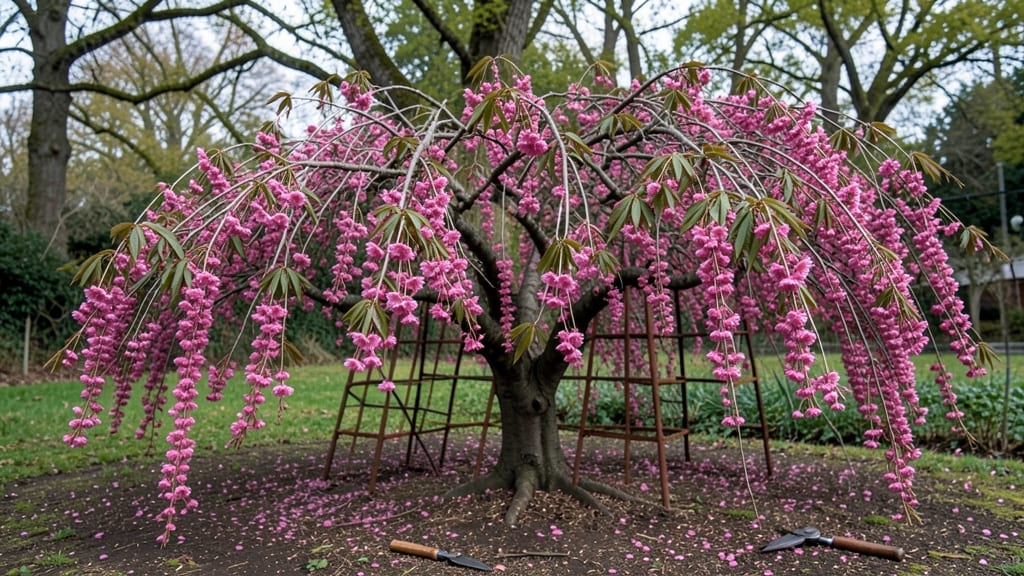
There’s nothing like the sight of a weeping cherry tree in full bloom, its delicate pink petals cascading like silk ribbons against the sky—this is the magic of Prunus serrulata 'Kwanzan' and its Japanese cousins. 🌸 I’ve spent years pruning these trees in my own garden, and the secret to their year-round beauty isn’t complicated—it’s about timing, patience, and a few simple cuts that keep them thriving.
The right pruning turns a good tree into a showstopper, attracting hummingbirds and filling your yard with fragrance for months.
Most people assume pruning weeping cherries is tricky, but it’s actually one of the most rewarding tasks in the garden. You’ll need sharp pruning shears, a ladder (for taller branches), and a clear day to work—no fancy tools required.
The key is to prune in late winter or early spring, just as buds begin to swell, and again after flowering to shape the tree. This keeps the branches light, encourages more blooms, and prevents disease by removing dead wood.
What you’ll end up with is a tree that bursts into color earlier in spring, stays lush through summer, and even puts on a second flush of blooms in fall. The petals attract hummingbirds by the dozens, and the dappled shade becomes a cozy spot for afternoon reading.
Plus, the tree’s graceful shape makes it the centerpiece of any garden, whether you plant it alone or pair it with hostas and ferns for contrast.
Works beautifully in USDA zones 5-8, where winters are cold but not extreme, and summers are warm enough for the tree to establish strong roots. If you live in a hotter climate, mulch heavily to retain moisture and prune lightly to avoid stress.
Ready to transform your yard into a living postcard? Let’s get those shears out!
📚 In This Guide
- What you need
- Instructions
- Tips and common mistakes
- Wrapping up and next steps
What you need
- ● Pruning shears: Bypass pruners (sharp, disinfected with rubbing alcohol) for small branches.
- ● Loppers: 6–8" loppers for thicker branches (up to 2" diameter).
- ● Hand saw: Pruning saw with a curved blade for stubborn, larger branches (3–4" diameter).
- ● Gloves: Heavy-duty gardening gloves (cut-resistant for safety).
- ○ Pruning sealant: Optional but helpful—use a latex-based sealant for cuts larger than ½".
- ● Disinfectant: 1-part bleach to 9-parts water (or 70% isopropyl alcohol) to sterilize tools between cuts.
- ● Ladder or step stool: For reaching higher branches (extendable 6–10' recommended).
- ● Twine or zip ties: To temporarily secure branches during pruning.
- ○ Marking spray: Water-soluble spray paint to mark branches for removal (optional but handy!).
- ● Heavy-duty trash bags: For collecting pruned branches (10–15 gallon size).
- ● Safety gear: Safety glasses and long sleeves (cherry tree branches can be thorny!).
- ● Know your tree’s age: Young trees (under 5 years) need minimal pruning; mature trees benefit from structured shaping.
- ● Best time to prune: Late winter/early spring (just before buds swell) or immediately after blooming.
- ● Weather check: Prune on a dry, overcast day to reduce stress on the tree.
- ● Tree health: Avoid pruning if the tree shows signs of disease (e.g., oozing sap, fungal spots).
Step-by-Step guide to pruning your weeping cherry tree for stunning blooms
Here’s how to keep your Japanese weeping cherry looking its best while encouraging lush blooms and attracting hummingbirds.
✂️ Step 1: Prune in Late Winter Before Bud Break
This is the best time to prune—when the tree is still dormant but just before buds swell. Look for bare branches or those growing inward; these are your first targets. I like to start with a clean pair of pruning shears (sterilized with rubbing alcohol) to make sharp cuts that heal faster.
Remove any dead, diseased, or crossing branches first. These compete with healthy growth and can block sunlight. Cut just outside the branch collar—the swollen area where the branch meets the trunk. This ensures the wound seals properly and prevents rot.
☀️ Step 2: Thin Out Overcrowded Branches for Better Airflow
Weeping cherries have a natural, graceful shape, but over time, branches can become too dense. Focus on removing one-third of the oldest wood to encourage new growth. This also improves airflow, reducing fungal risks like powdery mildew.
Look for branches that are thinner than a pencil—these are often the weakest and can be pruned back to stronger growth. Avoid cutting into the center of the tree; you want to maintain that open, cascading silhouette. Step back often to visualize the shape.
🌿 Step 3: Shape for Balance and Hummingbird Appeal
Hummingbirds love weeping cherries because of their abundant blooms and easy access to nectar. To encourage more flowers, prune to open the canopy—this lets sunlight reach inner branches, where buds often form. I prune just above a bud facing outward to direct growth where I want it.
If a branch is too long or leggy, cut it back to a side shoot with at least three buds. This promotes bushier growth and more blossoms. Avoid heavy pruning in spring or summer—you’ll sacrifice next year’s flowers.
⏰ Step 4: Light Summer Trimming to Maintain Form
After the initial winter prune, do a light cleanup in early summer to remove any suckers (shoots growing from the base) or water sprouts (fast-growing vertical shoots). These drain energy from the tree and disrupt its graceful form.
Use hand pruners for small branches and loppers for thicker ones. Always make cuts at a 45-degree angle just above a leaf or bud. This keeps the tree healthy and encourages new growth in the right places.
🪴 Step 5: Post-Pruning Care for a Thriving Tree
After pruning, water deeply to help the tree recover. A 2-inch layer of mulch (like wood chips) around the base retains moisture and regulates soil temperature. Avoid piling mulch against the trunk—keep it 2-3 inches away to prevent rot.
Fertilize lightly in early spring with a balanced, slow-release fertilizer (like 10-10-10) to support new growth. Monitor for pests like aphids or spider mites—spray with neem oil if you spot any. With proper care, your weeping cherry will reward you with years of stunning blooms and hummingbird visits.
Tips & tricks for perfect weeping cherry tree pruning
Here's what nobody tells you about keeping your Japanese weeping cherry thriving—and blooming like crazy—after the initial pruning.
The Right Tool Matters: Don't just grab any pruners! Use clean, sharp bypass pruners for branches thinner than a pencil, and loppers for thicker branches. I sterilize my tools with rubbing alcohol between cuts to prevent spreading disease. Dull tools crush branches instead of making clean cuts, which weakens the tree and invites pests.
Visualize the Shape: Step back often during Step 2 when thinning branches. Imagine your tree as a graceful fountain—you want that open, cascading silhouette. If you're unsure, snap a photo before starting so you can compare. The goal is to maintain that natural weeping form while improving airflow. Between us, I've ruined a few pruning sessions by cutting too aggressively!
Bud Direction is Everything: In Step 3, when shaping for blooms, always cut just above an outward-facing bud. This directs new growth where you want it—toward the outside of the tree. If you cut above an inward-facing bud, you'll end up with branches growing into the center, blocking sunlight and reducing flowers. Think of it like training a vine—guide the growth in the direction you want.
Timing is Critical for Blooms: Never do heavy pruning in spring or summer as mentioned in Step 3—you'll sacrifice next year's flowers! The late winter timing (Step 1) allows the tree to set buds for spring blooms. Even light summer trimming (Step 4) should be minimal—just enough to maintain shape. I learned this the hard way after pruning too aggressively in May and getting almost no blooms the following spring.
Pro Tips for Weeping Cherry Tree Japan
- Here's what nobody tells you about keeping your Japanese weeping cherry thriving—and blooming like crazy—after the initial pruning.
- The Right Tool Matters: Don't just grab any pruners!
- Visualize the Shape: Step back often during Step 2 when thinning branches.
Frequently asked questions
Got questions about nurturing your weeping cherry tree (sakura) in Japan—or anywhere else? Here are some of the most common concerns, from pruning to blooms and beyond.
When is the best time to prune a weeping cherry tree for blooms?
Prune your weeping cherry tree right after flowering (late spring) to avoid cutting off next year’s blossoms. Avoid heavy pruning in fall or winter, as this can stimulate unwanted growth that may freeze in colder climates. Light shaping in early spring (before buds swell) is fine for maintenance.
Why aren’t hummingbirds visiting my weeping cherry tree?
Hummingbirds love weeping cherries for their tiny, nectar-rich flowers, but they may avoid your tree if blooms are sparse. Ensure you’re pruning correctly (removing dead wood but keeping the canopy open) and fertilizing lightly in early spring. Planting native pollinator-friendly flowers nearby (like azaleas or fuchsias) can also attract them.
Can a weeping cherry tree survive harsh winters in colder regions?
Most weeping cherry varieties (like Prunus subhirtella) are hardy to USDA Zones 5-8, but young trees need winter protection. Mulch the base with 3-4 inches of organic mulch and wrap the trunk with burlap if temperatures drop below 10°F (-12°C). Avoid pruning in late fall—wait until late winter or early spring.
What’s a good alternative if my weeping cherry isn’t thriving?
If your tree struggles with pests, disease, or poor blooms, consider these low-maintenance alternatives:
- Kwanzan cherry (Prunus serrulata ‘Kwanzan’) – Disease-resistant, profuse blooms.
- Yoshino cherry (Prunus × yedoensis) – Early bloomer, cold-hardy.
- Double Weeping Cherry (Prunus serrulata ‘Pendula Plena’) – Dramatic, long-lasting flowers.
How do I fix overgrown or leggy branches?
If your weeping cherry has long, bare stems, it’s likely due to poor pruning or shade. Start by removing 1/3 of the oldest, thickest branches at the base to encourage new growth. Thin out crowded branches to improve airflow, and avoid topping—this can stunt blooms. Feed with a balanced fertilizer (10-10-10) in early spring to promote vigorous regrowth.
Pro Tip: Prune for structure, not just looks!
Weeping cherries grow best with a central leader (main trunk) and scaffold branches spaced evenly. If your tree looks “bushy” instead of weeping, it may need selective branch removal to restore its graceful form. Watch this short video for visual guidance!
Wrapping up and next steps
The weeping cherry tree in Japan isn’t just a symbol of beauty—it’s a living masterpiece that thrives with the right care. By mastering pruning techniques, you’ll unlock year-round blooms and create a hummingbird haven that brings joy to your garden.
Whether you’re trimming for shape, health, or seasonal renewal, consistency is key!
Ready to transform your space? Start small—pick one season to practice, gather your tools, and observe how your tree responds. With patience and passion, your weeping cherry will reward you with graceful branches and vibrant blooms for years to come. 🌸 Now’s the time—roll up your sleeves and prune!