Pruning
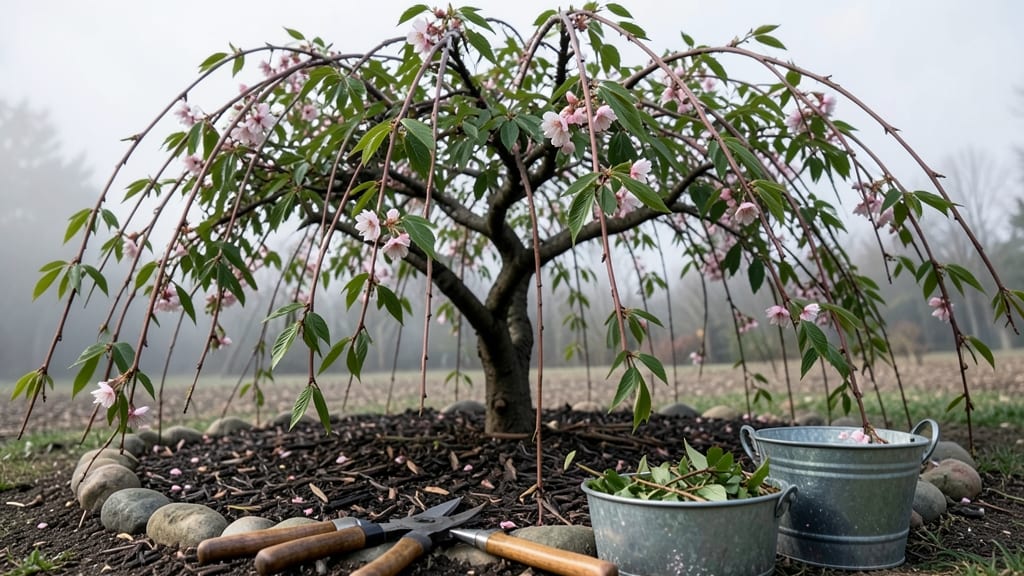
Trimming a weeping cherry tree keeps its graceful form while preventing weak branches that snap in storms. ✂️ I learned the hard way—skipping pruning turned my elegant tree into a tangled mess after one heavy snow. The right cuts encourage upward growth and maintain that signature, cascading silhouette.
You’ll need sharp bypass pruners, a sturdy ladder, and a clean bucket for clippings. Work on dry days when the tree isn’t stressed, and always sterilize your tools with rubbing alcohol to prevent disease. The key? Prune just outside the branch collar where it meets the trunk—never leave stubs.
By summer’s end, you’ll see fuller branches and fewer bare spots. The tree’s natural shape stays intact while new growth fills in gaps, and you’ll avoid the heartbreak of winter damage. Just remember: patience is key—weeping cherries respond best to gradual shaping over years.
This method works year-round, but late winter to early spring is ideal for major shaping. For minor adjustments, summer pruning keeps the tree looking polished without disrupting its natural rhythm. Now grab those tools—your tree’s transformation starts here.
📚 In This Guide
- What you need
- Instructions
- Tips and common mistakes
- Wrapping up and next steps
What you need
- ● Pruning shears: Bypass pruners (sharp, clean, and 5- to 8-inch blades) for small branches (up to ½-inch thick).
- ● Loppers: 10- to 12-inch handles for medium branches (½- to 1½-inch thick).
- ● Pruning saw: Curved-tooth saw for thick branches (1½+ inches).
- ● Extension pole: 10- to 15-foot telescoping pole with pruning attachments (for high branches).
- ● Gloves: Heavy-duty, cut-resistant to protect hands from thorns and sharp edges.
- ● Disinfectant: 70% isopropyl alcohol or bleach solution (1 part bleach to 9 parts water) to sterilize tools between cuts.
- ○ Sealant: Pruning sealant (optional but recommended for large cuts) to prevent disease entry.
- ● Safety gear: Safety glasses, long sleeves, and sturdy shoes to avoid injuries.
- ● Ladder: Sturdy, extendable ladder (if tree is over 8 feet tall)—never stand on wobbly or unstable surfaces!
- ● Tarps or drop cloths: To catch fallen branches or debris.
- ● Marking spray: Paint or spray to mark branches for removal (great for planning).
- ● Tree bag or disposal bag: For collecting pruned branches (if local regulations allow).
Step-by-Step instructions for trimming weeping cherry trees
Here's the method I rely on to keep these graceful trees thriving year-round.
✂️ Step 1: Identify the Right Time for Each Season
Timing matters most with weeping cherries. The best time to trim is late winter or early spring, just before buds swell but before new growth begins. This ensures you're not removing next season's flowers or disrupting the tree's natural energy. Avoid pruning in fall—it invites disease and weakens the tree before winter.
For light maintenance, you can do minor shaping in summer after flowering, but never cut more than 25% of the canopy at once. This prevents shock. I always check the tree's growth pattern first—if it's already dense, I wait until next spring.
🌿 Step 2: Gather Tools and Safety Gear
You'll need sharp bypass pruners for small branches, loppers for thicker limbs, and a pruning saw for any branches over 1 inch in diameter. Don't use dull tools—you'll tear bark and invite disease. I also wear gloves and safety glasses because weeping cherries can have thorns, and the branches are heavy when wet.
Clean your tools with rubbing alcohol before and after pruning to prevent spreading fungal spores. A small spray bottle with diluted alcohol works perfectly. I keep a bucket of soapy water nearby too—it helps rinse off sap and debris after each cut.
🌱 Step 3: Remove Dead, Diseased, or Crossing Branches First
Start by scanning the tree for dead wood—it's usually gray or brown and snaps easily when bent. Cut these branches back to the nearest healthy bud or branch collar. Next, look for diseased branches (black spots, oozing sap, or unusual growths). Remove these immediately, then sterilize your tools again.
Now focus on crossing or rubbing branches. These create weak points where bark can tear. Use your pruners to make a clean cut just outside the branch collar—the swollen area where the branch meets the trunk. This ensures the tree heals properly and prevents water from pooling on the wound.
☀️ Step 4: Thin the Canopy for Better Airflow
Weeping cherries need good airflow to prevent fungal diseases like powdery mildew. Start at the outer edges and work inward, removing branches that are growing inward or downward. Aim to create an open, vase-like shape that lets sunlight reach the center. You'll see the best results when you can look through the tree and see at least 50% of the sky.
For each cut, make sure to leave a 1/4-inch stub—never cut flush with the trunk or branch. This prevents water from sitting on the wound and rotting the tissue. I like to step back every few cuts to check the balance—if one side looks heavier, I adjust by trimming slightly more from that side.
⏰ Step 5: Shape and Maintain the Weeping Form
Now it's time to refine the tree's natural weeping shape. Focus on lateral branches—the ones that grow horizontally. Trim the tips of these branches to encourage bushier growth. For vertical branches, cut back to just above a side bud to promote outward growth.
Remember, weeping cherries grow best when you prune gradually. Never remove more than 25% of the canopy in one season. After trimming, I always water the tree deeply to help it recover. The goal is to keep the tree's elegant, cascading form while ensuring it stays healthy and strong for years to come.
Tips & tricks for perfectly pruned weeping cherry trees
These simple yet powerful tips will help you avoid common mistakes and keep your weeping cherry looking its absolute best all year.
Timing is Everything: In Step 1, when you're deciding between late winter/early spring and summer, remember that late winter gives you the cleanest start. The tree's dormant state means less stress and faster healing. If you must prune in summer, do it right after flowering when the tree has already set its fruit for next year. I've seen trees stressed by summer pruning develop fungal issues because the wounds take longer to heal in warm weather.
Tool Sharpness Matters: The tools mentioned in Step 2 deserve extra attention—especially your pruners. A dull blade tears bark instead of making clean cuts, which invites disease. Test your tools by cutting a piece of paper: if it shreds instead of cleanly cutting, sharpen them. I keep a small file in my tool bag specifically for quick touch-ups between pruning sessions.
Visual Cues for Healthy Cuts: When you're making those 1/4-inch stubs in Step 4, look for the branch collar—the swollen area where the branch meets the trunk. This is your target spot for cuts. The collar contains healing tissues that help the tree recover. If you cut too close or too far, the tree can't properly seal the wound, leading to potential rot or disease entry points.
Seasonal Maintenance Plan: Create a simple calendar reminder for your weeping cherry. Mark late winter/early spring for major pruning, and summer after flowering for light maintenance. I've found that trees pruned according to this schedule show significantly better growth patterns and fewer disease issues. The key is consistency—don't skip seasons, and never exceed that 25% canopy rule in any single session.
Pro Tips for Trim Weeping Cherry Tree
- These simple yet powerful tips will help you avoid common mistakes and keep your weeping cherry looking its absolute ...
- Timing is Everything: In Step 1, when you're deciding between late winter/early spring and summer, remember that late...
- Tool Sharpness Matters: The tools mentioned in Step 2 deserve extra attention—especially your pruners. A dull blade t...
Frequently asked questions
Got questions about trimming your weeping cherry tree? You're not alone! Here are some of the most common concerns—plus straightforward answers to keep your tree thriving.
When is the best time of year to trim a weeping cherry tree?
Late winter or early spring (just before buds swell) is ideal for major pruning. Light trimming to remove deadwood or shape can happen year-round, but avoid heavy cuts in fall—it stresses the tree and invites disease. Pro tip: Never prune when the tree is flowering!
How much can I trim off without harming the tree?
Never remove more than 25% of the tree’s canopy in one year. Weeping cherries are delicate—over-pruning weakens growth and reduces flowering. For young trees, limit cuts to 10-15%. Always prioritize removing dead, diseased, or crossing branches first.
What if my weeping cherry tree starts bleeding sap after truning?
Sap bleeding is normal for cherries (especially in spring) but can attract pests. To minimize it, prune on cooler days (below 60°F) and use sharp tools to avoid tearing bark. Seal larger cuts with pruning sealant only if the wound is bigger than ½ inch in diameter.
Will trimming reduce the number of flowers on my weeping cherry?
Not if done correctly! Pruning opens up the canopy, letting sunlight reach inner branches—this actually boosts flowering. Avoid "topping" (cutting the main stem) or removing too many flowering spurs (those tiny buds). Focus on structural shaping and deadwood removal.
Can I shape my weeping cherry tree into a standard (upright) form?
Technically yes, but it’s not recommended—weeping cherries are bred for their graceful, cascading habit. Forcing an upright shape strains the tree and weakens growth. If you love the weeping look but want height control, prune the lower branches selectively to encourage upward growth without altering the natural form.
Wrapping up and next steps
Trimming your weeping cherry tree doesn’t have to be intimidating—with the right tools, timing, and techniques, you can keep it healthy, beautiful, and thriving year after year! 🌿 Remember, the key is patience and precision, whether you’re shaping its graceful branches or removing dead wood.
Now that you’re armed with expert tips, grab those pruners and get started—your tree (and your garden!) will thank you.
Ready for more? Check out our guide on seasonal tree care to keep your weeping cherry—and your entire landscape—looking its best all year round!