Pruning
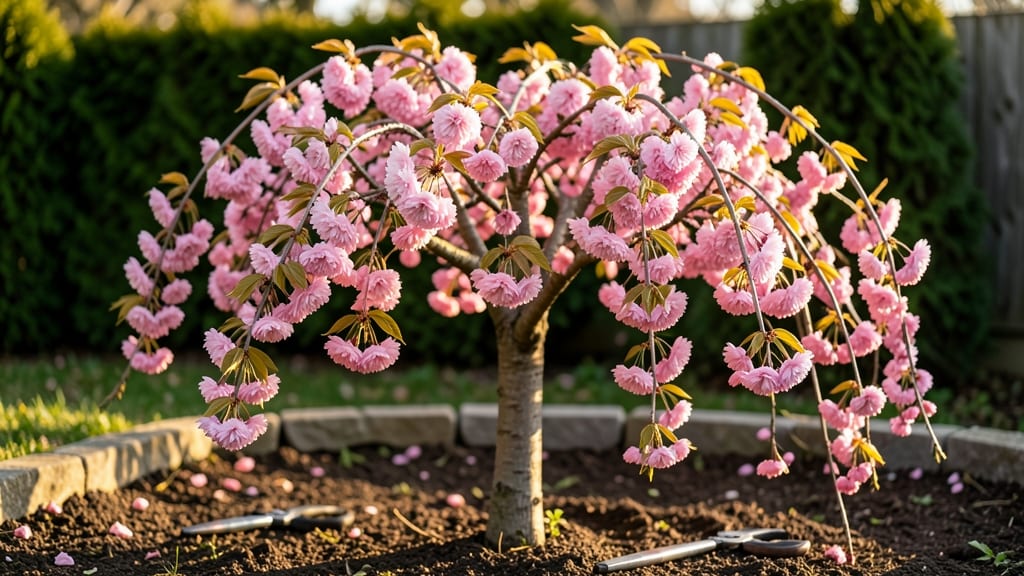
Transforming your yard with a weeping cherry tree starts with understanding its delicate branches and abundant blooms. 🌸 This graceful tree needs precise pruning to maintain its iconic cascading shape while encouraging vibrant flowers year after year.
My first attempt left me with uneven growth—until I learned the right timing and cuts.
The key to success lies in three simple tools: sharp pruners, a sturdy ladder, and a clear vision of the shape you want. Prune in late winter or early spring before buds swell, focusing on removing dead wood and thinning crowded branches.
This approach keeps your tree healthy and ensures those show-stopping spring blossoms return every season.
What you’ll end up with is a tree that becomes the centerpiece of your garden, its branches draping elegantly and its flowers creating a fragrant canopy.
The right pruning technique also prevents disease and pests by improving airflow through the canopy. With consistent care, your weeping cherry will thrive for decades.
Whether you're working with a young sapling or an established tree, the same principles apply. The difference between a struggling tree and a stunning landscape feature often comes down to timing and technique. Let’s get started with the steps that make all the difference.
📚 In This Guide
- What you need
- Instructions
- Tips and common mistakes
- Wrapping up and next steps
What you need
- ● Pruning shears: Bypass shears (sharp, 6–8" blades) for clean cuts on small branches.
- ● Loppers: 18–24" bypass or anvil loppers (for branches ½–2" thick). Must be sterilized (rubbing alcohol or bleach solution).
- ● Pruning saw: Curved-tooth handsaw for thick branches (>2" diameter).
- ● Gloves: Heavy-duty, cut-resistant (cherry tree branches can be thorny!).
- ○ Disposable pruning sealant: Optional but helpful for sealing larger cuts (>½") to prevent disease.
- ● Ladder or step stool: Sturdy, extendable (reach branches safely—no wobbly stools!).
- ● Trash bags/bucket: For collecting pruned branches (compost or dispose of diseased wood).
- ● Sharpie or permanent marker: To label cuts if training the tree.
- ● Handheld leaf blower: Clears debris post-pruning for a cleaner workspace.
- ● Pruning rope: For temporary support if training young branches.
- ● Disinfectant spray: 70% isopropyl alcohol to sterilize tools between cuts.
- ● Camera/phone: Snap progress pics—your tree’s transformation will be stunning!
Step-by-step pruning guide for a thriving weeping cherry tree
Transform your weeping cherry into a showstopper with this seasonal pruning routine.
✂️ Step 1: Prune in Late Winter for Spring Growth
Timing is everything—wait until late winter or early spring when the tree is still dormant but buds are swelling. This is the ideal window to shape your weeping cherry while encouraging strong new growth. I always prune before the first buds burst open, usually in February or March depending on your climate zone.
Start by removing any dead, diseased, or crossing branches using clean, sharp pruning shears. Cut just outside the branch collar—the swollen area where the branch meets the trunk. This ensures the wound heals properly and prevents decay. For thicker branches over ½ inch in diameter, use loppers to avoid tearing the bark.
🌿 Step 2: Thin and Shape for Airflow and Form
Weeping cherries grow best with an open, airy canopy. Look for branches that rub against each other or grow inward—these need to go first. I aim to remove about 20-25% of the tree's total growth in one session, focusing on branches that are too crowded or growing upright instead of cascading gracefully.
For shaping, step back often to visualize the tree's natural form. Weeping cherries have a graceful, drooping habit, so avoid heavy pruning that could disrupt this. Prune outer branches slightly more than inner ones to maintain that elegant, flowing silhouette. Never remove more than ¼ of the tree's foliage in a single year—this can stress the tree and reduce flowering.
✂️ Step 3: Light Summer Pruning for Bloom Maintenance
After the spring bloom, do a light pruning in early summer to remove any suckers—those vigorous shoots growing from the base or trunk. These compete with the main structure for nutrients. Also, trim back any branches that grew too long or leggy during the spring flush. Cut just above a leaf bud or side branch to encourage bushier growth.
This is also the time to remove any water sprouts—fast-growing, vertical shoots that appear along the trunk or branches. These don’t contribute to the tree’s beauty and can weaken its structure. Use your pruning shears to make clean cuts at a 45-degree angle just above a bud that faces outward. Avoid heavy pruning now—focus on maintenance and keeping the tree looking tidy.
⏰ Step 4: Fall Cleanup for Winter Readiness
In late fall, after the leaves have dropped but before the first hard frost, do a final cleanup. Remove any dead or diseased branches that may have appeared over the summer. Also, trim back any branches that grew too long or lost their graceful weeping shape. This keeps the tree healthy and prepares it for winter dormancy.
Disinfect your pruning tools with rubbing alcohol between cuts to prevent spreading disease. Rake up and dispose of any fallen leaves or debris from under the tree—this reduces the risk of fungal infections. Avoid heavy pruning in fall, as it can stimulate new growth that won’t harden off before winter. Instead, focus on tidying up and removing anything that could harm the tree’s health.
☀️ Step 5: Monitor and Adjust Throughout the Year
Keep an eye on your weeping cherry throughout the year. If you notice branches growing too upright or losing their weeping habit, do a light pruning in early spring to encourage the desired shape. Also, watch for signs of stress, such as yellowing leaves or stunted growth—these can indicate over-pruning or disease.
Weeping cherries are stunning when well-maintained, but they don’t tolerate harsh pruning. If you ever feel unsure about a cut, err on the side of caution. A little pruning now means fewer issues later—and a tree that blooms beautifully year after year. With consistent care, your weeping cherry will reward you with cascading blossoms and lush foliage for decades.
Tips & tricks for perfect weeping cherry tree pruning
A few strategic tips will help you maintain your weeping cherry's beauty while keeping it healthy for years to come.
Timing is Everything: The late winter/early spring window (February-March) is critical because you're working with the tree's natural growth cycle. If you prune too early, you risk damaging buds that haven't opened yet, while waiting too long means you'll cut into new growth. I always check for swollen buds as my cue - that's when I know it's time. In colder climates, wait until after the last frost date to be safe.
Tool Technique: Using the right tool for each branch size makes all the difference. For branches under ½ inch, standard pruning shears work perfectly - just make clean cuts just outside the branch collar. For thicker branches, loppers prevent crushing the bark. I keep a small bottle of rubbing alcohol handy to wipe between cuts - this simple step prevents spreading disease from branch to branch. Don't skip this, especially if you notice any signs of infection.
Shape with Purpose: When thinning in Step 2, think about creating an open vase shape that allows light and air to circulate. I like to visualize the tree's natural weeping habit and prune to enhance that graceful silhouette. A good rule of thumb is to remove branches that grow more than 45 degrees upward - these compete with the tree's natural form. Remember, you're aiming for that elegant, cascading look that makes weeping cherries so special.
Seasonal Maintenance: The light summer pruning (Step 3) is all about maintenance, not major shaping. Focus on removing suckers and water sprouts - these are your tree's way of trying to grow upright, which goes against its natural weeping form. I make it a habit to do this pruning right after the spring bloom when new growth is most visible. It's amazing how much healthier the tree looks after just a little attention during this critical growing period.
Pro Tips for Weeping Cherry Tree
- A few strategic tips will help you maintain your weeping cherry's beauty while keeping it healthy for years to come.
- Timing is Everything: The late winter/early spring window (February-March) is critical because you're working with the tree's natural growth cycle.
- Tool Technique: Using the right tool for each branch size makes all the difference.
Frequently asked questions
Got questions about keeping your weeping cherry tree (Prunus serrulata) in top shape? Here’s what you need to know—from pruning timing to troubleshooting common issues.
When is the best time to prune a weeping cherry tree for blooms?
Prune your weeping cherry tree right after flowering (late spring, around May) to avoid cutting off next year’s blossoms. Never prune in fall or winter—this can stimulate late-season growth that’s vulnerable to frost damage. Light shaping in early summer is fine, but avoid heavy cuts.
How much can I trim back without harming the tree?
Weeping cherries are forgiving, but never remove more than 25% of the canopy in one season. Focus on thinning out crowded branches (especially at the center) and shortening overgrown limbs by one-third to maintain its graceful shape. Pro tip: Use sharp bypass pruners for clean cuts!
What if my weeping cherry isn’t blooming as much as it used to?
Poor blooms often stem from over-pruning, nutrient deficiency, or age. Check for:
- Too many cuts in winter (dormant season)
- Compacted soil or lack of acidic, well-draining soil (pH 5.0–6.5)
- Older trees (20+ years) may need rejuvenation pruning—thin out 30% of the oldest wood.
Are weeping cherry trees prone to pests or diseases?
Yes! Watch for:
- Powdery mildew (white dust on leaves)—prune for airflow and apply fungicide.
- Borers or aphids—treat with horticultural oil or insecticidal soap.
- Cankers (sunken, dead areas)—remove infected branches 6 inches below the damage.
Can I grow a weeping cherry tree in a container?
Yes, but choose a dwarf variety (like ‘Kiku-shidare-zakura’) and a large, sturdy pot (15+ gallons) with drainage holes. Use a fast-draining potting mix and repot every 2–3 years. Note: Container trees may bloom less than in-ground plants due to root restriction.
Wrapping up and next steps
The weeping cherry tree is a stunning addition to any landscape, but its beauty thrives on proper care—especially pruning. By following this blueprint, you’ll ensure year-round blooms and a healthier, more vibrant tree. Whether you’re trimming for shape, health, or seasonal blooms, consistency is key! 🌸
Ready to take the next step? Grab your tools and schedule your first pruning session—spring or late winter is ideal. With patience and practice, your weeping cherry will reward you with graceful branches and breathtaking blossoms for years to come. Happy pruning!