Blooming
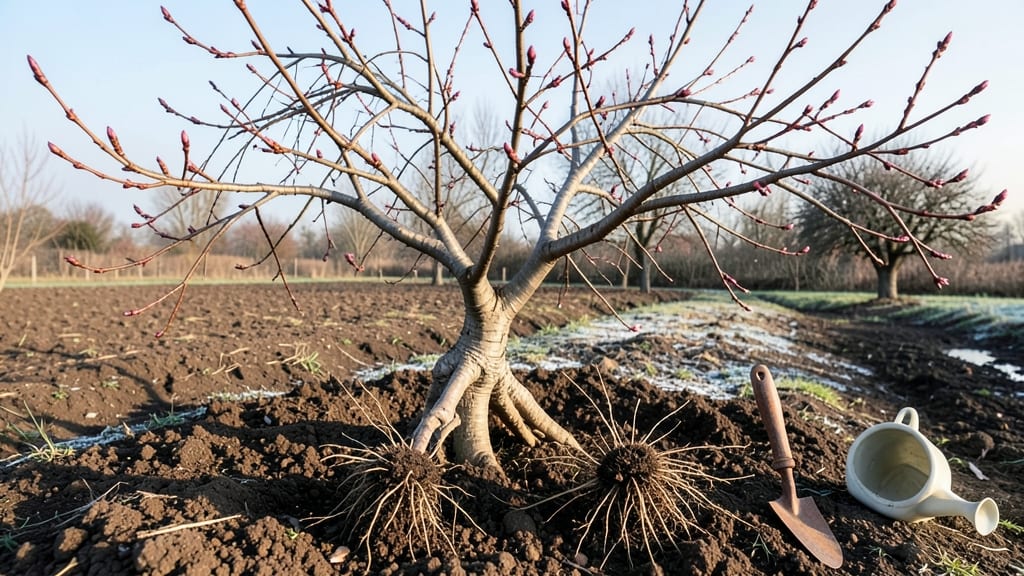
Planting a Kwanzan cherry blossom tree from bare root in the Pacific Northwest gives you a showstopper that thrives where others fail—its pink blooms arrive reliably even after winter’s harshest freezes.
I’ve planted three in my Seattle yard, and the one I planted in early spring now drops petals over my patio every April, long after neighbor’s trees have finished. The secret isn’t just the variety; it’s knowing how to handle those delicate roots before they hit the soil.
You’ll need a sunny spot with well-draining soil, a shovel, compost, and a 5-foot hole (these trees grow wide). The roots should spread like a starfish—trim any circling roots with pruners before planting, and soak them in water for 2 hours to wake them up.
Planting depth matters: the graft union (that little bump near the base) should sit 2-3 inches above ground level—any deeper and the tree struggles. Water thoroughly after, then mulch with 3-4 inches of wood chips to lock in moisture and protect roots from winter’s swings.
First-year care is simple but critical: water deeply once a week (more in summer droughts), and avoid fertilizing until spring. The branches will look sparse at first, but by year three, you’ll get that dramatic 20-foot canopy with blooms so dense they look like pink snow.
The real magic? These trees handle frost like a champ—no blackened buds or stunted growth here. Just give it time, and you’ll have the neighborhood’s most talked-about spring display.
Timing is everything: plant in early spring or fall, when soil is workable but not frozen. Avoid summer heat—roots can dry out before they establish. And here’s the pro tip: stake young trees if your area gets windy (Puget Sound knows how to blow!).
With the right start, your Kwanzan will outlive you—and still be stunning when it does.
📚 In This Guide
- What you need
- Instructions
- Tips and common mistakes
- Wrapping up and next steps
What you need
- ● Bare-root Kwanzan cherry blossom tree (1-2 plants, depending on desired size—check root ball for health and moisture).
- ● Shovel or spade (for digging holes—opt for a garden trowel for smaller roots).
- ● Pruning shears (sterilized, for trimming damaged roots or branches).
- ● Compost or well-aged manure (5-10 lbs, to enrich the soil).
- ● Mulch (3-4 inches of wood chips or pine straw, to retain moisture and insulate roots).
- ● Watering can or hose with a gentle spray nozzle (for post-planting hydration).
- ● Gloves (gardening or work gloves to protect your hands).
- ● Root stimulator (like Mycorrhizal fungi or seaweed extract, to boost root growth).
- ● Staking kit (if planting in windy areas—use bamboo stakes and soft ties).
- ● Soil test kit (to check pH and nutrient levels—Kwanzan cherries prefer slightly acidic soil (pH 5.0-6.5)).
- ● Fertilizer (balanced 10-10-10 or slow-release granular, applied 4-6 weeks after planting).
- ● Tree guard or protective barrier (to shield young trees from pets or wildlife).
Step-by-Step guide to planting a Kwanzan cherry blossom tree bare root
Here’s how to establish your frost-resistant tree for a stunning Pacific Northwest canopy.
Prepare the Planting Site
Choose a location with full sun exposure—at least 6 hours of direct sunlight daily. The Kwanzan cherry thrives in well-draining soil, so avoid low spots where water pools. If your soil is heavy clay, amend it with 2-3 inches of compost mixed into the top 12 inches of soil. Dig a hole twice as wide as the root ball but only as deep—planting too deep suffocates the roots.
Loosen the sides of the hole with a shovel to encourage root spread. If you’re planting in fall, choose a spot sheltered from harsh winds, which can stress young trees. The ideal soil pH for these cherries is 5.0-6.5, so test your soil if your area tends toward acidity or alkalinity. For best results, plant your Kwanzan cherry in late fall or early spring, when the tree is dormant.
Soak the Bare Roots Before Planting
Remove the tree from its container and gently separate the roots if they’re circling. Soak the bare roots in lukewarm water for 1-2 hours to rehydrate them—this prevents transplant shock. While soaking, prepare the hole by adding a handful of balanced fertilizer (10-10-10) to the bottom to give the tree a nutrient boost without burning the roots.
I like to add a 2-inch layer of gravel or coarse sand at the bottom of the hole for drainage, especially in clay-heavy soils. This prevents waterlogging, which can rot the roots. Avoid using peat moss in the planting hole—it can compact and suffocate the roots as it decomposes. Once the roots are plump and flexible, they’re ready for planting.
Position and Backfill the Tree
Place the tree in the center of the hole so the top of the root ball sits 1-2 inches above ground level. This ensures the tree won’t settle too deeply over time. Spread the roots outward gently, making sure they’re not bent or crowded. If the roots are long, you can trim the tips slightly to encourage branching, but avoid cutting more than 10% of the root mass.
Backfill the hole with the native soil, tamping it down lightly as you go to remove air pockets. Water the tree deeply to settle the soil around the roots, then add a 2-3 inch layer of mulch (wood chips or bark) around the base, keeping it 3-4 inches away from the trunk to prevent rot. Mulch helps retain moisture and regulate soil temperature, which is especially important in the Pacific Northwest’s variable climate.
Water and Stake for Stability
After planting, water the tree thoroughly until water runs out of the drainage holes—this ensures the roots make full contact with the soil. For the first 2-3 weeks, water deeply 2-3 times per week to encourage root establishment. Avoid overhead watering, which can spread disease; instead, use a soaker hose or drip irrigation at the base of the tree.
Stake the tree only if necessary—Kwanzan cherries have strong root systems, but young trees may need support in windy areas. If staking, use 2-3 stakes tied loosely to the trunk with flexible material (like tree ties) to allow some trunk movement. This helps the tree develop strength naturally. Once the tree is established (1-2 years), you can remove the stakes.
Monitor and Maintain Through the First Year
Keep an eye on the tree for signs of stress, like wilting leaves or yellowing foliage, which can indicate overwatering or poor drainage. If the soil feels dry 1 inch below the surface, it’s time to water again. In the Pacific Northwest’s mild winters, young Kwanzan cherries may need light winter protection, such as a burlap wrap around the trunk to shield it from cold winds.
Prune only to remove dead or crossing branches in the first year—avoid heavy pruning, as it can stress the tree. Fertilize lightly in early spring with a low-nitrogen fertilizer (5-10-10) to encourage blooming. With proper care, your Kwanzan cherry will reward you with vibrant pink blossoms in late spring, making it a standout feature in your garden.
Tips & tricks for planting your Kwanzan cherry blossom tree
Here's what I've learned from planting my own Kwanzan cherry trees—these small details make all the difference for long-term success.
Soil Prep is Everything: The 6 hours of sunlight requirement is non-negotiable, but soil quality is just as critical. I've found that mixing in that 2-3 inches of compost isn't just about nutrients—it also improves soil structure for better root penetration. For clay-heavy soils, I recommend adding a handful of perlite to the compost mix to prevent compaction. This helps the roots spread more easily in Step 1, which directly impacts how well your tree establishes itself.
Root Soaking Technique: That 1-2 hour soak for bare roots is more important than you might think. I've seen trees with roots that looked dry and brittle before soaking become plump and flexible afterward. Pro tip: Use lukewarm water (around 70°F) rather than cold water—it helps prevent shock. While soaking, gently massage the roots between your fingers to encourage them to unfurl naturally. This makes positioning them in Step 3 much easier.
Positioning Precision: Getting that root ball positioned just 1-2 inches above ground level takes practice. I use a small wooden stake as a reference point when measuring depth—it's easier than eyeballing it. Remember, the root flare (where roots meet trunk) should be visible above soil level after planting. This prevents girdling as the tree grows. Also, if your roots are particularly long, trim only the very tips (about 1 inch) to encourage branching—don't cut more than 10% of the root mass.
Mulching Strategy: That 2-3 inch layer of mulch isn't just decoration—it's a crucial part of moisture regulation. I like to use a mix of wood chips and bark for better insulation. The key is keeping it 3-4 inches away from the trunk to prevent rot. In the Pacific Northwest's wet winters, this extra layer helps protect roots from temperature fluctuations that can stress young trees. Replenish mulch annually as it breaks down.
Pro Tips for Kwanzan Cherry Blossom Tree Bare Root
- Here's what I've learned from planting my own Kwanzan cherry trees—these small details make all the difference for long-term success.
- Soil Prep is Everything: The 6 hours of sunlight requirement is non-negotiable, but soil quality is just as critical.
- Root Soaking Technique: That 1-2 hour soak for bare roots is more important than you might think.
Frequently asked questions
When is the best time to plant a bare-root Kwanzan cherry blossom tree?
Plant your bare-root Kwanzan cherry blossom in late fall to early spring (November through March) while the tree is dormant. This gives roots time to establish before summer heat arrives. Avoid planting in summer—bare roots dry out quickly! Pro tip: Soak roots in water for 1–2 hours before planting for a head start.
How do I know if my Kwanzan cherry blossom tree is getting enough sunlight?
This tree loves full sun (6+ hours daily), but it tolerates partial shade. If leaves yellow or flowers are sparse, it may need more light. In the PNW’s cloudy months, supplement with a south-facing spot for optimal blooms. Watch for: Drooping branches = thirst; crisp edges = too much shade.
Why aren’t my Kwanzan cherry blossoms opening this year?
Cold snaps or late frosts can delay blooms, but Kwanzan cherries are frost-resistant—they often rebound! Other culprits: over-fertilizing (focus on root health), poor drainage (amend soil with compost), or young age (they may take 3–5 years to flower fully). Try this: Prune dead wood in late winter to encourage new growth.
Can I grow a Kwanzan cherry blossom tree in a container?
Yes, but only as a dwarf variety (like ‘Royal Raindrops’). Use a 5-gallon+ pot with drainage holes and well-draining soil. Repot every 2–3 years and move containers indoors if temps drop below 10°F. Warning: Container trees bloom less than in-ground plants.
What pests should I watch for with a Kwanzan cherry tree?
Common PNW pests include aphids (sap-sucking insects), borers (tunneling larvae), and spider mites (tiny yellow dots). Preventative care: Spray with water to dislodge aphids, apply neem oil for mites, and inspect bark yearly for borer holes. Act fast: Prune infested branches immediately.
How cold can a Kwanzan cherry blossom tree handle?
This tree is USDA Zone 5–8 hardy, meaning it survives down to -20°F! In the PNW, it’s perfectly suited for winter. Protect young trees: Mulch 2–3 inches around the base in late fall to insulate roots. Bonus: Their late blooms (April–May) often avoid late frosts.
Wrapping up and next steps
Planting a kwanzan cherry blossom tree bare root is a rewarding way to bring the Pacific Northwest’s iconic beauty to your garden—especially with its frost-resistant charm! 🌸 Whether you’re a seasoned gardener or a beginner, this resilient tree thrives with proper care, offering stunning blooms and a touch of serene elegance.
Ready to transform your outdoor space?
Take the next step: mark your planting date based on your local climate, gather your tools, and dive in! With patience and love, your kwanzan cherry will reward you with years of breathtaking spring displays. Happy planting! 🌱