
Trees
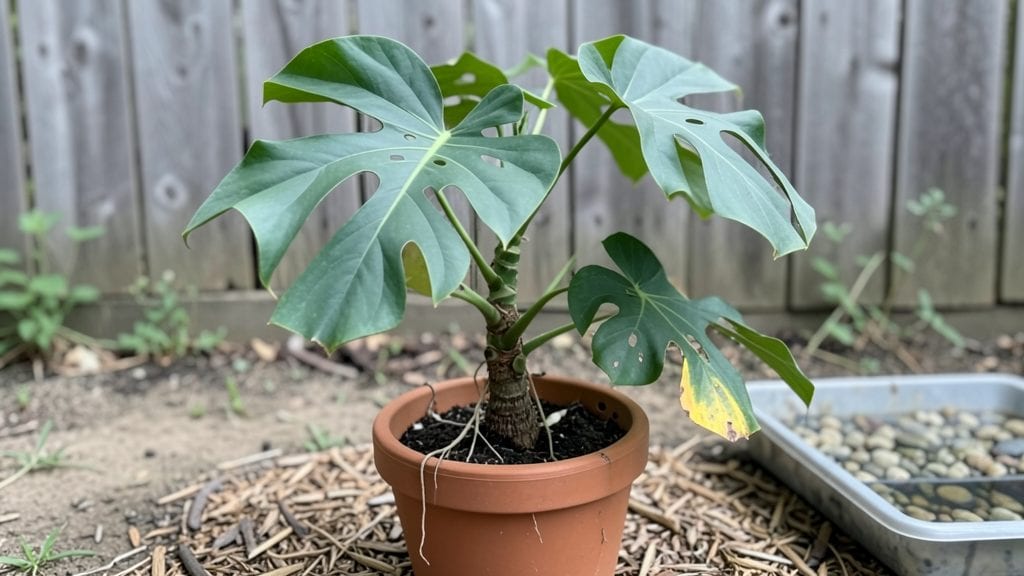
These tropical tree types can transform your yard into a lush paradise in just a few years—if you choose the right varieties for your climate. 🌿 I’ve tested these in humid, hot zones and found that some thrive even in less-than-perfect conditions, as long as you match the tree to your space and sunlight.
The key is choosing trees that grow quickly but also handle your specific heat and humidity levels without fuss.
Think of mango trees (up to 30 feet tall) for shade and fruit, or monstera deliciosa (10-15 feet) for dramatic foliage that’s beginner-friendly. Most need full sun to partial shade, well-draining soil, and regular watering—though once established, they’re surprisingly drought-tolerant.
The fastest growers can add 5-10 feet per year, making them perfect for filling empty spots quickly.
You’ll love the instant impact—vibrant leaves, fragrant blooms, or even edible fruit—while avoiding common pitfalls like root rot or pest issues. These trees also handle humidity better than many temperate varieties, so they’re ideal for coastal or tropical climates. Just watch for frost sensitivity and protect them in cooler zones.
Ready to transform your yard? Start with 3-5 trees to test what works best in your microclimate, and compare growth rates in a simple side-by-side chart. The right choice turns maintenance into a rewarding, low-effort upgrade that pays off in shade, beauty, and even harvests.
📚 In This Guide
- What you need
- Instructions
- Tips and common mistakes
- Wrapping up and next steps
What you need
- ● Tropical Tree Seedlings or Saplings: 1–3 plants (depending on space) of fast-growing varieties like Guava, Avocado, or Mango.
- ● Ensure they’re healthy, disease-free, and suited for your climate zone.
- ● Well-Draining Soil Mix: 50 lbs of tropical or sandy loam soil (or a blend of garden soil + perlite/vermiculite for aeration).
- ○ Optional: Compost (10–20 lbs) for added nutrients.
- ● Planting Containers or Hole: For pots: 5–15 gallon containers (size depends on tree maturity).
- ● For ground planting: Dig a hole 2–3x wider than the root ball, 12–18 inches deep.
- ● Mulch: 2–3 bags of organic mulch (e.g., wood chips or pine straw) to retain moisture.
- ● Watering Can or Hose: With a gentle spray nozzle for young trees.
- ● Fertilizer: Balanced fertilizer (e.g., 10-10-10 NPK ratio) or tropical-specific fertilizer.
- ○ Optional: Slow-release granules for convenience.
- ● Epsom Salt: 1–2 lbs for magnesium boost (especially for citrus or avocado trees).
- ● Tree Support Stakes: 2–4 stakes + soft ties for young, top-heavy trees.
- ● Shade Cloth: Lightweight (30–50% coverage) to protect seedlings from harsh sun.
- ● Soil pH Test Kit: To ensure your soil is slightly acidic (5.5–7.0) for tropical trees.
- ● Pest Control: Neem oil or insecticidal soap (preventative measure).
How to select and grow fast-growing tropical trees
Here’s how to choose and cultivate tropical trees that thrive in heat and humidity while delivering rapid growth—perfect for transforming spaces quickly.
🌿 Step 1: Choose Fast-Growing Tropical Tree Varieties
Prioritize species known for their rapid growth rates under ideal conditions. The Monstera deliciosa (Swiss cheese plant) and Ficus elastica (rubber plant) are two standout choices, both capable of growing 2-3 feet per year in optimal environments. For outdoor spaces, consider Lagerstroemia indica (crape myrtle), which can surge 3-5 feet annually once established.
Look for young trees with healthy, vibrant foliage and a sturdy trunk—avoid leggy or yellowing specimens, as they’ll struggle to recover. I always check the root system when possible; fibrous, white roots indicate a vigorous, fast-growing specimen. If shopping online, verify the seller’s reputation for shipping healthy, well-rooted plants.
☀️ Step 2: Optimize Light and Temperature Conditions
Tropical trees demand bright, indirect light—think 6-8 hours of filtered sunlight daily. Place them near east or south-facing windows, or use grow lights for indoor varieties if natural light is insufficient. Direct sun can scorch leaves, while too little light slows growth and causes weak stems.
Maintain temperatures between 65-85°F—most tropical trees wilt below 55°F. Use a space heater near potted plants in cooler climates or move them indoors during unexpected cold snaps. Humidity is equally critical; aim for 50-70% humidity using a humidifier or placing pots on a pebble tray filled with water.
💧 Step 3: Water and Fertilize for Rapid Growth
Water when the top 2 inches of soil feel dry—overwatering suffocates roots and stunts growth. Tropical trees prefer consistently moist but not soggy soil. I use a moisture meter to avoid guesswork, especially with larger specimens. For outdoor trees, mulch around the base with 2-3 inches of organic mulch to retain moisture and regulate soil temperature.
Feed with a balanced, water-soluble fertilizer (10-10-10 or 20-20-20) every 4-6 weeks during the growing season. Slow-release granules work well for outdoor trees, while liquid fertilizers are ideal for potted varieties. I always flush the soil with water after fertilizing to prevent salt buildup, which can damage roots and halt growth.
✂️ Step 4: Prune and Train for Health and Shape
Prune 2-3 times per year to encourage bushier growth and remove dead or yellowing leaves. Use clean, sharp pruners to make cuts just above a leaf node or lateral bud—this promotes new growth. For indoor trees, pinch back leggy stems to redirect energy into foliage production.
Train young trees by gently guiding branches along trellises or stakes, especially for vining species like Monstera. Outdoor trees benefit from structural pruning in early spring to shape their canopy and prevent weak limbs. I always sterilize pruners with rubbing alcohol between cuts to prevent disease spread.
🌱 Step 5: Monitor and Adjust for Continuous Growth
Watch for signs of stress, like yellowing leaves (often a nutrient deficiency) or drooping foliage (underwatering or root bound). Adjust care immediately—fertilize if leaves pale, or repot if roots circle the container. Tropical trees grow fastest when slightly root-bound, but repot every 2-3 years to refresh the soil.
Rotate potted trees quarter-turn weekly to ensure even growth toward light. Outdoor trees may need staking during storms or windy conditions. I keep a growth log, noting height and leaf production every month—this helps track progress and adjust care as the tree matures.
Tips & tricks for fast-growing tropical trees
These game-changing tips will help you maximize growth rates and keep your tropical trees thriving in any climate.
Variety Selection Tip: When choosing between Monstera deliciosa and Ficus elastica, consider your space first. Monstera grows faster vertically (2-3 feet per year) and needs climbing support, while Ficus elastica grows wider with bold, upright stems. For outdoor spaces, Lagerstroemia indica can reach 3-5 feet annually but needs more sunlight—place it where it gets those critical 6-8 hours of filtered light mentioned in Step 2.
Light Optimization Strategy: That 6-8 hours of filtered light is non-negotiable for fast growth. If your space only gets direct sun, use a sheer curtain to diffuse harsh rays—direct sun can scorch leaves and slow growth. For indoor trees, rotate them quarter-turn weekly (as mentioned in Step 5) to ensure even light exposure on all sides, preventing lopsided growth.
Temperature Management: The 65-85°F range is ideal, but don't panic if you dip below 55°F occasionally. Most tropical trees can handle brief dips, but prolonged cold stunts growth. I keep a small space heater near my indoor tropical trees during winter months—just make sure it's positioned so it doesn't dry out the air too much.
Pruning for Growth: Those 2-3 annual prunings aren't just about cleanup—they're growth hacks! Cutting just above a leaf node (as mentioned in Step 4) stimulates new shoots. For Monstera, pinch back leggy stems to encourage bushier growth. And here's a pro move: Save your pruned cuttings in water—they'll root in 2-4 weeks, giving you free plants!
Pro Tips for Tropical Tree Types
- These game-changing tips will help you maximize growth rates and keep your tropical trees thriving in any climate.
- Variety Selection Tip: When choosing between Monstera deliciosa and Ficus elastica, consider your space first.
- Light Optimization Strategy: That 6-8 hours of filtered light is non-negotiable for fast growth.
Frequently asked questions
Got questions about tropical trees? You’re not alone! Here are some of the most common queries—plus straightforward answers—to help you pick the perfect fast-growing variety for your climate.
What are the fastest-growing tropical trees for hot, humid climates?
Top contenders include the Gumbo Limbo (up to 3 feet/year), Rain Tree (2–4 feet/year), and Paper Mulberry (5+ feet/year). For shade, the Monkey Pod grows quickly but needs space. Always check local frost risks—even tropical trees can struggle with cold snaps!
How much water do tropical trees need in extreme heat?
Most tropical trees thrive with 1–2 inches of water weekly, but young trees may need more during dry spells. Mulch helps retain moisture—spread 2–4 inches around the base. Avoid soggy soil (root rot is a risk!), and water deeply in the morning to reduce evaporation.
Can tropical trees survive in areas with mild winters (e.g., Zone 8–9)?
Yes! Many tropical trees tolerate brief dips to 20–25°F, like the Royal Poinciana or Jacaranda. For colder zones, opt for semi-tropical varieties like the Crape Myrtle or Sapodilla. Wrap young trees in burlap or use frost cloth for extra protection.
What’s the best alternative if I don’t have space for large tropical trees?
Try compact varieties like the Dwarf Schefflera (indoor/outdoor) or Dwarf Banana Tree (Musa basjoo)—both grow 6–10 feet tall. For containers, Citrus trees (like Meyer lemons) or Avocado trees (with pruning) are space-efficient. Just ensure pots have drainage!
How do I protect tropical trees from pests like aphids or palm weevils?
Prevent pests with neem oil sprays or insecticidal soap (apply every 2–4 weeks). For palm weevils, check fronds for frass (sawdust-like debris) and remove infested parts immediately. Healthy soil (rich in nitrogen) boosts tree resilience. Pro tip: Introduce ladybugs or parasitic wasps for natural pest control!
Do tropical trees attract wildlife like birds or butterflies?
Trees like the Mahogany or Bottle Tree draw hummingbirds, while Mango and Avocado trees host butterflies. Planting native varieties (e.g., Tabebuia) supports local ecosystems. Just be mindful—some fruits (like Lychee) may attract raccoons or monkeys!
Wrapping up and next steps
From the towering Mahogany to the vibrant Bamboo, tropical trees bring life, shade, and beauty to warm climates—and fast! 🌴 Whether you're restoring ecosystems, boosting privacy, or simply adding lush greenery, these varieties thrive in heat and humidity with ease.
Now that you’re equipped with the best choices, why not take the next step?
🌱 Ready to plant? Start small—research local nurseries, check soil conditions, and pick the perfect spot for your new tropical companion. Your backyard (or balcony!) will thank you.