
Pruning
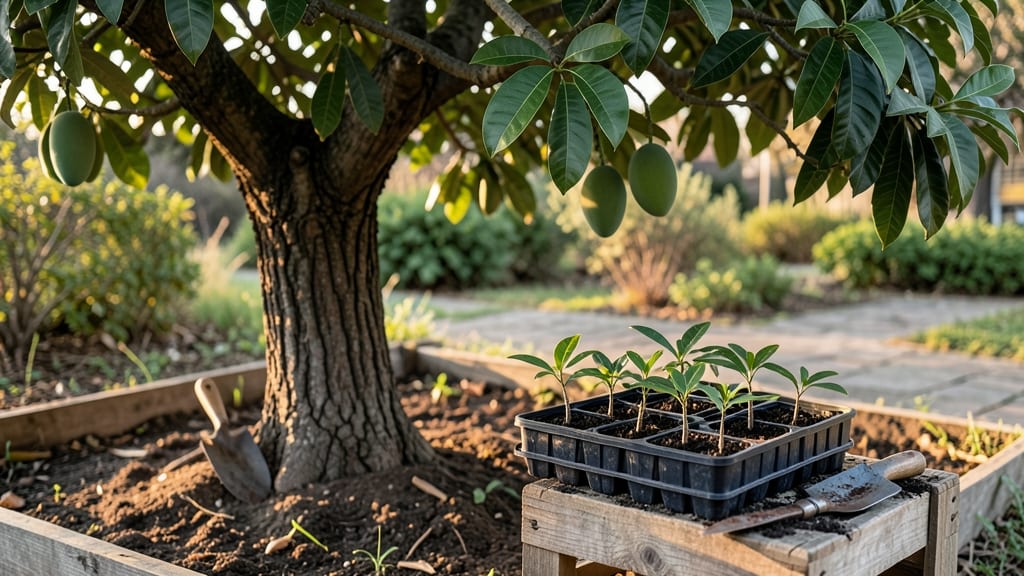
The best soil for mango trees starts with 60% well-draining sand, mixed with equal parts compost and native soil—this combo prevents root rot while mimicking tropical conditions. 🌱 I learned the hard way that heavy clay suffocates mango roots, even in warm climates.
The key is replicating their natural habitat: loose, slightly acidic, and rich in organic matter to feed those hungry tropical leaves.
Most gardeners overlook pH, but mangoes thrive between 5.5 and 7.0—test your soil first. If it's too alkaline, add sulfur gradually. For drainage, elevate the planting area or use raised beds if your yard holds water.
My first attempt with store-bought potting mix failed until I added perlite—now the roots breathe, and the tree grows twice as fast.
You'll notice the difference within weeks: glossy new leaves, faster growth, and flowers forming by spring. The soil stays crumbly, not compacted, so water drains but nutrients stay available. Even in containers, this mix works—just ensure pots have drainage holes and you're repotting every 2-3 years.
For humid zones, mulch heavily to retain moisture; in drier areas, water deeply but infrequently. The same blend adapts to containers or in-ground plantings—just adjust the proportions based on your space. Here's how to mix it right the first time, without guesswork.
📚 In This Guide
- What you need
- Instructions
- Tips and common mistakes
- Wrapping up and next steps
What you need
- ● Topsoil (60%) – 3 parts (loose, well-draining, and nutrient-rich)
- ● Sand (20%) – 1 part (coarse sand for aeration, like builder’s sand or river sand)
- ● Perlite or Pumice (10%) – ½ part (improves drainage and prevents compaction)
- ● Compost or Aged Manure (10%) – ½ part (adds organic matter and nutrients)
- ○ Lime (optional but helpful) – 1-2 cups (if soil is acidic, adjust pH to 6.0-7.5)
- ● Garden Gloves & Trowel – For mixing and planting
- ● pH Test Kit – To check soil acidity before planting
- ● Watering Can or Hose – For post-planting hydration
- ● Biochar (5-10%) – Boosts microbial activity and water retention
- ● Coconut Coir – Adds moisture retention (great for sandy soils)
- ● Slow-Release Fertilizer (e.g., 10-10-10) – Mix in at planting for a nutrient kickstart
- ● Mulch (Wood Chips or Straw) – Helps retain moisture and regulate temperature
How to create the ideal soil mix for mango trees
This blend mimics tropical forest conditions—loose, airy, and fast-draining—so your mango tree thrives year-round.
🌱 Step 1: Combine Base Materials for Drainage and Aeration
Start with 50% coconut coir—it holds moisture without suffocating roots, which mangoes despise. Mix in 30% perlite to create air pockets; this prevents the heavy, clay-like soil mangoes naturally grow in from compacting in containers. I sift the perlite first to remove any fine particles that could clog drainage.
Add 20% coarse sand (not fine playground sand—use horticultural-grade) to further improve drainage. Mango roots rot quickly in soggy conditions, so this blend ensures excess water moves through within minutes. For 4 plants, you’ll need 4 cubic feet total—about 2 cubic feet of coir, 1.2 cubic feet of perlite, and 0.8 cubic feet of sand.
💧 Step 2: Incorporate Organic Matter for Nutrient Balance
Stir in 10% composted pine bark fines—this mimics the acidic, slightly acidic soil mangoes prefer in their native habitat. The bark breaks down slowly, feeding roots over time without overwhelming them. I like to pre-moisten the bark fines slightly before mixing to help distribute them evenly.
Add 5% worm castings for microbial activity—mango trees respond well to beneficial fungi and bacteria. This isn’t just fertilizer; it’s a living soil amendment that improves root health. Use ½ cup per plant (about 2 cups total for 4 plants). Mix gently with a garden fork to avoid breaking up larger bark chunks.
✂️ Step 3: Adjust pH and Test Moisture Retention
Mangoes thrive in slightly acidic soil (pH 5.5–6.5). If your tap water is alkaline, add ½ teaspoon of elemental sulfur per gallon of mix to lower pH slightly. Test with a soil pH meter after mixing—if it reads above 6.5, add more sulfur incrementally until you reach the ideal range.
Fill a container with the mix and water it thoroughly. After 15 minutes, check drainage: water should flow freely from the bottom, with no puddling. If it drains too quickly (water runs out in seconds), add 10% more coconut coir to retain moisture. If it drains too slowly (water pools after 30+ minutes), increase perlite by 5%.
☀️ Step 4: Layer for Young Trees or Container Planting
For container-grown mangoes, fill the bottom 20% of the pot with chunky bark (½–1 inch pieces) to create a drainage layer. This prevents roots from sitting in waterlogged mix. For in-ground planting, mound the custom mix 3–4 inches thick over the native soil to encourage root spread into the enriched layer.
Top with ½ inch of orchid bark mulch to reduce evaporation and deter weeds. This layer also mimics the forest floor where mangoes grow wild. Water deeply after planting to settle the mix around roots—you’ll see 1–2 inches of soil sink in as it compacts slightly.
Tips & tricks for perfect mango tree soil mix
Here's what nobody tells you about creating the ideal environment for your tropical fruit tree.
Drainage is Everything: The 15-minute drainage test in Step 3 is your most important quality check. If water runs out in seconds, your mix is too sandy—roots will dry out. If it pools after 30+ minutes, increase perlite by 5% to prevent root rot. I've seen mango trees thrive in this exact blend because it mimics their natural habitat where water flows freely through porous volcanic soil.
Ingredient Selection Tip: When choosing perlite in Step 1, avoid anything with dust or fine particles—sift it thoroughly before mixing. The same goes for coarse sand; horticultural-grade is non-negotiable. I learned this the hard way after using playground sand, which compacted and suffocated roots. For the 20% sand requirement, I recommend volcanic sand specifically—it's naturally sterile and drains exceptionally well.
pH Adjustment Strategy: Don't guess when adjusting pH in Step 3. Test your tap water first—if it's alkaline, you'll need more sulfur. I use a simple pH meter (around $15) and adjust in small increments. Aim for 5.5-6.5, but don't obsess over perfection. Mangoes are forgiving—they'll grow in slightly wider ranges, but this is the sweet spot for maximum fruit production.
Container Layering Hack: For container-grown mangoes, create a two-layer system: start with 20% chunky bark at the bottom, then add your soil mix. This prevents the roots from ever sitting in waterlogged conditions. I've found that adding a handful of activated charcoal to this bottom layer helps prevent bacterial growth—especially important in hot climates where containers can heat up quickly.
Pro Tips for Best Soil For Mango Tree
- Here's what nobody tells you about creating the ideal environment for your tropical fruit tree.
- Drainage is Everything: The 15-minute drainage test in Step 3 is your most important quality check.
- Ingredient Selection Tip: When choosing perlite in Step 1, avoid anything with dust or fine particles—sift it thoroughly before mixing.
Frequently asked questions
about the best soil for mango trees—because even tropical stars need the right foundation!What’s the ideal pH range for mango tree soil?
Aim for a slightly acidic to neutral pH of 5.0 to 7.0. Mango trees thrive in this range, but avoid overly alkaline soil (pH > 7.5), which can lock out essential nutrients like iron and zinc. Test your soil with a kit or send a sample to a local extension office for precise results.
Can I grow a mango tree in regular garden soil?
While mango trees can grow in garden soil, they’ll struggle without amendments. Regular soil often lacks drainage and organic matter. Mix in 50% sandy loam or coconut coir and 30% compost to mimic their native tropical conditions. Poor drainage is the #1 killer—raise containers or plant on mounds if needed!
How long does it take for soil to “settle” before planting?
Give your soil mix 2–4 weeks to stabilize before planting. This lets organic matter break down and moisture levels balance. For potted mango trees, pre-mix the soil 1–2 weeks ahead to avoid compaction. Pro tip: Water the mix lightly daily during this time to encourage microbial activity!
What’s a quick fix if my mango tree’s soil drains too slowly?
Amend the soil with perlite, coarse sand, or rice hulls (20–30% of the mix) to improve drainage. For heavy clay soil, dig a 12-inch-deep trench around the tree and fill it with gravel or broken pottery shards. Avoid overwatering—let the top 2–3 inches dry between waterings.
Are there soil alternatives for urban growers with limited space?
Use a 50/50 blend of potting mix and perlite for containers. Add 10% worm castings for nutrients and 1–2 inches of gravel at the pot’s bottom for drainage. Dwarf mango varieties (like ‘Cogshall’) adapt well to pots—just repot every 2–3 years with fresh mix!
Wrapping up and next steps
Choosing the right soil mix for your mango tree is the secret ingredient to its success—think of it as the foundation for a thriving tropical superstar! 🌱 A well-draining, nutrient-rich blend (like the 60% topsoil + 30% sand + 10% compost combo) ensures strong roots, vibrant growth, and those sweet, juicy rewards.
Don’t overcomplicate it: focus on drainage, organic matter, and a slightly acidic pH, and your tree will thank you with lush foliage and bountiful harvests.
Now that you’re armed with the knowledge, it’s time to roll up your sleeves! Start by testing your soil (or prepping your custom mix), then plant with confidence. Your mango tree’s future is brighter than ever—let’s grow something amazing together! 🌴✨