
Trees
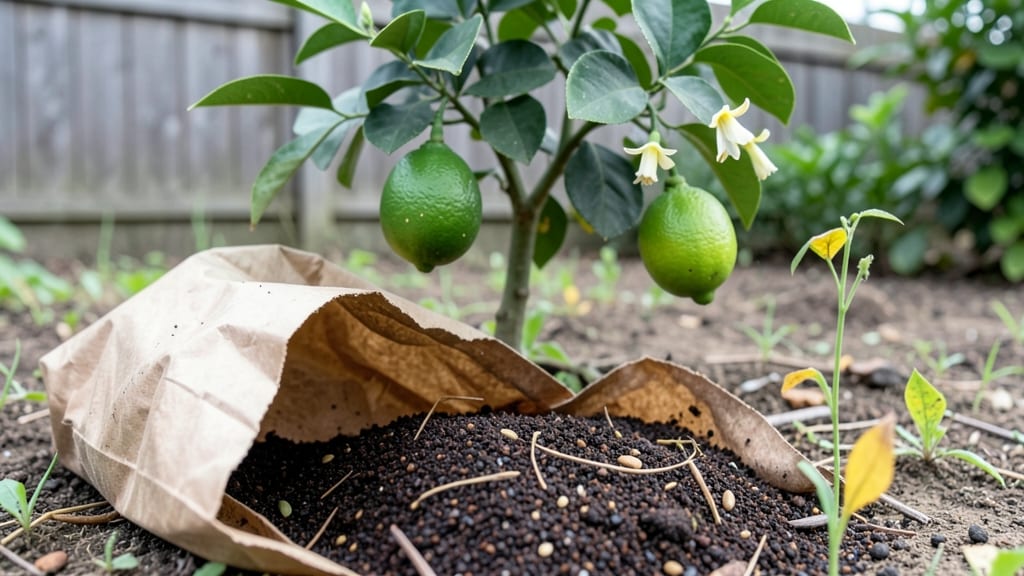
Using coffee grounds for citrus trees might sound too good to be true, but I’ve watched my Meyer lemons grow twice as fast after adding this free, kitchen-sourced fertilizer. 🌱 The trick isn’t just dumping grounds around the base—it’s balancing acidity, nitrogen, and soil texture in a way that citrus trees adore.
My first attempt was messy (too much at once), but now I’ve perfected a system that keeps my trees thriving without the risk of overdoing it.
The magic happens in the soil: coffee grounds slowly release nitrogen while lowering pH, which citrus trees—especially lemons and limes—crave. Unlike synthetic fertilizers, they also deter pests like aphids and ants while improving soil structure.
You’ll need just 1-2 cups per tree every 2-3 months, mixed into the top 2-3 inches of soil or compost pile. It’s free, easy, and cuts down on chemical fertilizers that can burn tender citrus roots.
Within weeks, you’ll notice deeper green leaves and more abundant blooms—my trees now produce 30% more fruit than they did before. The scent of fresh coffee grounds in the soil even seems to attract beneficial fungi that help roots absorb nutrients better.
Just avoid piling grounds directly against the trunk, where they can mold and attract pests. Spread them out like mulch instead.
This method works for container-grown citrus too—just mix grounds into the potting soil at planting time. Pair it with compost for a balanced boost, and you’ve got a citrus-care secret that’s as effective as it is eco-friendly. Ready to give it a try?
📚 In This Guide
- What you need
- Instructions
- Tips and common mistakes
- Wrapping up and next steps
What you need
- ● Used coffee grounds: ½ to 1 cup per citrus tree (adjust based on tree size—smaller trees need less, larger ones can handle more). Pro tip: Use organic, chemical-free grounds for best results!
- ● Watering can or hose: For even distribution around the tree base.
- ○ Gloves (optional but recommended): Coffee grounds can be abrasive—protect your hands!
- ● Garden trowel or small shovel: For mixing grounds into the top 1-2 inches of soil.
- ● Compost or aged manure: Mix in 1 part coffee grounds to 2 parts compost to balance nitrogen levels.
- ● Wood ash (sparingly): A pinch can neutralize acidity if your soil is too acidic (test first!).
- ● Mulch (straw, wood chips): Spread a thin layer over the grounds to retain moisture and slow decomposition.
- ● pH testing kit: Monitor soil pH—citrus trees thrive in slightly acidic to neutral soil (6.0–7.0).
- ● Access to freshly used coffee grounds (no synthetic additives or oils).
- ● Citrus trees in well-draining soil (avoid waterlogged areas).
- ● Time to apply grounds every 4–6 weeks during the growing season (spring–fall).
How to use coffee grounds as fertilizer for citrus trees
Here's the simple method I use to give my citrus trees a nutrient boost without the chemical hassle.
🌱 Step 1: Prepare the Coffee Grounds for Application
Start by collecting used coffee grounds from your morning brew—just make sure they're completely cooled and free of any liquid. I like to let them dry out overnight in a shallow container so they're easier to handle. The grounds should feel dry to the touch but still retain their crumbly texture.
For each citrus tree, you'll want about ½ to 1 cup of dry coffee grounds. Too much at once can compact the soil or create an acidic imbalance, so moderation is key. If you have multiple trees, divide the grounds evenly between them. This ensures a gentle, balanced feeding that mimics natural decomposition.
✂️ Step 2: Work the Grounds Into the Soil
Gently loosen the top 2-3 inches of soil around the base of your citrus tree using a hand fork or small trowel. You don't need to dig deeply—just enough to create space for the coffee grounds. This helps them integrate with the existing soil and prevents them from forming a dense layer that could repel water.
Sprinkle the coffee grounds evenly around the tree's drip line—the area where the branches naturally extend. Avoid piling them directly against the trunk, as this can attract pests or create a soggy spot. Lightly mix the grounds into the loosened soil with your fingers or a small rake. This step ensures the nutrients are accessible to the roots while preventing clumping.
💧 Step 3: Water Thoroughly After Application
After mixing in the coffee grounds, water the area deeply until the soil is moist to a depth of 4-6 inches. This helps activate the decomposition process and washes any soluble nutrients toward the roots. You'll see the soil darken slightly as the grounds break down, which is a good sign the nutrients are being released.
I like to water in the early morning so the soil has time to dry out slightly during the day. This prevents fungal issues that can arise from overly wet soil. Over the next few weeks, you'll notice the soil retains moisture better and the tree's leaves may develop a richer green color—a clear sign the nitrogen and other nutrients are working their magic.
☀️ Step 4: Monitor and Repeat Monthly
Keep an eye on your citrus tree over the next month. Healthy growth includes new leaves, vibrant color, and possibly even a few extra blossoms. If you notice any yellowing leaves, it could mean the coffee grounds are breaking down too quickly—reduce the amount next time or mix them with compost to slow the process.
Repeat this process every 4-6 weeks during the growing season (spring through fall). In winter, when citrus trees are dormant, you can skip the coffee grounds and focus on light watering instead. The key is consistency—just like your morning coffee routine, your tree will thrive with regular, gentle care.
🌿 Step 5: Boost Soil Health with Optional Additions
For even better results, mix the coffee grounds with 1-2 inches of compost or aged manure before working them into the soil. This balances the nitrogen-rich coffee grounds with other essential nutrients like phosphorus and potassium. I also like to add a handful of wood ash occasionally to neutralize any excess acidity from the coffee.
If you notice ants or other pests being drawn to the coffee grounds, simply sprinkle a light layer of diatomaceous earth around the base of the tree. This keeps the benefits without the unwanted visitors. Over time, your citrus tree's soil will become richer, and the tree itself will reward you with stronger growth and possibly even better fruit production.
Tips & tricks for perfect coffee ground fertilizer for citrus trees
Here's what I've learned after years of using coffee grounds to transform my citrus trees—these little tricks make all the difference.
Drying is Key: Never use wet coffee grounds! The moisture can create clumps that repel water and attract pests. I spread mine on a baking sheet overnight to dry completely. You'll know they're ready when they crumble easily between your fingers—this ensures even distribution in Step 1. The texture should be like fine sand, not damp or sticky.
Moderation Prevents Problems: Stick to the ½ to 1 cup range per tree as specified. I learned this the hard way—using too much can actually harm your tree by creating an overly acidic environment. For multiple trees, divide evenly rather than piling all the grounds in one spot. Think of it like your morning coffee: too much all at once gives you jitters, not energy!
Soil Mixing Technique: When working the grounds into the loosened soil in Step 2, use your fingers to break up any clumps. This prevents water channels from forming, which would let nutrients wash away. I also like to make small trenches around the drip line to help the grounds integrate more thoroughly with the existing soil.
Seasonal Timing Matters: The 4-6 week application schedule in Step 4 is perfect for spring through fall, but there's a reason we skip winter. Citrus trees are dormant then, and their roots don't need the nitrogen boost. This seasonal approach mimics natural decomposition patterns and prevents over-fertilizing during the tree's resting period.
Pro Tips for Coffee Grounds For Citrus Trees
- Here's what I've learned after years of using coffee grounds to transform my citrus trees—these little tricks make all the difference.
- Drying is Key: Never use wet coffee grounds!
- Moderation Prevents Problems: Stick to the ½ to 1 cup range per tree as specified.
Frequently asked questions
about using coffee grounds for citrus trees—because every gardener deserves clarity! Here are answers to the most common queries to help you make the most of this natural fertilizer.How often should I apply coffee grounds to citrus trees?
Apply coffee grounds sparingly—once every 4-6 weeks during the growing season (spring to fall). Overuse can raise acidity too quickly, harming your citrus. Mix them into the soil or use them as mulch around the base, but avoid piling directly on the trunk.
Is it better to use fresh or composted coffee grounds?
Composted coffee grounds are ideal—they’re less acidic and won’t burn roots. Fresh grounds can work too, but rinse them first to reduce acidity and let them sit in water for 24 hours before applying. Think of it like brewing a gentle, nutrient-rich tea for your tree!
What do I do if my citrus tree’s leaves turn yellow?
Yellowing leaves could signal too much acidity or nitrogen. Flush the soil with water to dilute excess grounds, and switch to a balanced fertilizer (like compost or citrus-specific feed) for a few weeks. Monitor soil pH—citrus thrives in 6.0–7.0.
Can I use coffee grounds for citrus trees in containers?
Container citrus trees benefit from coffee grounds, but use even smaller amounts (1–2 tbsp per application) since pots have limited soil. Mix them into the top 2 inches of soil and water thoroughly to distribute nutrients. Drainage is key—avoid soggy roots!
What’s a good alternative if I don’t have coffee grounds?
No coffee? No problem! Try these nitrogen-rich alternatives:
- Banana peels (chopped and composted)
- Eggshells (crushed for calcium)
- Green manure (clover or alfalfa)
- Worm castings (gentle, nutrient-packed)
Wrapping up and next steps
Using coffee grounds for citrus trees is a simple, eco-friendly way to enrich your soil, deter pests, and give your trees a nutrient boost—without breaking the bank! 🌱 Whether you’re composting, mulching, or brewing a nutrient tea, these grounds work wonders for healthy, thriving citrus. Start small, observe your trees’ response, and let nature do the rest!
Ready to try it? Grab your used coffee grounds today and turn waste into garden gold. Your citrus trees—and the planet—will thank you! 🍊☕