Pruning
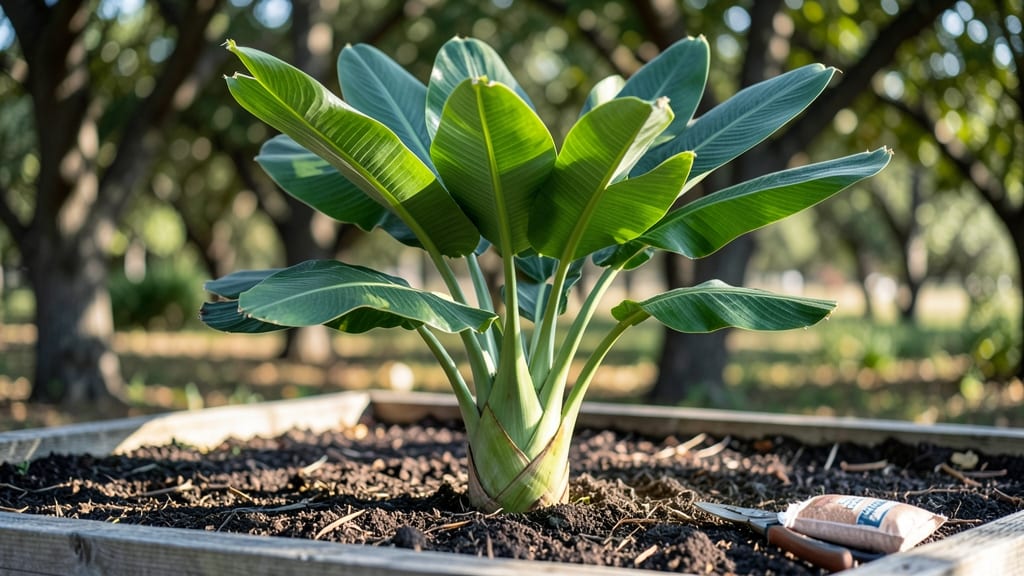
Your Basjoo banana tree isn’t just a plant—it’s a year-round architectural statement that thrives in the Pacific Northwest’s damp climate. 🌿 I’ve pruned mine for five seasons now, and the key is timing: late winter cuts reveal fresh canes while protecting it from early frosts, while summer trims keep it lush without sacrificing next year’s growth.
The secret lies in sharp pruning shears and a 3-step approach: remove dead leaves first, then trim back canes to 12–18 inches from the ground, and finally shape the remaining foliage for balance.
Most beginners over-prune in spring, but Basjoos bounce back faster than you’d think—even with just a few canes left, they’ll regrow aggressively by summer.
What you end up with is a tropical-looking giant that produces edible bananas (though they’re more decorative than sweet) and stunning foliage year-round. The first harvest of new leaves in spring is shocking—bright green and foot-long—while the winter skeleton adds texture to any garden.
Here’s how to keep yours thriving without the common mistakes.
This method works equally well for urban yards, large landscapes, or even large containers—just adjust the pruning height based on your space. Whether you’re growing it for fruit, foliage, or that “I’m in Hawaii” vibe, the same principles apply. Let’s get those canes looking sharp!
📚 In This Guide
- What you need
- Instructions
- Tips and common mistakes
- Wrapping up and next steps
What you need
- ● Pruning shears: Bypass pruners (sharp, clean, and sterilized with rubbing alcohol to prevent disease). Size: 6–8" blades for medium branches.
- ● Loppers: For thicker stems (½"–1.5" diameter). Look for: Ratchet-style for leverage.
- ● Hand saw: Pruning saw with fine teeth (for stubborn branches >1.5" thick).
- ● Gloves: Heavy-duty work gloves (thorn-resistant if your tree has spines!).
- ● Disinfectant: 70% isopropyl alcohol or bleach solution (1 part bleach to 9 parts water).
- ● Trash bags or compost bin: For clippings (basjoo banana leaves do not compost easily—toss them!).
- ○ Marking twine or flags: To tag branches for removal (optional but helpful for complex pruning).
- ● Extension pole saw: For high branches (if you’re not using a ladder).
- ● Ladder: Sturdy, non-slip ladder (4–6 ft tall for most basjoo trees). Safety first!
- ● Sealant (pruning paint):strong> Copper-based sealant for large cuts (>2" diameter) to prevent rot.
- ● Mulch: Shredded bark or wood chips to protect roots post-pruning.
- ● Camera/phone: To document your tree’s progress before/after!
Step-by-step instructions for pruning your Basjoo banana tree
This is the pruning routine I’ve used for years to keep my Basjoo thriving in the Pacific Northwest’s mild, damp climate.
✂️ Step 1: Prune Dead or Damaged Fronds in Early Spring
Start in late February or early March when new growth begins but before the first flush of leaves appears. Look for fronds that are brown, brittle, or torn—these won’t recover and just take energy from your plant. I grab my pruners and cut each dead frond at the base, about ½ inch above the trunk.
Here’s the thing—don’t rush this. Take your time to inspect every frond. A few stubborn dead ones can hide behind healthy leaves, and leaving them on invites pests or disease. If a frond is still green but completely dry, it’s dead. If it’s brown but still slightly pliable, it’s not ready to be removed yet.
🌿 Step 2: Thin Out Overcrowded Fronds in Late Spring
By late May or early June, your Basjoo will have a mix of mature fronds and new growth. The goal now is to improve airflow and light penetration. I remove about 20-30% of the oldest, largest fronds, focusing on the ones that are fully unfurled and no longer producing energy.
Use sharp pruners to cut cleanly at the base. Avoid tearing the frond—it leaves a messy stub that can rot. If you’re unsure which to remove, pick the ones that are closest to the ground or blocking sunlight from reaching the center of the plant. This step keeps your tree looking neat and prevents fungal issues from trapped moisture.
✂️ Step 3: Lightly Trim New Growth in Summer
Throughout June, July, and August, your Basjoo will produce new fronds that can get leggy or crowded. I do a light maintenance trim every 4-6 weeks, focusing on fronds that are growing at odd angles or blocking others. Cut back any fronds that are growing toward the center of the plant—they’ll compete for light and weaken the tree.
This is also the time to remove any flower stalks if they appear. While Basjoo bananas are sterile, the energy spent on flowers diverts from foliage growth. Snip them off at the base as soon as you spot them. A little prevention now means a bushier, healthier tree later.
🪴 Step 4: Clean Up and Prepare for Winter in Fall
By October or November, most fronds will have turned brown and died back naturally. It’s time for a final cleanup. Remove any remaining dead fronds, but leave the empty stalks—they provide some winter protection for the crown. I also rake up and dispose of all fallen leaves to reduce pest habitat.
Here’s a pro tip: If your Basjoo is in a container, this is the time to check the roots. Gently loosen the top inch of soil and look for roots growing in circles. If you see that, it’s a sign your tree needs a larger pot. Real talk: I’ve learned the hard way that skipping this step leads to root-bound stress, which weakens the plant for next year’s growth.
Tips & tricks for pruning your Basjoo banana tree
Let me share the hard-won wisdom that’s kept my Basjoo thriving through PNW winters and summers alike.
Timing is Everything: The late February/March window in Step 1 isn't just arbitrary—it's when your tree naturally begins its growth cycle. If you prune too early, you risk damaging new buds trying to emerge. I've learned this the hard way after accidentally pruning in January and seeing stunted growth all spring. Wait until you see those first tiny green shoots at the base before grabbing your pruners.
Tool Selection Matters: Never use dull pruners—they tear fronds instead of making clean cuts. I invest in sharp, bypass pruners that glide through the tough fronds like butter. For thick stalks, a small handsaw works better than pruners. Always sterilize your tools with rubbing alcohol between cuts to prevent spreading disease from any damaged areas you might encounter.
Visual Cues Over Guessing: When deciding which fronds to remove in Step 2, focus on these visual clues: fully unfurled fronds that are no longer producing energy (they'll be yellowing at the base) and ones blocking light from reaching the center. I've found that removing fronds closest to the ground first improves airflow dramatically. Think of it like thinning a haircut—you want to create movement and space for new growth.
Root Check is Non-Negotiable: That fall root check in Step 4 isn't optional—it's your early warning system. If you see roots circling like a snake, your tree is already stressed. I've had to repot trees because I ignored this step, and the recovery took two full growing seasons. Use a root rake to gently loosen compacted soil if repotting isn't immediately possible. This gives roots room to breathe and access nutrients.
Pro Tips for Basjoo Banana Tree
- Let me share the hard-won wisdom that’s kept my Basjoo thriving through PNW winters and summers alike.
- Timing is Everything: The late February/March window in Step 1 isn't just arbitrary—it's when your tree naturally beg...
- Tool Selection Matters: Never use dull pruners—they tear fronds instead of making clean cuts. I invest in sharp, bypa...
Frequently asked questions
Got questions about pruning your Musa basjoo (Basjoo banana tree)?
You’re not alone—this fast-growing plant thrives in the Pacific Northwest but needs the right care to stay healthy. Here are the answers to common concerns, from timing to troubleshooting, so you can keep your tree lush and productive year-round.
When is the best time to prune a Basjoo banana tree?
Prune your Basjoo banana tree in early spring (March–April) before new growth begins. This gives the tree time to recover and avoids damaging buds. Light trimming of dead or damaged fronds can happen anytime, but avoid heavy pruning in fall or winter—it stresses the plant when it’s dormant. Pro tip: Wait until after a hard frost if you’re in a cold PNW zone!
How do I protect my Basjoo banana tree in winter?
Basjoo banana trees are hardy to USDA Zone 6 but benefit from winter protection in colder PNW areas. Wrap the trunk with burlap or frost cloth and mulch heavily (6–12 inches) around the base. Avoid heavy pruning in fall—leave some fronds to insulate the center. If temperatures drop below 10°F, add a mini greenhouse (like a plastic tunnel) for extra warmth.
Why are my Basjoo banana tree leaves turning yellow?
Yellow leaves usually signal overwatering, poor drainage, or nutrient deficiency. Check the soil—it should be moist but not soggy. Amend heavy clay soil with compost to improve drainage. Yellowing at the tips often means fluoride buildup (common in PNW tap water). Switch to rainwater or distilled water, and fertilize lightly with a balanced, organic fertilizer in spring.
Can I grow a Basjoo banana tree in a container?
Basjoo banana trees adapt well to large containers (15+ gallons), making them perfect for patios or small yards. Use a well-draining potting mix with perlite or sand, and ensure the pot has drainage holes. Move containers indoors or to a sheltered spot in winter if temps drop below 20°F. Just remember: Container-grown trees need more frequent watering and fertilizer than in-ground plants.
How do I revive a Basjoo banana tree that’s been over-pruned?
If you’ve trimmed too aggressively, don’t panic! Basjoo banana trees are resilient. Stop pruning immediately and focus on hydration and nutrients. Water deeply but avoid waterlogging, and fertilize with a high-potassium formula to encourage regrowth. In 2–3 months, new shoots should emerge from the base. If no growth appears after 6 months, consider replanting a cutting from a healthy section of the trunk.
Wrapping up and next steps
Growing a thriving basjoo banana tree in the Pacific Northwest is totally doable—even with our chilly, damp climate! 🌿 With the right pruning techniques, you’ll encourage year-round growth, protect your tree from winter damage, and enjoy its stunning foliage for seasons to come.
Remember, patience and consistency are key, so don’t rush the process.
Ready to take the next step? Start by marking your calendar for your first pruning session in early spring—then watch your basjoo banana tree flourish! 🌱