
Trees
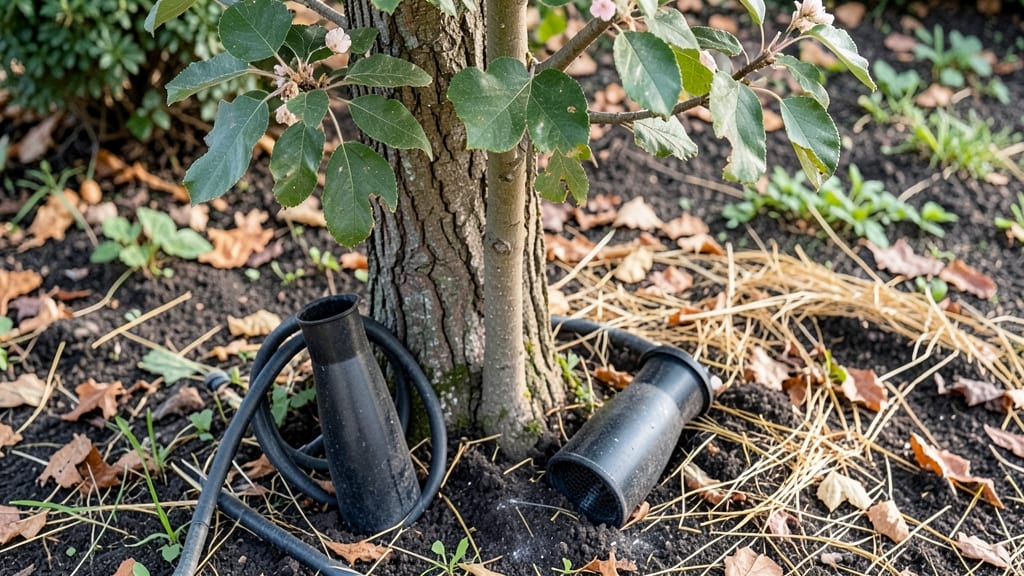
The right sprayer for trees transforms a chore into a precise, effective care routine that keeps your canopy thriving. 🌳 I learned this the hard way after wasting fungicide on my oak's bark—only to realize I needed a sprayer with adjustable nozzles to reach the leaves without runoff.
The wrong tool means wasted chemicals, missed spots, and stressed trees.
Your options range from hose-end sprayers (great for small trees or quick foliar feeds) to backpack sprayers (ideal for large properties) and even mist blowers (for dense canopies). Coverage area matters: a 10-foot spray pattern works for a single maple, while a 20-foot mist blower handles an entire orchard.
Portability is key too—carry a 2-gallon backpack to remote trees or hook a hose-end model to your water line for convenience.
You’ll see healthier foliage within weeks if you time applications right—early morning or late evening avoids leaf burn, and diluted solutions prevent chemical stress. A proper sprayer ensures even coverage, so every leaf gets protection against pests or disease.
No more guessing whether your treatment worked or just dripped onto the lawn.
Whether you’re treating a single apple tree or a whole grove, the right sprayer makes all the difference. Let’s match your tool to your trees’ needs—so you get consistent, damage-free results every season.
📚 In This Guide
- What you need
- Instructions
- Tips and common mistakes
- Wrapping up and next steps
What you need
- ● Sprayer: Backpack sprayer (3–5 gallon capacity) – ideal for large trees or multiple applications
- ● Handheld pump sprayer (1–2 gallon capacity) – great for smaller trees or spot treatments
- ○ Hose-end sprayer (optional) – for quick, water-based applications
- ● Nozzles & Tips: Adjustable nozzle (e.g., 0.5mm–2.0mm) – for precision control over spray pattern
- ● Fogging nozzle – for fine mist applications (e.g., fungicides or miticides)
- ● Fan or cone nozzles – for broader coverage
- ● Tree-Specific Supplies: Ladder or extension pole (10–20 ft) – for reaching higher branches safely
- ● Pruning shears – to trim obstructing branches before spraying
- ● Protective gloves & long sleeves – for handling chemicals or thorny trees
- ● Water: Clean, fresh water (avoid hard water with high mineral content)
- ● Tree Care Solutions: Fertilizer (balanced NPK ratio) – e.g., 10-10-10 or slow-release options
- ● Pesticides/fungicides – choose based on tree needs (e.g., neem oil, copper fungicide)
- ● Wettable powders or concentrates – follow label instructions for dilution
- ○ Optional Additives: Wetting agent – improves adhesion and coverage
- ● Stick spray (adhesive) – helps solutions cling to leaves
- ● Safety goggles – protects eyes from splashes or debris
- ● Respirator mask (if using strong chemicals) – prevents inhalation of fumes
- ● Weather check – avoid spraying in direct sunlight, wind, or rain (wait for calm, overcast days)
- ● First aid kit – just in case of accidental exposure
How to select and use tree sprayers for targeted application
Here’s how I choose the right sprayer and apply treatments with precision for tree health.
🌿 Step 1: Choose the Right Sprayer for Your Tree’s Needs
For young trees or small orchards, a backpack sprayer (like the 4-gallon model) gives you mobility and control. Larger trees or commercial use call for a boom sprayer or airblast sprayer, which covers broad canopies efficiently. I always check the nozzle type—flat-fan nozzles work best for even coverage, while cone nozzles target specific branches.
Consider the pump type: diaphragm pumps are quiet and durable, while piston pumps handle thicker mixtures like horticultural oils. If you’re treating pests like aphids or fungal diseases, a mist blower delivers fine droplets that cling to leaves better. For systemic treatments, a hose-end sprayer works but limits precision—best for light applications.
💧 Step 2: Prepare the Spray Solution for Maximum Efficacy
Fill your sprayer with water at 60-70°F—cold water can shock plants, while warm water activates some fungicides faster. Mix pesticides or fungicides according to label rates, but never exceed the maximum concentration. I like to add 1 tablespoon of dish soap per gallon as a spreader-sticker to help solutions adhere to waxy leaves.
For horticultural oils, use 2-3% concentration and apply in early morning or late evening to avoid leaf burn. If treating scale insects, a dormant oil spray in late winter works best. Always shake the mixture thoroughly before filling the sprayer—sediment clogs nozzles and reduces coverage.
☀️ Step 3: Apply Treatments with Precision Timing and Technique
Start spraying when trees are dormant (late fall to early spring) for broad-spectrum control of overwintering pests and diseases. For active growth season, apply treatments before pests appear—early signs like honeydew or chewed leaves mean you’re already too late. I always work from the bottom up, ensuring the trunk and lower branches get full coverage, as many pests hide there.
Hold the sprayer 12-18 inches from the foliage for even distribution. Move slowly—rushing leads to missed spots. For high-value trees, I use a shielded nozzle to protect the trunk from chemical drift. If using a mist blower, keep it 3-5 feet away to avoid damaging tender shoots. Always test a small branch first to check for phytotoxicity.
✂️ Step 4: Maintain Your Sprayer for Longevity and Performance
After each use, rinse the sprayer thoroughly with clean water to prevent clogging and corrosion. For pesticide residues, use a vinegar solution (1:3 ratio) to break down chemicals before a final water flush. I store my sprayers upside down to drain completely—standing water breeds algae and bacteria, which can contaminate future mixes.
Check nozzles monthly for wear or blockages. Replace worn-out tips immediately—uneven spray patterns lead to ineffective treatments. Lubricate pump seals with silicone spray if you notice resistance. A well-maintained sprayer lasts 5-10 years, saving you money and ensuring consistent, healthy tree growth every season.
Tips & tricks for precision tree sprayer application
These insider tips will help you maximize your sprayer's effectiveness and keep your trees thriving year after year.
Equipment Selection: In Step 1, when choosing between sprayer types, consider the tree height and canopy density. For fruit trees with dense foliage, an airblast sprayer provides superior coverage by forcing air through the branches. If you're working with multiple young trees, the 4-gallon backpack sprayer offers the best mobility—just be prepared to refill more frequently. For large orchards, a boom sprayer with adjustable height settings can save hours of work while maintaining precision.
Solution Preparation: The water temperature in Step 2 is crucial—aim for 60-70°F by using warm (not hot) water from your tap. For stubborn fungal issues, I add 1 tablespoon of horticultural oil per gallon along with the dish soap. This oil-soap blend creates a more effective barrier against pests while still allowing leaves to breathe. Always mix solutions in a separate container before transferring to the sprayer to avoid clogging the pump.
Application Technique: During Step 3, when working from the bottom up, pay special attention to the undersides of leaves—this is where many pests and fungal spores hide. For high-value trees, consider using a shielded nozzle attachment to protect the trunk while still covering the lower branches. If you notice any leaf discoloration after application, immediately move to a different branch and rinse the affected area with clean water to prevent phytotoxicity.
Maintenance Secret: After completing Step 4, here's a pro trick: Keep a dedicated vinegar rinse bucket (1:3 vinegar to water ratio) next to your spray station. Soak the nozzle tips in this solution for 10 minutes after each use to dissolve chemical residues completely. This simple step extends your sprayer's life by preventing corrosion in the nozzle orifices, which is where most clogs originate.
Pro Tips for Sprayers For Trees
- These insider tips will help you maximize your sprayer's effectiveness and keep your trees thriving year after year.
- Equipment Selection: In Step 1, when choosing between sprayer types, consider the tree height and canopy density.
- Solution Preparation: The water temperature in Step 2 is crucial—aim for 60-70°F by using warm (not hot) water from your tap.
Frequently asked questions
Got questions about using sprayers for trees? You’re not alone!
Here are some of the most common concerns—and their straightforward answers—to help you spray smarter and keep your trees thriving.
What’s the best time of day to spray trees?
Early morning (before 8 AM) or late evening (after 6 PM) are ideal. This avoids strong sunlight, which can cause chemical breakdown or leaf burn. Plus, cooler temps reduce evaporation, so your spray sticks better. Just avoid spraying when dew is present—wet foliage can dilute your treatment.
Can I use a regular garden sprayer for trees?
While a basic sprayer works for small trees or shrubs, larger trees often need a backpack sprayer or hose-end sprayer for better reach and pressure. For pests or diseases, consider a pump sprayer (1-2 gallons) or even an airblast sprayer for thick canopies. Always check the PSI (pounds per square inch) to match your tree’s needs.
How do I clean my sprayer after using pesticides or fungicides?
Rinse it immediately with water, then soak in a vinegar and water solution (1:3 ratio) for 10 minutes to break down residues. For stubborn buildup, use a sprayer cleaner or baking soda paste. Never mix cleaners with pesticides! Store empty sprayers upside down to dry.
What temperature is too hot/cold to spray trees?
Aim for 50°F–85°F (10°C–30°C). Below 50°F, chemicals may not activate properly; above 85°F, they can volatilize (evaporate too fast). Avoid spraying on windy days—drifting spray can harm nearby plants or pets. Check your product’s label for specific temp guidelines.
Will spraying harm bees or beneficial insects?
Mostly, yes—but it depends on what you’re spraying and when. Avoid treating trees when bees are active (especially broad-spectrum pesticides). Opt for targeted treatments (like neem oil or horticultural oils) or apply sprays after sunset. Planting bee-friendly flowers nearby can also help offset any impact.
How often should I spray trees for pests/diseases?
Frequency varies by issue:
- Aphids/Scale: Every 7–14 days during outbreaks.
- Fungal Diseases (e.g., powdery mildew): Every 10–14 days or after rain.
- Preventative Care: 2–3 times per growing season (spring, summer, fall).
Wrapping up and next steps
Choosing the right sprayers for trees is a game-changer for keeping your greenery thriving! Whether you’re tackling pests, fertilizing, or promoting growth, precision application makes all the difference. From backpack sprayers for mobility to hose-end models for convenience, there’s a tool to fit every need—and every budget.
Ready to give your trees the care they deserve? Start by assessing your specific needs—then pick the perfect sprayer and get spraying! 🌿✨