
Pruning
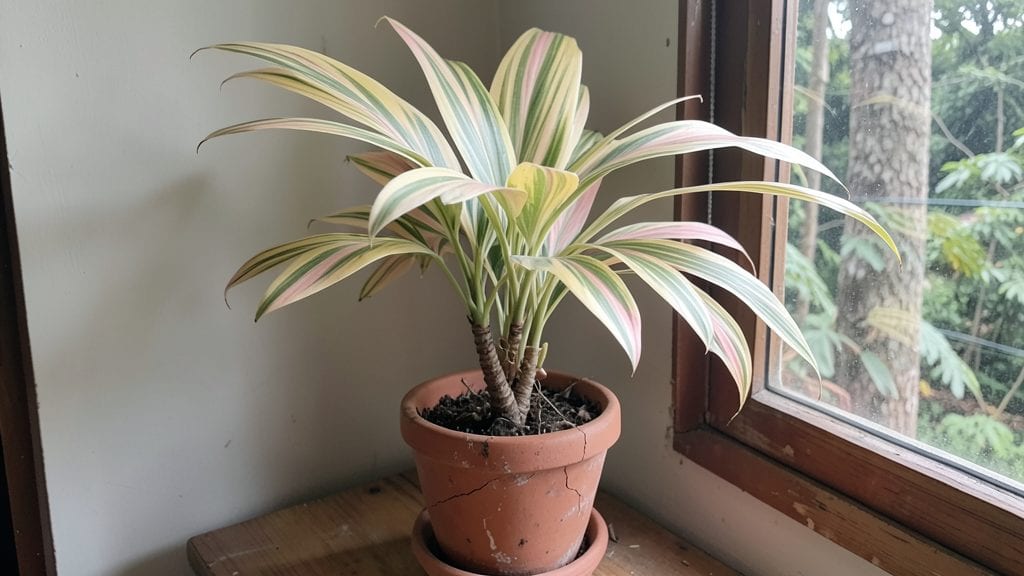
The rainbow palm tree transforms any Pacific Northwest garden into a tropical escape without the frost worries. 🌿 I planted mine last spring, and every time I walk past, neighbors stop to ask how I got that vibrant color—it’s not magic, just a clever choice for year-round visual impact.
The deep green fronds with streaks of pink, orange, and yellow create a living privacy screen that’s impossible to ignore, even in drizzly Seattle skies.
Placement is everything—position it where you want to soften noise or block views, like near patios or driveways. Pair it with evergreen shrubs like boxwood or ornamental grasses for texture contrast, and add spring bulbs at its base for seasonal pops of color.
The palm thrives in partial shade, making it perfect for spots where other tropical plants would struggle.
What you’ll love most is how effortlessly it keeps its drama through all four seasons. While other plants fade into winter, this one stays striking, its rainbow hues glowing under overcast skies.
A little seasonal pruning keeps it tidy, and you’ll never need to worry about frost damage—it’s built to handle our damp, cool climate.
Whether you’re designing a lush backyard retreat or just want a conversation starter, this palm delivers year-round wow factor with minimal fuss. Ready to make your garden the envy of the neighborhood? Let’s talk placement and styling next.
📚 In This Guide
- What you need
- Instructions
- Tips and common mistakes
- Wrapping up and next steps
What you need
- ● Rainbow palm trees (Chamaedorea elegans) – 3-5 plants (depending on desired height and density; spacing 3-5 ft apart for full coverage). Choose USDA Zones 10-11 hardy varieties or opt for indoor-outdoor hybrids like ‘Rainbow’ or ‘Bamboo Palm’ for frost tolerance.
- ● High-quality potting mix – 10-15 gallons (well-draining, peat-based, or coconut coir blend with perlite). Avoid garden soil—palms hate soggy roots!
- ○ Large containers or nursery pots – 15-20 gallon size (with drainage holes) for each plant. Optional: Decorative cache pots for a cohesive look.
- ● Slow-release fertilizer – 10-10-10 or palm-specific formula (apply at planting and again in spring).
- ● Mulch (organic) – 2-3 inches (pine bark or shredded leaves to retain moisture and insulate roots).
- ● Garden trowel or spade – For digging and transplanting.
- ● Pruning shears or loppers – Sharp, sterilized tools (for trimming dead fronds or shaping).
- ● Watering can or hose with nozzle – Fine mist setting to avoid damaging delicate fronds.
- ○ Gloves (optional) – Garden-grade to protect from sap and thorns.
- ● Frost cloth or bubble wrap – For Zones 8-9 (wrap lower trunk in winter to protect from light frosts).
- ○ Stakes or trellis (optional) – For young palms in windy areas (use soft ties to avoid damaging stems).
- ● ✨ Check local nurseries for pre-hardened rainbow palms—ask if they’ve been acclimated to cooler climates!
- ● 🌡️ Group plants together to create a microclimate and retain warmth in winter.
- ● 🔥 Skip the heavy pruning—these palms thrive on their natural, lush shape. Trim only brown fronds at the base.
How to plant a frost-proof Rainbow palm tree privacy screen
Here's my go-to method for creating a lush, colorful barrier that thrives in Pacific Northwest winters.
🌱 Step 1: Choose the Right Location and Planting Spots
Rainbow palms (Chamaedorea elegans) handle light frost but prefer sheltered spots where cold winds don't linger. Measure your desired privacy screen height—these grow 6-10 feet tall—and mark planting spots 8-10 feet apart in a straight line. I like to plant them in a staggered pattern for natural density.
Check soil drainage first—these palms hate soggy roots. Dig a hole twice as wide as the root ball but only as deep as the container it came in. The top of the root ball should sit 1 inch above ground level after planting. If your soil is heavy clay, mix in 2 inches of compost to improve drainage.
🪴 Step 2: Prepare Each Plant and Planting Hole
Remove the palm from its container and gently loosen the roots if they're circling. Soak the root ball in lukewarm water for 15-20 minutes before planting—this helps reduce transplant shock. While it soaks, fill the planting hole with half the removed soil and create a small mound in the center.
Place the palm on top of this mound so the root ball sits level. The reason for the mound is to ensure proper drainage—water should flow away from the roots, not pool around them. Backfill the hole with the remaining soil, pressing lightly to eliminate air pockets but not compacting too firmly.
☀️ Step 3: Water Thoroughly and Mulch for Winter Protection
Water immediately after planting with 1 gallon per plant to settle the soil. You'll see water beading on the leaves—that's normal and means you've given it enough to start establishing roots. For the first 2 weeks, water twice weekly until the soil feels 2 inches dry when checked with your finger.
Spread 2-3 inches of mulch around each plant (but not touching the trunk) to insulate roots during winter. I use wood chips because they break down slowly and improve soil over time. This layer also helps retain moisture during our dry summers. Avoid piling mulch against the trunk—it can cause rot.
✂️ Step 4: Maintain Through Seasons for Maximum Privacy
Fertilize in early spring with a balanced palm fertilizer (like 8-8-8) to encourage new fronds. You'll notice fresh growth within 4-6 weeks—that's your signal it's thriving. Prune dead fronds at the base in late winter before new growth starts. Never prune more than 25% of the fronds at once.
In winter, if temperatures drop below 20°F, wrap the trunks of young plants with burlap for extra protection. Mature palms usually handle our winters fine, but a little extra care in their first few years makes all the difference. Watch for yellow fronds—they're usually a sign of overwatering or poor drainage.
🌿 Step 5: Monitor Growth and Adjust Spacing
After 2-3 years, your palms will fill out nicely. If you notice gaps forming between plants, consider adding 1-2 extra palms in the middle of the line. These grow at about 12 inches per year, so you'll see noticeable filling within a season.
Here's the thing—rainbow palms are slow to establish but become nearly indestructible once mature. They're perfect for Pacific Northwest gardens because they handle our cool, wet winters and dry summers without fuss. Just keep an eye on soil moisture during summer droughts and you'll have a vibrant privacy screen for years.
Tips & tricks for perfect Rainbow palm tree privacy screen
A few simple tricks will help your rainbow palms thrive and create that lush privacy screen you're dreaming of.
Location Matters: In Step 1, when choosing your planting spots, look for areas with morning sun and afternoon shade—this mimics their natural tropical understory habitat. Avoid spots where cold air pools, like low-lying areas or against north-facing walls. I've found that planting near evergreen trees provides excellent wind protection while still allowing enough light for vibrant growth.
Root Care Secret: That 15-20 minute soak in Step 2 is crucial for reducing transplant shock. I like to add a handful of mycorrhizal fungi to the planting hole—these beneficial soil microbes help roots establish faster. If you notice roots circling the root ball, gently tease them apart with your fingers before planting to encourage outward growth.
Watering Wisdom: The first 2 weeks are critical for root establishment, but don't overdo it. Water deeply at each session—those 2 inches of dry soil should be checked at the same time each day. I've learned the hard way that soggy soil can kill these palms just as surely as drought. A moisture meter is worth the investment if you're unsure about soil moisture levels.
Winter Protection: When temperatures drop below 20°F, don't just wrap young trunks—consider adding a layer of burlap around the entire plant, including the fronds. I've seen mature palms survive our winters fine, but young plants benefit from this extra insulation. The key is to protect without suffocating—leave some airflow around the plant.
Pro Tips for Rainbow Palm Tree
- A few simple tricks will help your rainbow palms thrive and create that lush privacy screen you're dreaming of.
- Location Matters: In Step 1, when choosing your planting spots, look for areas with morning sun and afternoon shade—this mimics their natural tropical understory habitat.
- Root Care Secret: That 15-20 minute soak in Step 2 is crucial for reducing transplant shock.
Frequently asked questions
Got questions about the stunning Rainbow Palm Tree? You’re not alone! Here are answers to the most common queries to help you grow this vibrant, frost-resistant beauty with confidence.
Is the Rainbow Palm Tree truly frost-proof?
The Rainbow Palm Tree (Trachycarpus fortunei) is one of the hardiest palms, surviving temperatures as low as 10°F (-12°C) with proper care. While young plants may need winter protection (like burlap wraps), mature specimens often bounce back after light frosts. For extra safety, mulch the base and water deeply before cold snaps!
How fast does it grow, and when will I see privacy?
This palm grows at a moderate pace—1 to 2 feet per year under ideal conditions. Expect a 6-foot-tall screen in 3–5 years and full privacy (8+ feet) in 7–10 years. Patience pays off—its slow growth means long-term reliability without constant pruning!
Can I plant it in shade, or does it need full sun?
The Rainbow Palm thrives in partial shade to full sun, making it perfect for Pacific Northwest gardens. While it tolerates 4–6 hours of sunlight daily, avoid deep shade—it may grow leggy or lose its vibrant fronds. A morning sun/afternoon shade spot is ideal for many PNW yards.
How do I prune it to keep it healthy and colorful?
Prune only to remove dead fronds or brown tips—never cut into healthy tissue. Use sterilized shears to avoid disease, and focus on outer fronds first. For a bushier look, trim back 1/3 of the oldest fronds in early spring. Pro tip: Wear gloves—those spines are sharp!
Are there alternatives if I want a faster-growing screen?
If speed is your priority, consider Arborvitae (Thuja) or Holly (Ilex)—both grow faster but may need more winter protection. For a palm-like look with quicker results, try Dwarf Date Palm (Phoenix roebelenii), though it’s less frost-hardy. The Rainbow Palm wins for low-maintenance durability!
Why are my fronds turning yellow or brown?
Yellowing fronds often signal overwatering or poor drainage, while brown tips usually mean underwatering or salt buildup (common in PNW coastal areas). Check soil moisture—it should be dry 2–3 inches down before watering. Fix it: Amend soil with compost and flush with water to remove salts.
Wrapping up and next steps
The Rainbow Palm Tree isn’t just a stunning, frost-resistant privacy screen—it’s a low-maintenance, vibrant addition that thrives in the Pacific Northwest’s climate. Whether you’re pruning for shape, health, or seasonal renewal, these tips ensure your palm stays lush and resilient year after year.
Ready to transform your garden? Start by grabbling a pair of sharp pruners and a ladder—then roll up your sleeves! Next up: explore creative ways to style your Rainbow Palm Tree as a focal point or layered privacy hedge. Your future oasis awaits! 🌿✨