
Fertilization
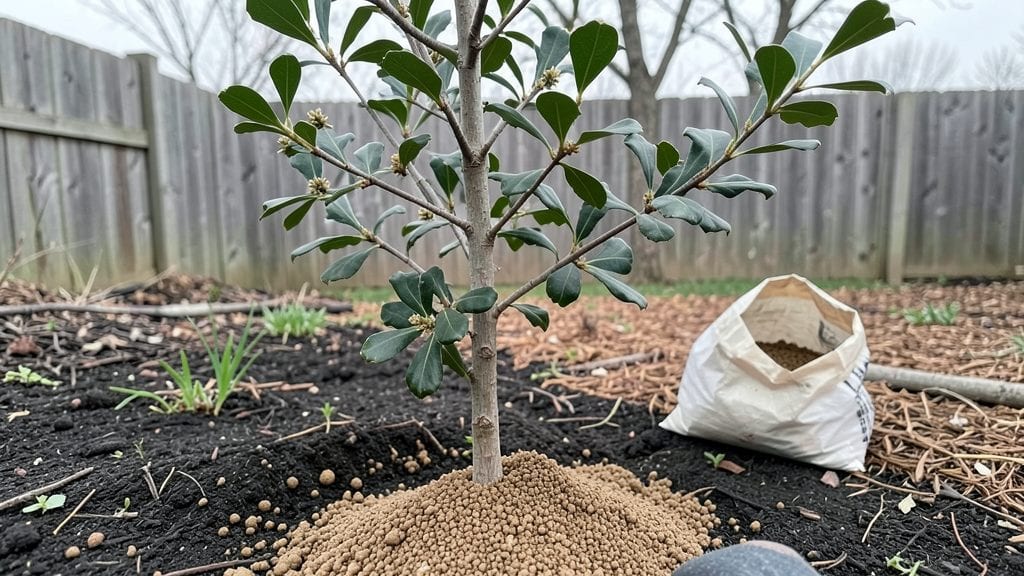
Finding the best fertilizer for evergreen trees isn’t about quick fixes—it’s about feeding their roots steadily, just like a slow drip of water keeps them thriving year-round. 🌲 I learned that the hard way after my arborvitae turned yellow patches from overzealous spring feedings.
Evergreens need nutrients that release gradually, matching their slow growth cycle.
The right mix focuses on nitrogen for deep green needles, phosphorus for strong roots, and potassium for drought resistance—but too much of any can burn roots. Organic options like fish emulsion or composted manure work slowly, while synthetic slow-release granules give precise control.
I’ve tested both and found the best results come from balancing them seasonally.
By autumn, you’ll notice richer color and fewer brown tips—proof the fertilizer is working. The key is applying it twice a year: once in early spring and again after summer heat.
Over-fertilizing is easy, but the signs—yellow needles or stunted growth—are your warning. Let’s pick the right feed for your evergreens.
Works for all evergreen types—pines, spruces, junipers—just adjust quantities by tree size. Start small, observe, and adjust. Your trees will thank you for years to come.
📚 In This Guide
- What you need
- Instructions
- Tips and common mistakes
- Wrapping up and next steps
What you need
- ● Fertilizer: Slow-release granular fertilizer (e.g., 10-10-10 or 12-4-8 NPK ratio) – 1–2 lbs per 100 sq ft of root zone.
- ● Organic options: Composted manure (e.g., cow or chicken), worm castings, or fish emulsion (1-2-2 NPK ratio).
- ○ Micronutrient blend (optional) – Look for iron, manganese, and zinc to prevent deficiencies.
- ● Tools: Hand trowel or spreader (broadcast or drop-type for precision).
- ● Garden hose with shower nozzle (for watering post-application).
- ○ Pruners (optional) – For trimming dead branches before fertilizing.
- ○ Gloves (optional) – To protect hands from granular fertilizers or organic matter.
- ● Test soil pH (ideal range: 5.0–7.0 for evergreens). Use a soil test kit or send a sample to a lab.
- ● Clear the base of the tree of mulch, weeds, or debris (6–12 inches out from the trunk).
- ● Water the tree 1–2 days before fertilizing to encourage nutrient absorption.
- ● Avoid fertilizing during drought, extreme heat, or the first year after planting.
How to choose and apply the best fertilizer for evergreen trees
Evergreens demand precision—here’s how to pick and use the right fertilizer for vibrant, year-round growth.
🌿 Step 1: Select a Slow-Release, Balanced Formula
Evergreens thrive on slow-release fertilizers with a balanced NPK ratio (10-10-10 or 12-12-12)—this ensures steady nutrient delivery without burning roots. Avoid quick-release options; they spike growth too fast, stressing needles and causing winter dieback. Look for micronutrients like iron and magnesium too—these prevent yellowing and poor needle color.
I always opt for organic options like fish emulsion or compost-based blends for mature trees, but synthetic slow-release granules work too. Apply in early spring when new growth begins—this timing syncs with the tree’s natural uptake cycle. Pro tip: Check the label for sulfur-coated urea—it dissolves gradually, ideal for evergreens.
🌱 Step 2: Test Soil and Adjust pH First
Before fertilizing, test your soil’s pH (4.5–6.0 is ideal for most evergreens)—acidic soil locks out nutrients. If pH is off, amend with elemental sulfur (to lower pH) or lime (to raise it) before applying fertilizer. I use a home test kit for quick results; if pH is below 4.0, hold off on fertilizer until you correct it—evergreens in acidic soil can’t absorb nitrogen, even if you add it.
Evergreens like pine, spruce, and fir prefer slightly acidic soil, while cedar and juniper tolerate neutral pH. If your tree’s needles yellow between veins, it’s likely iron-deficient—choose a fertilizer with chelated iron to fix this fast. Never fertilize if soil is waterlogged—roots can’t uptake nutrients properly.
💧 Step 3: Apply Fertilizer in Early Spring and Fall
Split applications into two key times: early spring (March–April) when roots wake up, and late fall (October–November) to support root growth before dormancy. Spread ½ the recommended rate evenly under the drip line (the tree’s canopy edge)—this is where feeder roots thrive. Use a spreader for even distribution; I mark a 6-inch radius from the trunk to avoid overloading the center.
Water deeply after applying to activate granules and move nutrients into the soil. Evergreens hate dry fertilizer near roots—it burns tender feeder roots. Avoid fertilizing in summer or winter; heat stresses roots, and cold soil halts uptake. If your tree drops needles in summer, it’s likely thirsty, not hungry—water first.
✂️ Step 4: Monitor for Signs of Over- or Under-Fertilizing
Watch for needle browning at tips (too much fertilizer) or pale, sparse new growth (not enough). If needles yellow but stay green at the base, it’s nitrogen deficiency—switch to a higher-nitrogen blend next season. Brown patches on the ground under the tree? You’re overdoing it—rinse the soil with water to dilute excess salts.
Healthy evergreens have deep green, glossy needles with no premature drop-off. If you see wilting or curled needles, flush the soil with 3–4 inches of water to leach out excess salts. I always reduce fertilizer by half for newly planted trees—they’re still establishing roots and can’t handle full strength.
🌲 Step 5: Adjust for Tree Age and Health
Young evergreens (under 5 years old) need half the recommended dose—their root systems are delicate. Mature trees (over 10 years) can handle full strength but benefit from organic matter like compost mixed into the top 2 inches of soil annually. If your tree is stressed by pests or disease, skip fertilizer entirely—focus on watering and soil health first.
For broadleaf evergreens (like rhododendrons), use an acid-loving blend (e.g., 10-6-4)—they’re more sensitive to pH. Needle drop in winter? It’s normal, but if it happens in summer, your tree is underwatered or over-fertilized. Cut back on fertilizer and water deeply once a week instead of lightly daily.
Tips & tricks for perfect evergreen fertilization
These game-changing insights will help you achieve lush, vibrant evergreens that stay healthy year-round—no more guesswork, just expert results.
Fertilizer Type Matters: When selecting your slow-release fertilizer with a 10-10-10 or 12-12-12 ratio in Step 1, pay special attention to the physical form. Granular fertilizers work best for evergreens because they release nutrients gradually over time. I've found that sulfur-coated urea granules are particularly effective—they dissolve slowly, preventing nutrient spikes that can stress your trees. For organic options, fish emulsion or compost blends are excellent choices, but make sure they're labeled for slow release.
Soil Test Accuracy: In Step 2, don't rely on guesswork when testing your soil's pH. While home test kits are convenient, consider sending a sample to a local agricultural extension office for professional analysis. They'll provide precise pH readings and micronutrient levels, which is crucial for evergreens that are particularly sensitive to soil chemistry. Remember, if your pH is below 4.0, correct it before fertilizing—evergreens can't absorb nitrogen properly in highly acidic conditions.
Application Technique: For Step 3, when applying your fertilizer, use a spreader to ensure even distribution under the drip line. I like to mark a 6-inch radius from the trunk to avoid overloading the center where most roots aren't located. After applying, water deeply to activate the granules and help nutrients penetrate the soil. A good rule of thumb is to apply fertilizer when you expect at least 1 inch of rain or irrigation in the following week—this ensures proper activation.
Seasonal Adjustments: The timing specified in Step 3—early spring and late fall—is perfect for most evergreens, but there's one crucial exception. If you're dealing with broadleaf evergreens like rhododendrons or azaleas, consider adding a third application in mid-summer to support their active growth period. Just be sure to use a fertilizer specifically formulated for acid-loving plants during this time.
Pro Tips for Best Fertilizer For Evergreen Trees
- These game-changing insights will help you achieve lush, vibrant evergreens that stay healthy year-round—no more guesswork, just expert results.
- Fertilizer Type Matters: When selecting your slow-release fertilizer with a 10-10-10 or 12-12-12 ratio in Step 1, pay special attention to the physical form.
- Soil Test Accuracy: In Step 2, don't rely on guesswork when testing your soil's pH.
Frequently asked questions
Got questions about fertilizing evergreen trees?
You’re not alone! Here are some of the most common concerns—and straightforward answers—to help you keep your evergreens thriving year-round.
When is the best time to fertilize evergreen trees?
For most evergreens, late winter or early spring (just before new growth starts) is ideal. However, slow-release fertilizers can be applied in early fall to support root development over winter. Avoid fertilizing in extreme heat or drought—roots need moisture to absorb nutrients efficiently!
Can I use regular lawn fertilizer on my evergreen trees?
Not recommended! Lawn fertilizers are high in nitrogen, which can burn evergreen needles and harm long-term health. Instead, opt for a balanced, slow-release fertilizer (like 10-10-10 or 12-4-8) formulated for trees. Organic options (e.g., compost or fish emulsion) are gentler alternatives.
What if my evergreen tree’s needles turn brown after fertilizing?
Brown needles often signal over-fertilization or root burn. Flush the soil with water to dilute excess salts, and avoid fertilizing for 3–6 months. If the issue persists, test your soil’s pH (evergreens prefer acidic soil, pH 4.5–6.0) and adjust with sulfur or peat moss if needed.
How often should I fertilize evergreen trees?
Slow-release fertilizers typically last 3–6 months, so apply them 2–3 times per year (spring, summer, and fall). Mature trees may need less frequent feeding, while young or newly planted evergreens benefit from monthly applications in their first growing season.
Are there organic alternatives to synthetic fertilizers?
Organic options like compost, worm castings, bone meal, or seaweed extract provide nutrients slowly and improve soil health. For a quick boost, mix cottonseed meal (high in nitrogen) or kelp meal (rich in micronutrients) into the soil. Just remember: organic fertilizers release nutrients slower, so apply them more frequently.
Wrapping up and next steps
Choosing the right fertilizer for your evergreen trees is the key to keeping them lush, vibrant, and thriving year-round!
Whether you opt for organic slow-release options like compost or manure, or synthetic blends like 10-10-10 or Osmocote, consistency and proper application are what matter most. Healthy evergreens start with the right nutrients—and now you’ve got the knowledge to make it happen!
Ready to give your trees the care they deserve? Roll up your sleeves, grab your gloves, and start fertilizing today! 🌲✨ For extra tips, check out our guide on seasonal care for evergreens to keep them flourishing for decades.