
Trees
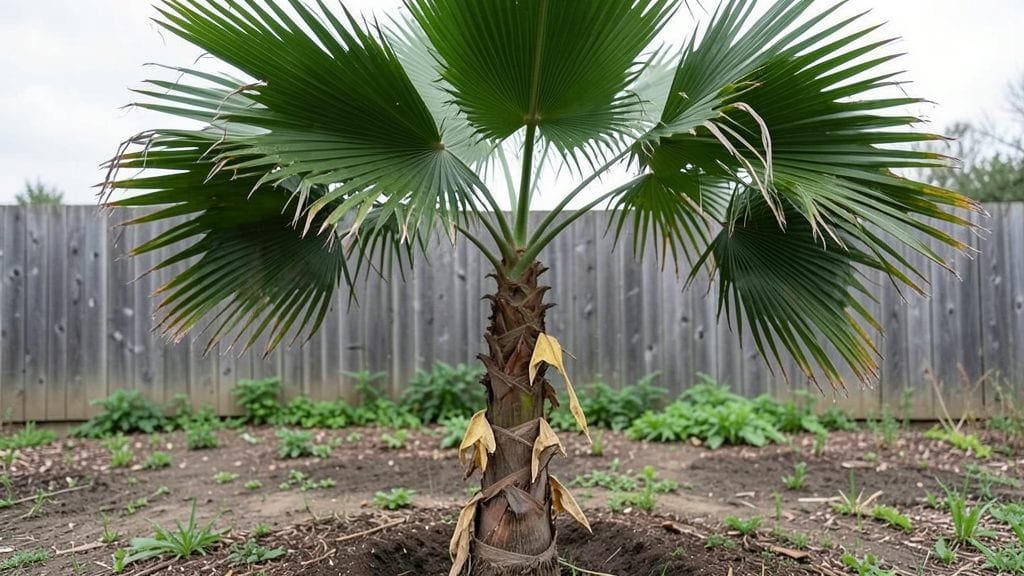
The sight of palm trees blowing in the wind transforms your yard into a breezy tropical escape—where that graceful motion becomes the key to a living, year-round privacy screen.
The key is placement: position them where prevailing winds naturally flow, and they’ll create a living curtain that rustles with every breeze. You don’t need a full grove—just a few strategically placed trees to frame your space.
Their fronds catch the light differently at dawn and dusk, adding depth and drama to any outdoor area.
Imagine sipping coffee on your porch while the palms whisper against each other, or hosting dinner under string lights with the soft sound of leaves brushing together. It’s not just a screen—it’s a sensory experience that transforms ordinary days into little escapes.
Works best in coastal climates but can be adapted with wind-resistant varieties for inland gardens. Let’s make your outdoor space feel like a private tropical retreat.
📚 In This Guide
- What you need
- Instructions
- Tips and common mistakes
- Wrapping up and next steps
What you need
- ● Palm trees (3–5 plants) – Choose fast-growing varieties like Windmill Palm (Trachycarpus fortunei) or Dwarf Date Palm (Phoenix roebelenii) for smaller spaces. Aim for mature plants (5–10 ft tall) for instant impact.
- ● Heavy-duty landscape fabric (1 roll) – 3–4 ft wide, 100% breathable, to suppress weeds and retain moisture.
- ● Mulch (2–3 bags) – Shredded bark or pine straw (3–4 inches deep) to conserve water and regulate soil temperature.
- ● Slow-release fertilizer (1 bag) – Balanced (10-10-10) or palm-specific (high magnesium) for lush growth.
- ● Stakes & ties (10–15 units) – 4–6 ft bamboo or metal stakes + soft plant ties to secure young trees during windy conditions.
- ○ Drip irrigation system (optional but recommended) – 50 ft tubing + emitters (1–2 per tree) for consistent hydration.
- ● Shovel & garden fork – For digging holes (18–24 inches deep/wide).
- ● Wheelbarrow – To mix soil amendments (e.g., compost or sand for drainage).
- ● Measuring tape & string – To mark spacing (6–10 ft apart for mature palms).
- ● Pruners & gloves – For trimming and protection.
- ● Level – Ensures stakes are straight for wind resistance.
- ● Sunlight access – Full sun (6+ hours/day) for optimal growth.
- ● Well-draining soil – Amend clay soil with sand or coconut coir if needed.
- ● Wind consideration – Avoid exposed areas; use a windbreak (e.g., lattice or taller plants) if winds exceed 20 mph.
- ● Local climate check – Verify hardiness zones (e.g., Windmill Palm thrives in Zones 6–10).
- ● Decorative accents – Solar-powered string lights or hanging planters for ambiance.
- ● Wind chimes – Enhance the "tropical breeze" effect!
- ● Soil moisture meter – Monitor hydration in extreme heat.
- ● Palm tree food (seasonal) – Liquid magnesium supplement for yellowing fronds.
How to plant and maintain palm trees for a tropical privacy screen
Create a breezy, tropical privacy barrier that thrives year-round with these simple steps.
Choose the Right Palm Varieties for Your Climate
Not all palms handle wind the same way. For a breezy privacy screen, select varieties known for flexibility and resilience. Dwarf palmettos and windmill palms tolerate coastal winds beautifully, while Mexican fan palms add height and drama. Check your hardiness zone—most tropical palms thrive in zones 9-11 but can be overwintered in pots if you live further north.
I always buy established plants from a nursery rather than seeds. A 3-5 gallon palm (about 6-10 feet tall) gives you instant privacy and handles wind better than young seedlings. Look for plants with straight trunks and healthy fronds—avoid any with brown tips or yellowing leaves, as these signal stress or disease.
Plant in Well-Draining Soil with Wind Protection
Palms hate soggy roots, so amend your native soil with 20% sand or perlite to improve drainage. Dig a hole twice as wide as the root ball but only as deep—planting too deep suffocates the roots. Gently remove the palm from its container and loosen any circling roots with your fingers.
Place the palm in the hole and backfill with native soil mixed with the amendment. Water deeply to settle the soil, then add a 2-3 inch layer of mulch around the base (but not touching the trunk). This keeps roots cool and retains moisture. For extra wind protection, plant a row of shrubs like oleanders or bougainvillea on the windward side—they’ll break the gusts before they reach your palms.
Stake Only When Necessary and Prune Regularly
Most mature palms don’t need staking, but if your variety is young or top-heavy, use flexible bamboo stakes tied loosely with soft twine. Never cinch the ties tight—palms grow, and constriction can girdle the trunk. Check stakes monthly and loosen as the palm stabilizes. I’ve seen palms blow over from rigid metal stakes that don’t give with the wind.
Prune dead fronds immediately—they catch wind like sails and increase drag. Use clean, sharp pruners to cut fronds at the base where they meet the trunk. Sterilize your tools with rubbing alcohol between cuts to prevent fungal spread. Prune in late winter or early spring before new growth begins, and avoid heavy pruning in summer heat.
Water Deeply and Fertilize Seasonally
Newly planted palms need deep watering once a week for the first month, then taper to every 10-14 days once established. Water at the base, not overhead—wet fronds in wind can tear. The soil should be dry 2-3 inches down before watering again. Overwatering is the #1 killer of palms, so always check with your finger before adding more.
Fertilize in early spring and late summer with a palm-specific fertilizer (look for one with micronutrients like magnesium and manganese). Follow package rates—too much fertilizer burns roots. I use a slow-release granular fertilizer for convenience, but liquid feeds work too. Avoid fertilizing in winter, as palms go dormant in cooler months.
Protect from Storms and Monitor for Pests
Before hurricane season, wrap the trunks of young palms with burlap or palm wrap to prevent frond damage. Secure loose fronds with twine if needed, but don’t over-tighten. After storms, remove any broken fronds immediately—they invite pests and disease. If a palm leans badly, you can try straightening it, but severe damage may mean replanting.
Watch for palm weevils (they bore into trunks) and scale insects (they cluster on fronds). Treat infestations early with neem oil or insecticidal soap, and inspect new plants before bringing them home. Healthy palms rarely have pest problems, so focus on proper watering and fertilization to keep them strong.
Tips & tricks for perfect palm tree privacy screens
Here’s what I’ve learned after years of growing tropical palms that sway gracefully instead of snapping in the wind.
Variety Selection is Everything: When choosing your palms in Step 1, focus on the trunk’s flexibility. Mexican fan palms have sturdy trunks that resist bending, while windmill palms have natural flexibility. For coastal areas, I always opt for Sabal palms—they’re the most wind-resistant variety I’ve found. If you’re unsure, ask your nursery which varieties thrive in your specific wind conditions.
Soil Amendment Can’t Be Overlooked: In Step 2, that 20% sand or perlite mix is non-negotiable. I’ve seen palms struggle in heavy clay soil, even with proper watering. For extra insurance, I add a handful of coconut coir to the mix—it improves drainage while retaining moisture better than pure sand. The key is creating that perfect balance where roots breathe but don’t dry out.
Staking Strategy Matters: When using stakes in Step 3, think of them as temporary training wheels. I’ve made the mistake of leaving them on too long, and the palm becomes dependent on them. Check your stakes every month—if the palm isn’t leaning anymore, it’s time to remove them. And never use metal stakes—they can damage the trunk as the palm grows.
Watering Wisdom: The deep watering schedule in Step 4 is crucial, but timing matters just as much. I always water in the early morning so the fronds dry completely before evening. Wet fronds in wind can tear like paper, and you’ll end up with ragged edges that look unkempt. Also, consider installing a drip irrigation system—it delivers water at the base without wetting the fronds.
Pro Tips for Palm Trees Blowing In The Wind
- Here’s what I’ve learned after years of growing tropical palms that sway gracefully instead of snapping in the wind.
- Variety Selection is Everything: When choosing your palms in Step 1, focus on the trunk’s flexibility.
- Soil Amendment Can’t Be Overlooked: In Step 2, that 20% sand or perlite mix is non-negotiable.
Frequently asked questions
Why do palm trees blow so dramatically in the wind?
Palm trees have a flexible, fibrous trunk and lightweight fronds that catch even gentle breezes. Their shallow root systems (compared to other trees) make them more susceptible to swaying. This movement isn’t just aesthetic—it helps distribute wind pressure and prevents damage during storms. Think of it as nature’s built-in shock absorber!
How long does it take for palm trees to grow tall enough for privacy?
Most palm species grow 2–5 feet per year, but full privacy (8–15 feet tall) typically takes 5–10 years, depending on the variety. Dwarf palms (like the Pygmy Date Palm) mature faster (3–5 years), while tall species (like the Coconut Palm) take longer. Pro tip: Plant in clusters for quicker coverage!
Are palm trees good for windy or coastal areas?
Absolutely!
Palms thrive in coastal climates with salty air and steady winds. Their salt-tolerant foliage and flexible trunks make them ideal for hurricane-prone or breezy regions. Just avoid extreme inland winds (like tornado zones), where their height could become a liability. Wind-resistant varieties like the Windmill Palm are top picks!
What’s a good alternative if I don’t want palm trees?
If palms aren’t your style, consider fast-growing, wind-tolerant alternatives like:
- Bamboo (privacy screens + rustling sound!)
- Willow Trees (weeping branches for movement)
- Arborvitae (evergreen, dense, and sturdy)
- Oleander (salt-resistant shrub for coastal areas)
How do I protect my palm trees from wind damage?
Prevent windburn or snapped fronds with these tricks:
- Prune outer fronds to reduce wind resistance.
- Stake young palms temporarily for stability.
- Plant in clusters to break up wind flow.
- Avoid planting near open areas (like driveways).
Wrapping up and next steps
Transforming your space into a serene tropical oasis with palm trees swaying in the wind isn’t just about aesthetics—it’s a breath of fresh air for your privacy, ambiance, and even mental well-being. 🌴 Whether you’re a DIY enthusiast or a dreamer looking for natural beauty, these lush greens offer year-round charm with minimal upkeep.
Ready to take the next step? Start small—plant a single palm or group a few for instant impact, then expand as your green vision grows!
Pro tip: 💡 Check local climate zones first to pick the perfect palm for your zone—your future self (and your trees!) will thank you.