
Pruning
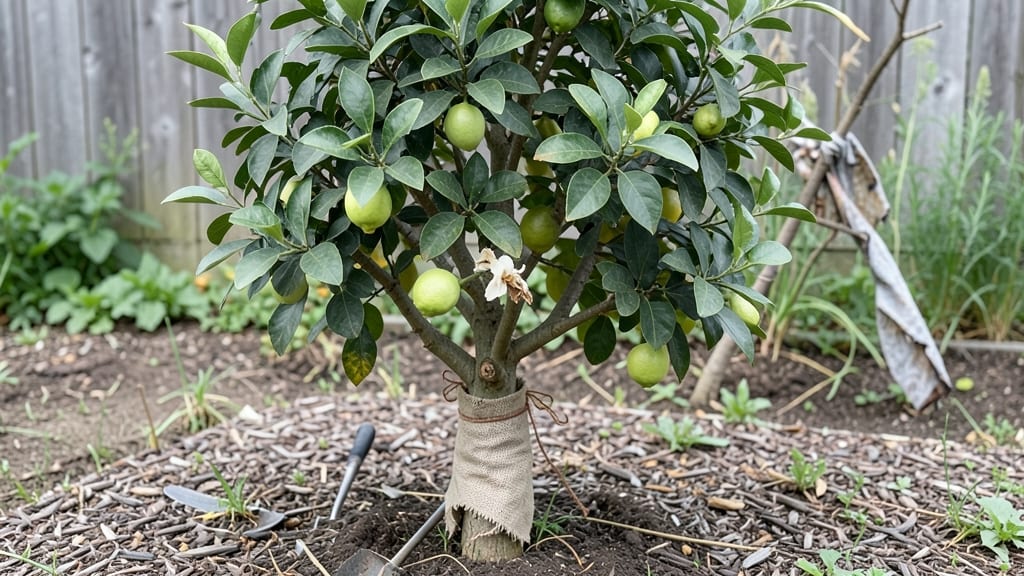
Protecting your lemon tree in winter isn’t just about survival—it’s about setting it up for a shockingly lush spring harvest. 🌱 I’ve watched frost turn tender leaves to crisp in minutes, but the right layered approach keeps my 5-year-old Meyer lemon thriving through even the coldest snaps.
The key isn’t one trick but a combination of shelter, insulation, and smart pruning that mimics how these trees naturally handle Mediterranean winters.
The first step is foolproof frost prevention: wrap the trunk in bubble wrap or burlap to block cold winds, mound mulch 6 inches thick around the base, and cover the canopy with frost cloth when temps dip below 30°F. For potted trees, move them to an unheated garage or under eaves—just avoid freezing temps.
Most mistakes happen when gardeners wait too late or skip the mulch, leaving roots vulnerable to freeze-thaw cycles.
By spring, you’ll see new growth emerging faster than ever, with buds forming on branches that survived winter unscathed. The tree’s energy goes into fruit production instead of repairing frost damage, and you’ll harvest sweeter, more abundant lemons than before.
The secret’s in the layers—just like how citrus trees grow in coastal climates where ocean breezes moderate temperatures.
Whether you’re in Zone 7 with light frosts or Zone 5 pushing the limits, these steps adapt easily. The only rule? Start before the first hard freeze, and your lemon tree will reward you with years of neighbor-jealousy levels of fruit.
Let’s get those branches protected before the cold sets in.
📚 In This Guide
- What you need
- Instructions
- Tips and common mistakes
- Wrapping up and next steps
What you need
- ● Frost cloth or row covers: 1–2 sheets (choose 30–50g/m² for breathability; size depends on tree height—aim for 10–15% larger than the canopy).
- ● Burlap or landscape fabric: 1–2 rolls (for wrapping trunks; 3–5 feet wide and 50–70 feet long per roll).
- ● Plastic tree wrap or tubing: 1 roll (for trunk insulation; 1–2 inches wide, stretchy for easy application).
- ● Stakes or hoops: 4–6 wooden/bamboo stakes (3–4 feet tall) or flexible hoops (for securing frost cloth).
- ● Twine or zip ties: 1 spool (for securing materials; water-resistant preferred).
- ● Mulch: 2–3 bags (straw, wood chips, or pine needles; 3–4 inches deep around the base).
- ● Garden twine or burlap strips: 1 roll (for tying branches if needed).
- ● Pruners: 1 pair (sharp, bypass-style for clean cuts).
- ● Heating mat or bulb: 1–2 (100–150W for small trees; place near roots if temps drop below 20°F).
- ● Potting soil or compost: 1 bag (for mound-building around the base if needed).
- ● Thermometer: 1 (soil probe-style to monitor root temps).
- ● Reflective bubble wrap: 1 roll (wrap trunk for extra insulation if temps are extreme).
- ● Windbreak: Temporary panels or a clear plastic sheet (to block cold winds).
Step-by-step instructions for protecting lemon trees in winter
Here's how to shield your citrus tree from frost using simple but effective layered protection.
🌿 Step 1: Move the Tree to Sheltered Location
Lemon trees can't handle temperatures below 25°F, so relocate the pot to a garage, shed, or covered patio where temperatures stay above 32°F. Choose a spot with indirect light—direct sun through windows can scorch leaves. If moving isn't possible, position it against a south-facing wall where it benefits from reflected warmth and wind protection.
Water the tree 1-2 weeks before moving to encourage root growth into the pot. This helps the plant adjust to its new location. If you're bringing it indoors, avoid drafty areas like near exterior doors or windows that open frequently. A consistent 50-60°F environment is ideal for winter survival.
✂️ Step 2: Wrap the Trunk and Canopy
Wrap the trunk and main branches with burlap or frost cloth to insulate against cold air. Secure it loosely with twine or cloth strips—too tight, and you'll restrict growth. Focus on wrapping from the base up to the first major branch, where frost damage often starts. For extra protection, add a 1-inch layer of mulch around the pot's surface (but not touching the trunk) to regulate soil temperature.
Next, cover the canopy with a clear plastic sheet or frost blanket supported by a hoop or stakes to create a mini greenhouse effect. This traps heat radiating from the tree while allowing light to pass through. Leave the top slightly open to prevent condensation buildup, which can promote fungal diseases. Check daily for condensation and open briefly if needed.
🪴 Step 3: Insulate the Pot and Roots
Lemon trees in pots are especially vulnerable because their roots freeze quickly. Wrap the entire pot (including the bottom) with bubble wrap or thick cardboard to slow heat loss. Bury the wrapped pot in 6-8 inches of straw or leaves to mimic winter ground insulation. This barrier helps maintain soil temperatures above 40°F, which is critical for root survival.
If your tree is in the ground, mound 12-18 inches of mulch around the base, sloping it away from the trunk to prevent rot. Avoid using fresh wood chips, as they can draw nitrogen from the soil. Instead, opt for straw, pine needles, or shredded leaves—they insulate while allowing airflow. Replenish mulch every few weeks if it decomposes or shifts.
☀️ Step 4: Monitor Light and Temperature
Lemon trees need 6-8 hours of light daily, even in winter. If indoors, place it near a south-facing window or supplement with a grow light for 12-14 hours per day. Without enough light, leaves yellow and drop, weakening the tree's resilience. If you notice leaves curling or falling, increase light immediately—this is your tree's distress signal.
Keep a thermometer near the tree to track temperatures. If outdoor temps drop below 30°F, move the tree to a warmer spot or add extra insulation (like a second layer of frost cloth). Avoid using heat sources like space heaters, which dry out the air and stress the plant. Instead, rely on natural insulation and strategic placement to maintain stable conditions.
⏰ Step 5: Resume Normal Care in Spring
When nighttime temperatures consistently stay above 40°F, it's time to transition the tree back to outdoor conditions. Gradually move it outside for 2-3 hours daily, increasing exposure by 1 hour each day. This hardening-off process prevents shock from sudden temperature changes. Watch for new growth—this is your cue that the tree has adjusted.
Remove all winter wraps and mulch once the tree is fully outdoors. Prune any dead or damaged branches with sterilized shears, cutting just above a healthy bud. Fertilize lightly with a balanced citrus fertilizer to encourage spring growth. Resume regular watering when the top 2 inches of soil feel dry, but avoid overwatering—lemons hate soggy roots.
Tips & tricks for protecting lemon trees in winter
Real talk: Your lemon tree's winter survival depends on these small but critical details that most gardeners overlook.
Timing is Everything: That 1-2 week watering before moving is non-negotiable. I learned this the hard way after transplanting a stressed tree that took weeks to recover. Water deeply so roots fill the pot completely—this creates a stronger anchor for the move. Also, move the tree before the first frost hits. Once temperatures drop below 32°F, even a sheltered location won't provide enough protection.
Layering Matters More Than You Think: The key to success is creating multiple insulating layers. Start with the pot wrap (bubble wrap or cardboard) to slow heat loss, then add the 6-8 inches of straw for ground insulation. I've seen trees survive 20°F nights with this double-layer approach when single layers failed. Don't skip the mulch around the pot's surface—it regulates soil temperature better than you'd expect.
Light Management: Those 6-8 hours of daily light are crucial, but quality matters just as much as quantity. If using grow lights, position them 6-12 inches above the canopy for even coverage. I notice leaves yellow fastest when light comes from just one direction—rotate the tree weekly if possible. And here's a pro move: Use a south-facing window with sheer curtains to diffuse harsh winter sun that can scorch leaves.
Condensation Control: The plastic canopy creates a greenhouse effect, but that's only helpful if you manage condensation properly. Check daily and open briefly if you see water droplets forming. I keep a small fan nearby on low setting to circulate air without creating drafts. This prevents fungal issues that can kill your tree faster than frost ever could.
Pro Tips for Protect Lemon Tree In Winter
- Real talk: Your lemon tree's winter survival depends on these small but critical details that most gardeners overlook.
- Timing is Everything: That 1-2 week watering before moving is non-negotiable.
- Layering Matters More Than You Think: The key to success is creating multiple insulating layers.
Frequently asked questions
about protecting lemon trees in winter—because even citrus lovers have questions! Here are some common ones to help you keep your tree thriving through the cold months.What’s the best temperature for lemon trees to survive winter?
Lemon trees thrive in USDA Zones 9–11, but they can tolerate brief dips to 28°F (-2°C) with proper protection. If temps drop below 20°F (-6°C), frost damage is likely. Use mulch, frost cloth, or even a greenhouse setup to shield your tree.
When should I start winterizing my lemon tree?
Begin preparing your lemon tree 4–6 weeks before the first frost (usually late fall). This gives roots time to adjust, and you can gradually introduce protective measures like mulching or wrapping. Don’t wait until the first freeze—prevention is key!
Can I leave my lemon tree outside all winter, or should I move it indoors?
If you live in Zone 8 or colder, potted lemon trees should be moved indoors near a sunny window (60–70°F / 15–21°C). For in-ground trees, use heavy mulch, frost blankets, and even a small heater for extreme cold. Pro tip: Avoid sudden temperature swings!
What if my lemon tree gets frost damage—can it recover?
Yes! If leaves turn brown but the wood stays green, prune the damaged foliage and protect the tree for the rest of winter. If the bark cracks or branches die back, it may take longer to recover. Keep it well-watered (but not soggy) and fertilize lightly in spring.
Do I need to prune my lemon tree before winter?
Light pruning (removing dead/diseased branches) is fine, but avoid heavy cuts in late fall—it stresses the tree. Save major pruning for early spring (just before new growth). Focus on protecting what’s already there!
Wrapping up and next steps
Protecting your lemon tree in winter doesn’t have to be a daunting task—just a few thoughtful steps can save your citrus beauty from frost’s worst effects! 🌿 With the right layered defenses, like mulching, wrapping, and strategic pruning, you’ll give your tree the best chance to thrive once spring arrives.
Remember, consistency is key, so keep an eye on temperature shifts and adjust as needed.
Now that you’re armed with knowledge, take action! Grab your supplies, follow the steps, and give your lemon tree the cozy winter care it deserves. Before you know it, you’ll be harvesting juicy lemons again—worth every effort! 🍋✨