
Trees
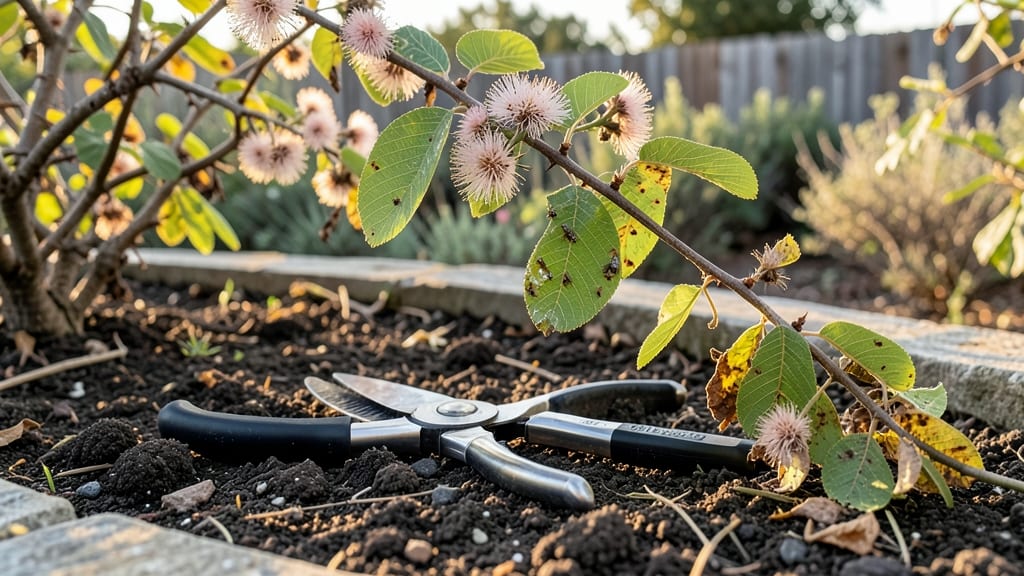
The problems with mimosa trees are real—from powdery mildew turning branches white to thrips turning foliage into skeleton leaves—yet I’ve learned how to keep them thriving. 🌿 The good news? Most problems have simple fixes if you catch them early.
My first mimosa lost half its leaves overnight, and I learned the hard way that ignoring signs means losing the whole tree.
Common issues like leaf drop, mildew, or pests often start with the same warning signs: yellowing leaves, sticky residue, or powdery coatings. You’ll need basic tools—a magnifying glass for close-ups, horticultural oil for pests, and sulfur-based sprays for mildew.
The key is acting fast—once a problem spreads, it’s harder to reverse. My second mimosa thrived after I treated it within a week of noticing the first spots.
By the end of this, you’ll spot problems before they spiral and know exactly how to treat them—whether it’s pruning for airflow, spraying neem oil, or adjusting watering habits.
The goal isn’t just to fix what’s broken but to keep your mimosa strong for years. Let’s get started with the most common issues and how to tackle them.
We’ll cover everything from root rot to thrips, so you’ll recognize the difference between a fixable issue and one that needs a professional’s touch. Think of this as your mimosa’s first-aid kit—because once you know the signs, you’ll never panic again when the leaves start falling.
📚 In This Guide
- What you need
- Instructions
- Tips and common mistakes
- Wrapping up and next steps
What you need
- ● Pruning shears: Sharp, bypass-style shears (for clean cuts on branches under ½ inch thick). Quantity: 1 pair
- ● Loppers: For thicker branches (½ to 1½ inches). Quantity: 1 pair
- ● Pruning saw: Heavy-duty saw for branches over 1½ inches. Quantity: 1
- ● Gloves: Heavy-duty gardening gloves (to protect from thorns and sap). Quantity: 1 pair
- ● Disinfectant (70% isopropyl alcohol or bleach solution): To sterilize tools between cuts and prevent disease spread. Quantity: Small bottle
- ● Fungicide: Copper-based or systemic fungicide (for treating fungal issues like powdery mildew or rust). Quantity: As per label instructions
- ○ Insecticide (optional): Horticultural oil or neem oil (for pest control like aphids or spider mites). Quantity: Small spray bottle
- ● Mulch: Organic mulch (wood chips or shredded bark) to retain moisture and suppress weeds. Quantity: 2–3 inches layer around the base
- ● Watering can or hose: With a gentle spray nozzle for hydration.
- ○ Soil pH test kit: To check if soil acidity/alkalinity is contributing to issues. Optional but helpful
- ● Tree wound dressing: For sealing larger pruning wounds (controversial but useful for some).
- ● Reflective tape or flags: To mark branches for removal (especially in large trees).
- ● Extension pole: For reaching high branches safely.
- ● Notebook & pen: To jot down observations (e.g., pest sightings, leaf discoloration patterns).
How to diagnose and fix common mimosa tree problems
Here’s how I tackle the most stubborn issues with mimosa trees—so you can keep yours healthy and thriving.
🌿 Step 1: Identify Leaf Issues and Their Causes
Yellowing leaves? Start by checking the soil moisture—mimosas hate soggy roots. If the soil feels damp but leaves still yellow, it could be nutrient deficiency. I always test the pH first (ideal range is 6.0-7.0). If it’s too high, the tree struggles to absorb iron, causing those telltale yellow patches between veins.
Brown, crispy edges? That’s usually underwatering or salt buildup from tap water. Flush the soil with rainwater or distilled water to leach out excess salts. If new growth appears healthy but older leaves stay brown, it’s likely a sign of age—mimosas naturally shed older foliage as they mature.
☀️ Step 2: Assess Light and Temperature Stress
Mimosas crave full sun (6-8 hours daily), but too much scorching heat can stress them. If leaves curl or develop sunburn spots (white or gray patches), move the tree to a spot with morning sun and afternoon shade. I’ve seen mimosas in hot climates thrive with just 3-4 hours of afternoon shade during peak summer months.
Cold damage shows as blackened leaf edges or stunted growth. If temperatures dip below 20°F, mimosas can suffer frost damage. Wrap young trees in burlap or use a frost cloth for protection. Mature trees usually bounce back, but severe cold can kill branches—prune them back to healthy growth in early spring.
💧 Step 3: Diagnose Root and Soil Problems
Wilting despite moist soil? Root rot might be the culprit. Mimosas prefer well-draining soil, and if water pools around the base, roots suffocate. Dig around the roots—if they smell sour or look mushy, you’ve got rot. Amend the soil with sand or perlite to improve drainage and avoid overwatering.
If the tree’s leaves droop but the soil is dry, it could be transplant shock or poor root establishment. Water deeply once a week (unless it rains) and fertilize lightly with a balanced, slow-release fertilizer (10-10-10) to encourage root growth. Avoid heavy feeding until new shoots appear.
✂️ Step 4: Address Pest and Disease Infestations
Yellow, sticky leaves? Aphids or scale insects are likely sucking the sap. Spray the tree with neem oil solution (1 tablespoon per quart of water) to smother them. Repeat every 5-7 days until pests disappear. For severe infestations, a horticultural oil spray works faster but requires protective gear.
Fungal issues like powdery mildew (white, powdery coating) thrive in humid conditions. Improve airflow by pruning dense branches and avoid overhead watering. If mildew appears, spray with a baking soda solution (1 teaspoon baking soda + 1 quart water + a drop of dish soap) weekly until it clears.
🌱 Step 5: Revitalize Stunted or Weak Growth
Slow growth or sparse foliage often means the tree needs more nutrients. Test the soil—mimosas love phosphorus and potassium for strong roots and blooms. Apply a slow-release granular fertilizer in early spring and again in early summer. I avoid high-nitrogen fertilizers; they encourage leafy growth at the expense of flowers.
If the tree isn’t blooming, it might be stressed from over-pruning or poor light. Mimosas bloom best on mature wood, so avoid heavy pruning in late summer or fall. Instead, prune in late winter or early spring to shape the tree and encourage new growth.
Tips & tricks for perfect mimosa tree care
A few simple strategies can help you diagnose and fix mimosa tree problems before they become serious. Here's what I've learned from years of troubleshooting these common issues.
Soil pH Test First: Before assuming nutrient deficiency when you see yellow leaves, grab a soil pH test kit. Mimosa trees thrive in the 6.0-7.0 range—anything above 7.0 can cause iron chlorosis (those yellow patches between veins). If your soil is alkaline, mix in sulfur or peat moss to lower the pH gradually over several months. I've seen dramatic improvements in just a few weeks after adjusting pH.
Watering Wisdom: The once-a-week deep watering rule applies unless it rains, but timing matters too. Water in the morning so leaves have time to dry, preventing fungal diseases. For transplant shock, I recommend giving newly planted mimosas extra water for the first month—about 10-15 gallons per week depending on tree size—while monitoring soil moisture with your finger.
Frost Protection Hack: When temperatures approach 20°F, don't just wrap your mimosa—create a microclimate. Place a large cardboard box or plastic barrel around the tree, then wrap it in burlap. This traps heat and can raise temperatures by 5-10°F inside the barrier. I've saved many young trees this way during unexpected cold snaps.
Pruning Timing Matters: Never prune mimosas in late summer or fall if you want blooms next year. The instructions mention pruning in late winter or early spring, but there's a trick: wait until after the first flush of new growth appears. This ensures you're only removing dead or damaged wood while preserving next year's flower buds hidden in the branches.
Pro Tips for Problems With Mimosa Trees
- A few simple strategies can help you diagnose and fix mimosa tree problems before they become serious.
- Soil pH Test First: Before assuming nutrient deficiency when you see yellow leaves, grab a soil pH test kit.
- Watering Wisdom: The once-a-week deep watering rule applies unless it rains, but timing matters too.
Frequently asked questions
Got questions about mimosa tree problems?
You’re not alone! Here are answers to the most common concerns—from messy blooms to pesky pests—so you can keep your tree thriving.
Why do mimosa trees drop so many seed pods?
Mimosa trees (like Albizia julibrissin) release thousands of fluffy seed pods in late summer/fall. While they’re a natural part of the tree’s life cycle, they can be messy—covering lawns, sidewalks, and cars. Solution: Rake up pods regularly or opt for a low-maintenance alternative like a Gleditsia triacanthos (honey locust) if allergies or cleanup are a concern.
How do I get rid of aphids or spider mites on my mimosa?
Aphids and spider mites love mimosa trees, causing yellowing leaves and sticky residue. Try these steps:
- Spray with water: Blast pests off leaves with a strong hose stream (early morning works best).
- Neem oil: Mix 1 tbsp neem oil + 1 tsp mild soap in 1 quart water; spray leaves thoroughly (reapply weekly).
- Avoid chemicals: Harsh pesticides can harm beneficial insects like ladybugs.
Are mimosa trees invasive? Should I remove mine?
Yes! Mimosa trees are aggressive invaders in many U.S. states (e.g., Florida, Georgia, California). They:
- Spread rapidly via seed pods.
- Outcompete native plants.
- Weakened roots can damage sidewalks.
If invasive in your area: Remove the tree and replace it with native alternatives like Cercis canadensis (eastern redbud) or Cladrastis kentukea (yellowwood). Check with your local extension office for removal tips.
Why are my mimosa tree leaves turning yellow?
Yellow leaves on mimosa trees usually signal overwatering, nutrient deficiency, or fungal issues. Here’s how to diagnose:
Lower leaves yellow? Likely overwatering—let soil dry between waterings.
Yellow with brown edges? Could be anthracnose fungus—prune infected branches and apply fungicide.
Pale yellow leaves? Nitrogen deficiency—fertilize with a balanced 10-10-10 formula in spring.
Can mimosa trees survive in cold climates?
Mimosa trees are hardy to USDA Zones 6–9, but young trees or those in Zone 5 or colder may struggle. Tips for cold regions:
- Plant in sheltered spots (e.g., near a south-facing wall).
- Mulch heavily (3–4 inches) to protect roots.
- Water deeply before first frost to prevent drought stress.
- Consider Albizia julibrissin ‘Summer Chocolate’—a cold-tolerant cultivar.
Pro tip: If your tree loses leaves in winter, don’t panic—mimosas are deciduous and regrow foliage in spring!
Wrapping up and next steps
Mimosa trees bring beauty and charm to landscapes, but like any plant, they can face frustrating challenges—from pesky pests to stubborn diseases. The good news? Most issues have simple fixes, whether it’s pruning for better airflow, adjusting watering habits, or tackling invasive critters like aphids. 🌿
Don’t let these problems discourage you! With the right care, your mimosa can thrive. Start by diagnosing the issue, then take action—whether it’s trimming, fertilizing, or consulting a local arborist. Your tree (and your green thumb!) will thank you.