
Pruning
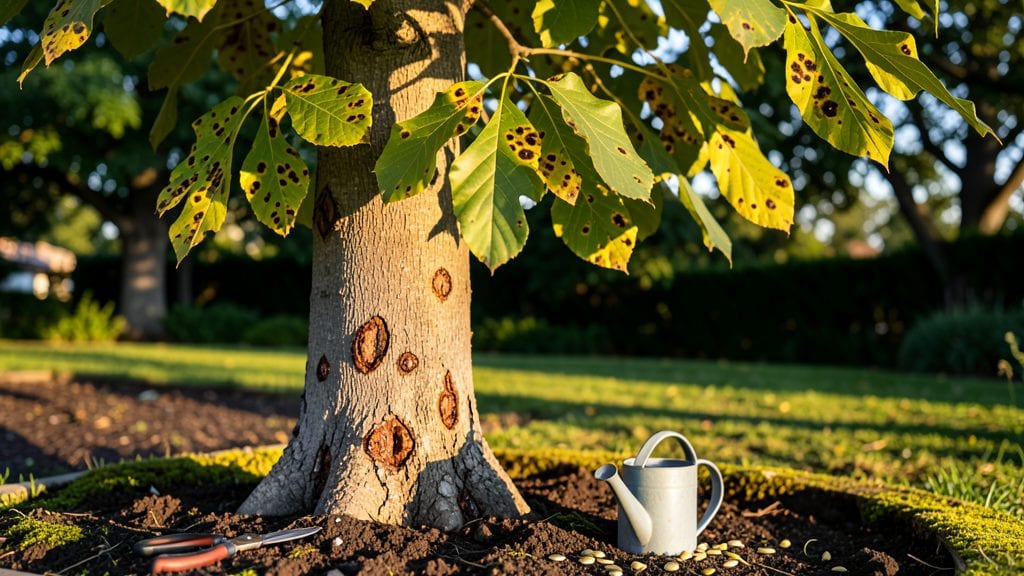
Even if your tulip poplar tree problems seem minor at first, those spotted leaves are a red flag—fungal diseases, pests, and stress can quickly turn its lush green into a sorry sight. 🌿 The good news? Most problems have quick fixes if you catch them early—before the damage spreads.
Common culprits include anthracnose (those ugly brown spots), borers tunneling through the trunk, or caterpillars skeletonizing the foliage. I’ve seen these issues turn into full-blown crises when ignored, but with the right approach, you can revive your tree in weeks—not years.
The key is acting fast and targeting the root cause.
You’ll learn to spot the early warning signs—yellowing leaves, sawdust-like frass, or weeping sap—and how to treat each problem without harming the tree. By the end, your tulip poplar will be back to its majestic self, with fewer pests and a healthier canopy. Let’s get to the fixes!
Whether you’re dealing with a young sapling or a mature tree, these solutions work across all sizes. The sooner you address the issue, the easier it is to restore your tree’s health—and prevent future problems. Ready to tackle it?
📚 In This Guide
- What you need
- Instructions
- Tips and common mistakes
- Wrapping up and next steps
What you need
- ● Pruning shears – Sharp, bypass-style shears (for small branches).
- ● Lopper – Heavy-duty lopper (for thicker branches, 1–2 inches in diameter).
- ● Pruning saw – For branches over 2 inches thick (avoid dull blades!).
- ● Gloves – Heavy-duty work gloves (protect against thorns and sap).
- ● Safety goggles – To shield eyes from debris.
- ● Ladder or extension pole – Sturdy, tall enough to reach the highest branches safely.
- ● Disinfectant (70% isopropyl alcohol or bleach solution) – 1 part bleach to 9 parts water (to clean tools between cuts).
- ● Plastic bags or bucket – For collecting pruned branches and debris.
- ● Tree wound dressing – Only use if treating large wounds (controversial—check local advice!).
- ● Fungicide (copper-based or systemic) – For treating fungal diseases like anthracnose or canker.
- ● Insecticide (neem oil or horticultural oil) – Targets pests like tent caterpillars or borers.
- ● Soil moisture meter – Helps diagnose root stress or drought issues.
- ● Camera or phone – Snap photos of symptoms for expert diagnosis if needed!
Quick fixes for tulip poplar tree problems
Here's how to spot and solve the most common tulip poplar issues fast.
🌿 Step 1: Identify the Problem by Leaf and Stem Signs
Start by examining the leaves and stems carefully. Yellowing leaves often signal overwatering or nutrient deficiency, while brown edges usually point to underwatering or environmental stress. Tulip poplars are tough, but they'll show you exactly what's wrong if you look closely.
Check the bark for cracks or oozing sap—this could indicate borer infestations or fungal infections. Run your fingers along the trunk to feel for any unusual textures or growths. If you see small holes in the bark, that's a red flag for pests like the tulip poplar borer.
💧 Step 2: Adjust Watering Based on Soil Conditions
Tulip poplars need 1-2 inches of water weekly, but they're sensitive to soggy roots. Stick your finger 2 inches into the soil—if it feels dry, water deeply. If it's still damp, wait another day. Overwatering is the #1 killer of young tulip poplars.
For established trees, focus on deep watering rather than frequent shallow watering. Use a hose or soaker hose to saturate the root zone out to the tree's drip line (the outer edge of the branches). Mulch with 2-3 inches of organic mulch to retain moisture and regulate soil temperature.
✂️ Step 3: Prune for Airflow and Health
Remove any dead, diseased, or crossing branches first—these create entry points for pests and fungi. Use clean, sharp pruners to make cuts just outside the branch collar. Tulip poplars respond well to pruning in late winter or early spring before new growth begins.
Thin out the canopy by 20-30% to improve airflow. This reduces humidity in the branches, which helps prevent fungal diseases like anthracnose. Never remove more than one-third of the tree's foliage in a single season—this stresses the tree and makes it vulnerable to other problems.
☀️ Step 4: Protect Against Pests and Disease
For borer infestations, apply systemic insecticide in early spring before the adults emerge. Look for sawdust-like frass near holes in the bark—this is a sure sign of borers. Healthy trees with good airflow rarely suffer from borers, so proper pruning is your first line of defense.
If you spot fungal issues like powdery mildew or leaf spot, treat with neem oil or copper fungicide as soon as you notice symptoms. Avoid watering the leaves—always water at the base to keep foliage dry. Tulip poplars are generally disease-resistant, but stress from poor care invites problems.
🌱 Step 5: Fertilize Only When Needed
Tulip poplars rarely need fertilizer if planted in well-draining soil. If leaves are yellow with green veins, that's a classic sign of iron deficiency—apply chelated iron in early spring. For general health, use a balanced 10-10-10 fertilizer in early spring only if the tree shows signs of nutrient stress.
Never fertilize in fall or winter—the tree won't use the nutrients, and excess salts can damage roots. If your tree is struggling, a soil test is the best first step. Over-fertilizing does more harm than good with tulip poplars.
Tips & tricks for diagnosing tulip poplar tree problems
Here's how to quickly diagnose and address tulip poplar issues before they become serious problems.
Leaf Diagnosis: When examining leaves in Step 1, pay special attention to the undersides—this is where early signs of fungal infections often appear. Use a magnifying glass if needed, especially for powdery mildew which looks like white dust on the leaf undersides. I've caught fungal issues early by checking the undersides first, saving my trees from major damage.
Watering Wisdom: The 1-2 inches weekly watering guideline in Step 2 works best when you consider your local climate. In hotter regions, you might need the full 2 inches during summer months, while cooler climates may only need 1 inch. Always check soil moisture at the 2-inch depth before watering—this simple test prevents overwatering, which is the silent killer of young tulip poplars.
Pruning Precision: In Step 3, when thinning the canopy by 20-30%, focus on removing branches that cross or rub against each other. These create wounds that invite pests and diseases. I've seen trees recover beautifully after just this one targeted pruning step—it's like giving your tree a breath of fresh air from the inside out.
Pest Prevention: The early spring timing for borer treatments in Step 4 is crucial because that's when adult beetles emerge. Set a reminder for late February to early March in your area—this gives you the perfect window to apply systemic insecticide before the pests even appear. I've saved multiple trees by acting at this exact time.
Pro Tips for Tulip Poplar Tree Problems
- Here's how to quickly diagnose and address tulip poplar issues before they become serious problems.
- Leaf Diagnosis: When examining leaves in Step 1, pay special attention to the undersides—this is where early signs of fungal infections often appear.
- Watering Wisdom: The 1-2 inches weekly watering guideline in Step 2 works best when you consider your local climate.
Frequently asked questions
Got questions about keeping your tulip poplar healthy? Here are some of the most common concerns—and straightforward answers to help you tackle them head-on.
Why are the leaves on my tulip poplar turning yellow or brown?
Yellowing or browning leaves are often a sign of nutrient deficiency (like iron or nitrogen) or fungal diseases like anthracnose. Check the soil pH—tulip poplars prefer slightly acidic to neutral (6.0–7.0). If fungal spots appear, prune affected branches and apply a copper fungicide in early spring. Overwatering can also cause browning, so ensure good drainage.
What pests should I watch for on tulip poplar trees?
The most common pests are tulip poplar sawflies (larvae skeletonize leaves) and borers (weakening the tree). For sawflies, handpick larvae or use Bt (Bacillus thuringiensis) spray. Borers require proactive care: seal cracks in the bark, remove infested wood, and apply systemic insecticides like imidacloprid if needed. Monitor for webworms too—they love tulip poplars!
When is the best time to prune a tulip poplar to prevent disease?
Prune in late winter or early spring (before buds swell) to avoid spreading fungal spores. Remove dead, diseased, or crossing branches first, then thin the canopy for airflow. Never prune in fall—wet conditions invite infections. Sterilize tools with rubbing alcohol between cuts, and seal larger wounds with pruning sealant to speed healing.
Can I replace a dying tulip poplar with something easier to maintain?
If your tulip poplar is struggling due to disease susceptibility or fast growth challenges, consider less fussy alternatives like:
- Sycamore (tolerates wet soil, disease-resistant)
- Sweetgum (drought-tolerant, vibrant fall color)
- Oak (e.g., Swamp White Oak) (long-lived, sturdy)
How often should I water a young tulip poplar?
Young trees need 1–2 inches of water per week (more in extreme heat). Water deeply but infrequently to encourage root growth—aim for the drip line (soil 12–18 inches deep). Mulch with 3–4 inches of wood chips (keep mulch away from the trunk) to retain moisture. Avoid overhead watering to prevent fungal diseases like powdery mildew.
Wrapping up and next steps
Tulip poplar trees are stunning additions to any landscape, but like all plants, they can face challenges—from pests and diseases to environmental stress. By recognizing the signs of common issues like aphid infestations, fungal infections, or improper pruning, you can act swiftly to restore your tree’s health.
Remember, early intervention is key! 🌿
Don’t let these problems overwhelm you—with the right tools, knowledge, and a little patience, your tulip poplar can thrive for years. Ready to take action? Start by inspecting your tree today, and if needed, reach out to a local arborist for expert advice.
Your tree’s vibrant future begins with your next steps! 🌱