Pruning
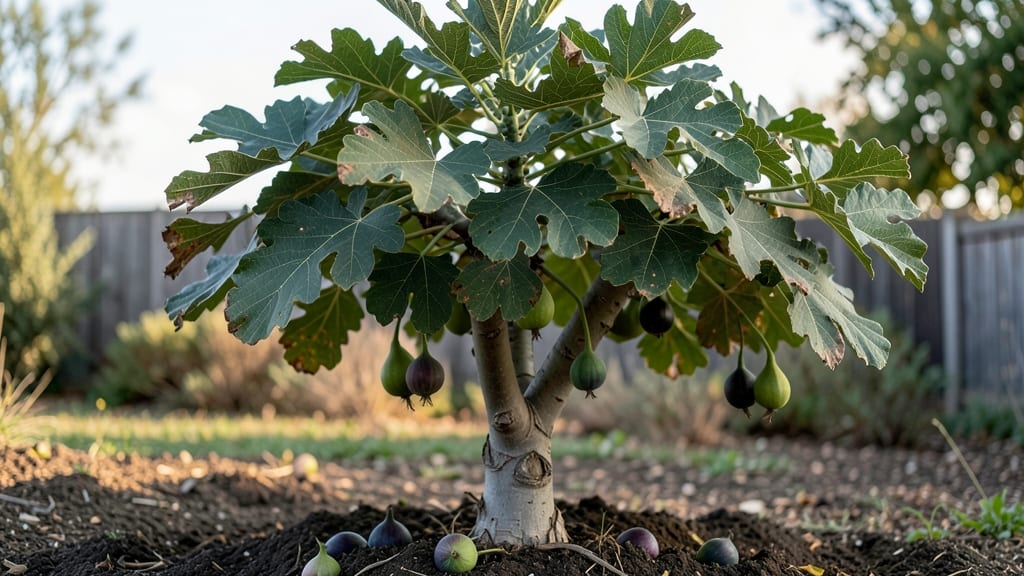
Understanding your fig tree’s life cycle is the secret to harvesting fruit every year—no more missed harvests or confused pruning. 🌱 From the moment a seed sprouts to the first frost, each stage has its own needs, and knowing them means you’ll never guess wrong about water, sunlight, or when to trim.
The cycle starts with germination, where tiny roots break through soil in spring, followed by rapid growth that can shoot up 6 feet in a single season. Then comes flowering—those strange-looking figs aren’t fruit yet, but potential blooms that need warmth to develop.
By summer, you’ll spot the actual fruit forming, and with proper care, they’ll ripen to sweet perfection by late summer or fall.
When temperatures drop, your fig tree might drop leaves or go dormant, but don’t panic—this is normal. With the right pruning in late winter, you’ll encourage fresh growth come spring.
The key is matching your care to the season: water deeply in summer, hold back in winter, and always prune after the last frost.
Whether you’re growing a dwarf variety in a pot or a towering tree in the ground, this cycle repeats every year. Master it, and you’ll enjoy harvests for decades—with fewer pests, stronger branches, and fruit that tastes like sunshine. Let’s break it down stage by stage.
📚 In This Guide
- What you need
- Instructions
- Tips and common mistakes
- Wrapping up and next steps
What you need
- ● Fig Tree Seedlings or Cuttings: 1–3 healthy fig tree seedlings (if starting from scratch)
- ● OR 1–2 mature fig cuttings (6–12 inches long, with at least 2–3 nodes)
- ● Well-Draining Soil: 5–10 gallons of loamy, slightly acidic soil (pH 6.0–7.0)
- ○ Optional: 1 part compost or aged manure mixed into the soil for nutrients
- ● Containers or Garden Space: For seedlings: 5–7 gallon pots with drainage holes (or a raised bed)
- ● For mature trees: 15+ gallons of space (or direct garden planting)
- ● Pruning Tools: 1 pair of sharp, sterilized pruning shears (for cuttings or trimming)
- ● 1 bypass pruner (for larger branches)
- ● Planting Supplies: 1 trowel or spade for digging
- ○ 1 rooting hormone (optional, for cuttings)
- ● 1 mulch (straw, wood chips, or pine needles)
- ● Watering & Care: 1 watering can or hose with gentle nozzle
- ● 1 fertilizer (balanced 10-10-10 or fig-specific formula, applied 2–3 times/year)
- ● Sunlight: Full sun (6–8+ hours/day) for optimal growth
- ● Temperature: Seedlings: 60–75°F (15–24°C) for germination
- ● Mature trees: Hardy to 10–20°F (-12 to -6°C), but protect young trees in frost
- ● Water Needs: 1–2 inches/week (drought-tolerant once established)
Understanding the fig tree's four key growth phases
Here's how I break down each stage—what to expect and how to support your tree.
🌱 Step 1: Spring Awakening (Dormancy Break to Leaf Flush)
Fig trees wake up in early spring when daytime temperatures hit 50-60°F. You'll notice swollen buds along the branches—these are next year's growth. Prune dead wood first, cutting back to the nearest outward-facing bud with clean sterilized pruners. Avoid heavy pruning now; figs grow from old wood, and aggressive cuts remove potential fruit-bearing branches.
Once buds open, new leaves emerge in 2-3 weeks. These first leaves are tender and pale—protect your tree from late frosts by covering it with frost cloth if nights dip below 32°F. Water deeply once a week when the top 2 inches of soil feel dry, focusing on the root zone to encourage deep root growth.
☀️ Step 2: Summer Fruit Production (Flowering to Harvest)
Figs bloom in late spring to early summer, but their flowers are tiny and hidden inside the fig itself. You'll know fruit is setting when small, hard bumps appear where last year's leaves were. These swell into fruit over 8-12 weeks, depending on variety and climate. Common varieties like 'Celeste' and 'Brown Turkey' ripen in late summer, while 'Chicago Hardy' produces a second crop in fall.
During this phase, figs need consistent moisture—water twice weekly during dry spells, aiming for 1-2 inches of water per week. Mulch with 2-3 inches of organic mulch (like wood chips) to retain moisture and regulate soil temperature. Watch for sap-sucking insects like aphids; a strong spray of water usually dislodges them before they cause damage.
🍇 Step 3: Fall Transition (Fruit Ripening to Dormancy Prep)
As temperatures drop below 70°F, figs enter their final growth push. Fruit ripens quickly—check trees every 2-3 days once they start coloring. Harvest when fruit yields slightly to gentle pressure and smells sweet. Cut stems with 2-3 inches of stem attached to encourage next year's growth. Store ripe figs in the fridge for up to 5 days or freeze for longer storage.
After harvest, reduce watering gradually. By October, cut back to once every 2 weeks unless your tree is in a container. Apply a balanced fertilizer (10-10-10) in early fall to replenish nutrients. If you live in USDA zones 7-9, your tree may stay evergreen—just reduce watering further as winter approaches.
❄️ Step 4: Winter Dormancy (Rest and Root Growth)
Fig trees slow down in winter but aren't truly dormant. In colder zones (below 10°F), protect the trunk by wrapping it in burlap or tree wrap to prevent frost cracks. Evergreen varieties may drop some leaves—this is normal. In milder climates, figs continue slow growth, so water lightly every 3-4 weeks if rainfall is scarce.
This is the perfect time to prune for structure. Remove crossing branches, dead wood, and suckers (shoots growing from the base). Thin the canopy to improve airflow—figs hate humidity trapped in dense foliage. If your tree is in a container, move it to a garage or sheltered patio if temperatures drop below 20°F for extended periods.
Tips & tricks for perfect fig tree growth
Mastering your fig tree's life cycle takes observation and small adjustments—here's what I've learned to keep mine thriving year after year.
Spring Awakening: The 50-60°F temperature range is crucial for spring growth. I've found that checking your local weather forecast and planning your pruning for days when temps are consistently above 55°F prevents shock to the tree. Also, don't be tempted to prune too aggressively—figs produce fruit on old wood, so those branches are more valuable than you might think.
Summer Care: During the 8-12 week fruit development period, I've discovered that mulching with 2-3 inches of organic material isn't just about moisture—it also helps regulate soil temperature. When summer heat waves hit, I add an extra inch of mulch to protect those developing figs from temperature swings. The key is keeping that mulch 2-3 inches away from the trunk to prevent rot.
Fall Transition: When temperatures drop below 70°F, your fig tree's metabolism slows dramatically. I've learned that the "every 2-3 days" fruit check is critical—ripe figs won't get riper once picked, so timing is everything. For storage, I've found that freezing works better than refrigeration for long-term preservation, as it maintains the fruit's texture and flavor better.
Winter Protection: The 10°F threshold is where things get serious for cold-sensitive varieties. I've had to learn this the hard way—last winter, I forgot to wrap my tree's trunk below 20°F, and it developed frost cracks that took months to heal. Now I use a combination of burlap and tree wrap, and I always check the forecast for extended cold snaps.
Pro Tips for Fig Tree Life Cycle
- Mastering your fig tree's life cycle takes observation and small adjustments—here's what I've learned to keep mine th...
- Spring Awakening: The 50-60°F temperature range is crucial for spring growth. I've found that checking your local wea...
- Summer Care: During the 8-12 week fruit development period, I've discovered that mulching with 2-3 inches of organic ...
Frequently asked questions
Got questions about the fig tree life cycle? You’re not alone!
Whether you're a first-time grower or a seasoned gardener, these common queries can help you navigate each stage with confidence. Let’s dive in:
How long does it take for a fig tree to bear fruit after planting?
A fig tree typically takes 1–3 years to produce fruit, depending on the variety and growing conditions. Dwarf varieties may fruit faster (1–2 years), while standard trees can take up to 3 years. Patience pays off—healthy soil, sunlight, and proper care speed up the process!
Can fig trees survive winter, or do they need protection?
Most fig trees are semi-tropical and need winter protection in colder climates (below 15°F/-9°C). Mulch the base, wrap the trunk with burlap, or move potted trees indoors. Ever-bearing varieties like ‘Celeste’ are slightly hardier but still benefit from shelter.
Why did my fig tree produce flowers but no fruit?
Fig trees may drop flowers due to pollination issues, extreme heat/cold, or nutrient deficiencies. Ensure your tree gets full sun (6+ hours/day) and well-draining soil. Hand-pollinate with a small brush if needed, or check for pests like fig wasps.
When and how should I prune a fig tree for better fruit production?
Prune after harvest (late winter/early spring) to shape the tree and encourage new growth. Remove dead or crossing branches, and thin out crowded areas for airflow. Avoid heavy pruning—fig trees fruit on current-year wood, so leave some fruiting branches intact.
Are there any low-maintenance fig tree alternatives for small spaces?
Yes! Try dwarf varieties like ‘Little Miss Figgy’ or ‘Violette de Bordeaux,’ which thrive in containers. ‘Chicago Hardy’ is another cold-tolerant option for smaller gardens. Just ensure they get adequate sunlight and water—they’re forgiving but not drought-proof!
Wrapping up and next steps
Understanding the fig tree life cycle reveals why these resilient plants thrive year-round—from delicate blossoms to sweet fruit and even dormant roots. Whether you're a gardener or simply fascinated by nature, recognizing each stage helps you nurture your tree with confidence. 🌱
Now that you’re equipped with the know-how, why not take the next step? Start by observing your fig tree’s growth or experiment with pruning techniques to encourage healthier blooms. Every season is a new opportunity to deepen your connection with this remarkable plant!