
Container Gardens
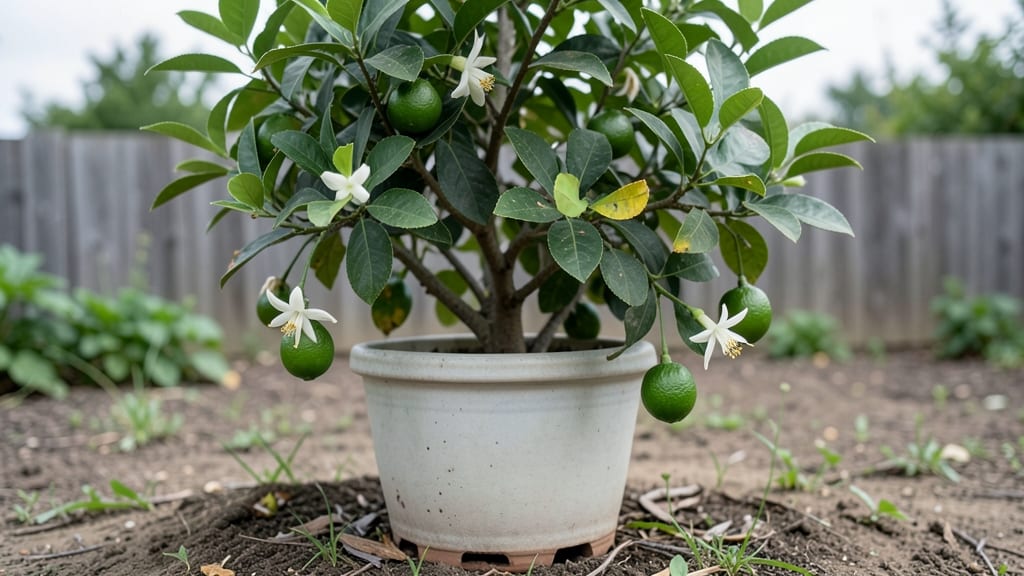
A potted lime tree brings sunshine to your patio—and zesty fruit to your kitchen—no yard required. 🌿 I’ve grown mine for three years now, and the key is mimicking its tropical roots: a deep container, gritty soil, and a winter escape from drafts.
The first harvest came in year two, and now I’m hooked on the tangy reward of container citrus.
The right setup makes all the difference: a 15-gallon pot with drainage holes, fast-draining soil (equal parts potting mix, perlite, and compost), and a spot that gets 6+ hours of sunlight daily. Overwatering kills more potted limes than anything else—let the top inch dry before watering again.
In winter, move it indoors near a bright window or grow light, where it’ll keep producing fruit even when outdoor temps drop.
By summer’s end, you’ll be snipping fresh limes straight from your porch—bright green, fragrant, and packed with juice. The tree stays compact (around 6 feet tall), making it perfect for patios, balconies, or even sunny kitchens.
Prune lightly after harvest to shape it, and fertilize monthly with citrus-specific food during growing season.
Watch for root-bound stress (yellow leaves mean it’s time to repot) and spider mites in dry indoor air. With these tweaks, your potted lime will thrive year after year—no orchard required. Let’s get growing!
📚 In This Guide
- What you need
- Instructions
- Tips and common mistakes
- Wrapping up and next steps
What you need
- ● Potted lime tree sapling: Choose a Citrus aurantifolia (Key lime) or Citrus × latifolia (Persian lime) from a nursery. Ensure it’s disease-free and in a 1-3 gallon pot.
- ● Container: A 5-gallon pot or larger (minimum 12-18 inches deep) with drainage holes. Opt for terracotta or fabric pots for better airflow.
- ● Well-draining potting mix: A blend of 50% citrus-specific soil, 30% perlite or pumice, and 20% compost (avoid garden soil—it compacts!).
- ● Slow-release citrus fertilizer: Look for a balanced NPK (e.g., 6-6-6 or 8-3-6) with micronutrients like iron and zinc.
- ● Drip irrigation system or watering can: Limes hate soggy roots—water deeply but infrequently (aim for 1-2 inches per week, adjusting for climate).
- ● Trowel or small shovel for repotting.
- ● Pruning shears (sterilized with rubbing alcohol) for shaping and removing dead growth.
- ○ Mulch (optional): Use 2-3 inches of pine bark or straw to retain moisture and regulate soil temp.
- ○ Support stake (optional): If your lime grows tall, a bamboo or metal stake helps prevent toppling.
- ○ Grow lights (optional): For indoor setups, use a full-spectrum LED grow light (12-16 hrs/day) if natural light is <10 hours/day.
Step-by-Step instructions for growing a potted lime tree
Here’s how I grow a thriving lime tree in containers—no greenhouse needed.
🌱 Step 1: Select the Right Variety and Container
Choose a dwarf variety like ‘Meyer’ or ‘Eureka’—they’re compact enough for pots but still produce abundant fruit. A 5-gallon container is ideal for a young tree, with at least one drainage hole to prevent soggy roots. I use terra cotta because it breathes and helps regulate moisture.
Fill the pot with well-draining citrus potting mix (never regular garden soil—it compacts and suffocates roots). Add a 2-inch layer of gravel or expanded clay pebbles at the bottom for extra drainage. This prevents waterlogging, which is the #1 killer of potted citrus.
🌿 Step 2: Plant and Water for the First Time
Dig a hole in the soil mix twice as wide as the root ball but only as deep as the top of the root flare (where roots meet the trunk). Gently remove the tree from its nursery pot and loosen any circling roots with your fingers. Place it in the hole so the top of the root ball sits ½ inch below the pot’s rim—this leaves room for watering.
Water deeply until it drains from the bottom, then let the tree sit in a saucer of water for 10 minutes to encourage root spread. After planting, keep the soil evenly moist (not soggy) for the first 2 weeks. You’ll know it’s right when the top inch feels damp but not wet to the touch.
☀️ Step 3: Provide Full Sun and Warmth
A potted lime tree needs 6+ hours of direct sun daily—a south or west-facing spot works best. If you’re indoors, place it within 3 feet of a bright window or under grow lights for 12-14 hours/day. Without enough light, leaves turn yellow and fruit won’t develop properly.
Keep temperatures between 60-85°F—lime trees hate drafts and cold snaps. In winter, move your pot away from windows at night (glass radiates cold). If your home runs cool, a small space heater near the tree (but not too close) helps maintain warmth.
💧 Step 4: Fertilize and Prune for Growth
Feed your lime tree every 4-6 weeks during spring and summer with a balanced citrus fertilizer (like 6-6-6 or 8-3-9). I mix it into the top 2 inches of soil after watering to avoid burning roots. Reduce feeding in fall and winter—over-fertilizing stresses the tree when it’s dormant.
Prune in late winter or early spring before new growth starts. Remove dead, crossing, or inward-growing branches with clean sterilized pruners. Cut just above a leaf node (the bump where leaves grow) to encourage bushier growth. Avoid heavy pruning—lime trees fruit on new wood, so don’t trim more than 25% of the canopy at once.
✂️ Step 5: Harvest and Overwinter for Next Year
Limes ripen 6-12 months after flowering, depending on the variety. Pick them when they’re fully colored and slightly soft to the squeeze. Harvest by twisting gently—if the fruit doesn’t come off easily, it’s not ready yet. Store unripe limes at room temperature; once picked, they won’t ripen further.
Before winter, move your pot to a sunny indoor spot (like a conservatory or bright room). Reduce watering so the soil stays lightly moist—overwatering in cold temps leads to root rot. If your home is very dry, mist the leaves once a week to prevent browning. With proper care, your lime tree will reward you with fruit year after year!
Tips & tricks for perfect potted lime tree care
A few simple tricks will help your potted lime tree thrive year after year without the guesswork.
The Container Size Matters: In Step 1, when selecting your 5-gallon container, remember that lime trees grow slowly but steadily. You'll need to upgrade to a 7-10 gallon pot within 2-3 years as the roots outgrow their space. The extra room prevents root binding, which causes stunted growth and poor fruit production. I always choose pots with feet to improve drainage and airflow underneath.
Root Spread Hack: That 10-minute saucer soak in Step 2 isn't just about watering—it's about encouraging your tree's roots to spread outward rather than circling the pot. After planting, gently tap the sides of the pot to help roots make contact with the soil. This creates a stronger root system that can access nutrients more efficiently, setting your tree up for better fruit production down the line.
Lighting Troubleshooting: For the 6+ hours of direct sun in Step 3, don't assume all south-facing spots are equal. If your tree's leaves start yellowing between the veins, it's getting too much direct sun—especially in hot afternoons. Try moving it to a spot with morning sun and afternoon shade, or use a sheer curtain to filter the light. For indoor growers, supplement with LED grow lights for those 12-14 hours to prevent leggy growth.
Fertilizer Timing: When you're fertilizing every 4-6 weeks in Step 4, pay attention to your tree's growth signals. If new leaves appear yellow with green veins, you're overdoing it. The key is to fertilize when you see active new growth beginning—this ensures the nutrients are used for growth rather than sitting unused in the soil. Always water thoroughly before and after fertilizing to prevent root burn.
Pro Tips for Potted Lime Tree
- A few simple tricks will help your potted lime tree thrive year after year without the guesswork.
- The Container Size Matters: In Step 1, when selecting your 5-gallon container, remember that lime trees grow slowly but steadily.
- Root Spread Hack: That 10-minute saucer soak in Step 2 isn't just about watering—it's about encouraging your tree's roots to spread outward rather than circling the pot.
Frequently asked questions
Got questions about growing a potted lime tree? You’re not alone!
Here are answers to the most common concerns—from care tips to troubleshooting—so you can enjoy fresh limes year-round without the guesswork.
How often should I water my potted lime tree?
Water your lime tree when the top 1–2 inches of soil feel dry. In hot months, this could be every 2–3 days, while cooler seasons may stretch it to once a week. Pro tip: Overwatering is worse than underwatering—ensure the pot has drainage holes to prevent root rot.
When will my potted lime tree bear fruit?
With proper care, dwarf lime trees (like ‘Meyer’ or ‘Tahiti’) can produce fruit in 1–3 years, while standard varieties may take 3–5 years. Factors like sunlight (6+ hours daily), fertilizer (citrus-specific), and patience play a big role.
Can I grow a lime tree indoors year-round?
Yes! Place your potted lime near a south-facing window or use grow lights (12–16 hours/day). Keep temps between 60–85°F—avoid drafts or cold windowsills. In winter, reduce watering slightly, but maintain humidity with a pebble tray or misting.
What’s the best way to overwinter my potted lime tree?
Move your lime tree indoors before temps drop below 40°F. Prune lightly to reduce stress, and place it near bright light. Reduce watering to every 10–14 days and fertilize lightly (half-strength) every 2 months. Resume outdoor care in spring when nights stay above 50°F.
My lime tree’s leaves are yellow—what’s wrong?
Yellow leaves often signal overwatering or nutrient deficiency. Check soil moisture and adjust watering. For nutrients, use a citrus fertilizer (high in nitrogen, zinc, and iron) every 4–6 weeks. Yellowing edges may also mean low humidity—try a humidifier or group plants together.
What’s a good alternative if I can’t grow a lime tree?
Try these low-maintenance citrus alternatives for containers:
- Calamondin orange – Tiny, fragrant fruit; thrives indoors.
- Kumquat – Edible peel; cold-hardy to 20°F.
- Dwarf lemon – Fast-growing; great for small spaces.
- Mexican lime (Key lime) – Compact; loves heat.
Wrapping up and next steps
Growing a potted lime tree is a rewarding journey that brings fresh, homegrown citrus to your doorstep year-round! With the right care—sunlight, water, and a little patience—you’ll enjoy vibrant foliage, fragrant blooms, and tangy limes straight from your container.
Whether you’re a beginner or a seasoned gardener, this project is totally doable and so satisfying.
Ready to take the next step? Start by selecting your favorite lime variety (like Meyer or Bearss) and gather your supplies. Then, roll up your sleeves and get planting—your future harvest is waiting! 🌱✨