Pruning
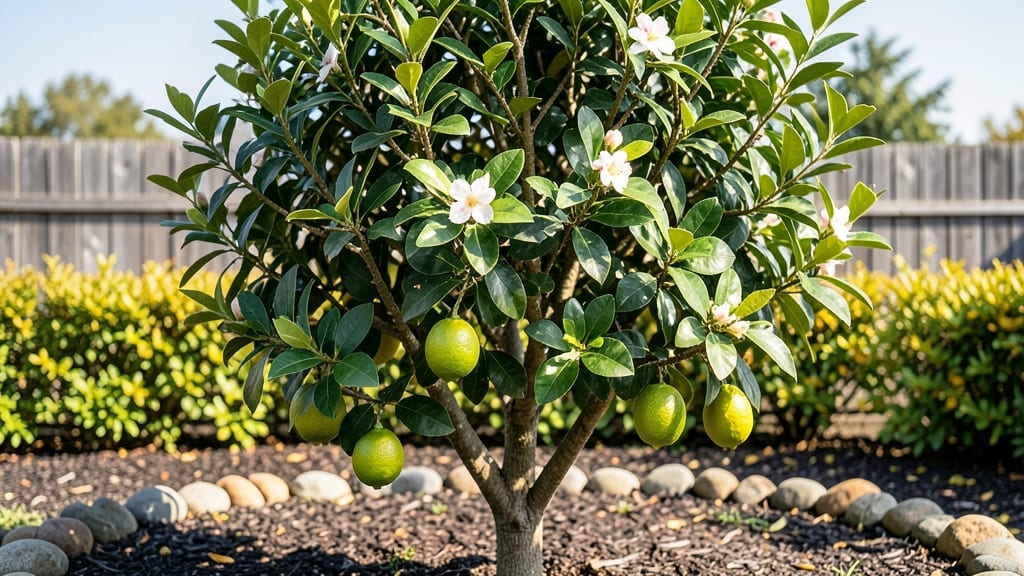
Growing a Persian lime tree in your backyard means fresh, fragrant fruit year-round—with far less pruning than you’d expect. 🌿 I’ve had mine for three years now, and the key isn’t aggressive trimming but understanding its natural shape and seasonal needs.
The tree thrives with minimal fuss, producing limes even in containers if you’re short on space.
The secret lies in its love for warmth and well-draining soil, paired with a sunny spot (at least 6 hours of light daily).
My tree sits in a raised bed with a mix of native soil and compost, and I water deeply but only when the top inch feels dry. Overwatering is the real enemy—yellow leaves or dropped fruit are your first warning signs.
By winter, you’ll see clusters of small, aromatic limes ripening—sweet when fully yellow, tart when green. The tree handles light pruning in late winter to shape it, but I mostly let it grow naturally.
Even in Zone 9, a frost cloth saves it from cold snaps, and the roots stay happy with a 2-inch layer of mulch to retain moisture.
Pests are rare, but watch for aphids on new growth—just spray with soapy water if you spot them. With this approach, my tree gives me dozens of limes annually, and the process is simpler than most gardeners realize. Ready to grow one that practically cares for itself?
📚 In This Guide
- What you need
- Instructions
- Tips and common mistakes
- Wrapping up and next steps
What you need
- ● Persian lime tree: Choose between a seedling (cheaper, slower to fruit) or a young grafted sapling (faster fruiting, ~$25–$50). For mature trees, budget $100–$300+ depending on size.
- ○ Well-draining potting mix: 3–5 gallons of a blend like cactus/succulent mix + perlite (or 50% potting soil, 30% compost, 20% sand). Optional: Add 1 tbsp worm castings for extra nutrients.
- ● Container or in-ground spot: Container growers: A 15–25 gallon pot with drainage holes (terracotta or fabric pots preferred). Pro tip: Use 3–4 pots if growing multiple trees for cross-pollination!
- ● In-ground: A sunny, sheltered location with 6+ hours of sunlight and protection from strong winds (Zone 9–11 hardiness).
- ● Fertilizer: Balanced fertilizer (10-10-10 or 20-20-20): 1 tbsp mixed into soil at planting.
- ● Citrus-specific fertilizer: Monthly doses (spring–fall) of a low-nitrogen, high-potassium blend (e.g., 7-9-5).
- ○ Pruning shears: Bypass pruners (sharp, clean—$15–$30) for small branches. Optional: Loppers ($20–$40) for thicker limbs.
- ● Disinfectant: 70% isopropyl alcohol or bleach solution (1:10) to sterilize tools between cuts.
- ● Garden gloves: Heavy-duty, cut-resistant (e.g., Mechanix or Felco gloves).
- ○ Pruning sealant: Optional (e.g., Tree Wound Pruning Seal) for large cuts to prevent disease.
- ● Mulch: 2–3 inches of organic mulch (e.g., wood chips or straw) to retain moisture and regulate soil temp.
- ● Climate check: Persian lime trees (Citrus × latifolia) thrive in USDA Zones 9–11. If you’re in a colder zone, grow in containers and bring indoors (50°F+) during winter.
- ● Watering setup: A drip irrigation system or watering can with a long spout (trees hate soggy roots!).
- ● Patience: Seedlings take 3–5 years to bear fruit; grafted saplings may fruit in 1–2 years.
Step-by-step guide to growing a thriving Persian lime tree
Here's how I grow Persian limes that produce fruit year-round with almost no fuss.
☀️ Step 1: Choose the Perfect Sunlit Spot
Persian lime trees need 6-8 hours of direct sunlight daily—they're not shade-tolerant like some citrus varieties. I always place mine in a south-facing window or on a patio where they get morning sun and afternoon light. If growing outdoors in colder zones, move the pot indoors before temperatures drop below 35°F—those frosty nights will kill your tree.
Watch for leaves that start curling or yellowing—this is your signal the light isn't sufficient. A grow light works in a pinch, but natural sunlight produces sweeter fruit. The key is consistency: once you find the right spot, don't move the tree frequently—citrus hate being relocated once established.
🪴 Step 2: Plant in Well-Draining Soil and the Right Container
Use a 15-20 gallon pot with drainage holes for your Persian lime tree—these trees grow surprisingly large. Fill it with a mix of 50% potting soil, 30% perlite, and 20% compost to ensure excellent drainage. Soggy roots lead to root rot, and Persian limes are particularly sensitive to this. I always add a 2-inch layer of gravel at the bottom of the pot before adding soil to create extra drainage space.
When planting, bury the tree just slightly deeper than it was in its nursery pot—this helps stabilize it. Water thoroughly after planting, but don't let the soil stay waterlogged. You'll know you've got the right moisture balance when water runs out the drainage holes but the top inch of soil stays slightly damp—not wet.
💧 Step 3: Water Deeply but Infrequently
Persian lime trees hate having wet feet, so I water them deeply once a week during warm months, letting the water soak through the entire root ball. In winter, when growth slows, I reduce watering to every 2-3 weeks. The key is to let the top 2-3 inches of soil dry out between waterings—stick your finger in the soil to check. If it feels dry, it's time to water.
Overwatering is the #1 killer of young Persian lime trees. You'll see yellowing leaves or drooping branches as warning signs—this means you're watering too much. If this happens, let the soil dry out completely before watering again. A moisture meter helps, but even without one, you can train yourself to judge soil moisture by touch.
✂️ Step 4: Minimal Pruning for Maximum Fruit
Here's the secret to minimal pruning: I only prune in late winter or early spring before new growth begins. Remove any dead, diseased, or crossing branches first—these compete with your fruit production. Then, trim back any overly long branches by about one-third to encourage bushier growth. Persian limes fruit on new wood, so pruning stimulates more flowering.
Never prune more than 25% of the tree at once—this stresses the plant. I also avoid heavy pruning in summer when the tree is actively fruiting. Watch for new growth after pruning: healthy new shoots indicate you've pruned correctly. If you see no new growth after 4-6 weeks, you may have pruned too aggressively.
🍋 Step 5: Fertilize for Continuous Harvest
Feed your Persian lime tree with a balanced citrus fertilizer (like 6-6-6 or 8-3-9) every 4-6 weeks during the growing season (spring through fall). I use half-strength fertilizer the first year to avoid burning young roots. In winter, reduce to every 8-12 weeks since growth slows. The key is consistency—don't skip months or you'll see reduced flowering and fruiting.
You'll know your fertilization is working when you see dark green, glossy leaves and abundant new growth. Too much fertilizer causes leaf burn (brown edges) or stunted growth. Always water the tree thoroughly before and after fertilizing to help the nutrients reach the roots. I also add a slow-release citrus fertilizer in early spring to provide steady nutrition throughout the season.
Tips & tricks for perfect Persian lime tree care
These practical tips will help you avoid common pitfalls and maximize your Persian lime tree's fruit production with minimal effort.
Lighting Strategy: If you're growing in a north-facing window or indoors, supplement with a grow light for at least 4-6 hours daily to make up for the 6-8 hours of sunlight requirement. I use a full-spectrum LED grow light on a timer for consistency—it's a game-changer for indoor trees. Position it about 12 inches above the tree and adjust as it grows.
Soil Mix Secret: The 50-30-20 soil mix (potting soil, perlite, compost) is perfect, but I add 1 tablespoon of Epsom salt to the mix at planting time. This magnesium boost gives Persian limes that extra zing in flavor—it's especially helpful if your tap water is hard. Just mix it in thoroughly before planting.
Watering Technique: When watering deeply once a week, use the "fork test" to check moisture: insert a small trowel into the soil. If it comes out clean, your tree needs water. If it's damp, wait another day. This method is more reliable than just feeling the surface soil, which can be misleading. In winter, I reduce to every 2-3 weeks and check for dryness before watering.
Pruning Timing: The late winter/early spring pruning window is crucial—this is when Persian limes naturally enter dormancy. I mark my calendar for February 1st as my target date, as this gives the tree enough time to recover before summer fruiting begins. If you miss this window, avoid pruning until the following winter to prevent stressing the tree during its active growing season.
Pro Tips for Persian Lime Tree
- These practical tips will help you avoid common pitfalls and maximize your Persian lime tree's fruit production with minimal effort.
- Lighting Strategy: If you're growing in a north-facing window or indoors, supplement with a grow light for at least 4-6 hours daily to make up for the 6-8 hours of sunlight requirement.
- Soil Mix Secret: The 50-30-20 soil mix (potting soil, perlite, compost) is perfect, but I add 1 tablespoon of Epsom salt to the mix at planting time.
Frequently asked questions
Got questions about growing and maintaining your Persian lime tree? You’re not alone! Here are some of the most common queries—plus straightforward answers to keep your citrus harvest thriving with minimal fuss.
How often should I prune my Persian lime tree?
Prune your Persian lime tree lightly 2–3 times a year: once after harvest (late winter/early spring), again in mid-summer to shape growth, and a final light trim in fall. Avoid heavy pruning—these trees bloom on old wood, so over-trimming can reduce fruit production. Focus on removing dead branches and thinning dense areas for airflow.
Can Persian lime trees survive winter in cold climates?
Persian lime trees (Citrus × latifolia) are tender perennials and thrive in USDA zones 9–11. In colder areas (zones 8 or below), grow them in containers and move them indoors (or to a greenhouse) when temps drop below 40°F. If left outside, protect the tree with frost cloth or mulch heavily around the base. Pro tip: Avoid fertilizing in winter—the tree’s dormant!
Why aren’t my Persian lime tree’s fruits ripening?
Unripe fruit often signals pollination issues or nutrient gaps. Persian limes are self-pollinating, but cross-pollination with other citrus (like lemons) can boost yields. Check for aphids or mites (they sap energy from the tree). Also, ensure the tree gets 6+ hours of sunlight daily and balanced fertilizer (high in nitrogen early, phosphorus/potassium mid-season).
What’s the best alternative if I can’t grow a Persian lime tree?
If your climate isn’t ideal, try these low-maintenance citrus alternatives:
- Meyer lemon – Hardier (zones 8–11), sweet fruit, and drought-tolerant.
- Calamondin orange – Compact, cold-resistant (zones 9–11), and dual-purpose (fruit + ornamental).
- Kumquat – Thrives in containers, zones 7–11, and edible peel!
For indoor growing, dwarf varieties (like ‘Improved Meyer’) do well under grow lights.
Are Persian lime trees toxic to pets?
Yes, all citrus trees (including Persian limes) contain citric acid and essential oils (like limonene) that can cause mild to severe poisoning in pets if ingested in large quantities. Symptoms include vomiting, drooling, or lethargy. Keep trees out of reach, and never feed citrus peels or seeds to pets. If your pet shows signs of illness, contact your vet immediately.
Wrapping up and next steps
The Persian lime tree is a fantastic choice for gardeners who crave low-maintenance fruit production without sacrificing beauty. With just a few simple pruning techniques—like shaping for airflow and removing dead branches—you can enjoy year-round harvests while keeping your tree healthy and thriving.
Whether you're a beginner or a seasoned gardener, this citrus gem proves that great results require minimal effort!
Ready to transform your yard into a citrus oasis? Grab your tools, follow the steps above, and watch your Persian lime tree flourish—one delicious, fragrant harvest at a time! 🌱🍋