
Blooming
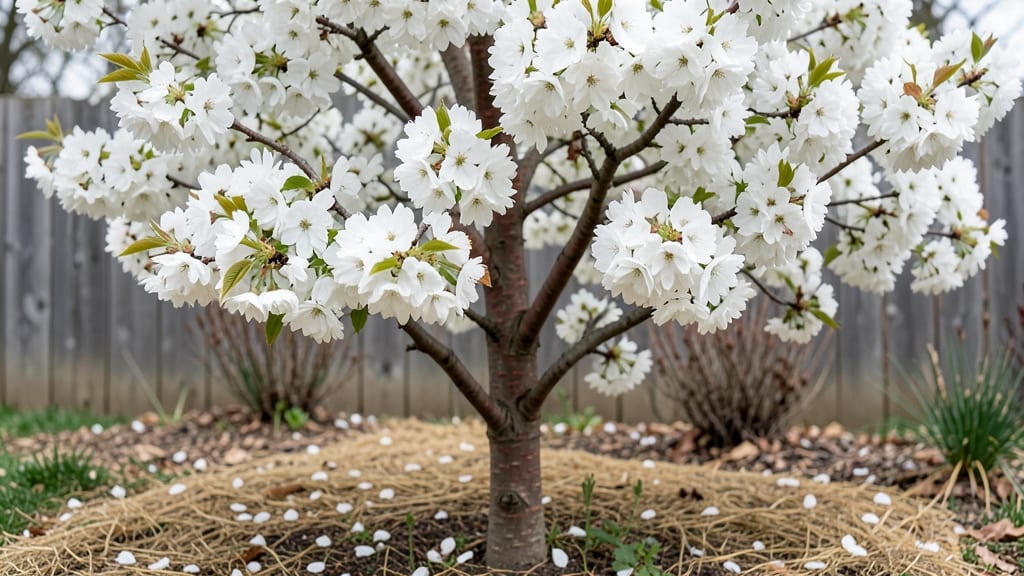
A white-blossoming ornamental cherry tree transforms your Pacific Northwest garden into a dreamy spring canvas—imagine clouds of delicate pink-tinged blossoms drifting over dark green foliage. 🌸 I planted mine near the patio last year, and the way the light filters through those petals at dawn makes every morning feel like a fresh start.
The secret isn’t just the flowers; it’s how this tree holds its shape through frost, then bursts into color weeks before other spring stars like dogwoods or magnolias even think about waking up.
Placement is everything—this tree thrives as a solitary statement piece on a lawn, or as a border anchor where its branches spill over a patio edge. Pair it with early-blooming bulbs like daffodils or evergreen shrubs like rhododendrons to extend the show from winter through summer.
The key is spacing: give it 20-25 feet of room to mature without crowding, and prune in late winter to maintain that graceful vase shape while encouraging dense blossoms.
What you’ll love most is how it elevates the whole garden’s mood—the way those blossoms catch the morning mist, how the scent lingers on breezy days, and how the dark bark adds winter interest when everything else is dormant.
Even after the flowers fade, the lacy new leaves and summer shade make it a year-round player. Think of it as your garden’s centerpiece, but one that works harder than any store-bought painting.
For maximum impact, plant two or three together to create a living archway or line a driveway for a grand entrance. The Pacific Northwest’s cool springs actually favor this tree’s blossoming—no summer heat stress to worry about.
Just add a few companion perennials like bleeding hearts or hostas at its base, and you’ve got a scene straight out of a storybook.
📚 In This Guide
- What you need
- Instructions
- Tips and common mistakes
- Wrapping up and next steps
What you need
- ● Ornamental cherry tree (white blossom variety): 1 bare-root or container-grown sapling (3–6 ft tall, depending on maturity)
- ● Recommended varieties: Prunus × yedoensis ‘Akebono’ (early bloomer) or Prunus serrulata ‘Kanzan’ (double blooms)
- ● Planting site: Full sun (6+ hours/day) 🌞
- ● Well-draining soil (amend with compost if heavy clay is present)
- ● Space: 15–25 ft apart (mature width) or 20–30 ft for larger varieties
- ● Tools: Shovel or spade (for digging)
- ● Garden fork (to loosen soil)
- ● Pruning shears (sterilized)
- ● Measuring tape (for spacing)
- ● Garden hose (with adjustable nozzle)
- ● Slow-release fertilizer (10-10-10 or organic option like composted manure)
- ● Mulch (3–4 inches of wood chips or bark)
- ● Tree stakes & ties (for young saplings in windy areas)
- ● Soil pH tester (ideal range: 6.0–7.0)
- ● Drip irrigation system (for consistent moisture)
- ● Frost cloth (if planting early in cold PNW zones)
Step-by-Step guide to planting and caring for your ornamental cherry tree
Here's how to establish your tree for that stunning Pacific Northwest spring display.
🌱 Step 1: Select and Prepare the Planting Site
Choose a location with full sun exposure (6-8 hours daily) and well-draining soil. Ornamental cherries thrive in the Pacific Northwest's mild climate but need protection from late spring frosts. Test your soil's drainage by digging a 12-inch deep hole—if water pools after 24 hours, amend with compost or sand.
I always plant mine in early fall or late winter to give roots time to establish before spring's dramatic blooming season. The tree's shallow root system means you'll need to avoid compacting the soil during planting. Spread a 2-3 inch layer of organic mulch around the base (but not touching the trunk) to retain moisture and regulate soil temperature.
🪴 Step 2: Dig and Plant the Tree
Dig a hole twice as wide as the root ball but no deeper—planting too deeply suffocates roots and causes stress. Gently remove the tree from its container and loosen any circling roots with your fingers. You'll notice the root flare (where roots meet trunk) should sit 1-2 inches above ground level.
Place the tree in the hole and backfill with native soil mixed with compost (about 10% by volume
Water deeply 2-3 times per week during the first growing season, providing 10-15 gallons each time. You'll know you're doing it right when the top 6 inches of soil stay consistently moist but not soggy. Pacific Northwest summers can be surprisingly dry, so monitor soil moisture closely. Apply a balanced 10-10-10 fertilizer in early spring and again after blooming. I use about ½ pound per inch of trunk diameter, spread in a 3-foot radius around the tree. Avoid high-nitrogen fertilizers—they promote leafy growth at the expense of those prized white blossoms. Prune immediately after flowering (late spring) to remove any dead, diseased, or crossing branches. Use clean, sharp pruners to make cuts just outside the branch collar. You'll see new growth appear within 3-4 weeks—this is your tree's way of telling you it's recovering well. Never prune in fall or winter—you risk encouraging new growth that won't harden off before frost. Thin out crowded branches to improve air circulation, which prevents fungal diseases that can mar those stunning blossoms. Remember, the goal is to maintain an open vase shape that showcases the spring display. The Pacific Northwest's unpredictable spring weather demands preparation. When nighttime temperatures dip below 28°F, cover the tree with a frost cloth secured loosely around the trunk. You'll want to leave some airflow to prevent moisture buildup that could cause rot. I've learned the hard way that watering before a frost makes the situation worse—ice crystals form in the soil and damage roots. Instead, water deeply a week before the first expected frost to give the tree moisture reserves. The white blossoms are frost-sensitive, but established trees usually recover well if the buds aren't damaged.☀️ Step 3: Water and Fertilize for Establishment
✂️ Step 4: Prune for Health and Blooming
⏰ Step 5: Protect from Late Frosts
Tips & tricks for perfect ornamental cherry tree planting
These pro tips will help you establish your tree for that showstopping spring display—without the common pitfalls that ruin first-year blooms.
Soil Test Timing: The 24-hour drainage test in Step 1 is crucial, but don't rush it! Water the hole and wait exactly 24 hours before deciding if amendments are needed. I've seen people add compost too soon, which can actually trap moisture and suffocate those shallow roots we want to establish. For extra accuracy, test two spots in different areas of your yard—soil drainage can vary dramatically even in small spaces.
Root Flare Visibility: In Step 2, the root flare should be the most obvious visual cue when planting. If you're unsure where it is, gently scrape away soil from the base until you see the swollen area where roots meet trunk. This flare must sit 1-2 inches above ground level—planting it too deep strangles the tree, while burying it too shallow exposes roots to drying. I've had to dig up trees after just one season because they were planted too deeply.
Watering Strategy: Those 10-15 gallons in Step 3 might sound like a lot, but this is how you prevent the #1 killer of young ornamental cherries: underwatering. Use a rain gauge or tuna can to measure—you'll be surprised how much water actually soaks in. In Pacific Northwest summers, I water in the early morning to reduce evaporation, and always water at the base rather than overhead to prevent fungal diseases that can mar those blossoms.
Frost Protection Hack: When covering with frost cloth at 28°F in Step 5, leave the top open like a tent rather than fully enclosing the tree. This allows heat to escape while still protecting the blossoms. I've also found that wrapping the trunk with bubble wrap before applying the cloth adds an extra layer of insulation without trapping moisture. The key is airflow—you want to protect without creating a greenhouse effect that promotes rot.
Pro Tips for Ornamental Cherry Tree White Blossom
- These pro tips will help you establish your tree for that showstopping spring display—without the common pitfalls that ruin first-year blooms.
- Soil Test Timing: The 24-hour drainage test in Step 1 is crucial, but don't rush it!
- Root Flare Visibility: In Step 2, the root flare should be the most obvious visual cue when planting.
Frequently asked questions
about your ornamental cherry tree with white blossoms—because every gardener deserves clarity! Here are answers to the most common questions, from planting to pruning.When is the best time to plant an ornamental cherry tree in the Pacific Northwest?
The ideal time is late fall or early spring (October–March) when the soil is cool and moist. This gives roots time to establish before summer heat. Avoid planting in summer—drought stress can stunt growth. For container-grown trees, plant anytime the ground isn’t frozen!
How cold-hardy are white-blossom ornamental cherry trees?
Most varieties thrive in USDA Zones 5–8, making them perfect for the PNW’s chilly springs. Some frost-resistant picks (like Prunus serrulata ‘Kwanzan’) handle temps down to -10°F (-23°C). Just avoid late frosts—young blossoms are tender! Mulch helps insulate roots in winter.
Do I need to prune my cherry tree after it blooms?
Yes! Prune right after flowering (late spring) to shape the tree and remove dead/diseased branches. Avoid heavy pruning in fall or winter—it can trigger bleeding sap. Use sterilized tools to prevent bacterial canker, a common issue. Aim for an open canopy to improve airflow.
Why aren’t my white blossoms appearing, or they’re sparse?
Common culprits:
- Age: Young trees (under 3 years) may bloom lightly.
- Over-fertilizing: Too much nitrogen = leafy growth, fewer flowers.
- Stress: Drought, poor drainage, or transplant shock can delay blooms.
- Frost damage: Late frosts (<32°F/0°C) can kill buds.
Are there dwarf varieties for small yards or containers?
Consider:
- Prunus serrulata ‘Snow Fountain’ (15–20 ft tall, upright habit).
- Prunus ‘Shirotae’ (12–15 ft, compact and prolific bloomer).
- Grafted columnar cherries (e.g., ‘Skyline’) for tight spaces.
How do I prevent cherry leaf spot or other diseases?
Start with cultural care:
- Water at the base (avoid wetting foliage).
- Space trees for air circulation (6–10 ft apart).
- Clean up fallen leaves in fall to reduce spores.
- Apply copper fungicide in early spring if needed.
Wrapping up and next steps
The ornamental cherry tree with its stunning white blossoms is more than just a springtime showstopper—it’s a resilient symbol of the Pacific Northwest’s beauty and endurance.
Whether you’re planting one in your yard, admiring its frost-resistant charm, or simply dreaming of that cherry blossom magic, this tree offers joy, color, and a touch of serenity. Now that you’re equipped with the knowledge to care for it, why not take the next step?
🌸 Plant one this season—your garden (and future pollinators) will thank you! Or, if you’re already a proud owner, share your blooming moments with fellow plant lovers online. Every white blossom is a reminder that spring’s magic is worth nurturing.