
Pruning
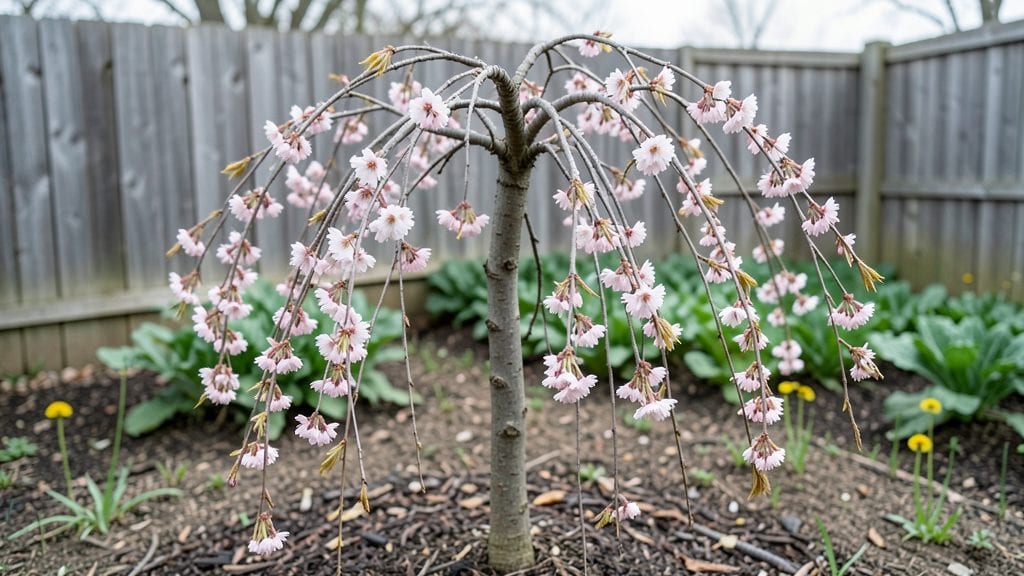
The dwarf snow fountain weeping cherry tree brings Pacific Northwest gardens a delicate, frost-resistant beauty that dances through all four seasons. 🌿 I fell in love with its graceful, cascading branches after planting mine near a patio—it transformed a bare corner into a year-round focal point with minimal effort.
The silvery bark in winter and soft pink blossoms in spring make it a standout, even in small spaces.
This tree thrives in partial shade, making it perfect for underplanting near decks or along fences where other cherries would struggle.
Its compact size (10–15 feet tall) means you can tuck it into tight spots without sacrificing impact, and the weeping habit creates a natural, waterfall-like effect that draws the eye. Pair it with hostas or ferns for contrast, or let it shine solo as a container specimen on a porch.
What makes it truly special is how effortlessly it fits into any design scheme—modern, cottage, or even urban. The branches hold their shape through winter storms, and the spring blooms attract pollinators while adding a romantic touch.
With just a little pruning to encourage that fountain shape, you’ll have a tree that feels like a curated masterpiece, not a chore.
Best of all, it’s low-maintenance once established. A light trim in late winter keeps it tidy, and its disease resistance means fewer headaches than traditional cherries.
Whether you’re designing a tiny courtyard or a sprawling backyard, this tree delivers drama with minimal upkeep—exactly the kind of elegant solution every gardener craves.
📚 In This Guide
- What you need
- Instructions
- Tips and common mistakes
- Wrapping up and next steps
What you need
- ● Dwarf Snow Fountain Weeping Cherry Tree (1 plant, 6–8 ft tall at maturity, hardy to USDA Zones 5–8)
- ● Well-draining soil (amend with compost for optimal growth)
- ● Organic mulch (2–3 inches of wood chips or bark)
- ● Slow-release fertilizer (balanced 10-10-10 or acid-loving plant formula)
- ● Pruning shears (bypass pruners, sharp and sanitized)
- ● Gloves (gardening gloves for protection)
- ● Watering can or hose (with a gentle spray nozzle)
- ● Hand trowel (for soil adjustments)
- ● Staking kit (if planting in windy areas)
- ● Fungicide (copper-based, for disease prevention)
- ● Tree ties (soft fabric for young sapling support)
- ● Decorative stakes or labels (for garden organization)
Step-by-step guide to planting and caring for your dwarf Snow Fountain weeping cherry tree
This stunning Pacific Northwest favorite thrives with the right approach—here's how to set it up for decades of beauty.
🪴 Step 1: Choose the Perfect Planting Spot
This tree adores full sun to partial shade, with at least 6 hours of sunlight daily. In the Pacific Northwest's cooler climate, morning sun and afternoon shade prevent leaf scorch while letting those delicate blossoms shine. I always check the site for 3-4 feet of clear space around the trunk—this tree grows slowly but develops graceful, arching branches that need room to spread.
Test your site's drainage by digging a 12-inch deep hole and filling it with water. If it drains in under an hour, you're good; if water pools after 2 hours, amend the soil with 2 inches of compost mixed into the top 12 inches of native soil. Poor drainage is this tree's biggest enemy.
🌱 Step 2: Plant at the Right Time and Depth
Plant your 5-7 gallon container-grown tree in early spring or fall when temperatures are mild (40-60°F). The roots will establish before summer heat or winter frost stress them. Dig your hole twice as wide as the root ball but no deeper—you'll see the top of the root ball should sit 1-2 inches above ground level after planting.
Gently remove the tree from its container and loosen any circling roots with your fingers. Place it in the hole so the root flare (where roots meet trunk) is visible above the surrounding soil. Backfill with native soil mixed with 1 part compost, tamping lightly every 2 inches to remove air pockets. Water deeply until moisture reaches 6 inches down.
☀️ Step 3: Mulch and Water for Establishment
Spread 3 inches of wood chips or shredded bark mulch over the root zone, keeping it 6 inches away from the trunk to prevent rot. This mulch ring helps regulate soil temperature and retain moisture—critical during the Pacific Northwest's dry summers. Water 2-3 times weekly for the first month, then taper to once weekly once new growth appears.
Here's the thing—this tree hates soggy feet. You'll know you're watering right when the top 2 inches of soil feel dry to the touch. In winter, reduce watering to once monthly unless we get an unusually dry spell. The tree's shallow roots can't handle winter waterlogging.
✂️ Step 4: Prune for Shape and Health
Prune your Snow Fountain in late winter or early spring before buds swell. Remove any dead, crossing, or rubbing branches first—these create entry points for disease. Then shape by selectively trimming the longest branches to encourage that signature weeping form. Never cut more than 25% of the tree's foliage in one season.
Watch for suckers at the base—these vigorous shoots divert energy from your tree's elegant form. Snip them off at the ground level as soon as you spot them. And here's a pro tip: Sterilize your pruners with rubbing alcohol between cuts to prevent spreading bacterial canker, a common cherry tree disease.
🌿 Step 5: Seasonal Care for Year-Round Beauty
Spring is all about blossoms—apply a balanced 10-10-10 fertilizer in early spring when buds form, following package rates. Summer care focuses on consistent moisture and watching for pests like aphids. Spray with water or neem oil if you see sticky residue on new growth.
Fall prep includes a 2-inch layer of fresh mulch and a light pruning to remove any weak growth. In winter, this tree's silvery bark becomes a stunning feature—just avoid heavy snow accumulation that can break branches. Brush off accumulation gently with a broom rather than shaking the tree.
Tips & tricks for perfect dwarf Snow Fountain weeping cherry tree care
These little-known details make all the difference in growing a thriving Snow Fountain weeping cherry tree that stays healthy for decades.
Sunlight Secret: While the instructions mention full sun to partial shade with 6 hours of sunlight, here's the thing: in the Pacific Northwest's cooler climate, morning sun is your friend. Position your tree to catch those gentle morning rays while afternoon shade protects delicate blossoms from scorching. I've seen trees in east-facing spots with afternoon shade flourish where west-facing ones struggle.
Root Ball Revelation: When planting your 5-7 gallon container-grown tree, don't be fooled by the root ball's size. The key is the root flare—where roots meet trunk—that should sit 1-2 inches above ground. Many people bury this too deep, which can suffocate the tree. Gently pull back the soil after planting to check you've got it right. This simple adjustment prevents root rot and encourages strong growth.
Watering Wisdom: The instructions mention watering 2-3 times weekly for the first month, but here's what nobody tells you: use your finger to check soil moisture. The top 2 inches should feel dry before watering—this prevents both underwatering and the dreaded soggy roots. In summer, I water in the morning so the foliage dries before evening, reducing disease risk. And remember, this tree's shallow roots can't handle winter waterlogging, so cut back dramatically in cold months.
Pruning Pro Tip: When shaping your tree in late winter, focus on creating that signature weeping form by selectively trimming the longest branches. But here's my game-changer: use sharp pruners and make cuts at a 45-degree angle just above an outward-facing bud. This technique promotes better healing and more vigorous growth. And always sterilize your tools between cuts—bacterial canker is a silent menace that can ruin your tree.
Pro Tips for Dwarf Snow Fountain Weeping Cherry Tree
- These little-known details make all the difference in growing a thriving Snow Fountain weeping cherry tree that stays healthy for decades.
- Sunlight Secret: While the instructions mention full sun to partial shade with 6 hours of sunlight, here's the thing: in the Pacific Northwest's cooler climate, morning sun is your friend.
- Root Ball Revelation: When planting your 5-7 gallon container-grown tree, don't be fooled by the root ball's size.
Frequently asked questions
Got questions about growing and caring for your dwarf Snow Fountain weeping cherry tree? You’re not alone! Here are some of the most common queries—plus straightforward answers to keep your tree thriving in the Pacific Northwest’s climate.
How cold-hardy is the dwarf Snow Fountain weeping cherry tree?
The Snow Fountain is exceptionally frost-resistant, thriving in USDA Zones 5-8. It handles winter temps down to -20°F (-29°C) with ease, making it perfect for the PNW’s chilly, wet winters. Just ensure it’s planted in well-draining soil to avoid root rot from excess moisture.
When is the best time to prune this tree?
Prune your Snow Fountain late winter or early spring (February–March) before new growth begins. Avoid heavy pruning in fall, as it can stimulate tender growth vulnerable to frost. Focus on shaping, removing dead branches, and thinning to improve airflow. Pro tip: Use sterilized tools to prevent disease!
Can I grow this tree in a container?
Yes! The dwarf variety (typically 6–10 ft tall) is ideal for containers. Use a 15–20 gallon pot with drainage holes and a high-quality potting mix. Place it in a spot with 6+ hours of sunlight daily and water consistently—containers dry out faster than ground soil. Move it indoors (or to a sheltered garage) if temps drop below 10°F (-12°C).
What pests or diseases should I watch for?
This cherry tree is relatively pest-resistant, but keep an eye out for:
- Cherry leaf spot (brown spots on leaves)—remove affected foliage and apply fungicide if needed.
- Scale insects (sticky residue)—blast off with water or use horticultural oil.
- Powdery mildew (white coating)—improve airflow and avoid overhead watering.
Most issues stem from overwatering or poor drainage, so monitor soil moisture closely.
Will this tree bloom year-round, or just in spring?
While it’s called a "year-round" tree, blooms are most abundant in early spring (March–April). You’ll see occasional flowers in fall/winter, but don’t expect a full flush. The real magic is its lush, weeping foliage and snow-like bark, which stay stunning all seasons. Think of it as a textural star!
What’s a good alternative if I want a similar look but faster growth?
If you love the Snow Fountain’s weeping habit but want quicker results, consider:
- ‘Tiny Tower’ Japanese maple (faster growth, vibrant foliage).
- ‘Pee Wee’ pear tree (compact, white spring blooms).
- Dwarf Korean lilac (fragrant flowers, cold-hardy).
All three offer year-round interest and PNW resilience.
Wrapping up and next steps
The Dwarf Snow Fountain weeping cherry tree is a stunning, frost-resistant beauty that brings year-round elegance to your Pacific Northwest garden—with minimal fuss! 🌸 Its graceful branches, delicate blooms, and low-maintenance care make it a dream for both novice and experienced gardeners.
Whether you’re pruning for shape, health, or simply to encourage more blossoms, the key is patience and precision.
Ready to transform your outdoor space? Start by grabbling your pruners and scheduling your first trim this spring—your tree (and your neighbors!) will thank you. Check out our step-by-step guide to get started today!