
Trees
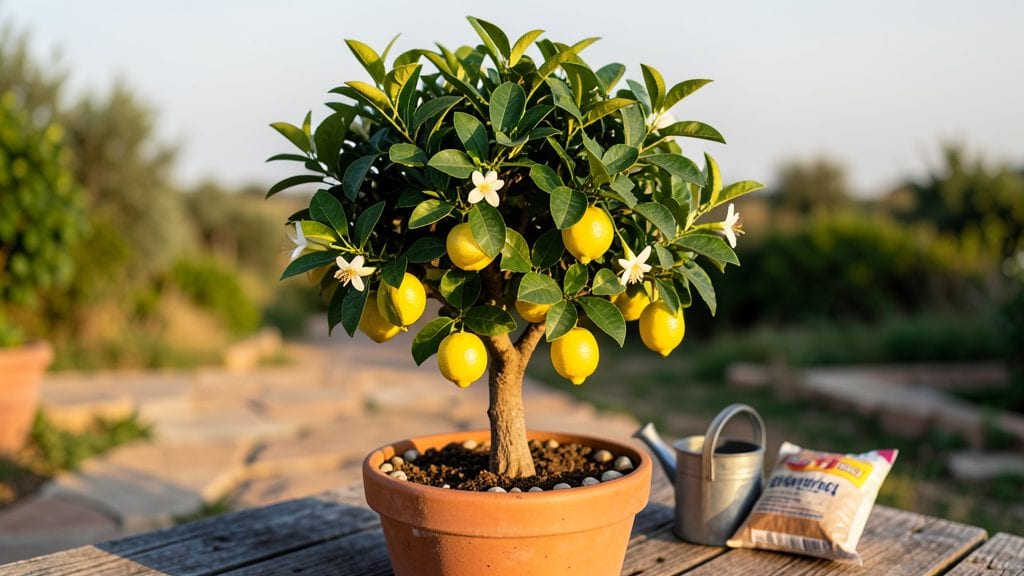
A mini lemon tree in your kitchen isn’t just a dream—it’s a fragrant, sunlit reality waiting to happen. 🌱 I remember the first time I brought home a 3-gallon Meyer lemon tree, and within months, it was heavy with tiny, bright lemons.
The key isn’t luck; it’s matching the tree’s Mediterranean roots to your space—whether that’s a sunny windowsill or a sheltered patio.
The secret lies in three things: bright light (6+ hours daily), well-draining soil (think cactus mix with perlite), and consistent moisture (let the top inch dry between waterings). Most people overwater, thinking lemons love soggy roots—wrong.
My tree thrives in a 10-gallon pot with drainage holes, and I fertilize lightly every other month with citrus-specific food. The smell alone—zesty, bright, like summer in a pot—makes the effort worth it.
By late fall, you’ll see buds forming, and with patience, those first lemons will ripen by winter. They’re sweeter than grocery store lemons, perfect for tea or zesting. The tree stays compact (4-6 feet tall), so it fits anywhere.
The only trade-off? You’ll need to hand-pollinate flowers with a soft brush if you’re not near bees. Trust me—your future self will thank you for the endless supply of fresh lemons.
Works indoors or out, depending on your climate. In Zone 8+, keep it outside year-round. In colder areas, move it inside before frost and give it a bright window or grow light through winter.
The real magic? You’re not just growing a plant—you’re creating a little slice of Mediterranean sunshine, one lemon at a time.
📚 In This Guide
- What you need
- Instructions
- Tips and common mistakes
- Wrapping up and next steps
What you need
- ● Mini lemon tree sapling: Choose a Citrus × limon variety, ideally 1-3 feet tall (dwarf or Meyer lemon trees work best for containers).
- ● Container: A pot with drainage holes, at least 12-18 inches in diameter and depth (larger for mature trees). Use lightweight materials like ceramic, plastic, or fabric grow bags.
- ● Well-draining potting mix: A blend of 60% citrus-specific soil, 30% perlite or pumice, and 10% compost (avoid garden soil—it compacts and retains too much moisture).
- ● Drainage layer: Small gravel, pebbles, or broken pottery shards (1-2 inches thick) to prevent root rot.
- ● Watering can with a narrow spout: For targeted hydration without over-saturating the soil.
- ● Fertilizer: A balanced citrus fertilizer (e.g., 6-6-6 or 8-3-9 NPK ratio) or organic options like fish emulsion or citrus-specific granules. Apply every 4-6 weeks during growing season.
- ● Pruning shears: Sharp, clean shears (sterilize with rubbing alcohol between cuts).
- ○ Support stake or trellis (optional for young trees): Helps stabilize the tree as it grows.
- ● Humidity tray or pebble tray: Adds moisture to the air, especially in dry climates.
- ● Grow lights: LED or fluorescent lights (12-16 hours/day) for indoor setups or winter supplement.
- ● Mulch (organic or inorganic): Retains moisture and regulates soil temperature (e.g., straw or landscape fabric).
- ● Soil moisture meter: Prevents over- or under-watering by checking moisture levels.
- ● Citrus-specific pest control: Neem oil, insecticidal soap, or beneficial insects (e.g., ladybugs) for aphids or spider mites.
Step-by-step instructions for growing a mini lemon tree in containers
Here’s how to grow a thriving dwarf lemon tree that bears fruit year-round—no greenhouse needed.
🌱 Step 1: Choose the Right Variety and Pot
Select a dwarf Meyer lemon tree (Citrus × meyeri) for container growing—it’s cold-hardy, compact, and produces sweet, prolific fruit. Start with a 5-7 gallon container with drainage holes, or upgrade as the tree matures. I use unglazed terra cotta because it breathes and prevents root rot, which is a common killer of container citrus.
Fill the pot with well-draining potting mix (avoid garden soil—it compacts and suffocates roots). Mix in 20% perlite or coarse sand to improve drainage. The soil should feel like a damp sponge, not soggy. A time-release citrus fertilizer (like Osmocote) at planting gives roots a nutrient boost without burning them.
☀️ Step 2: Position for Maximum Sunlight
Mini lemon trees need 6-8 hours of direct sunlight daily—a south or west-facing window is ideal. If natural light is weak (common in apartments), supplement with a full-spectrum LED grow light for 12-14 hours/day. Place the light 6-12 inches above the tree and raise it as the tree grows to prevent legginess.
Watch for yellowing leaves—this is your first sign of light deficiency. Rotate the pot quarter-turn weekly so the tree grows evenly toward the light. In winter, if temperatures dip below 40°F, move the tree indoors near a sunny window or under grow lights.
💧 Step 3: Water and Fertilize for Healthy Growth
Water when the top 1-2 inches of soil feel dry—stick your finger in to check. Overwatering is the #1 killer of container citrus, so never let the pot sit in saucers of water. Instead, water deeply until it drains from the bottom, then empty the saucer. In summer, you may water every 2-3 days; in winter, reduce to once a week or less.
Fertilize every 4-6 weeks with a balanced citrus fertilizer (like 6-6-6 or 8-3-9). In spring and summer, I use liquid fertilizer weekly for a quick boost. Stop fertilizing in fall and winter—citrus trees rest then, and excess nutrients can burn roots. You’ll know it’s working when new leaves emerge bright green and glossy.
✂️ Step 4: Prune and Encourage Fruit Production
Prune in late winter or early spring before new growth starts. Remove dead, crossing, or inward-growing branches with clean sterilized pruners. Cut just above a leaf node at a 45-degree angle to encourage outward growth. Never prune more than 25% of the tree at once—this stresses the plant and reduces fruit.
To boost fruiting, pinch back new growth in spring by one-third to redirect energy to flowers and fruit. You’ll see tiny white blossoms appear in 3-6 months—these develop into fruit. If you don’t see flowers after a year, your tree may need more sunlight or a fertilizer with higher phosphorus (the middle number on the label).
🍋 Step 5: Harvest and Overwinter for Next Year
Lemons ripen 6-12 months after flowering, depending on variety and conditions. Harvest when they’re fully yellow and slightly soft to the touch. Twist gently to remove—if the stem resists, the fruit isn’t ready. Store unripe lemons at room temperature; once ripe, keep them in the fridge for up to 2 weeks. You’ll get dozens of lemons per tree with proper care!
In fall, reduce watering and fertilizing to prep for dormancy. Move the tree to a cool (50-60°F) but bright spot indoors. Prune lightly in late winter to shape the tree and remove any dead wood. With this routine, your mini lemon tree will fruit reliably for years.
Tips & tricks for perfect mini lemon tree growth
Here's what I've learned after growing these little citrus powerhouses for years—these tricks make all the difference between a struggling plant and a fruit-bearing treasure.
Soil Mix Secrets: The 20% perlite or coarse sand in your potting mix isn't just for drainage—it prevents that compacted, suffocating soil that kills container citrus. I like to add a handful of worm castings too (optional but amazing) for extra nutrients and beneficial microbes. The soil should crumble easily when dry—if it forms clumps, you need more perlite.
Light Strategy: Those 6-8 hours of sunlight aren't just about quantity—they're about quality. If your window light feels weak, your grow light should be a full-spectrum LED (not the cheap white bulbs). I position mine 8-10 inches away initially, then raise it as the tree grows. Watch for leaves stretching toward light—that's legginess, and it means more light or less distance.
Watering Wisdom: The finger test for moisture is your best friend. I check the top 1-2 inches—if it feels like a damp sponge, wait another day. The biggest mistake is letting pots sit in saucers of water. Instead, water until it drains from the bottom, then empty the saucer completely. In winter, I actually let the top 3 inches dry out between waterings to prevent root rot.
Fertilizer Timing: That 4-6 week schedule is perfect, but here's the pro move: switch to a fertilizer with slightly higher phosphorus (middle number) in spring when you want to encourage flowering. I use 10-10-10 in spring/summer, then switch back to 6-6-6 in fall. The key is stopping completely in winter—citrus trees need that rest period to set fruit properly.
Pro Tips for Mini Lemon Tree
- Here's what I've learned after growing these little citrus powerhouses for years—these tricks make all the difference between a struggling plant and a fruit-bearing treasure.
- Soil Mix Secrets: The 20% perlite or coarse sand in your potting mix isn't just for drainage—it prevents that compacted, suffocating soil that kills container citrus.
- Light Strategy: Those 6-8 hours of sunlight aren't just about quantity—they're about quality.
Frequently asked questions
How long does it take for a mini lemon tree to bear fruit?
A dwarf lemon tree typically takes 2–5 years to produce fruit, depending on care, sunlight, and variety. Patience is key—consistent watering, well-draining soil, and 6+ hours of sunlight daily speed up fruiting. Some varieties like Meyer lemon may bear fruit sooner (1–2 years)!
Can a mini lemon tree survive winter indoors?
Yes! Move potted mini lemon trees indoors before temps drop below 40°F (4°C). Place them near a sunny window or under grow lights. Reduce watering slightly but avoid letting soil dry out completely. Pro tip: Avoid drafts or sudden temperature swings to prevent stress.
Why are my lemon tree leaves turning yellow?
Yellow leaves usually signal overwatering or nutrient deficiency. Check soil moisture—it should be slightly dry at the top before watering. Feed with citrus-specific fertilizer every 2–3 months. If lower leaves yellow first, it may be natural aging; prune them to encourage new growth.
Can I grow a mini lemon tree from a grocery store lemon?
Technically yes, but it’s not reliable for fruiting. Seeds from store-bought lemons often grow into sour, non-fruiting trees. For faster, fruit-bearing results, buy a grafted dwarf lemon tree from a nursery. If you’re curious, try it as a fun experiment—but don’t expect lemons!
What’s the best container size for a mini lemon tree?
Start with a 5–7 gallon pot for young trees, then upgrade to 10–15 gallons as roots grow. Ensure pots have drainage holes to prevent root rot. Dwarf varieties thrive in containers but need repotting every 2–3 years to avoid crowding. Pro tip: Use lightweight, breathable fabric pots for better aeration!
How do I keep pests away from my mini lemon tree?
Pests like aphids, spider mites, or scale love lemon trees! Inspect leaves weekly. Spray with neem oil or insecticidal soap for mild infestations. Encourage beneficial insects like ladybugs. Keep your tree healthy with proper watering and pruning to deter pests.
Wrapping up and next steps
Growing a mini lemon tree in containers is a rewarding journey that brings fresh, zesty lemons to your doorstep—no yard required! 🌱 Whether you're a beginner or a seasoned gardener, these vibrant citrus plants thrive with the right care, patience, and a dash of sunshine.
With consistent attention to watering, sunlight, and occasional pruning, you’ll enjoy a year-round harvest of bright, tangy lemons in just a few years.
Ready to take the next step? Start small—pick your favorite dwarf variety, gather your supplies, and give your mini lemon tree the love it deserves. Before you know it, you’ll be savoring homemade lemonade, marmalade, or even gifting lemons to neighbors! 🍋✨