Container Gardens
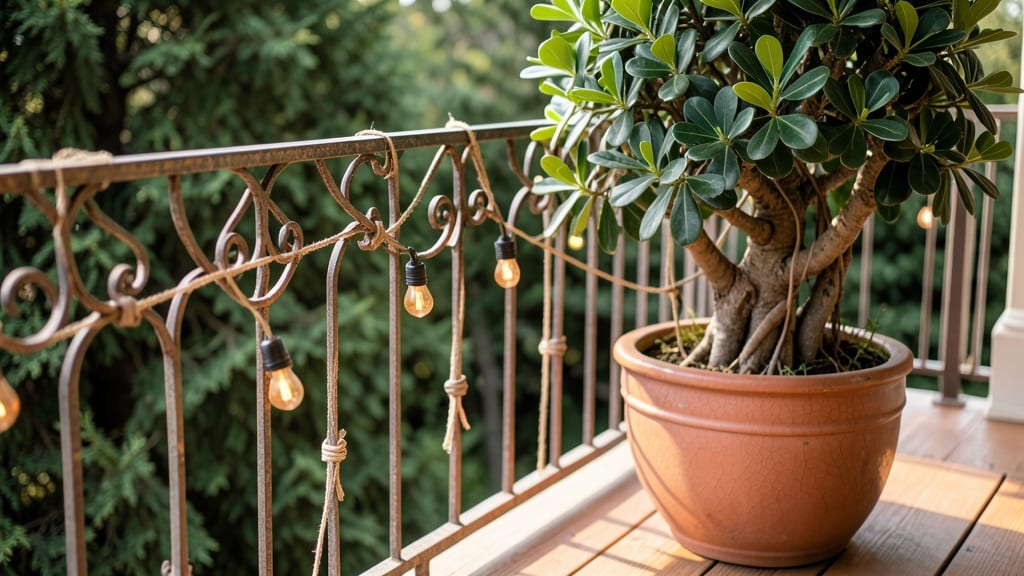
Front porch potted trees can transform your Pacific Northwest home into a welcoming retreat—if you pick the right varieties that handle frost and rain. 🌿 I learned this the hard way when my first container tree struggled through Seattle winters, but these resilient picks thrive year-round with minimal fuss.
The key is choosing trees that love moisture but won’t rot in soggy soil, plus containers that drain well and insulate roots.
Start with frost-resistant trees like dwarf Japanese maples (their fiery fall colors pop against gray skies) or ornamental cherries (their delicate blooms brighten spring). Add dwarf conifers like 'Blue Rug' juniper for evergreen structure, and pair them with cold-hardy annuals like heuchera or saxifrage for layered texture.
Your porch will look intentional, not cluttered—think "designer garden" on a small scale.
By summer, you’ll have a lush, weatherproof display that neighbors admire (and maybe even envy). The trick is grouping containers at different heights—tall trees at the back, mid-size shrubs in the middle, and trailing plants like sweet potato vine spilling over edges.
Just remember: move pots to sheltered spots before hard freezes, and winterize with burlap wraps for extra protection.
This setup works for any Pacific Northwest porch, from cozy cottages to modern townhomes. The best part? You’ll spend less time fussing over dead plants and more time enjoying your outdoor space—rain or shine. Let’s make that porch the envy of the block.
📚 In This Guide
- What you need
- Instructions
- Tips and common mistakes
- Wrapping up and next steps
What you need
- ● Frost-resistant potted tree varieties (1–3): Dwarf Korean Lilac (Syringa meyeri) – 5–10 ft tall
- ● Japanese Maple (Acer palmatum) – 6–12 ft tall
- ● Dwarf Oregon Grape (Mahonia aquifolium) – 3–5 ft tall
- ● Large, sturdy containers: 15–25 gallon pots with drainage holes (1 per tree)
- ● High-quality potting mix: 10–20 lbs (lightweight, well-draining blend)
- ● Slow-release fertilizer: 1–2 lbs (balanced 10-10-10 or organic option)
- ○ Mulch (optional): 2–3 inches of bark chips or pine straw
- ● 📍 Sunlight check: Confirm your porch gets at least 4–6 hours of sunlight daily (most PNW varieties tolerate partial shade).
- ● ❄️ Frost protection plan: Have burlap wraps or frost cloth on hand for winter.
- ● 💧 Watering setup: A hose with a gentle spray nozzle or self-watering system for consistency.
Step-by-step guide to selecting and caring for frost-resistant potted trees
Here’s how to choose hardy trees that thrive in Pacific Northwest containers while surviving winter freezes.
🌱 Step 1: Choose the Right Frost-Resistant Tree Varieties
For your front porch, opt for dwarf or semi-dwarf varieties that tolerate 10-20°F without damage. Japanese maples (Acer palmatum), serviceberries (Amelanchier), and dwarf Korean lilac (Syringa meyeri) are top picks—they stay compact while handling PNW winters. Avoid tropical species like citrus or olive trees, which won’t survive even light frosts.
Check the USDA Hardiness Zone for your area (most of the PNW falls in Zones 7-9). Match your tree’s zone rating to your location—if you’re in Zone 8, a Zone 7 tree will handle winter better. I always verify with local nurseries, as microclimates (like urban heat islands) can shift cold tolerance by 5°F or more.
🪴 Step 2: Select Containers and Prepare the Growing Medium
Use large, sturdy containers with drainage holes—at least 18-24 inches deep and 20+ gallons for mature trees. Terra cotta or thick plastic pots retain moisture better than lightweight options. Fill the bottom 3-4 inches with gravel or expanded shale to prevent root rot from poor drainage.
Mix high-quality potting soil with 20% perlite or pumice for aeration. Add a slow-release fertilizer (like 10-10-10) and a handful of compost to the mix. This blend drains well but holds moisture—critical for potted trees, which dry out faster than in-ground plants. I always pre-moisten the soil before planting to eliminate air pockets around roots.
☀️ Step 3: Plant and Position for Year-Round Success
Dig a hole twice as wide as the root ball but no deeper. Gently loosen the roots if they’re circling, then place the tree so the root flare (where roots meet trunk) sits 1 inch above soil level. This prevents suffocation and promotes strong growth. Backfill with your prepared mix, pressing lightly to remove air gaps.
Position the pot where it gets morning sun and afternoon shade—PNW summers can scorch leaves, while winter sun prevents frost damage. If your porch faces north, supplement with a grow light in winter to maintain 12+ hours of light during short days. Move containers indoors or to a sheltered spot when temperatures drop below 25°F—even frost-resistant trees need protection.
💧 Step 4: Water and Mulch for Winter Hardiness
Water deeply once a week in summer, letting 2 inches of water penetrate the soil. In winter, reduce to every 10-14 days unless the soil feels bone-dry. Overwatering in cold months leads to root rot, while underwatering stresses trees. I check moisture by sticking my finger 2 inches deep—if it’s dry, it’s time to water.
Top the soil with 2-3 inches of mulch (like bark chips) to insulate roots. Avoid piling mulch against the trunk—keep it 3 inches away to prevent moisture buildup. In late fall, wrap the pot and trunk with burlap or frost cloth for extra protection. This simple step can mean the difference between a surviving tree and a frost-killed specimen.
✂️ Step 5: Prune and Fertilize for Long-Term Health
Prune in early spring (before buds swell) to remove dead, crossing, or weak branches. Use clean, sharp shears and make cuts at a 45° angle just above a bud. Never prune in fall—new growth won’t harden off before winter. I also thin out 10-15% of the canopy to improve airflow, which reduces disease risk.
Fertilize twice a year: once in early spring (when buds break) and again in mid-summer. Use a balanced, slow-release fertilizer—overfeeding in fall encourages tender growth that won’t survive frost. Monitor leaves for yellowing or slow growth, which signals nutrient deficiencies. Adjust fertilizer as needed, but never exceed package instructions.
Tips & tricks for perfectly frost-resistant front porch trees
These practical insights will help your potted trees thrive year-round in Pacific Northwest winters.
Hardiness Zone Cross-Check: Double-check your tree's hardiness zone against your local microclimate. While most PNW areas fall in Zones 7-9, urban heat islands can create pockets 5°F warmer. If you're in Zone 8, a Zone 7 tree will handle winter better than one rated for Zone 9. I always verify with local nurseries—they know about specific neighborhood variations that aren't reflected in general zone maps.
Container Size Matters: Never underestimate the importance of container size. For mature trees, aim for at least 20+ gallons—this gives roots room to grow without becoming root-bound. The 18-24 inch depth requirement isn't just about aesthetics; deeper containers allow for better root development and moisture retention during our dry PNW summers. I've seen trees in undersized pots struggle with heat stress even when they're frost-resistant.
Winter Protection Strategy: When temperatures drop below 25°F, move your containers to sheltered spots like against south-facing walls or under eaves. This creates a microclimate that can be 5-10°F warmer than exposed areas. For extra protection, wrap the pot and trunk with burlap—this prevents temperature fluctuations that cause frost cracks. I've saved many trees this way during our unpredictable PNW winters.
Light Supplementation: If your porch faces north, consider adding a grow light for winter months. During our short days, trees need at least 12 hours of light to maintain health. LED grow lights are energy-efficient and can be placed just above the tree for a few hours in the evening. I use a simple clip-on bulb for my morning sun-deficient trees, and it makes a noticeable difference in their winter resilience.
Pro Tips for Front Porch Potted Trees
- These practical insights will help your potted trees thrive year-round in Pacific Northwest winters.
- Hardiness Zone Cross-Check: Double-check your tree's hardiness zone against your local microclimate.
- Container Size Matters: Never underestimate the importance of container size.
Frequently asked questions
Got questions about adding frost-resistant potted trees to your Pacific Northwest front porch?
You’re not alone! Here are answers to the most common concerns—from care tips to seasonal prep.
Which potted trees handle PNW winters best without extra protection?
Opt for dwarf Japanese maples, ornamental cherries, or dwarf conifers like ‘Blue Rug’ juniper. These thrive in containers and tolerate temps down to 10°F (-12°C) with minimal fuss. Wrap containers in bubble wrap or use tree guards for extra insulation during hard freezes.
When is the best time to plant a potted tree on my front porch?
Spring (after last frost) or early fall (6–8 weeks before first frost) are ideal. Avoid summer heatwaves or winter planting—roots need time to establish before extreme temps. Pro tip: Water deeply 1–2 weeks before moving pots outdoors to reduce transplant shock!
How do I prevent root rot in my potted tree?
Drainage is key! Use pots with bottom holes and a mix of 60% potting soil, 30% perlite, and 10% compost. Avoid overwatering—stick your finger 2 inches into the soil; water only if dry. Elevate pots on feet or saucers to improve airflow.
Can I keep my potted tree on the porch year-round, or should I move it indoors?
Most frost-resistant varieties (like dwarf fruit trees) stay outdoors, but move them to a sheltered spot (e.g., garage or covered porch) during heavy rain/snow. Never bring them indoors permanently—they need sunlight and humidity changes. A porch awning helps in wet seasons.
My potted tree’s leaves are yellowing—what’s wrong?
Yellow leaves often signal overwatering or nutrient deficiency. Check soil moisture first; if soggy, let it dry out. For nutrients, fertilize in early spring with a balanced, slow-release fertilizer. Yellowing on new growth? Could be chlorosis—amend soil with iron supplements if needed.
Wrapping up and next steps
Transforming your front porch into a lush, year-round retreat is easier than you think! Frost-resistant potted trees like Japanese maples, dwarf conifers, and olive trees bring charm and resilience to the Pacific Northwest’s cooler climate.
With the right care—sunlight, well-draining soil, and seasonal adjustments—your curated greenery will thrive, adding curb appeal and serenity to your space.
Ready to get started? Pick your favorite variety, gather your supplies, and plant with confidence! 🌿 Whether you’re a seasoned gardener or a beginner, your front porch oasis awaits—one potted tree at a time.