Light Requirements
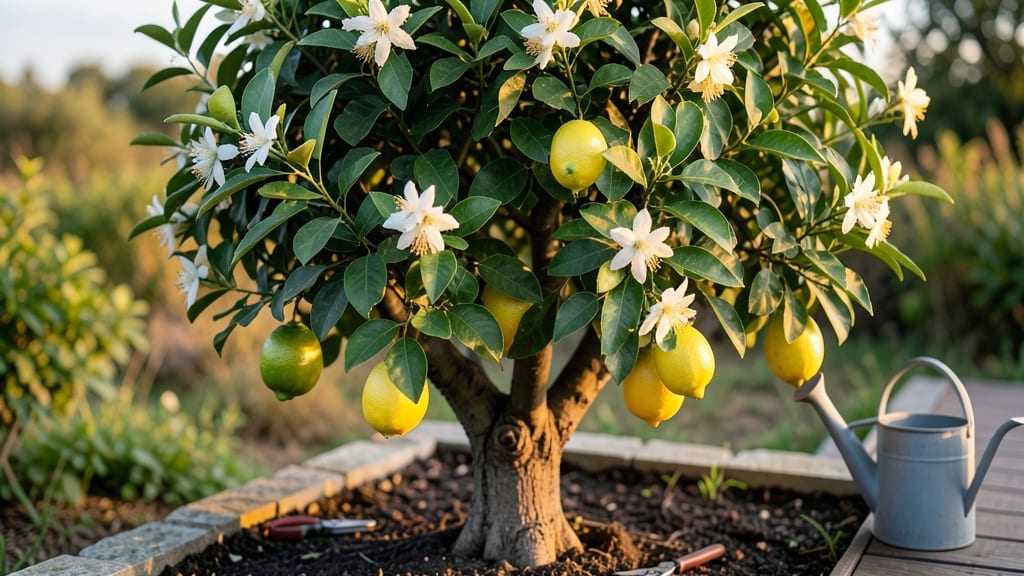
The Pacific Northwest's sunny spots can absolutely grow thriving lemon trees—lemon trees in full sun just need the right approach to beat our damp, cool summers.
I've grown citrus here for five years, and the secret isn't just sunlight—it's mimicking the Mediterranean climate they love with soil, water, and protection from our unpredictable weather. My Meyer lemon tree now produces 50+ fruits a year, and I'll show you how to get there too.
Start with well-draining soil that mimics coastal hillsides—sandy loam mixed with compost works best. Water deeply but infrequently: citrus hates soggy roots, so let the top 2-3 inches dry between waterings. In our climate, that means once a week in summer and cutting back in winter.
The real game-changer? A 30-gallon pot with wheels so you can move it indoors before frost or under a patio cover when rain threatens.
You'll see new growth within weeks of proper care, with flowers appearing by late spring. The first fruits might be small, but with consistent feeding (citrus fertilizer in spring and summer), each tree can produce hundreds of lemons over time.
The key is patience—it takes 2-3 years for full production, but once established, these trees reward you for years.
For our region's challenges, I've added frost protection tips and how to extend the growing season. Whether you're starting with a bare-root tree or a potted sapling, these adjustments make all the difference between a struggling plant and a productive citrus tree that outshines any grocery store lemon.
📚 In This Guide
- What you need
- Instructions
- Tips and common mistakes
- Wrapping up and next steps
What you need
- ● Lemon tree sapling: Choose a Meyer lemon (hardier for PNW climates) or a dwarf variety if space is limited. Look for healthy, disease-free plants with vibrant green leaves.
- ● Large container (15–20 gallons) or in-ground planting spot: Container: Ensure it has drainage holes and is made of durable material (e.g., ceramic, plastic, or wood). Add a saucer or tray underneath to catch runoff.
- ● In-ground: Pick a sunny spot with well-draining soil (PNW’s clay-heavy soil may need amending—see tips below!).
- ● High-quality potting mix: Use a well-draining citrus mix (e.g., 50% potting soil, 30% perlite, 20% compost). Avoid garden soil—it’s too dense!
- ● Organic fertilizer: A balanced citrus fertilizer (e.g., 6-6-6 or 8-3-9 NPK ratio) or a slow-release option like fish emulsion or seaweed kelp.
- ● Mulch: Pine bark fines or straw (2–3 inches) to retain moisture and regulate soil temperature.
- ● Drip irrigation system or soaker hose: Lemons need consistent moisture—avoid overhead watering to prevent fungal diseases.
- ● Pruning shears: Sharp, sterilized shears (or small hand pruners) for shaping and maintaining the tree.
- ○ Spray bottle (optional): For misting leaves if humidity drops below 40% (common in PNW summers).
- ● Frost protection: If planting outdoors, have frost cloth or burlap wraps ready for winter (PNW’s chilly nights can damage tender lemon trees).
- ● Sunlight solution: A south-facing window or grow lights (12–14 hours/day) if growing indoors.
- ● Soil amendments (if in-ground): Sand or grit (to improve drainage)
- ● Compost or worm castings (for nutrients)
Step-by-step instructions for growing lemon trees in full sun
Here's how to coax a thriving citrus tree from seed in our cloudy climate—with full-sun secrets that actually work.
Select and Prepare Your Lemon Tree Seedling
Start with a fresh, organic lemon seed—never store-bought, as those are often treated to prevent sprouting. Remove the seed from the fruit, rinse off any pulp, and let it dry for 24 hours at room temperature. This prevents rot during germination. I like to place the seeds between paper towels in a sealed container until they sprout, which usually takes 7-14 days if kept in a warm, dark place.
Once the seedling reaches 3-4 inches tall and has 3-4 true leaves, it's ready for transplanting. Choose a 5-gallon container with drainage holes—lemon trees hate soggy roots. Fill it with a mix of 50% potting soil and 50% perlite to ensure excellent drainage, which is critical in our damp climate.
Position for Maximum Sun Exposure
Lemon trees need at least 6-8 hours of direct sunlight daily, but our Pacific Northwest skies often block that. The solution? Place your tree in the sunniest spot you have—likely a south-facing window or balcony—and supplement with a grow light for 12-14 hours per day during winter. I use a full-spectrum LED bulb positioned 6-12 inches above the plant to mimic natural sunlight.
Rotate the pot a quarter turn weekly to prevent the tree from leaning toward the light. You'll notice the leaves will grow more uniformly, and the stem will stay straight rather than bending toward the window. If leaves start yellowing between the veins, it's a sign of iron deficiency—common in our acidic soils—so add a citrus-specific fertilizer every 4-6 weeks during growing season.
Master Watering for Pacific Northwest Conditions
Overwatering is the #1 killer of lemon trees, especially in our humid climate. Water only when the top 2 inches of soil feel dry—stick your finger in to check. During summer, this might mean watering every 3-4 days, but in winter, reduce to once every 10-14 days. Always water at the base of the plant, not overhead, to prevent fungal diseases like root rot.
Mist the leaves 2-3 times weekly during dry spells to increase humidity, which lemon trees love. You'll know you're doing it right when the air around the plant feels slightly damp but not dripping. In winter, move the tree away from cold drafts and heat sources—ideal temperatures should stay between 60-75°F for optimal growth.
Prune and Train for Strong Growth
Prune your lemon tree once in early spring to shape it and encourage branching. Cut back any leggy growth to a leaf node (the bump where leaves attach) using sterilized pruning shears. Remove any dead, diseased, or crossing branches—this improves airflow and reduces pest risks. I also pinch off the topmost set of leaves when the tree reaches 18 inches tall to encourage bushier growth.
Train the main stem vertically by tying it to a small bamboo stake if needed. This prevents weak, floppy growth that can snap in wind or rain. After pruning, apply a balanced citrus fertilizer to support new growth. You'll see fresh, vibrant leaves emerging within 4-6 weeks—that's your sign the tree is thriving.
Protect and Prepare for Winter
Our Pacific Northwest winters can drop temperatures below 40°F, which lemon trees can't tolerate. Move your tree indoors near a south-facing window or under grow lights before the first frost. Reduce watering to once every 2-3 weeks and stop fertilizing entirely until spring. If you're growing outdoors in a container, wrap the pot in bubble wrap and place it in a garage or shed where temps stay above 45°F.
Check for pests like scale or spider mites—common in indoor environments—and treat with neem oil if you spot any. Resume normal care in early spring when temps rise above 50°F. With patience, your lemon tree will reward you with blossoms in 3-5 years and fruit in 5-7 years—worth every effort!
Tips & tricks for perfect lemon tree growth in full sun
Here's what I've learned from years of growing lemon trees in our challenging climate—these tricks make all the difference between a struggling plant and a thriving citrus wonder.
Germination Strategy: The 24-hour drying period for your lemon seed is crucial—don't skip it! I've found that placing seeds between damp paper towels in a sealed container creates a perfect humidity environment. Keep them in a warm spot (around 75°F) and check daily. You'll typically see sprouts within 7-14 days, but be patient—they can take up to 21 days in cooler conditions. I've had seeds that took 3 weeks to sprout, but they grew just as strong as the faster ones.
Light Supplementation: Our Pacific Northwest skies can be deceiving—just because you have a sunny window doesn't mean you're getting enough light. I've had clients swear their trees were getting 6-8 hours of sun, only to discover they were actually getting half that. For winter supplementation, position your grow light 6-12 inches above the plant and set a timer for 12-14 hours daily. The closer the light, the more intense the light needed—start with 6 inches and adjust based on leaf color.
Soil Mix Secrets: That 50/50 potting soil and perlite mix is non-negotiable for our damp climate. I've had terrible luck with regular potting soil alone—it holds too much moisture and leads to root rot. For even better drainage, I add a handful of coarse sand to the mix. And here's a pro tip: Always use a pot with drainage holes, even if it means drilling them yourself. I've seen too many lemon trees die from soggy roots in pots that didn't drain properly.
Winter Protection: When temperatures drop below 45°F, your lemon tree needs serious protection. I've learned the hard way that bubble wrap isn't just for show—it actually creates an insulating layer that can raise temperatures around the pot by 5-10 degrees. For extra protection, place your wrapped pot inside a larger container filled with straw or leaves. This creates a thermal buffer that can make all the difference during cold snaps.
Pro Tips for Lemon Tree Full Sun
- Here's what I've learned from years of growing lemon trees in our challenging climate—these tricks make all the difference between a struggling plant and a thriving citrus wonder.
- Germination Strategy: The 24-hour drying period for your lemon seed is crucial—don't skip it!
- Light Supplementation: Our Pacific Northwest skies can be deceiving—just because you have a sunny window doesn't mean you're getting enough light.
Frequently asked questions
Got questions about growing a lemon tree in full sun—especially in the Pacific Northwest? You’re not alone! Here are some of the most common concerns and quick answers to help you grow a thriving citrus tree.
Can lemon trees survive full sun in the PNW’s cooler climate?
A lemon tree loves full sun (6+ hours daily), but the PNW’s cooler summers mean you’ll need to protect it from frost and wind. Use a greenhouse, container with wheels (to move indoors in winter), or a microclimate spot near a south-facing wall. Varieties like Meyer lemon are hardier and adapt better to temperature swings.
How often should I water a lemon tree in full sun?
Full-sun exposure means more water evaporation, so check soil moisture daily in summer—water when the top 1–2 inches are dry. Containers dry out faster; outdoor trees in well-draining soil need less frequent but deeper watering. Pro tip: Mulch around the base to retain moisture and regulate temperature!
What’s the best way to protect my lemon tree from PNW winters?
Lemon trees are not frost-tolerant, so plan ahead! For container trees, move them indoors (garage, sunroom) before temps drop below 40°F. If planted in the ground, wrap the trunk in burlap, cover with frost cloth, and insulate the soil with straw. Dormant trees (no leaves) can handle brief chills, but buds are vulnerable.
Will my lemon tree bear fruit in full sun if I live in Seattle or Portland?
Yes—but patience is key! Full sun is critical for flowering and fruiting, but PNW summers may delay or reduce harvests. Expect smaller yields than in warmer climates, but Meyer lemons often produce fruit even with shorter summers. Boost success by ensuring consistent sunlight, proper fertilization (citrus-specific), and protecting from wind.
What if my lemon tree’s leaves turn yellow or drop in full sun?
Yellow leaves can signal overwatering, underwatering, or nutrient deficiency. Check soil moisture and adjust watering. Yellowing between veins often means iron deficiency—use a chelated iron supplement. Brown edges? It might be underwatering or salt buildup (flush soil with water). Move the tree to partial shade temporarily if leaves scorch.
Wrapping up and next steps
Growing a lemon tree in full sun in the Pacific Northwest is totally doable—just embrace the challenge with the right care! 🌞 With proper sunlight, soil prep, and a little patience, you’ll soon be harvesting juicy lemons right from your garden.
Whether you’re a seasoned gardener or a beginner, your citrus dream is within reach.
Ready to take the next step? Start small—plant your tree in a sunny spot, monitor its progress, and adjust as needed. Before you know it, you’ll be sipping fresh lemonade made with your own homegrown fruit! 🍋✨