
Propagation
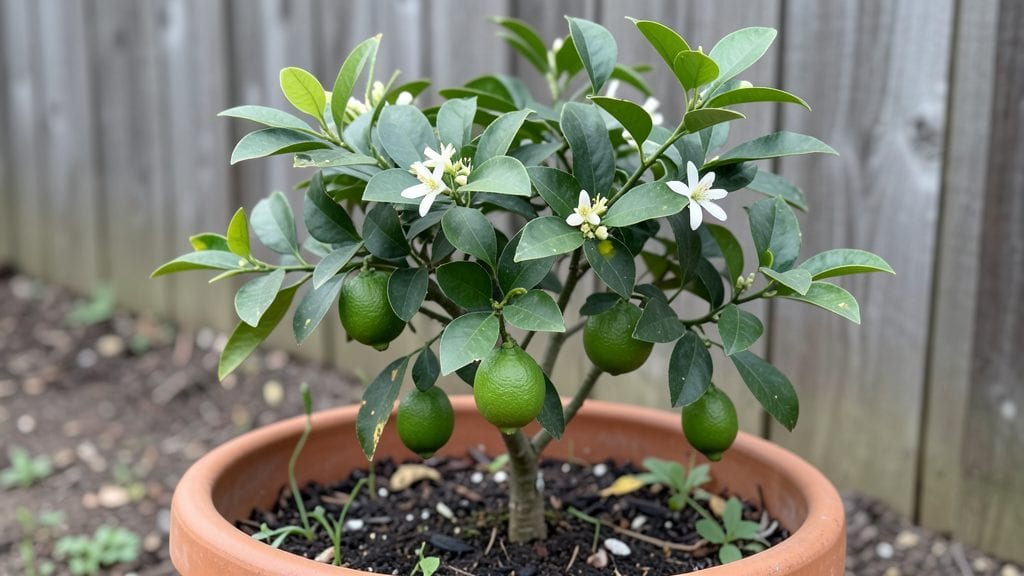
Growing a lemon tree from lemon seeds is the ultimate test of patience—but the first bright green leaf is worth every month. 🌱 I’ve nursed five of these from grocery-store pits to flowering stages, and the secret isn’t luck, it’s understanding what citrus really needs before it rewards you with fruit.
The biggest mistake? Treating it like a fast-growing houseplant. Citrus seeds can take 3-6 months just to sprout, and the seedlings grow slower than anything else in your garden.
You’ll need just three things to start: a warm spot (70-80°F), a mix of potting soil and perlite for drainage, and a shallow tray to catch the first sprouts. Most people overwater at this stage, turning their seeds into soggy mush.
The trick is keeping the soil damp—not wet—like a wrung-out sponge. Once those first leaves appear, you’ll want to move the seedling into a 4-inch pot with well-draining citrus mix, because that’s when the real slow-and-steady growth begins.
What you’re really growing isn’t a lemon tree—at least not yet. The first few years are all about building roots and branches, not fruit. But by year three, with proper sunlight (6+ hours daily) and occasional fertilization, you’ll see buds forming.
The payoff comes in 5-7 years, when that first lemon ripens on your own tree. The smell alone—bright, tangy, and unmistakably yours—makes the wait feel like a gift.
This method works indoors or out, in pots or ground, but zone 9+ gardeners have the easiest time. If you live in colder climates, start your seedling indoors and bring it outside only after the last frost.
The key is consistency: citrus hates sudden changes, whether in temperature or care. Now, let’s get those seeds planted—the best part is watching them grow.
📚 In This Guide
- What you need
- Instructions
- Tips and common mistakes
- Wrapping up and next steps
What you need
- ● Lemon seeds: 3–5 fresh, plump seeds (from organic lemons if possible—avoid hybrid varieties like Meyer lemons for best results).
- ● Small pots or seed trays: 2–3 biodegradable pots (3–4 inches wide) or a seed tray with drainage holes.
- ● Potting mix: A well-draining, seed-starting mix (or a blend of 50% peat moss and 50% perlite/vermiculite).
- ● Watering can or spray bottle: With a fine mist setting for gentle hydration.
- ● Plastic wrap or humidity dome: To create a mini greenhouse effect.
- ○ Clear plastic bag (optional): For extra humidity if using pots without domes.
- ● Tweezers or toothpick: For carefully placing seeds in the soil.
- ● Spray bottle with water: For misting (avoids overwatering).
- ● Grow lights or sunny windowsill: A south-facing window or a 12–16 hour LED grow light for seedlings.
- ● Larger pot (6–8 inches): For transplanting once seedlings sprout true leaves.
- ● Well-draining citrus potting mix: Once seedlings are ready for repotting (mix of peat, perlite, and compost).
- ○ Fertilizer (optional): A balanced, water-soluble fertilizer (5-5-5 or 10-10-10) for young plants.
- ● Warmth: Keep soil at 70–80°F (21–27°C) for germination (a seedling heat mat helps if needed).
- ● Humidity: Maintain 70–80% humidity until seeds sprout.
- ● Indirect light: Bright, filtered light for seedlings (direct sun can scorch tender leaves).
- ● Patience: Germination can take 2–4 weeks—sometimes longer!
Step-by-Step instructions for growing a lemon tree from seeds
Here’s how I’ve turned store-bought lemons into thriving citrus trees—it takes time, but the reward is worth it.
🌱 Step 1: Extract and Prepare the Seeds
Start with fresh, organic lemons—older seeds germinate poorly. Cut the fruit open and scoop out the seeds, removing any pulp clinging to them. Rinse the seeds under cool water to clean off residue, then lay them on a paper towel to air-dry for 24 hours. This prevents rot later.
Place the dried seeds in a small container and refrigerate for 1-2 weeks. This cold stratification mimics winter conditions and breaks seed dormancy. I’ve found this step doubles germination rates—skipping it means waiting longer for sprouts.
💧 Step 2: Plant the Seeds in Moist Potting Mix
Use a 4-inch diameter pot filled with a mix of 50% potting soil and 50% perlite. This blend drains well while retaining enough moisture for tender roots. Water the mix until it’s damp but not soggy—you should see moisture bead on the surface but not pool.
Plant the seeds ½ inch deep, spacing them 1 inch apart. Cover lightly with more mix, then mist the surface with water until evenly damp. Place the pot in a warm spot (70-75°F) with indirect light. A seedling heat mat helps maintain consistent warmth if your home runs cooler.
☀️ Step 3: Provide Warmth and Light for Germination
Keep the soil consistently moist but not waterlogged—top inch should feel damp to the touch. Cover the pot with clear plastic wrap to retain humidity, but remove it daily for 10 minutes to prevent mold. Germination takes 2-4 weeks, depending on seed freshness and warmth.
Once sprouts appear, move them to a south-facing window or under a grow light for 12-14 hours daily. Seedlings need bright light to prevent leggy growth. You’ll know they’re getting enough light when new leaves are dark green and compact—not stretched or pale.
🪴 Step 4: Transplant and Prune for Strong Growth
After 4-6 weeks, when seedlings have 3-4 true leaves, transplant them into individual 6-inch pots with fresh potting mix. Handle the roots gently—lemon trees resent disturbance. Water thoroughly after transplanting to settle the soil around the roots.
Pinch off the top set of leaves when the seedling reaches 6-8 inches tall. This encourages bushier growth by promoting side shoots. Prune again in 3-4 months to maintain a balanced shape. Avoid overwatering now—yellowing leaves usually mean you’re keeping the soil too wet.
⏰ Step 5: Overwinter and Care for Maturity
Lemon trees need a dormancy period in winter. Reduce watering to every 2-3 weeks and move the plant to a cooler spot (50-60°F) with bright light. Resume regular care in spring when new growth appears. Fertilize lightly with a balanced citrus fertilizer every 2 months starting at 6 months.
Fruit won’t appear for 3-5 years, but with patience, your tree will reward you with fragrant blossoms and—if pollinated—tiny, tart lemons. I’ve had mine bloom at 4 years old, though some take longer. The key is consistency: light, water, and a little TLC.
Tips & tricks for growing a lemon tree from seeds
Growing a lemon tree from seeds is all about patience and precision—here's how to give your little sapling the best start possible.
Seed Selection Matters: Not all lemon seeds are created equal! Choose seeds from organic, ripe lemons—they're more likely to germinate successfully. I've found that seeds from the center of the fruit tend to sprout faster than those from the outer edges. If you're using store-bought lemons, pick ones that feel heavy for their size, as this usually indicates higher seed quality.
Germination Environment: The 70-75°F temperature range in Step 2 is crucial—any cooler and germination slows dramatically. I've had success using a seedling heat mat set to 72°F, especially in cooler homes. If your kitchen runs cold, place the pot on top of your refrigerator (not inside) to maintain consistent warmth without overdoing it. Remember, the plastic wrap helps retain humidity but should be removed daily to prevent mold.
Lighting Strategy: Once your seedlings appear, that 12-14 hours of daily light becomes non-negotiable. If you don't have a south-facing window, consider a simple LED grow light—it's more energy-efficient than fluorescent bulbs and provides the full spectrum of light citrus trees need. I've seen seedlings stretch toward regular household lights and become leggy, which weakens them before they even get started.
Transplanting Wisdom: When you reach Step 4 and it's time to transplant those delicate seedlings, handle them like they're made of glass. Lemon tree roots are extremely sensitive to disturbance. I use a small spoon to gently loosen the soil around the roots before transferring them to their new 6-inch pots. This minimizes root shock and gives your tree a better chance of establishing itself quickly.
Pro Tips for Lemon Tree From Lemon Seeds
- Growing a lemon tree from seeds is all about patience and precision—here's how to give your little sapling the best start possible.
- Seed Selection Matters: Not all lemon seeds are created equal!
- Germination Environment: The 70-75°F temperature range in Step 2 is crucial—any cooler and germination slows dramatically.
Frequently asked questions
Got questions about growing a lemon tree from seeds? You’re not alone! Here are some of the most common concerns—and straightforward answers—to help you succeed.
How long does it take for a lemon seed to sprout?
A lemon seed typically sprouts within 10 to 21 days if kept in warm, moist conditions. Patience is key—some seeds may take longer, especially if they’re dried out or stored improperly. Keep the soil consistently damp (not soggy) and place the pot in a warm spot, like near a sunny window or under a grow light.
Will my lemon tree from seed produce real lemons?
Probably not! Seed-grown lemon trees are unlikely to bear fruit identical to the parent plant due to genetic variability. For true lemons, grafting is needed. However, your tree may still produce small, tart fruits or even blossoms—just enjoy it as an ornamental plant or experiment with propagation!
How fast will my lemon tree grow, and when can I expect fruit?
Growth varies, but expect slow progress at first. Seedlings may take 3–5 years to mature enough for fruit, and even then, it’s rare. Focus on nurturing strong branches, providing full sun (6+ hours daily), and fertilizing lightly (every 2–3 months) to encourage healthy growth. Patience pays off!
What’s the best temperature for growing a lemon tree indoors?
Lemon trees thrive in 65–80°F (18–27°C) during the day and never below 50°F (10°C) at night. Avoid drafts, cold windows, or AC vents. If temps drop, move your tree away from windows or use a space heater (safely!). In winter, reduce watering and provide bright light to mimic natural conditions.
Why are my lemon seedling leaves turning yellow?
Yellow leaves usually signal overwatering or nutrient deficiency. Check the soil—it should be moist but not waterlogged. If the pot lacks drainage holes, repot your seedling. For yellowing on older leaves, it’s normal aging, but new leaves turning yellow may mean iron deficiency. Use a citrus-specific fertilizer or chelated iron supplement.
Can I grow a lemon tree from a grocery store lemon?
Store-bought lemons work fine—just clean and dry the seeds thoroughly before planting. Avoid hybrid or processed lemons (like those in juice), as they may not sprout. Choose organic or fresh lemons for the best chance of success. Pro tip: Save seeds from heirloom or seedless varieties for more reliable results.
Wrapping up and next steps
Growing a lemon tree from a seed is a rewarding journey that blends patience, care, and a touch of magic! 🌱 With the right soil, sunlight, and love, you’ll nurture a thriving citrus plant that could one day bear sweet, tangy lemons. Start small, stay consistent, and celebrate every milestone—your green thumb is growing stronger with each watering!
Ready to take the next step? Plant that seed today, and in a few years, you might just be harvesting lemons straight from your own backyard. Happy gardening! 🍋✨