
Trees
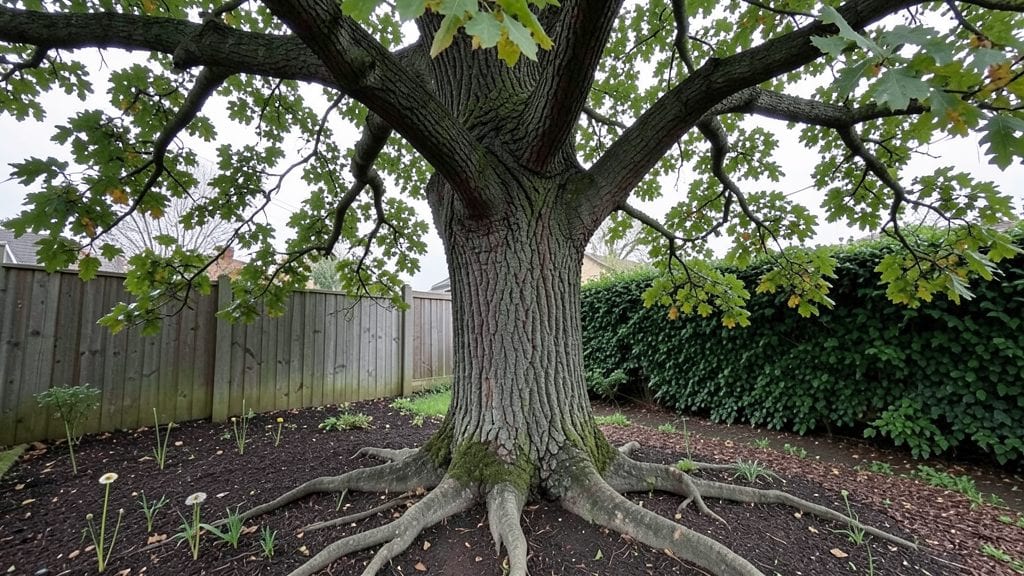
The oak tree roots system is far more complex than most gardeners realize—those massive branches above ground are just half the story. 🌳 I’ve watched my own oak struggle for years because I didn’t understand how its roots demand deep, well-draining soil and space to spread.
The truth is, oak roots grow both deep and wide, creating a network that can outcompete nearby plants and even damage foundations if planted too close.
Most oaks develop a taproot that plunges 3-5 feet deep within the first few years, while lateral roots spread 2-3 times wider than the canopy. That means a 50-foot oak could have roots stretching 100 feet in all directions—so spacing matters.
The soil needs to be loose, slightly acidic, and free of compaction, or the tree will fight you every step of the way. I learned this the hard way when my first oak’s growth stalled because of clay-heavy soil.
When you get it right, you’ll see a tree that thrives for centuries, with roots that anchor it against storms and drought.
The key is planting in the right spot—at least 50 feet from buildings and 30 feet from other large trees—so those lateral roots have room to stretch without causing headaches. The payoff? A sturdy, long-lived oak that becomes the centerpiece of your landscape.
This isn’t just about planting—it’s about setting up your oak for success from day one. Whether you’re dealing with invasive roots, poor soil, or spacing issues, the right approach makes all the difference. Let’s dig into how to get it done right.
📚 In This Guide
- What you need
- Instructions
- Tips and common mistakes
- Wrapping up and next steps
What you need
- ● Shovel or Spade – A sturdy, digging shovel (18–24 inches wide) for soil excavation.
- ● Root Pruners or Lopper – Heavy-duty pruners (for roots up to 2–3 inches thick).
- ● Measuring Tape – A 10–25-foot tape to map root spread and depth.
- ● Garden Gloves – Durable, waterproof gloves (size medium/large) for protection.
- ○ Water Hose or Sprayer – For moistening soil before digging (optional but helpful).
- ● Stakes & String – Wooden stakes (12–18 inches long) and twine to mark root zones.
- ● Notebook & Pencil – To sketch root patterns or log observations.
- ● Root Stimulator – Mycorrhizal fungi or compost tea to boost root health.
- ● Soil pH Test Kit – To check if the soil supports oak roots (ideal pH: 5.0–7.0).
- ● Auger or Post Hole Digger – For deeper core sampling (if studying root depth).
- ● Camera or Smartphone – To document root structures before/after work.
- ● Mulch (Wood Chips or Straw) – 2–4 inches thick to protect roots and retain moisture.
Understanding the oak tree roots system: how to nurture deep growth
Here’s how to work with nature—not against it—to encourage oak trees to develop strong, resilient roots.
🌱 Step 1: Prepare the Soil for Deep Root Development
Oak trees thrive when their roots can spread freely into loose, well-draining soil. Start by testing the soil’s depth and texture—oaks need at least 3 feet of uncompacted soil to establish their signature deep taproot. Use a soil probe or shovel to check for hardpan or clay layers. If you find resistance below 12 inches, break it up with a digging fork or add 2-3 inches of compost mixed into the top 12 inches of soil.
I like to add a handful of mycorrhizal fungi to the planting hole—this natural soil partner helps roots absorb water and nutrients more efficiently. Avoid heavy amendments like peat moss, which can compact over time and restrict root growth. The goal is to mimic the oak’s natural forest environment where roots can explore downward and sideways without obstruction.
☀️ Step 2: Plant Oak Saplings at the Right Depth and Position
Plant your oak sapling at the same depth it grew in its nursery container—never bury the root flare (the swollen area where roots meet the trunk). This critical junction should sit 1-2 inches above the finished soil level to prevent water from pooling and rotting roots. Dig a hole twice as wide as the root ball but only as deep as the container’s base—this encourages roots to spread horizontally first before growing deep.
Place the sapling in the center of the hole, then backfill with the native soil you removed, tamping lightly every 6 inches to eliminate air pockets. Water deeply to settle the soil, but avoid creating a muddy pit. The first year is all about establishing roots, so prioritize soil contact over perfect planting—roots will adjust as they grow.
💧 Step 3: Water Strategically to Encourage Deep Root Growth
Oak trees hate soggy roots, but they love deep, infrequent watering that mimics natural rainfall. For the first 3 months, water once a week with 10-15 gallons applied slowly to the soil surface. Let the water soak in completely—you’ll know it’s enough when moisture reaches 12-18 inches deep. Use a soil probe to check; if it comes out dry, water again.
After the first year, reduce watering to every 2-3 weeks unless you’re in extreme drought. Shallow watering (like sprinklers) trains roots to stay near the surface, while deep watering rewards them for growing downward. Mulch the base with 3 inches of wood chips, keeping it 6 inches away from the trunk to prevent rot and retain moisture.
✂️ Step 4: Prune for Structural Strength (Not Just Aesthetics)
Pruning young oaks isn’t about shaping—it’s about removing water sprouts (fast-growing vertical shoots) and competing branches that steal energy from root development. Use clean, sharp pruners to cut back to the collateral bud (the one facing outward) on larger branches. Avoid topping the tree, which creates weak stubs and invites disease. The first pruning should happen in late winter, when the tree is dormant but before new growth begins.
I focus on removing less than 25% of the canopy in any one year—oaks are slow to recover from heavy pruning. Every cut you make should improve airflow and light penetration to the lower branches, which encourages a stronger, more stable root system over time. Think of pruning as an investment in the tree’s future stability, not just its appearance.
⏰ Step 5: Monitor for Root Restriction and Adjust Over Time
After 3-5 years, check for signs of root restriction, like yellowing leaves in summer or stunted growth. These often indicate roots hitting a barrier (like compacted soil or a buried rock). If you suspect root binding, gently dig around the tree’s drip line (the edge of its canopy) to see if roots are circling the trunk. If they are, score the soil (make shallow cuts) every 6-12 inches around the root ball to encourage outward growth.
Mature oaks rarely need human intervention, but young trees benefit from annual soil checks. If your oak is planted in a lawn, avoid mowing within 5 feet of the trunk—compacted turf smothers roots. Instead, mulch that area with wood chips or straw to maintain loose, oxygen-rich soil. Patience is key: a well-established oak root system can live for centuries, but the first 5 years set the foundation.
Tips & tricks for perfect oak tree roots system
A few thoughtful adjustments can make all the difference in helping your oak tree develop the strong, deep root system it needs to thrive for generations.
Soil Preparation Insight: When you're testing soil depth in Step 1, pay special attention to the first 12 inches—this is where most root growth begins. If you find compacted layers, consider using a garden fork to loosen the soil rather than adding compost, as oaks prefer natural soil conditions. The goal is to create a loose, airy environment that mimics their forest habitat.
Planting Precision: In Step 2, resist the urge to add extra soil when planting—keeping the root flare visible ensures proper air circulation at the base. I've seen many well-meaning gardeners bury this critical junction, which can lead to rot. Remember, the hole should be twice as wide as the root ball but only as deep as the container's base to encourage proper root spread.
Watering Wisdom: The deep watering technique in Step 3 is crucial, but timing matters too. Water in the early morning so the soil has all day to absorb moisture before evening evaporation. You'll know you've watered enough when moisture reaches 12-18 inches deep—this encourages roots to grow downward rather than staying near the surface.
Pruning Strategy: When pruning in Step 4, focus on removing water sprouts first—they're the tree's way of trying to reach sunlight but actually divert energy from root development. Cut back to the collateral bud to promote outward growth. I've seen oaks with beautiful canopies but shallow roots because of excessive pruning—always keep cuts to less than 25% of the canopy.
Pro Tips for Oak Tree Roots System
- A few thoughtful adjustments can make all the difference in helping your oak tree develop the strong, deep root system it needs to thrive for generations.
- Soil Preparation Insight: When you're testing soil depth in Step 1, pay special attention to the first 12 inches—this is where most root growth begins.
- Planting Precision: In Step 2, resist the urge to add extra soil when planting—keeping the root flare visible ensures proper air circulation at the base.
Frequently asked questions
Got questions about oak tree roots?
You’re not alone! Here are answers to the most common concerns—from planting to troubleshooting—so you can nurture a thriving oak with confidence.
How deep do oak tree roots actually grow?
Oak tree roots can extend 3–5 feet deep and spread 2–3 times the tree’s canopy width. While the top roots (like sinker roots) dive deep for water, lateral roots (within 18" of the surface) handle most nutrient absorption. Pro tip: Avoid compacting soil near the trunk—roots need room to breathe!
Can oak roots damage foundations or sidewalks?
Yes, but it’s usually indirect. Oak roots seek moisture and can lift sidewalks or crack foundations if planted too close (within 15–20 feet). Prevention: Plant oaks at least 30 feet from structures and monitor soil moisture. If damage occurs, prune aggressive roots (with a licensed arborist) or install root barriers during planting.
What’s the best time to plant an oak tree to avoid root stress?
Plant bare-root oaks in late fall or early spring (before bud break) when the ground is workable but not frozen. Container-grown oaks can go in spring or fall. Avoid summer planting—heat and drought stress young roots. Water deeply after planting and mulch (3" layer) to retain moisture.
How can I tell if my oak’s roots are struggling?
Watch for these red flags:
- Wilting leaves (even with water) or yellowing (chlorosis).
- Cracked or heaving soil near the trunk (root expansion issues).
- Fungal growth (mushrooms) or oozing sap (root rot or pests).
Are there oak varieties with less aggressive roots?
While no oak is "non-invasive," some varieties are less destructive than others:
- Swamp White Oak – Tolerates wet soil, spreads roots wider but shallower.
- Pin Oak – Faster-growing but roots can be managed with pruning.
- Dwarf Oaks (e.g., Burkwood Oak) – Compact roots, ideal for small yards.
Wrapping up and next steps
Understanding the oak tree roots system isn’t just about curiosity—it’s your secret weapon for nurturing healthier, more resilient trees! From shallow feeder roots to deep taproots, each part plays a vital role in anchoring strength and accessing nutrients.
Whether you're planting a sapling or tending to a mature oak, knowledge is your best tool.
Ready to put this wisdom into action? Start by observing your oak’s soil and growth habits, then adjust care routines like watering or mulching to support its natural root structure. Every small step makes a big difference—your oak will thank you with years of majestic growth! 🌳✨