
How To
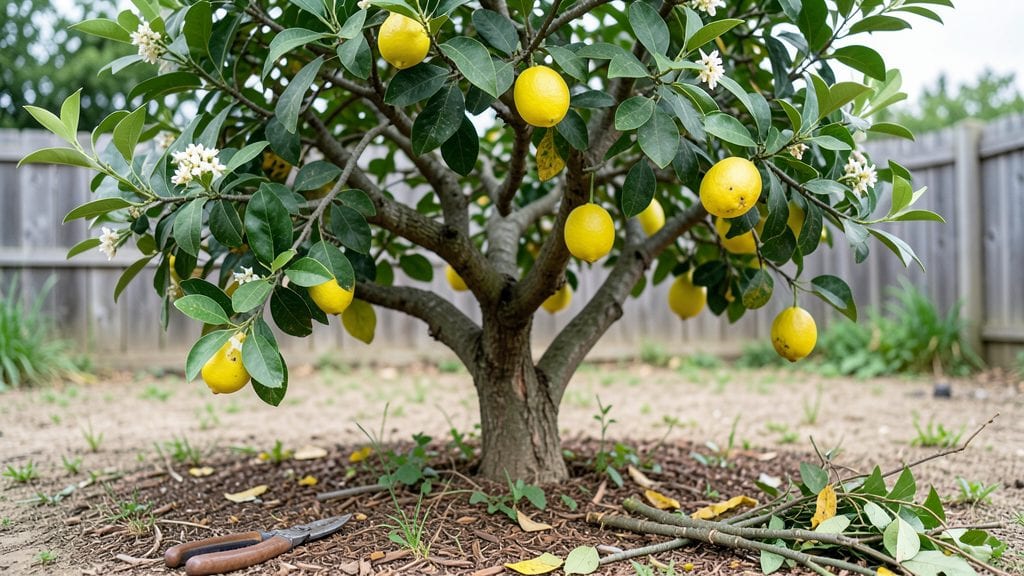
Pruning your lemon tree in late winter unlocks its full potential—thicker branches, more blooms, and sweeter fruit. 🌿 I’ve turned my once-sparse tree into a heavy-fruiting powerhouse by following a few key cuts each year, and the difference is night-and-day.
The secret isn’t complicated: it’s about timing, tools, and knowing which branches to keep (and which to say goodbye to).
Start with sharp pruners and a clean workspace to avoid spreading disease. Remove dead or crossing branches first—they’re the easy wins. Then shape the tree by cutting back overgrown limbs to open the center for airflow, which keeps fruit from rotting and pests away.
Just avoid heavy pruning when flowers appear, or you’ll sacrifice next year’s harvest. A little patience here pays off with bushels of lemons by summer.
📚 In This Guide
- What you need
- Instructions
- Tips and common mistakes
- Wrapping up and next steps
What you need
- ● Bypass pruning shears: Sharp, clean shears (4-6 inches) for cutting small to medium branches. Pro tip: 💡 Sterilize with rubbing alcohol to prevent disease spread!
- ● Pruning saw: A curved-tooth saw (8-10 inches) for thicker branches (½ inch or larger). Look for a non-serrated edge to avoid tearing wood.
- ● Gloves: Heavy-duty, cut-resistant gloves (gardening or pruning-specific) to protect your hands from thorns and sharp edges.
- ● Disinfectant: 70% isopropyl alcohol or a commercial pruning sealant (like Tanglefoot Pruning Seal) to seal cuts and prevent infection.
- ● Ladder or step stool: A stable, non-slip ladder (if your tree is over 6 feet tall) or a foldable step stool for safety.
- ● Sharpie or marker: For labeling branches if you’re doing structural training (e.g., marking future cuts).
- ● Plastic bags or bucket: To collect pruned branches for composting or disposal.
- ● Hand pruners with a bypass blade: A smaller anvil-style pruner (for quick snips) if you have delicate branches to trim.
- ● Tree wound dressing: Controversial but useful for large cuts: 🌡️ Some gardeners swear by pruning paste (like Tanglefoot Tree Wound Pruning Seal) for wounds over ½ inch.
- ● Know your lemon tree’s age: Young trees (light pruning (focus on shaping), while mature trees benefit from structural thinning.
- ● Check the season: Prune in late winter/early spring (before new growth) or summer after harvest—avoid pruning in fall or winter in cold climates!
- ● Weather readiness: Choose a dry, overcast day to minimize stress on the tree (wet wood splinters, and sun can scorch fresh cuts).
Step-by-step instructions for pruning lemon trees
Here's my foolproof method for keeping lemon trees productive and healthy through every season.
✂️ Step 1: Prune in Late Winter Before New Growth Begins
Wait until late winter when the tree is still dormant but just before buds swell. This timing ensures you're cutting back old growth before new shoots demand energy. I always prune on a dry, sunny day—wet branches are harder to see and can harbor fungal spores.
Start by removing any dead, diseased, or crossing branches first. These are your top priorities because they drain the tree's resources. Use clean, sharp pruners to make cuts at a 45-degree angle just above an outward-facing bud. This angle helps water run off the cut instead of pooling.
Look for branches growing straight upward or inward—they compete with others for sunlight and air circulation. These should come out entirely at the base. You'll see the tree's natural shape emerge as you work, with an open center that lets light reach all branches.
☀️ Step 2: Thin Out Overcrowded Branches for Better Airflow
Focus on removing branches that are rubbing against each other or growing too close together. These crowded branches create microclimates where humidity lingers, inviting fungal diseases like anthracnose. I aim to leave 6-8 inches of space between branches once pruning is done.
For mature trees, thin out about 20-30% of the foliage during each pruning session. This might sound aggressive, but lemon trees respond well to strategic thinning. You'll notice new growth emerging from the sides of remaining branches—this is your tree filling in the gaps you created.
Pay special attention to the lower branches. While they might seem harmless, they compete with fruit-bearing branches higher up. Remove any branches below 3 feet from the ground to redirect the tree's energy toward fruit production. Use your pruners to cut these back to the main trunk or a strong lateral branch.
🌱 Step 3: Shape the Tree for Optimal Fruit Production
Lemon trees naturally grow with a vase-like shape, but pruning helps refine this into a more open structure. I focus on creating a strong central leader (main upward stem) with well-spaced lateral branches. This shape catches sunlight on all sides and improves air circulation.
For each lateral branch, aim to leave 3-4 leaves at the end. This ensures the branch has enough energy to support new growth while still allowing light to penetrate to lower branches. You'll see small leaf buds forming along the branches—these are your future fruit-bearing wood.
If your tree has any "water sprouts" (fast-growing vertical shoots), remove them entirely. These shoots grow rapidly but produce no fruit and weaken the tree's structure. Cut them back to a lateral branch or the main trunk. You might feel like you're being harsh, but these cuts prevent future frustration with weak growth.
⏰ Step 4: Light Summer Pruning After Harvest
After your main winter pruning, do a lighter cleanup in early summer right after harvest. This is when you remove any suckers (shoots growing from the base or trunk) and any branches that produced fruit. These spent branches are done for the season and can be pruned back completely.
Look for any branches that grew too vigorously during spring. These might be growing too close together or blocking sunlight from inner branches. Thin these out by removing every other branch, starting with the smallest or weakest. You'll see the tree's shape open up as you work, revealing more of the canopy.
This summer pruning is all about maintenance. Think of it as giving your tree a haircut to keep it looking tidy and healthy. Avoid heavy pruning now—you don't want to stimulate new growth that won't have time to harden off before winter.
🌿 Step 5: Clean Up and Protect Your Tree
After pruning, clean up all debris from under the tree. This includes not just the cut branches but also any fallen leaves or fruit. These can harbor pests and diseases that will reinfect your tree next season. I always rake up all debris and dispose of it in the trash—not the compost pile.
Dip your pruners in a solution of 1 part bleach to 9 parts water before and after pruning to sterilize them. This prevents spreading any diseases between cuts. You'll notice fresh, clean cuts on the branches—this is your sign that the pruning is complete and the tree is ready for new growth.
Finally, apply a thin layer of organic mulch around the base of the tree (but not touching the trunk). This helps retain moisture and regulate soil temperature. Water deeply after pruning to help the tree recover and encourage new growth. You'll see fresh green shoots emerging within 2-3 weeks if everything went well.
Tips & tricks for perfect lemon tree pruning
These simple tricks will help you prune your lemon tree like a pro—keeping it healthy, productive, and beautiful for years to come.
The Right Tools Make All the Difference: Invest in a good pair of bypass pruners for clean cuts on branches up to ½-inch thick. For thicker branches, use loppers with long handles to reach higher branches safely. I also keep a small folding saw on hand for any branches too thick to cut with pruners. Always sharpen your tools before starting—dull blades tear wood, making cuts more vulnerable to disease.
Timing is Everything: Late winter is your ideal window for major pruning, but don't stress if you miss it. The key is to prune just before buds begin to swell—this gives your tree time to recover before new growth demands energy. In Step 1, if your tree is already showing signs of budding, wait another week. For summer maintenance pruning (Step 4), aim for right after harvest when the tree has recovered from fruiting.
Visualize the Tree's Natural Shape: Before making any cuts, step back and observe your tree's natural growth pattern. Lemon trees typically grow in a vase shape with a strong central leader and outward-facing branches. In Step 3, when shaping your tree, imagine sunlight filtering through the branches—this will help you determine which branches to keep and which to remove. The goal is an open center that allows air to circulate freely and light to reach all parts of the canopy.
Clean Cuts Prevent Future Problems: When making cuts, always aim for just above an outward-facing bud at a 45-degree angle. This angle helps water run off the cut instead of pooling, which can lead to rot. In Step 1, if you're unsure where the bud is located, look for small bumps along the branch—these are your future growth points. For larger branches, make your cut about ¼-inch above the bud to allow room for the new growth to emerge without interference.
Pro Tips for Prune Lemon Tree
- These simple tricks will help you prune your lemon tree like a pro—keeping it healthy, productive, and beautiful for years to come.
- The Right Tools Make All the Difference: Invest in a good pair of bypass pruners for clean cuts on branches up to ½-inch thick.
- Timing is Everything: Late winter is your ideal window for major pruning, but don't stress if you miss it.
Frequently asked questions
Got questions about pruning your lemon tree? You’re not alone! Here are answers to the most common concerns—so you can trim with confidence and keep your tree thriving.
When is the best time to prune a lemon tree?
Prune your lemon tree in late winter or early spring (just before new growth starts) to avoid damaging cold-sensitive branches. Light shaping can happen in summer after harvest, but avoid heavy cuts then—it stresses the tree. Never prune in fall, as it limits winter hardiness.
How much can I cut off my lemon tree?
Never remove more than 25-30% of the tree’s foliage in one session. Over-pruning weakens the tree, reduces fruit production, and invites pests. Focus on selective cuts—target dead wood, crossing branches, and overcrowded growth. If your tree looks sparse, spread cuts over 2-3 years.
Will pruning my lemon tree reduce fruit?
Pruning can temporarily reduce fruit, but it’s a trade-off for long-term health and bigger harvests. Proper pruning improves airflow, sunlight exposure, and branch strength—key factors for more fruit per branch. Avoid heavy cuts in fruiting seasons (spring/summer) to minimize yield drops.
What if my lemon tree’s leaves turn yellow or drop after pruning?
Yellowing or dropping leaves can signal stress, often from over-pruning or improper cuts. Check for:
- Severe cuts (too close to the trunk or branch collar)
- Excessive pruning (more than 30%)
- Underwatering post-prune (lemon trees need 1–1.5 inches of water weekly)
Can I prune a young lemon tree differently than a mature one?
Young trees (under 3 years)
need structural shaping—focus on:
Mature trees (3+ years) prioritize fruit-bearing branches and deadwood removal.
Wrapping up and next steps
Pruning your lemon tree doesn’t have to be intimidating—it’s all about timing, technique, and a little patience. 🌿 By following seasonal guidelines, removing dead or overcrowded branches, and encouraging airflow, you’ll set the stage for a healthier tree and a delicious harvest.
Start small, stay consistent, and soon you’ll enjoy the sweet rewards of your hard work!
Ready to take the next step? Grab your pruners and schedule your first trim session—your lemon tree (and future lemonade!) will thank you. 🍋✨