
Pruning
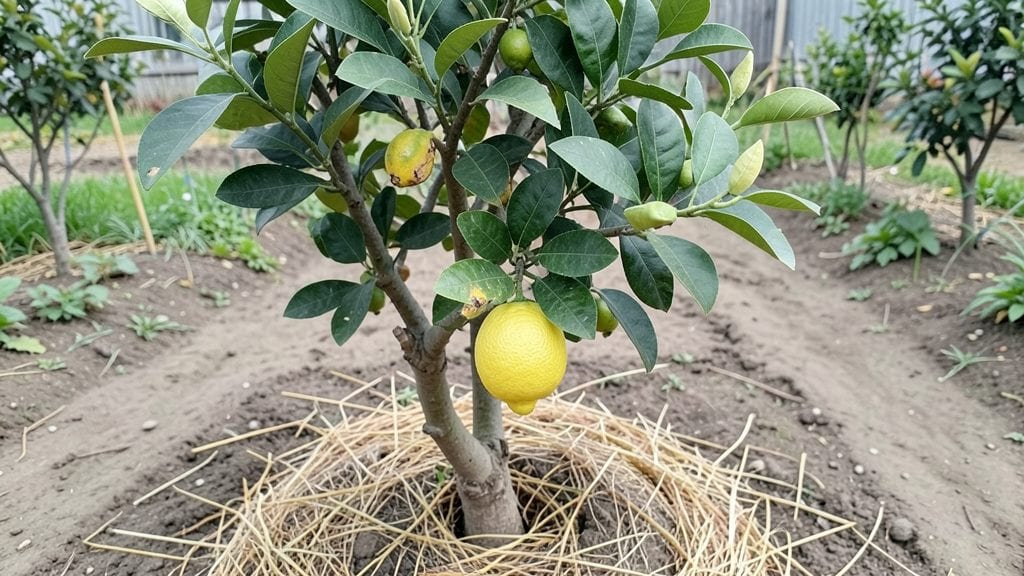
Growing a lemon tree in Dallas isn’t just possible—it’s a year-round citrus dream with the right pruning strategy. 🌿 I’ve turned my backyard into a mini Mediterranean grove by mastering just three cuts that keep my Meyer lemon tree lush, productive, and heat-tolerant through our brutal summers and occasional winter dips.
The key? Timing those cuts to align with Dallas’ 8a-9a climate—when to encourage growth, when to protect it, and how to avoid the common pitfalls that turn citrus trees into sad, leggy shadows.
Here’s the truth: Dallas heat and our alkaline soil can be brutal on lemon trees, but dwarf varieties like ‘Meyer’ or ‘Improved Meyer’ thrive in containers right on patios.
You’ll need well-draining soil mixed with compost (think 50-50 blend) and a watering routine that mimics our erratic rainfall—deep soaks 2-3 times a week in summer, then tapering back in winter. The real game-changer?
Pruning to open up airflow after those scorching 100°F days, which keeps pests like aphids and scale at bay without chemicals.
By spring, you’ll see the payoff: glossy new leaves, a burst of fragrant white blossoms, and lemons ripening faster than you can peel.
The tree stays compact enough for urban yards, and with three strategic cuts—one in late winter, one after harvest, and one mid-summer—you’ll avoid the woody, overgrown messes that plague so many Dallas citrus trees.
Even our occasional frost won’t wipe you out if you wrap the trunk with burlap and move potted trees indoors temporarily.
Whether you’re a balcony gardener or have a full yard, this method works. The only real challenge? Patience—it takes 2-3 years for a young tree to bear reliably in our climate.
But once it does? You’ll be the only one on the block with homegrown lemonade during those sweltering afternoons. Ready to make that first cut?
📚 In This Guide
- What you need
- Instructions
- Tips and common mistakes
- Wrapping up and next steps
What you need
- ● Pruning shears: Bypass pruners (sharp, clean, and sterilized with rubbing alcohol or bleach) – 1 pair (for small branches).
- ● Loppers: Bypass or anvil type (for thicker branches, 1-2 inches in diameter) – 1 pair.
- ● Hand saw: Pruning saw with a curved blade (for branches 2+ inches thick) – 1.
- ● Disposable gloves: Nitrile or leather (to protect from thorns and sap) – 1 pair.
- ● Rubbing alcohol (70%+) or bleach solution: (1 part bleach : 9 parts water) – for sterilizing tools.
- ○ Sealing wax or pruning paint: (Optional but recommended) – to coat large cuts and prevent disease.
- ● Heavy-duty trash bags: (20-gallon size) – for collecting pruned branches.
- ● Ladder: (Aluminum extension ladder, 6-8 ft tall) – if your tree is over 6 feet.
- ● Weather check: Prune on a dry, cloudy day (avoid extreme heat or cold). Dallas’s ideal pruning window is late winter (Feb) or early spring (March).
- ● Safety gear: Safety glasses (to shield from debris) – 1 pair.
- ● Tree health assessment: Inspect for diseased or pest-infested branches before pruning.
- ● Water source: (Garden hose or bucket) – to clean tools and rinse sap off hands.
- ● ✨ Tool sharpness is key! Dull blades tear bark—test your shears by cutting a clean sheet of paper.
- ● 🌡️ Dallas heat hack: Prune early morning or late afternoon to avoid stressing the tree in 100°F+ temps.
- ● 🔥 Disposal: Bag pruned branches and compost them (if disease-free) or dispose of them via Dallas’s bulky waste pickup.
How to prune a lemon tree in Dallas for year-round growth
Dallas heat demands smart pruning—here's how I keep my lemon tree thriving through all seasons.
✂️ Step 1: First Cut in Late Winter (Before New Growth)
Wait until mid-February when temperatures stay above 50°F at night. This is your chance to remove any dead or crossing branches—those are the ones that rub against each other and create wounds where disease can enter. I use sharp bypass pruners to make clean cuts just above a leaf node or outward-facing bud.
Focus on branches thinner than a pencil first. You'll see them easily—they're often brown at the ends or growing inward toward the center of the tree. This cut opens the canopy to winter sun, which helps the tree dry out faster after rain and prevents fungal issues common in Dallas' humid winters.
☀️ Step 2: Summer Light Management (June-July)
When Dallas hits 95°F+, your lemon tree needs shade protection. Look for branches growing toward the south or west—they'll get scorched by afternoon sun. Cut these back by one-third to reduce leaf surface area while maintaining the tree's shape.
Here's the thing—I never remove more than 25% of the foliage in one session. You'll notice the leaves on remaining branches turning slightly lighter green, but that's normal. The tree is adjusting to less shade stress. Water deeply after pruning to help it recover from the shock.
✂️ Step 3: Fall Fruit-Bearing Prune (October-November)
After your last harvest, prune again in early October to encourage next year's fruit production. Remove any branches that produced fruit this year—they've given their energy and won't bear well again. Cut back to a strong lateral branch or the main trunk.
This is also when I thin out the center of the tree. Dallas lemon trees can get dense, and that blocks airflow. You want sunlight to reach all the way to the inner branches. Make your cuts at a 45-degree angle just above an outward-facing bud. This encourages new growth that will fill in nicely by spring.
🪴 Step 4: Winter Structural Pruning (December)
In December, take a step back and assess your tree's overall shape. Dallas' winter chill can make branches brittle, so I only remove what's absolutely necessary. Look for any branches growing straight up—they'll block light and create a "Christmas tree" shape that's hard to manage.
Cut these vertical branches back to a lower lateral branch. You'll see the tree's natural vase shape emerge. This is also when I clean up any suckers—those are the little shoots growing from the base or trunk. They drain energy from fruit production, so remove them completely at the base with clean cuts.
Tips & tricks for perfect lemon tree pruning in Dallas
Dallas' unique climate means your lemon tree needs extra attention—here are my go-to tricks to keep it thriving year-round.
Tool Prep: Before you start pruning in mid-February, sharpen your bypass pruners with a fine-grit file. Dull blades tear wood, creating larger wounds that invite disease—especially problematic in Dallas' humid winters. I also sterilize my tools with rubbing alcohol between cuts to prevent spreading any potential fungal spores hiding in the tree.
Seasonal Timing Secret: The 50°F nighttime temperature threshold in Step 1 is crucial—it's when your tree's growth cycle naturally slows. Pruning before this can shock the tree, while waiting too long risks losing your winter pruning window. I check the weather forecast and schedule my pruning for a weekend when temps are predicted to stay above 50°F all night.
Visual Cues for Summer Pruning: When you're cutting back branches in June-July, look for leaves that appear slightly curled or have brown edges—these are early signs of heat stress. The one-third reduction in Step 2 is about balance: you want to reduce leaf surface area enough to prevent scorching, but not so much that you shock the tree. I aim to leave about 75% of the original foliage to maintain photosynthesis.
Post-Pruning Care: After any pruning session, I give my tree a deep watering at the base, focusing on the root zone. This helps the tree recover from the stress of pruning and replaces moisture lost through the newly exposed cuts. In Dallas' heat, I might even add a layer of mulch around the base to help retain moisture and regulate soil temperature.
Pro Tips for Lemon Tree Dallas
- Dallas' unique climate means your lemon tree needs extra attention—here are my go-to tricks to keep it thriving year-round.
- Tool Prep: Before you start pruning in mid-February, sharpen your bypass pruners with a fine-grit file.
- Seasonal Timing Secret: The 50°F nighttime temperature threshold in Step 1 is crucial—it's when your tree's growth cycle naturally slows.
Frequently asked questions
Got questions about growing a thriving lemon tree in Dallas? You’re not alone! Here are answers to the most common queries to help you nurture your citrus treasure year-round.
When is the best time to plant a lemon tree in Dallas?
The ideal window is late winter to early spring (February–March) when temperatures stabilize above 50°F. This gives roots time to establish before Dallas’ brutal summer heat. Avoid planting in fall—cool nights can stress young trees. Pro tip: If planting in summer, water deeply every 2–3 days to prevent shock!
How often should I prune my lemon tree in Dallas?
Prune 3 times a year for optimal growth: late winter (shape + remove dead wood), summer (light trim after harvest), and fall (cleanup before dormancy). Focus on airflow and sunlight access—Dallas’ humidity demands this to prevent fungal issues. Warning: Never prune during frost!
Why aren’t my lemon tree’s fruits ripening in Dallas?
Lemon trees need 6–8 hours of direct sun daily and consistent moisture (Dallas’ clay soil drains poorly—amend with compost!). Underripe fruit often signals nutrient deficiency (try a citrus-specific fertilizer) or overwatering. Quick fix: Hand-pollinate flowers with a soft brush if bees are scarce.
Can lemon trees survive Dallas winters?
Most dwarf varieties (like ‘Meyer’ or ‘Eureka’) tolerate Dallas’ mild winters (rarely below 20°F), but young trees or large varieties need protection. Wrap trunks in burlap, cover with frost cloth, and avoid overhead watering before freezes. Bonus: Potted trees move indoors near a sunny window!
What’s a good alternative if I can’t grow a lemon tree in Dallas?
Try hardier citrus like calamondin (tolerates light frost) or non-citrus options like loquat trees or figs—both thrive in Dallas’ heat. For indoor growing, kumquat trees are low-maintenance and productive. Pro tip: Check local nurseries for heat-tolerant rootstock to boost survival rates!
Wrapping up and next steps
Growing a thriving lemon tree in Dallas is absolutely achievable with the right pruning strategy—especially those three key cuts! By mastering structural shaping, disease prevention, and fruit-bearing pruning, you’ll ensure your tree stays healthy, productive, and beautiful year-round. 🌿✂️
Now that you’re armed with the know-how, roll up your sleeves and get pruning! Start small, observe your tree’s growth, and adjust as needed. Before you know it, you’ll be harvesting homegrown lemons—and maybe even sharing them with neighbors! 🍋😊
Next step: Mark your calendar for your first pruning session—spring is the perfect time to begin! 📅