Pruning
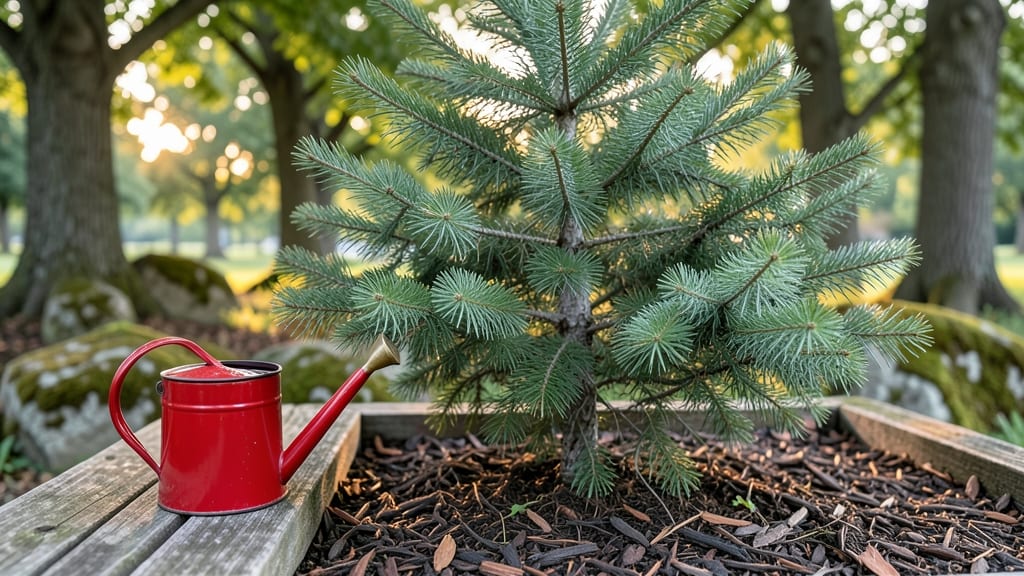
Your living Christmas tree can thrive for years—not just December—with the right care, and the secret starts with simple pruning that keeps it lush and full.
I’ve nursed a Fraser fir through five holiday seasons, and the difference between a scraggly relic and a showstopper comes down to timing, cuts, and a little winter prep.
The first year, I nearly killed mine by overwatering indoors, but now it’s the envy of the neighborhood with its dense branches and vibrant green needles.
Pruning isn’t about hacking away—it’s about shaping growth. After the holidays, trim back any brown needles or broken branches with clean cuts just above a healthy bud.
For indoor trees, move them outside for a few hours a day to harden off, and water only when the top inch of soil feels dry.
Outdoor trees need mulch around their base to protect roots from freezing temps, and a light pruning in early spring to encourage new growth before the buds swell.
What you’ll end up with is a tree that looks better every year, not worse. The branches fill in naturally, the needles stay vibrant, and you avoid that sad, bare look by 3-4 inches of annual growth in the right conditions.
Even better? You’ll save money and reduce waste by keeping the same tree decade after decade—just like the ones you see at Christmas tree farms. The key is consistency: a little care now means fewer headaches later.
Whether your tree lives indoors part-time or spends winters outdoors, the same principles apply. The biggest mistake? Waiting until the tree’s struggling to prune. Start now, and you’ll have a healthy, full tree ready for next year’s decorations—no stress, no guesswork. Let’s get those shears sharp and those branches trimmed!
📚 In This Guide
- What you need
- Instructions
- Tips and common mistakes
- Wrapping up and next steps
What you need
- ● Living Christmas tree (e.g., Nordmann fir, Fraser fir, or Colorado blue spruce—ensure it’s potted and healthy!)
- ● Well-draining potting soil (mix of peat moss, perlite, and pine bark for aeration)
- ● 15-20 gallon container (if repotting—ensure drainage holes!)
- ● Pruning shears (sharp, clean, and sterilized with rubbing alcohol)
- ● Watering can or hose with a gentle spray nozzle (avoid over-saturating roots)
- ● Fertilizer (balanced 10-10-10 or slow-release organic option like fish emulsion)
- ● Mulch or pine needles (to retain moisture and mimic forest floor conditions)
- ○ Indoor grow lights (optional but helpful) (if keeping indoors long-term, use full-spectrum LED)
- ● Tree stand with drainage (if displaying indoors temporarily)
- ● Humidifier or pebble tray (to combat dry indoor air)
- ● Root stimulator (like mycorrhizal fungi for faster recovery post-pruning)
- ● Tree-specific spray (e.g., neem oil to deter pests like spider mites)
- ● Label or marker (to track pruning dates and care notes!)
Instructions for year-round living Christmas tree care
Here's how to keep your tree thriving through the holidays and beyond—no green thumb required.
Place Your Tree in the Right Spot
Find a location with 6-8 hours of indirect light daily—direct sun can dry out needles, while too little light causes sparse growth. A cool room (around 60-65°F) mimics the tree's natural winter conditions. Avoid drafts, heating vents, and direct sunlight, which can scorch delicate needles.
If you're keeping it indoors long-term, rotate the pot a quarter turn weekly so the tree grows evenly. You'll notice one side leaning toward the light after just a few days—this is your cue to adjust its position. Place the tree on a stable surface where it won't get bumped or knocked over easily.
Water Consistently Without Overdoing It
Check the soil every 3-5 days—stick your finger 1-2 inches deep into the soil. If it feels dry, water thoroughly until water runs out the drainage hole. Living Christmas trees (like Norfolk pines or Fraser firs) hate soggy roots but also can't tolerate dry soil for long.
Use room-temperature water to avoid shocking the roots. In winter, when indoor air is dry, you may need to water slightly more often. Watch for needles turning brown at the tips—this is often a sign of underwatering or overwatering. Adjust your schedule based on what you observe.
Prune Strategically to Encourage Fullness
Trim back any leggy branches in early spring to encourage bushier growth. Use clean, sharp pruning shears to make cuts just above a leaf node (the small bump where a branch meets the stem). Never cut more than one-third of the tree's height or width in a single season.
Remove any dead, yellow, or brown branches immediately—they sap energy from the tree. After pruning, give the tree a light fertilizer designed for evergreens to help it recover. You'll see new growth filling in within 4-6 weeks if the tree is otherwise healthy.
Fertilize and Protect Through Seasons
Apply a slow-release evergreen fertilizer in early spring and again in midsummer. Follow the package instructions for dosage—over-fertilizing can burn roots. In late fall, reduce watering slightly to mimic the tree's natural dormancy period, but don't let the soil dry out completely.
If pests like spider mites or aphids appear, treat the tree with insecticidal soap or neem oil. Check the undersides of branches where pests often hide. A healthy tree will shake off most pests naturally, but early intervention prevents infestations from spreading.
Transition Between Indoor and Outdoor Care
If moving the tree outdoors after the holidays, harden it off first by placing it in a shaded, sheltered spot for 2-3 days. Gradually increase sun exposure over 1 week to avoid sunburn. Plant it in well-draining soil in a location with partial shade and mulch around the base to retain moisture.
In its first outdoor season, water deeply once a week unless rainfall provides enough moisture. You'll know it's adjusting well when new growth appears in spring. Avoid fertilizing the first year—let the tree focus on establishing roots before pushing new foliage.
Tips & tricks for perfect year-round Christmas tree care
Here's what nobody tells you about keeping your living Christmas tree happy and healthy through every season.
Lighting Strategy: The 6-8 hours of indirect light in Step 1 is non-negotiable for tree health. Notice how your tree naturally leans toward light sources? That's your cue to rotate the pot every week—just a quarter turn keeps growth even. I've seen trees develop permanent lopsidedness when owners forget this simple step, especially near windows where light is strongest on one side.
Watering Wisdom: That 3-5 day watering schedule in Step 2 can throw you off in winter. Indoor heating dries out air and soil faster, so check the soil every 2-3 days instead. Pro tip: Fill a spray bottle with water and lightly mist the needles weekly—this mimics natural humidity and prevents those unsightly brown tips that scream "I'm thirsty!"
Pruning Precision: When you're trimming leggy branches in Step 3, make your cuts just above a leaf node where new growth will sprout. I learned this the hard way by cutting too close to the stem—those branches never grew back. And remember, never remove more than one-third of the tree's height in a single season. Think of it like haircuts: you wouldn't shave your head bald in one go, would you?
Seasonal Transition: The 2-3 day hardening off period in Step 5 is crucial when moving your tree outdoors. I've seen trees go from thriving indoors to crispy in days when owners rushed this step. Start with just 30 minutes of shade the first day, then gradually increase exposure. Your tree's needles will thank you by staying vibrant rather than turning brown from sun shock.
Pro Tips for Care For Living Christmas Tree
- Here's what nobody tells you about keeping your living Christmas tree happy and healthy through every season.
- Lighting Strategy: The 6-8 hours of indirect light in Step 1 is non-negotiable for tree health.
- Watering Wisdom: That 3-5 day watering schedule in Step 2 can throw you off in winter.
Frequently asked questions
How long can I keep a living Christmas tree indoors?
A living Christmas tree can stay indoors for 4–6 weeks with proper care. Beyond that, it may become stressed from dry air, heat, or light changes. Monitor its needles—if they start browning or falling, it’s time to move it back outside or prune it to refresh its growth.
When is the best time to prune a living Christmas tree?
Prune your tree late winter or early spring (just before new growth starts) for best results. Avoid heavy pruning during the holidays, as it can stress the tree. Light trimming to shape it can happen anytime, but major cuts should wait until dormancy.
How often should I water a living Christmas tree?
Check the soil daily—if the top inch feels dry, water it thoroughly. Living trees need 1–2 gallons of water per week indoors. Use room-temperature water and avoid letting it sit in standing water, which can cause root rot. Outdoor trees need less frequent watering (every 1–2 weeks, depending on weather).
Can I use a living Christmas tree as a permanent landscape tree?
Many living Christmas trees thrive outdoors year-round if planted correctly. Choose a healthy, well-rooted tree (look for a pot-grown or balled-and-burlapped option) and plant it in well-draining soil. Mulch the base and water deeply for the first few weeks to help it establish roots.
What do I do if my living Christmas tree’s needles turn brown?
Brown needles usually mean dry air, underwatering, or stress. Move the tree to a cooler, humid spot (like a basement) and water it deeply. If only a few branches are affected, trim them off to encourage new growth. Avoid placing it near heat vents or fireplaces, as these can accelerate needle drop.
Are there alternatives to a living Christmas tree for eco-friendly decor?
Yes! Consider renting a potted tree (many nurseries offer this), using a flocked artificial tree (reusable for years), or decorating with evergreen branches from your yard. For a truly sustainable option, grow your own tree from seed—it’ll take years, but it’s a rewarding long-term project!
Wrapping up and next steps
Caring for a living Christmas tree isn’t just a holiday task—it’s a rewarding year-round commitment that brings joy and beauty to your home.
With the right pruning techniques, watering routine, and a little love, your tree will thrive for seasons to come. Start small, stay consistent, and watch your green companion grow stronger each year!
Ready to give your tree the best care? Pick a sunny spot, grab your tools, and begin pruning today! 🌿 Your future festive (and lush) tree awaits!