
Pruning
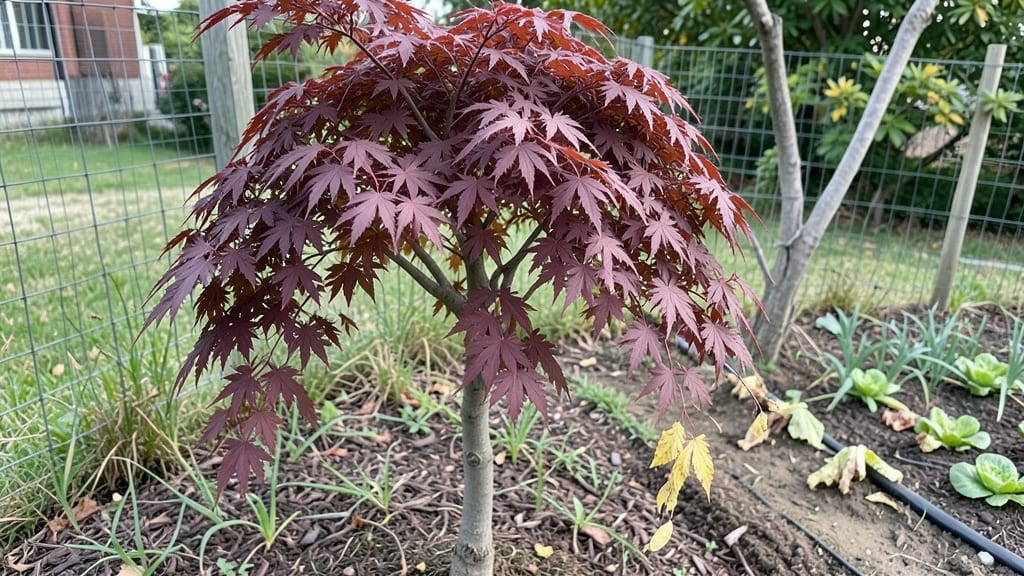
The laceleaf weeping Japanese red maple tree transforms any garden into a living watercolor painting with its cascading branches and fiery foliage. 🌿 I’ve pruned mine for five years now, and the secret to keeping it looking like a masterpiece—year after year—isn’t about cutting back aggressively, but about guiding its natural elegance.
This tree doesn’t just survive pruning; it thrives when you work with its weeping habit instead of against it.
Most people assume pruning means hacking away at branches, but this tree rewards patience and precision. You’ll need sharp pruners, a ladder (for higher branches), and a clear goal: maintaining that graceful, fountain-like shape while encouraging dense foliage at the tips.
The best time to prune is late winter or early spring, just as new growth begins to emerge—this ensures you shape the tree without sacrificing next season’s vibrant red leaves.
What you’ll end up with is a tree that looks like it belongs in a botanical garden, not your backyard. The laceleaf’s delicate, finely cut leaves catch the light in ways that make it glow, especially in autumn when the red deepens into shades of burgundy and orange.
Even in winter, the skeletal branches hold an artistic beauty that’s hard to replicate with other trees.
Whether you’re dealing with a young sapling or a mature specimen, the same principles apply: prune to open the center for airflow, thin out crowded branches, and always cut just above a bud or branch collar.
The results? A tree that stays healthy, grows stronger, and becomes the centerpiece of your landscape for decades.
📚 In This Guide
- What you need
- Instructions
- Tips and common mistakes
- Wrapping up and next steps
What you need
- ● Pruning shears: Bypass pruners (for small branches, 2–3" cutting capacity) – 1 pair.
- ● Loppers: Long-handled bypass loppers (for medium branches, 6–8" cutting capacity) – 1 pair.
- ● Pruning saw: Curved-tooth pruning saw (for thick branches, 10"+ cutting capacity) – 1.
- ● Gloves: Heavy-duty, cut-resistant gardening gloves – 1 pair (to protect hands from thorns and sharp tools).
- ● Disinfectant: 70% isopropyl alcohol or pruning sealant (to sterilize tools and prevent disease spread).
- ● Tarp or drop cloth: Medium-sized (4’x6’ or larger) – 1 (to catch debris and protect the ground).
- ● Ladder: Sturdy, extendable ladder (16’+ recommended) – 1 (if the tree exceeds 10’ in height).
- ● Safety glasses: ANSI-rated protective eyewear – 1 pair (to shield from debris).
- ● Pole pruner: For high or hard-to-reach branches – 1.
- ○ Tree wound dressing: Optional for large cuts (controversial but useful for some).
- ● Marking twine or spray paint: To tag branches for removal – 1 roll/spray can.
- ● Pruning rope or zip ties: For temporary branch support during healing – 1 pack.
- ● Work boots: With ankle support for stability on uneven ground.
Step-by-step pruning guide for your laceleaf weeping Japanese red maple
This elegant tree thrives with strategic pruning—let's shape it for year-round beauty.
✂️ Step 1: Prune in Late Winter Before Bud Break
Timing is everything with Japanese maples. Wait until late winter when the tree is still dormant but just before new buds swell. This ensures you remove dead wood without stimulating fresh growth too early. I always prune on a dry, calm day—rain or wind can stress the delicate branches.
Start by removing any dead, diseased, or crossing branches first. These are easy to spot—they're brown, brittle, or rubbing against other limbs. Use clean, sharp pruning shears to make clean cuts just outside the branch collar. The laceleaf variety has fine, arching branches, so focus on maintaining that natural weeping form.
✂️ Step 2: Thin Out Overcrowded Branches for Airflow
Japanese maples grow best with good airflow to prevent fungal diseases. Look for branches that are growing too close together or inward toward the center of the tree. These are your priority for thinning. I like to step back and visually assess the tree's structure—you want to see light filtering through the canopy evenly.
When thinning, remove entire branches back to their origin point rather than just cutting back the tips. This maintains the tree's natural shape while improving light penetration. For the laceleaf variety, aim to keep the outer branches longer to preserve its graceful weeping habit. Never remove more than 25% of the tree's foliage in one season—this can stress the tree.
✂️ Step 3: Shape the Weeping Form by Selective Pruning
The laceleaf's signature weeping form comes from its naturally drooping branches. To enhance this, focus on pruning any upward-growing branches that disrupt the cascading effect. These are often found near the outer edges of the tree. Use your shears to cut just above a bud that's growing in the desired downward direction.
For the main branches, I recommend a light touch—only prune to remove any that are growing too upright or spoiling the tree's elegant silhouette. The goal is to encourage more downward growth rather than forcing an unnatural shape. After pruning, you'll notice how the remaining branches naturally cascade, creating that beautiful fountain effect.
✂️ Step 4: Clean Up and Maintain Through the Growing Season
After your main pruning session, collect all the clippings and dispose of them properly. Japanese maples are susceptible to fungal diseases, so never leave pruned branches on the ground beneath the tree. I like to sterilize my pruning tools with rubbing alcohol between cuts to prevent spreading any potential infections.
Throughout the growing season, keep an eye out for any water sprouts—these are fast-growing, upright shoots that can ruin the tree's form. Remove these as soon as you spot them by cutting them off at their base. Also, watch for any branches that may have been damaged by wind or snow and prune those back to healthy wood. Regular light maintenance keeps your laceleaf looking its best all year.
Tips & tricks for perfect laceleaf weeping Japanese red maple pruning
Mastering the art of pruning your laceleaf weeping Japanese red maple transforms it from merely pretty to absolutely stunning year after year.
Timing is Non-Negotiable: That late winter window is your golden opportunity. I've learned the hard way—pruning too early can stimulate unwanted growth, while waiting too long risks damaging new buds. Check your local frost dates as a guide, but always confirm by looking for those first swollen buds. The laceleaf's delicate branches need this precise timing to recover properly.
Tool Maintenance is Everything: Your pruning shears should be sharper than your focus on that perfect weeping form. Dull blades tear branches, creating jagged wounds that invite disease. I sterilize my tools with rubbing alcohol between every cut—especially important for laceleafs that are prone to fungal issues. A clean cut just outside the branch collar heals faster and looks professional.
Visual Assessment is Your Best Friend: Step back frequently and squint at your tree. You're looking for symmetry in that cascading effect. The laceleaf's natural weeping form should guide your cuts—never force branches downward. When thinning, imagine sunlight filtering through the canopy like a waterfall. That's your target: even light distribution that keeps all those delicate leaves healthy.
Water Sprout Watch: These fast-growing vertical shoots are the laceleaf's nemesis. I check my trees every two weeks during growing season because they appear suddenly. Cut them off at the base immediately—they drain energy from your tree's beautiful weeping branches. Think of them like weeds in your garden, but with more dramatic consequences for your tree's form.
Pro Tips for Laceleaf Weeping Japanese Red Maple Tree
- Mastering the art of pruning your laceleaf weeping Japanese red maple transforms it from merely pretty to absolutely stunning year after year.
- Timing is Non-Negotiable: That late winter window is your golden opportunity.
- Tool Maintenance is Everything: Your pruning shears should be sharper than your focus on that perfect weeping form.
Frequently asked questions
about the laceleaf weeping Japanese red maple—because even the most elegant trees need a little TLC! Here are answers to common queries to help you keep your tree thriving.When is the best time to prune my laceleaf weeping Japanese red maple?
Prune your laceleaf weeping Japanese red maple during late winter or early spring (before buds swell) to avoid stressing the tree. Light shaping can also be done in summer after new growth hardens, but avoid heavy pruning then. Never prune in fall—it risks winter dieback.
How much can I prune without harming the tree?
For mature trees, limit pruning to no more than 25% of the canopy per year. Over-pruning weakens the tree and reduces its stunning foliage. Focus on removing dead, crossing, or rubbing branches first, then shape gently. Young trees tolerate slightly more pruning to encourage structure.
Why are the leaves on my laceleaf maple turning brown or yellow?
Brown/yellow leaves can signal over-pruning, drought, or fungal issues. Check for:
Yes! Choose a large, sturdy container (15+ gallons) with drainage holes and use well-draining soil. Prune roots annually to prevent circling, and repot every 2–3 years. However, container-grown trees may need more frequent watering and winter protection (burlap wrap + mulch). If your zone is too hot/cold (Zones 5–8), consider:
If the issue persists, test soil pH (ideal: 5.0–6.5) and adjust with sulfur or lime.
Can I grow a laceleaf weeping Japanese red maple in a container?
What’s a good alternative if my laceleaf maple struggles in my climate?
All three offer year-round interest and adaptable forms!
Wrapping up and next steps
The laceleaf weeping Japanese red maple is a stunning addition to any landscape, offering year-round beauty with its delicate foliage and vibrant colors. With the right pruning techniques—like timing, tool selection, and gentle shaping—you can maintain its graceful form while keeping it healthy and thriving. 🌿
Now that you’re equipped with the knowledge, roll up your sleeves and give your tree the care it deserves! Start by scheduling your first pruning session this season and watch your laceleaf maple flourish into a breathtaking centerpiece. Happy pruning! ✂️✨