
Trees
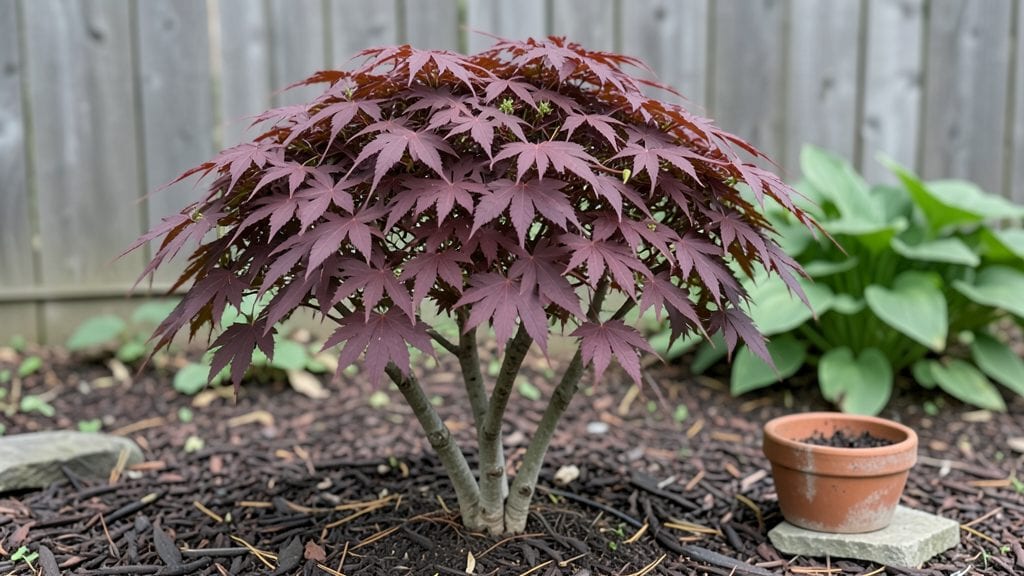
The dwarf Japanese maple tree in my neighbor’s yard—its delicate leaves still vibrant after a hard freeze—was the first I’d ever seen, and I knew I had to grow one. 🌿 There’s nothing quite like that frost-resistant little beauty standing tall through every Pacific Northwest winter. one myself.
These trees aren’t just survivors; they’re the backbone of a stunning, low-maintenance landscape that thrives where others struggle.
They’re perfect for small spaces, containers, or as a focal point in a garden bed. Unlike their larger cousins, dwarf varieties stay manageable while delivering the same breathtaking foliage. You’ll need well-draining soil, partial shade, and consistent moisture—but once established, they’re foolproof and reward you with year-round beauty.
The key is getting them off to the right start, whether you’re planting in the ground or a decorative pot.
Imagine a tree that looks like a living painting, its leaves shifting from fiery reds in autumn to soft greens in summer. With the right care, your dwarf Japanese maple will become the jewel of your garden, drawing compliments from passersby.
The best part? It’s a tree that grows with you—slowly but surely—so you’ll enjoy its presence for decades. Let’s get yours thriving.
These trees adapt beautifully to both container gardening and in-ground planting, making them ideal for urban yards, patios, or even as a centerpiece in a mixed border.
Whether you’re a beginner or a seasoned gardener, the dwarf Japanese maple’s resilience and charm make it a standout choice for any Pacific Northwest landscape.
📚 In This Guide
- What you need
- Instructions
- Tips and common mistakes
- Wrapping up and next steps
What you need
- ● Dwarf Japanese Maple Tree: Choose a variegated or red-purple cultivar (e.g., Acer palmatum 'Dragon Lady' or 'Bloodgood'), sized 1–3 gallons for easier handling.
- ● High-Quality Potting Soil: 3–5 gallons of well-draining, acidic soil mix (pH 5.0–6.5). Add peat moss or pine bark fines (20–30% of the mix) for moisture retention.
- ● Container or Planting Hole: For containers: A 12–18-inch diameter pot with drainage holes (terracotta or plastic). Ensure it’s at least 12 inches deep.
- ● For in-ground planting: Dig a hole twice as wide as the root ball but no deeper.
- ● Organic Mulch: 2–3 inches of pine needles, cedar chips, or shredded bark to protect roots from frost and retain moisture.
- ● Slow-Release Fertilizer: A balanced, acidic fertilizer (e.g., 10-10-10 or 20-10-10) with micronutrients like iron (critical for vibrant foliage). Apply once in early spring.
- ● Watering Can or Hose: With a gentle spray nozzle for even moisture distribution.
- ● Pruning Tools: Bypass Pruners: For clean cuts on branches up to ½ inch thick.
- ● Hand Pruners: For smaller branches (¼ inch or less).
- ● Garden Gloves: Heavy-duty, waterproof gloves to protect hands from thorns and rough bark.
- ● Tree Stake or Support: A flexible bamboo stake (if planting in windy areas).
- ● Anti-Desiccant Spray: Wax-based spray (e.g., Dormant Oil) to protect leaves from winter drying.
- ● Soil Moisture Meter: To monitor root-zone humidity (critical in PNW’s dry summers).
- ● Decorative Stones: Smooth river rocks around the base for a polished look (and to deter slugs!).
How to plant and care for a dwarf Japanese maple tree
Here's the method I trust for establishing these stunning trees in Pacific Northwest climates.
🌱 Step 1: Select the Perfect Planting Site
Choose a location with partial shade—at least 4-6 hours of morning sun and afternoon shade to protect delicate foliage from harsh afternoon rays. Dwarf Japanese maples thrive in USDA Zones 5-8, making them ideal for the Pacific Northwest's cool, moist climate. The soil should be well-draining but consistently moist, so avoid low spots where water pools.
I always test the soil by digging a 6-inch hole—if water drains in less than 15 minutes, the site is suitable. For heavier clay soils common in the region, I mix in 2-3 inches of compost to improve drainage and fertility. The tree's final location should be protected from strong winds, which can damage its delicate branches.
🪴 Step 2: Prepare the Planting Hole and Amend Soil
Dig a hole twice as wide as the root ball but only as deep—planting too deep can suffocate the roots. Loosen the sides of the hole with a garden fork to encourage root spread. For the 4 dwarf Japanese maples you're planting, space them 6-8 feet apart to allow mature growth without crowding.
If your soil is sandy, blend in 1 part peat moss to the existing soil to retain moisture. For clay-heavy soils, I add 1 part perlite to improve aeration. Gently remove the tree from its container and tease the roots outward if they're circling—this prevents root bound issues that can weaken the tree for years.
☀️ Step 3: Plant and Water for Immediate Establishment
Place the tree in the hole so the top of the root ball sits 1 inch above ground level—this prevents soil from settling and burying the trunk. Backfill with the amended soil, pressing lightly to eliminate air pockets. Water deeply until the soil is saturated 12 inches down, which helps roots establish quickly in the Pacific Northwest's moist climate.
I always apply a 2-3 inch layer of mulch (using the 6 cubic feet of mulch from your materials) around the base, keeping it 6 inches away from the trunk to prevent rot. Water once weekly for the first month, ensuring the soil stays evenly moist—not soggy, but never completely dry. This initial care period is critical for root development.
🌿 Step 4: Provide Ongoing Care for Year-Round Beauty
Fertilize in early spring with a balanced, slow-release fertilizer (like the 10-10-10 fertilizer in your materials) to support new growth. I use about 1/4 cup per tree, spread evenly around the root zone. Avoid fertilizing in fall or winter—your tree needs to rest during the cooler Pacific Northwest months.
Prune in late winter or early spring before new growth begins. Remove any dead, crossing, or weak branches using clean, sharp pruners—this encourages a strong, open canopy. I never prune more than 25% of the tree in one season to avoid stress. Water deeply every 2-3 weeks during the growing season, adjusting for rain—too much water can suffocate roots in the region's damp climate.
⏰ Step 5: Protect During Frost and Winter
While dwarf Japanese maples are frost-resistant, young trees benefit from light winter protection. In the Pacific Northwest, where temperatures can dip below 20°F, I wrap the trunks of newly planted trees with tree guard (using the 1 roll of tree wrap from your materials) to prevent sunscald. Avoid heavy mulching in winter—2-3 inches is sufficient to insulate roots without suffocating them.
Watch for bronzing or leaf scorch in early spring—a sign of winter damage. If you see it, prune affected branches immediately and fertilize lightly to encourage recovery. With proper care, your dwarf Japanese maples will reward you with year-round color, from vibrant spring foliage to stunning autumn hues, even in the Pacific Northwest's unpredictable climate.
Tips & tricks for perfect dwarf Japanese maple tree planting
These proven strategies will help your dwarf Japanese maples thrive in Pacific Northwest conditions—where the real magic happens.
Site Selection Wisdom: The 4-6 hours of morning sun in Step 1 is non-negotiable for vibrant foliage. I always scout potential sites during the late afternoon when sunlight patterns are most visible—this helps identify areas that might get overlooked heat. For urban gardens, north-facing walls or large evergreens provide excellent afternoon shade while still allowing morning sunlight to reach the leaves. Remember, these trees hate wind—plant them where they'll be sheltered by fences, buildings, or other trees.
Soil Preparation Secret: That 6-inch hole test in Step 1 reveals everything about your soil's drainage. If water drains faster than 15 minutes, you're dealing with sandy soil that needs moisture retention. My go-to fix is mixing in 2 parts compost to 1 part perlite—this creates the perfect balance for Pacific Northwest's variable rainfall. For clay soils, I double the perlite ratio to prevent compaction. Pro tip: Add a handful of mycorrhizal fungi to the planting hole to boost root health right from the start.
Planting Precision: When positioning your trees in Step 3, use a level to ensure the top of the root ball sits exactly 1 inch above ground level. I've learned the hard way that even a slight dip can cause water to pool around the trunk, leading to rot. After planting, I always press the soil firmly around the edges of the root ball to eliminate air pockets—this helps roots establish contact with the amended soil immediately. For the 6 cubic feet of mulch, spread it evenly but leave that 6-inch gap around the trunk to prevent moisture buining.
Winter Protection Strategy: The 20°F threshold in Step 5 is crucial for young trees. I've found that wrapping trunks with tree guard creates a microclimate that maintains trunk temperatures above freezing. For extra protection in exposed areas, I add a layer of burlap wrap around the tree guard—this adds another insulating barrier without suffocating the tree. In particularly harsh winters, I've even used Christmas lights wrapped around the tree to provide gentle heat, though this should only be a last resort.
Pro Tips for Dwarf Japanese Maple Tree
- These proven strategies will help your dwarf Japanese maples thrive in Pacific Northwest conditions—where the real magic happens.
- Site Selection Wisdom: The 4-6 hours of morning sun in Step 1 is non-negotiable for vibrant foliage.
- Soil Preparation Secret: That 6-inch hole test in Step 1 reveals everything about your soil's drainage.
Frequently asked questions
Got questions about caring for your dwarf Japanese maple tree? You’re not alone—this stunning PNW favorite has its quirks! Here are answers to the most common concerns to keep your tree thriving year-round.
How cold can a dwarf Japanese maple handle?
Acer palmatum varieties like the dwarf Japanese maple are hardy to USDA Zones 5-8, meaning they can survive temps as low as -20°F (-29°C) with proper care. In the PNW’s frost-prone winters, mulch heavily (3-4 inches) and water deeply before the ground freezes to protect roots. Pro tip: Young trees may need winter wrap for extra insulation!
When should I prune my dwarf Japanese maple?
Prune in late winter or early spring (February–March) before new growth starts. Avoid heavy pruning in summer—it stresses the tree. For shaping, trim no more than 25% of branches at once to preserve its delicate form. Bonus: Sterilize tools with rubbing alcohol to prevent disease!
Why are the leaves turning brown or yellow?
Brown/yellow leaves can signal overwatering, underwatering, or nutrient deficiencies. Check soil moisture—dwarf maples prefer consistently moist (not soggy) soil. Yellowing edges often mean iron deficiency; amend soil with chelated iron or use acidic mulch (like pine needles). Quick fix: Test soil pH (ideal: 5.0–6.5).
Can I grow a dwarf Japanese maple in a pot?
Many dwarf varieties thrive in containers (15+ gallon pots for mature trees). Use well-draining soil mix and repot every 2–3 years. Place in partial shade (PNW’s sun can scorch leaves) and water frequently in summer. Warning: Pots dry out faster—check soil moisture daily in heatwaves!
What’s a good alternative if I want a smaller maple?
If dwarf Japanese maples seem high-maintenance, try:
- Bloodgood Japanese Maple (slightly larger but hardy)
- Emperor 1 Japanese Maple (compact, disease-resistant)
- Paperbark Maple (tolerates wetter soils, vibrant bark)
Wrapping up and next steps
The dwarf Japanese maple tree is a stunning, low-maintenance addition to any Pacific Northwest garden, offering year-round beauty with minimal fuss. Its frost resistance and compact size make it perfect for small spaces, while its vibrant foliage and graceful form bring timeless charm.
Whether you're a seasoned gardener or just starting out, this tree is a rewarding choice!
Ready to bring home your own? Start by researching local nurseries or trusted online sellers to find the perfect variety for your space. With the right care, your dwarf Japanese maple will thrive for decades—adding color, texture, and serenity to your outdoor sanctuary. 🌿✨