
Blooming
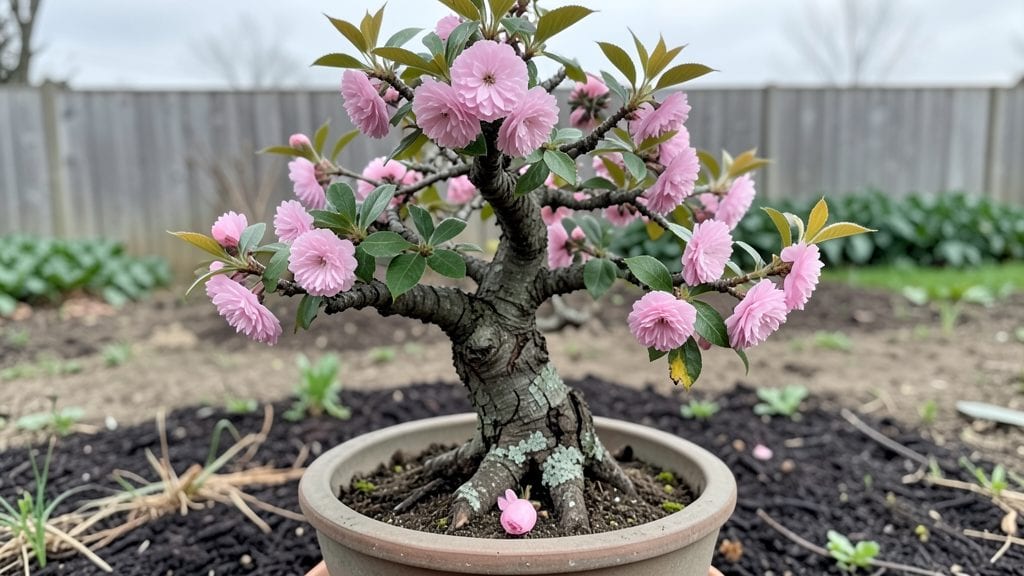
Your bonsai tree blossom isn't just a dream—it's a carefully pruned reality. 🌸 The secret lies in choosing the right species and timing every cut to encourage delicate flowers while keeping your tree's miniature form intact.
I've spent years watching my Japanese maple and azalea bonsai burst into bloom, and I'm sharing the exact techniques that make it happen.
Start with a flowering species like jade, azalea, or Japanese maple—each needs slightly different care but follows the same pruning principles. The key is balancing aggressive pruning to maintain shape with gentle encouragement to produce buds.
Most people over-prune, which stunts blooms entirely, so I'll show you how to find that sweet spot where your tree stays small but still bursts into color.
You'll end up with a tree that smells like spring all year round, covered in tiny blossoms that last weeks longer than store-bought flowers. The fragrance alone makes the effort worthwhile, but the satisfaction of growing something so delicate and precise is what keeps me coming back.
Let's get those buds blooming!
This works for both indoor and outdoor bonsai, though outdoor varieties typically bloom more reliably. The same principles apply whether you're working with a 10-year-old tree or just starting your first flowering bonsai. Here's how to make it happen without sacrificing your tree's health or beauty.
📚 In This Guide
- What you need
- Instructions
- Tips and common mistakes
- Wrapping up and next steps
What you need
- ● Bonsai tree species: Choose a flowering variety like Ficus retusa (Ginseng Ficus), Carmona microphylla (Fukien Tea), or Serissa foetida (Snow Rose) for reliable blooms.
- ● Well-draining bonsai soil: 3–5 lbs of a mix (e.g., 50% akadama, 30% pumice, 20% organic matter like compost or peat moss).
- ● Pot with drainage holes: 1–2 ceramic or plastic pots (6–12 inches wide), depending on tree size. Ensure holes are at least ¼-inch wide.
- ● Pruning tools: 1 pair of concave bonsai shears (for branch cuts).
- ● 1 sharp bypass pruner (for thicker branches).
- ● 1 wire cutter (for removing training wires).
- ○ Root stimulator: 2–4 oz of a mycorrhizal fungus or rooting hormone gel (optional but helpful for repotting).
- ● Wire (aluminum or copper): 1–2 rolls (1–3mm gauge) for structural shaping.
- ● Spray bottle (8–16 oz): For misting blooms or humidity control.
- ● pH test kit: To check soil acidity (ideal range: 5.5–6.5 for most flowering bonsai).
- ● Slow-release fertilizer: 1–2 pellets or granules (e.g., Osmocote or Bonsai Boy blend).
- ○ Humidity tray: Optional, for tropical species like Serissa.
- ● Bright, indirect light: 4–6 hours of morning sun or grow lights (12–14 hrs/day in winter).
- ● Temperature control: Daytime: 65–75°F (optimal for blooming).
- ● Nighttime: No lower than 50°F (avoid drafts!).
- ● Humidity: 40–60% (use a hygrometer to monitor).
Instructions for encouraging year-round bonsai blossoms
Here's how I coax fragrant flowers from bonsai trees—it's all about timing, light, and careful pruning.
🌱 Step 1: Select the Right Tree Variety for Fragrance
Not all bonsai bloom—choose varieties known for their scent and flowering habits. Japanese maples (Acer palmatum) produce delicate spring blooms, while jasmine (Jasminum) and cherry blossom (Prunus serrulata) deliver strong fragrance. I always verify a tree's flowering potential before purchasing, as some cultivars are bred for foliage over flowers.
Age matters too—young trees often skip flowering while they establish roots. Aim for a 3-5 year-old specimen with a sturdy trunk. The key is patience: a well-cared-for bonsai may take 2-3 years to produce reliable blooms after repotting. Observe your tree's natural flowering cycle first, then work backward to adjust care routines.
☀️ Step 2: Master Light Requirements by Season
Blossoming bonsai need bright, indirect light year-round, but intensity shifts with seasons. In spring and fall, place your tree near an east-facing window to avoid harsh midday sun that can scorch buds. During summer, move it to a west-facing spot where it gets 4-6 hours of afternoon sun—this mimics natural conditions and triggers flowering hormones.
Winter is critical: reduce light exposure to 6-8 hours daily to simulate dormancy. If your home lacks natural light, supplement with a full-spectrum LED grow light positioned 12-18 inches away. Watch for bud formation in late winter—this is your cue that the tree is preparing to bloom. Too little light delays flowering, while too much can cause buds to drop prematurely.
✂️ Step 3: Prune for Flowering Structure
Prune after flowering to avoid cutting off next year's buds. Use sharp, clean bonsai shears to trim back 1/3 of new growth on non-flowering branches. For flowering branches, prune only dead or crossing growth—never remove potential bloom points. I make my cuts just above a leaf node where new growth can emerge.
Shape the tree to encourage airflow—crowded branches trap moisture and invite fungal diseases that rot buds. After pruning, apply a diluted seaweed fertilizer (1 tsp per gallon) to stimulate root growth and recovery. The goal is to maintain the tree's natural silhouette while creating balanced branch structure that supports abundant blooms.
💧 Step 4: Adjust Watering for Bud Development
Overwatering is the #1 enemy of bonsai blooms—too much moisture stresses roots and prevents bud formation. Water when the top inch of soil feels dry, then soak thoroughly until water drains from the bottom. In spring, when buds form, reduce frequency to every 3-4 days—let the soil dry slightly between waterings to mimic seasonal dry spells.
Humidity matters too: place the tree on a pebble tray filled with water to maintain 50-60% humidity. Mist leaves lightly in the morning to prevent fungal issues, but avoid wetting buds directly. Watch for wilting leaves—this signals underwatering, while yellowing leaves mean overwatering. Both conditions stress the tree and delay flowering.
🌿 Step 5: Feed and Repot for Continuous Blooms
Use a balanced 10-10-10 fertilizer during active growth (spring and summer), switching to a high-phosphorus formula (like 5-10-5) in fall to encourage root and bud development. I fertilize every 2 weeks during growing season, then reduce to monthly in winter. Over-fertilizing burns roots and stunts blooms—always follow package instructions.
Repot every 2-3 years in spring using fresh, well-draining bonsai soil. Trim 20-30% of roots during repotting to stimulate new growth. After repotting, place the tree in shade for 2 weeks to reduce stress. You'll see new shoots emerge within 4-6 weeks—these are your future flowering branches if cared for properly.
Tips & tricks for perfect bonsai tree blossoms
Here's what nobody tells you about keeping your bonsai blooming beautifully—and how to troubleshoot when things go wrong.
Variety Verification: Not all bonsai trees bloom, so I always double-check the cultivar before buying. Japanese maples like 'Bloodgood' or 'Emperor I' are reliable bloomers, while jasmine bonsai deliver that signature sweet fragrance. Look for trees labeled "flowering" or "fragrant"—avoid those marketed as "ornamental" or "foliage" types, which often skip blooming entirely. If you're unsure, ask your nursery about the specific tree's flowering history.
Light Timing Secret: The 4-6 hours of afternoon sun in summer is non-negotiable for triggering flowering hormones. I set a timer to move my bonsai to its west-facing spot at 12:30 PM sharp—this ensures it gets that critical sunlight without scorching. In winter, when you're reducing light to 6-8 hours daily, place the tree near a window where it gets morning sun but avoid the hot afternoon rays that can stress buds. A simple white curtain can diffuse harsh light if needed.
Pruning Precision: When you're trimming back that 1/3 of new growth in Step 3, make your cuts at a 45-degree angle just above a leaf node. This angle helps water run off and prevents rot. For flowering branches, I use a magnifying glass to spot potential bloom points—these often appear as tiny swellings along the branch. If you accidentally cut one, don't panic; the tree will still produce flowers, just maybe not as abundantly.
Watering Wisdom: The "top inch dry" rule changes with seasons—spring's every-3-4-days schedule gives buds time to form without stressing roots. I test soil moisture by sticking my finger in about an inch deep; if it feels like a slightly damp sponge, that's perfect. For humidity, I place my bonsai on a pebble tray with water only up to the pebbles—not touching the pot. This creates the right moisture level without waterlogging the roots, which is especially important when buds are forming.
Pro Tips for Bonsai Tree Blossom
- Here's what nobody tells you about keeping your bonsai blooming beautifully—and how to troubleshoot when things go wrong.
- Variety Verification: Not all bonsai trees bloom, so I always double-check the cultivar before buying.
- Light Timing Secret: The 4-6 hours of afternoon sun in summer is non-negotiable for triggering flowering hormones.
Frequently asked questions
When will my bonsai tree actually bloom?
A bonsai’s first blossoms can take 2–5 years (or longer for tropical varieties like Ficus or Jade). Deciduous types (e.g., Japanese Maple) bloom in spring, while evergreens like Azalea may flower in winter or early spring. Patience is key—focus on healthier roots and leaves first!
How do I encourage my bonsai to bloom more often?
Blooming depends on light, dormancy, and stress signals. For deciduous bonsai:
- Light: 6+ hours of direct sunlight daily (south/west-facing windows or grow lights).
- Dormancy: Mimic winter by reducing water/fertilizer in fall (50°F/10°C or cooler).
- Watering: Let soil dry slightly between waterings—overwatering = no blooms!
My bonsai has buds but no flowers—what’s wrong?
No blooms despite buds? Check these fixes:
Issue
Solution
Too young
Wait 1–2 more seasons; prioritize root/foliage growth.
Not enough light
Move to a sunny spot or use a grow light 12–14 hrs/day.
Over/under-watering
Adjust to consistent moisture (test with your finger—top inch dry?).
Pests/disease
Inspect for spider mites or fungal spots; treat with neem oil or fungicide.
Can I force a bonsai to bloom out of season?
Some bonsai can be coaxed into off-season blooms with artificial dormancy:
- Cool treatment: Move indoors near a cool window (50–60°F/10–15°C) for 6–8 weeks.
- Light control: Use blackout curtains for 10–12 hrs/day to mimic winter.
- Warning: This drains energy—only do it once every 2–3 years!
What’s a good beginner-friendly bonsai for blooms?
Skip finicky varieties! Start with these low-maintenance bloomers:
- Ficus Retusa (“Ginseng Ficus”): Fast-growing, blooms in tropical climates (rare indoors).
- Jade Bonsai (Crassula ovata): Hardy, tiny white/pink flowers in spring with patience.
- Chinese Elm (Ulmus parvifolia): Forgiving, blooms in early spring with minimal fuss.
- Azalea (Rhododendron): Vibrant flowers, but needs acidic soil and cooler temps.
Wrapping up and next steps
Witnessing your bonsai tree blossom with year-round fragrance is a rewarding journey that blends artistry, patience, and care. The key lies in selecting the right species, mastering precise pruning techniques, and nurturing your tree with the ideal environment—whether it’s sunlight, humidity, or seasonal adjustments. 🌸
Now that you’re equipped with the knowledge, roll up your sleeves and start your bonsai blossoming adventure! Begin by choosing your first tree, gather your tools, and take that first step toward creating a fragrant, living masterpiece. Your green thumb is ready—let’s make it bloom! 🌱✨