Pruning
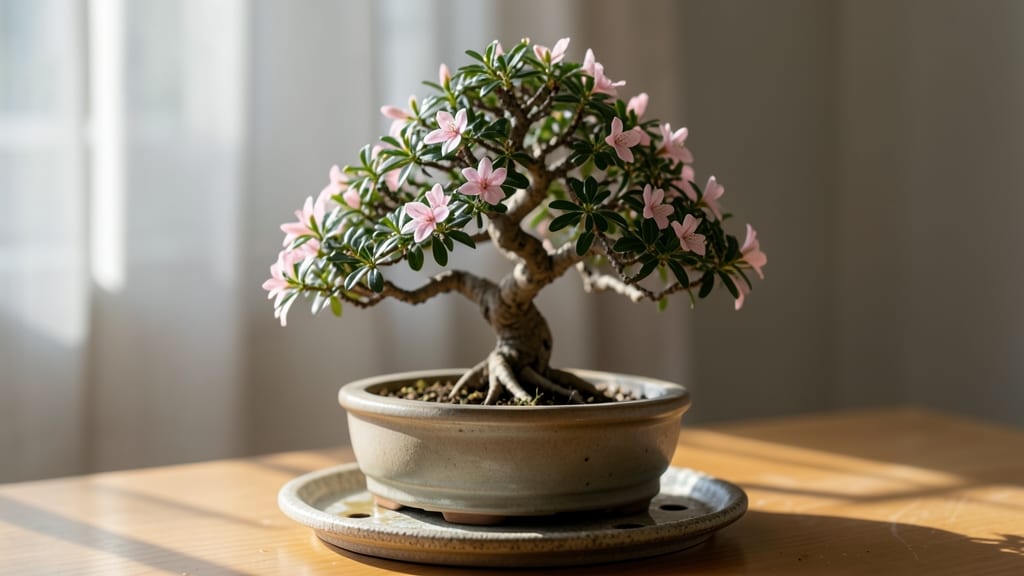
Creating a flowering bonsai tree that bursts with color year after year starts with the right pruning approach—one that balances beauty and health. I remember my first azalea bonsai, its tiny buds dropping because I pruned too late.
The key isn’t just cutting branches; it’s understanding when and how to shape growth so the plant rewards you with blooms instead of frustration.
You’ll need sharp pruning shears, a wire cutter for structural shaping, and patience—bonsai flowering takes time, but the results are worth it. Start with species like serissa or jasmine, which respond well to pruning and reward you with delicate blooms.
The trick is pruning right after flowering to encourage next season’s buds, while avoiding over-trimming, which stresses the plant.
What you’ll end up with is a miniature masterpiece that flowers reliably, with branches that cascade just so and leaves that stay vibrant. The scent of jasmine in spring or the bold colors of an azalea in winter become part of your daily joy.
This isn’t just about aesthetics—it’s about creating a living work of art that thrives under your care.
Whether you’re working with a new cutting or an established tree, the principles stay the same: prune at the right time, shape with intention, and never rush the process. Let’s get those blooms going strong—season after season.
📚 In This Guide
- What you need
- Instructions
- Tips and common mistakes
- Wrapping up and next steps
What you need
- ● Bonsai Pot: 1 ceramic or plastic pot (3–6 inches deep, with drainage holes). Pro tip: 💡 Choose one slightly larger than your tree’s root base for flexibility.
- ● Well-Draining Soil: 1 bag (5–10 lbs) of akadama, pumice, and lava rock mix (ratio: 3:2:2). Pro tip: 🌡️ Sterilize soil in the oven (200°F for 30 mins) to kill pests.
- ● Bonsai Tree: 1 flowering variety (e.g., Jasminum nudiflorum, Carmona microphylla, or Azalea). Pro tip: ✨ Pick a tree with a sturdy trunk and healthy foliage.
- ● Pruning Tools: 1 pair of concave bonsai shears (for clean cuts).
- ● 1 needle-nose pruner (for detailed trimming).
- ● Wire (for shaping): 1–2 rolls of aluminum or copper bonsai wire (1–3mm thickness).
- ● Watering Can: 1 with a rose nozzle for gentle watering.
- ● 1 root hook (for gentle root pruning).
- ● 1 spray bottle (for misting delicate blooms).
- ● 1 humidity tray (to maintain moisture).
- ● 1 fertilizer (balanced liquid or slow-release bonsai fertilizer).
- ● 1 pH test kit (to monitor soil acidity).
Instructions for pruning flowering bonsai trees
Here's the straightforward approach I use to keep my bonsai blooming beautifully while maintaining that perfect miniature shape.
Time Your Pruning to the Growth Cycle
Flowering bonsai like azalea, jasmine, or Japanese maple need pruning at the right moment—right after blooming but before new growth begins. For spring bloomers, this means pruning in late spring or early summer. For fall/winter bloomers like camellias, prune immediately after flowers fade. You'll want to avoid pruning when buds are forming—this cuts off next year's blooms.
Watch for fresh growth to slow down and leaves to harden slightly. This signals the plant has finished its main flush of growth and can handle shaping. I always mark the calendar with my bonsai's bloom schedule so I never miss the window. Pruning at the wrong time stresses the tree and can reduce flowering.
Shape the Canopy with Precision Cuts
Start by removing any dead, crossing, or overcrowded branches using clean, sharp bonsai shears. Make cuts just above a leaf node or branch junction—never leave stubs. For larger branches, use a saw for clean cuts. The goal is to maintain the tree's natural silhouette while encouraging airflow and light penetration throughout the canopy.
Step back frequently to assess the shape. You're aiming for a balanced, harmonious form that reflects the tree's species characteristics. For example, a Japanese maple should have a more open, airy branch structure than a dense juniper. I like to use a small mirror to check hard-to-see areas. Remember, bonsai pruning is about gradual refinement—never remove more than 25% of the foliage in one session.
Encourage Future Blooms with Strategic Trimming
After shaping the canopy, focus on the flowering branches. For most flowering bonsai, you'll want to trim back the current season's growth by about one-third. This stimulates bushier growth and more abundant blooms next season. Look for branches that produced flowers this year and give them special attention—these are your future bloom producers.
Pay particular attention to the tips of branches. Cutting just above a set of leaves (rather than at the very end) encourages the plant to branch out. I always leave at least two sets of leaves on each branch to maintain photosynthesis. For some varieties like azalea, you might also need to thin out some of the oldest branches to make room for new growth.
Refine the Structure with Wiring and Pruning
After your initial cuts, use aluminum bonsai wire to gently shape branches into your desired positions. Wrap wire around branches starting from the base and work your way out, making gradual adjustments. Check the wire every few days—it should be snug but not cutting into the bark. Remove wire before it begins to grow into the tree, usually within 3-6 months.
While the wire is in place, you can make additional small pruning adjustments to refine the shape. Focus on creating interesting branch angles and maintaining the tree's overall balance. Remember that bonsai is about creating a sense of age and character—don't be afraid to leave some natural imperfections. After removing the wire, do a final light pruning to clean up any rough edges and maintain the shape you've created.
Post-Pruning Care for Healthy Recovery
After pruning, give your bonsai a thorough watering to help it recover from the stress. Use room-temperature water and water until it drains freely from the bottom. In the days following pruning, monitor the soil moisture closely—bonsai recover more quickly when kept evenly moist but not soggy. I like to mist the foliage lightly in the morning to help reduce stress.
Place your bonsai in a location with bright, indirect light for the first week after pruning. Avoid direct sunlight, which can scorch newly exposed leaves. Gradually reintroduce it to its regular light conditions over the next few days. Fertilize lightly with a balanced bonsai fertilizer two weeks after pruning to support new growth. The key is patience—your bonsai will show signs of recovery in about 3-4 weeks with proper care.
Tips & tricks for perfect flowering bonsai pruning
Here's what I've learned from years of pruning bonsai—these little details make all the difference for healthy blooms and beautiful shape.
Timing is Everything: The instructions mention pruning after blooming, but I can't stress enough how critical this window is. For spring bloomers like azalea, I actually set a reminder for two weeks after the last flower falls. If you prune too early, you risk cutting off next year's buds. For fall bloomers like camellias, wait until every last blossom has dropped—those buds are already forming for next season! I've seen bonsai owners miss this window completely and end up with sparse blooms the following year.
Cutting Technique Matters: When you're making those precision cuts in Step 2, remember that clean cuts heal much faster. I use a small mirror to check my work—it helps me spot uneven cuts from awkward angles. For thicker branches, make a slight downward angle on the cut to prevent water from pooling. And never cut into the trunk or main branches—this can kill the tree. I've ruined two bonsai trees by making this mistake when I was first learning, so trust me on this.
Wiring Wisdom: The instructions mention removing wire in 3-6 months, but I've found that checking every 2-3 weeks is better. Wire that's too tight can actually cut into the bark as the branch thickens, leaving ugly scars. When you do remove it, do it gradually—start at the ends and work your way in. I keep a pair of wire cutters dedicated just to bonsai work, and I always clean them with rubbing alcohol between uses to prevent disease transfer.
Recovery Care Makes the Difference: That 3-4 week recovery period in Step 5 is when most people give up and think their bonsai is dying. Don't! During this time, I increase my misting frequency to every other morning and use a humidifier nearby if my home gets dry. The key is consistency—your bonsai needs steady moisture without being waterlogged. I've seen trees that looked completely dead after pruning bounce back beautifully with this extra care during their recovery phase.
Pro Tips for Flowering Bonsai Tree
- Here's what I've learned from years of pruning bonsai—these little details make all the difference for healthy blooms...
- Timing is Everything: The instructions mention pruning after blooming, but I can't stress enough how critical this wi...
- Cutting Technique Matters: When you're making those precision cuts in Step 2, remember that clean cuts heal much fast...
Frequently asked questions
Got questions about keeping your flowering bonsai tree in full, year-round bloom? We’ve got answers! Here are some of the most common concerns—plus tips to keep your tiny tree thriving.
How often should I prune a flowering bonsai to encourage blooms?
Prune after flowering (usually late winter or early spring) to avoid cutting off next year’s buds. For most flowering bonsai, a light trim every 4–6 weeks during the growing season helps maintain shape and health. Avoid heavy pruning—focus on removing only 1/3 of new growth at a time to prevent stress.
Can I prune a flowering bonsai during its blooming season?
No—never prune while flowers are open or buds are forming! Cutting blooms or buds removes the tree’s energy source and can stunt future growth. Wait until all flowers have faded before pruning. For forced bloomers (like azaleas or camellias), time pruning to align with their natural dormancy period.
What if my flowering bonsai isn’t blooming? How can I troubleshoot?
Lack of blooms often stems from light, nutrients, or stress. Check these fixes:
- Light: Most flowering bonsai need 4–6 hours of direct sunlight daily (south/west-facing windows or grow lights).
- Nutrients: Use a balanced fertilizer (like 10-10-10) during growing season, then switch to a high-phosphorus formula (e.g., 5-10-5) in late summer to promote buds.
- Stress: Avoid overwatering or sudden temperature changes—both can delay blooming.
Are there flowering bonsai alternatives that are easier to care for?
If you’re new to bonsai, consider these low-maintenance flowering options:
- Jade bonsai (succulent-like, blooms yellow flowers with patience).
- Carmona (Fukien tea) (tiny white flowers, drought-tolerant).
- Chinese elm (fast-growing, produces small yellow blooms in spring).
All three are forgiving but still require pruning and seasonal care—just less fuss than delicate varieties like azaleas.
How do I prune dead or diseased branches without harming my bonsai?
Use sterilized tools (alcohol or boiling water) to avoid spreading disease. Cut just above a node (the bump where leaves/branches grow) at a 45-degree angle for healthy regrowth. For large deadwood, remove it entirely—bonsai can handle 10–20% of branches pruned annually without stress.
Still stumped? Tag us in your bonsai blooms—we’d love to see (and troubleshoot!) your progress!
Wrapping up and next steps
Cultivating a flowering bonsai tree that bursts with year-round blooms is a rewarding journey of patience, precision, and passion! 🌸 By mastering pruning techniques—like selective trimming, root pruning, and strategic wiring—you’ll create a harmonious balance between growth and beauty.
Remember, consistency is key: seasonal adjustments and mindful care ensure your bonsai thrives.
Ready to take the next step? Start with a small, manageable project—perhaps a jasmine or azalea bonsai—and refine your skills. Before you know it, your living art piece will be the envy of every bonsai enthusiast! 🌿✨